Sea & Sand

Swim

All the beaches of Alexandroupoli and the wider Municipality, from the municipal beach to the more remote spots.

Photo: Pjposullivan, CC BY-SA 3.0

Vibe

Beaches

Kokkina Vrachia (Red Rocks) / Paralia Alexander
BEACH

Kokkina Vrachia (Red Rocks) / Paralia Alexander

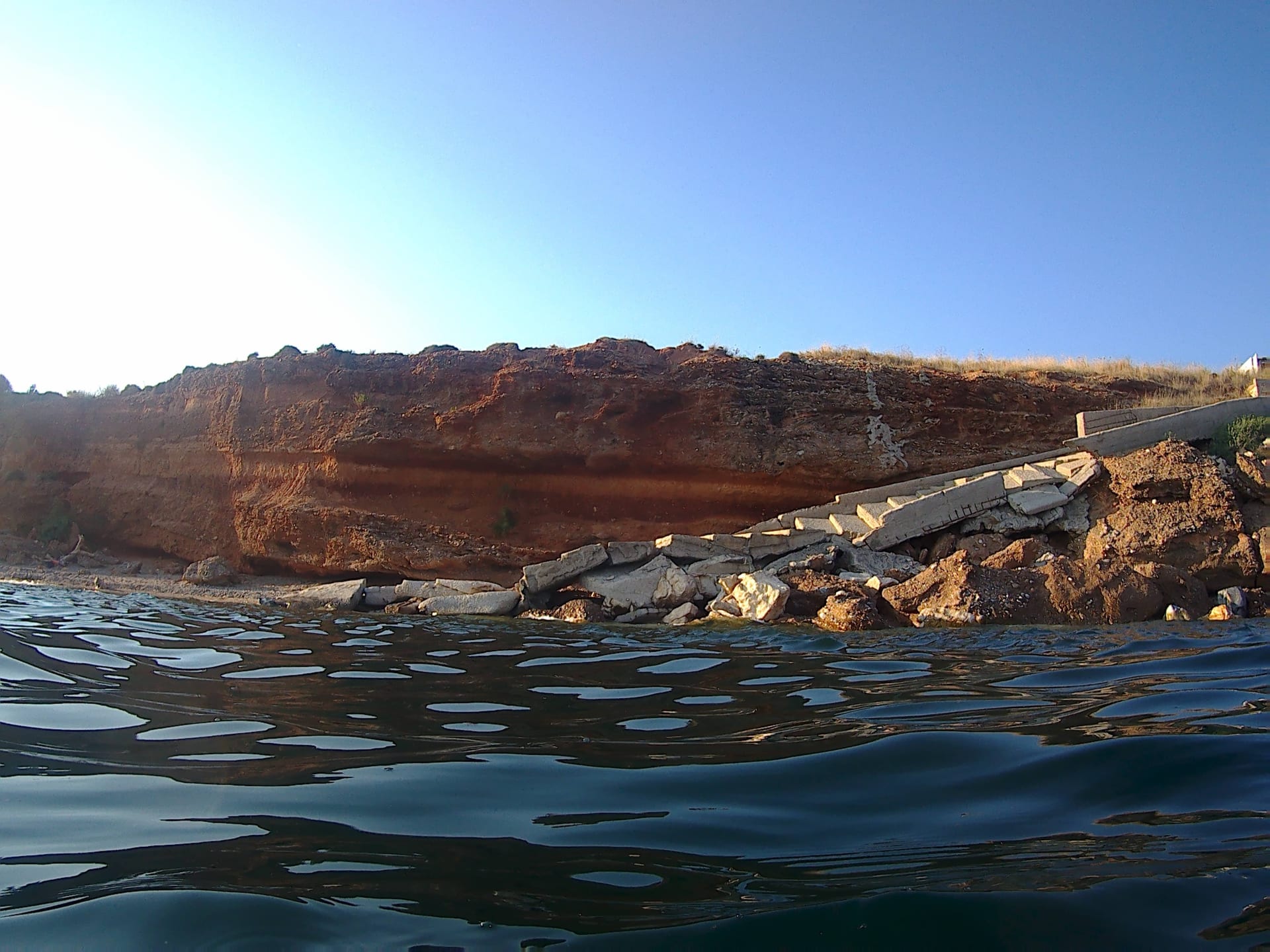
A small, hidden cove with distinctive reddish sand and steep cliffs up to 10 metres high. A well-known local landmark, extremely popular for cliff jumping. It's a beach of wild beauty with absolutely no facilities, which nonetheless hides serious dangers due to active erosion of the slopes. The Beach & the Landscape Kokkina Vrachia is tucked between EOT beach and Nea Chili . Invisible from the main road, the cove takes its name from the striking reddish tint of the soil. The narrow shore is made up of pebbles, a little red sand, and rocky formations. The area's trademark is its natural cliffs, where for decades teenagers and young people have tested their nerve by jumping into the sea - an informal but risky local tradition that continues to this day. ⚠️ Warning: High Erosion Risk The distinctive geology that makes the landscape so picturesque is also its biggest threat. The sea continuously erodes the coastline, causing the ground to gradually crumble. Landslides & History: Small landslides are recorded frequently. In the 1980s, the collapse of a large mass of earth cost the lives of a young couple who had camped right beneath the rocky slope. Access: The old concrete access stairway has completely broken apart. Accidents: Despite years of use, minor injuries from jumps happen often. Thrace's EKAB (emergency medical service) has issued official warnings in the past about the dangers of high jumps, especially when combined with alcohol, the cause of the most serious incidents. The Water Spotlessly clear but extremely steep. Just 2-3 metres from shore, the seabed drops off sharply and is full of rocks. Strong swimming ability is required. A snorkel mask is only recommended when the sea is absolutely calm ("oil-flat"). Practical Info Address: Kokkina Vrachia, Alexandroupoli 68100 Access: Not very difficult, but it hides dangers. The way down is now via a slippery dirt path. Proper trainers are essential for the descent - avoid flip-flops. Parking: None. Facilities: None. You need to bring everything with you: water, an umbrella, and water shoes are a must for the rocks.

3.8 km
Delfini Beach
BEACH

Delfini Beach

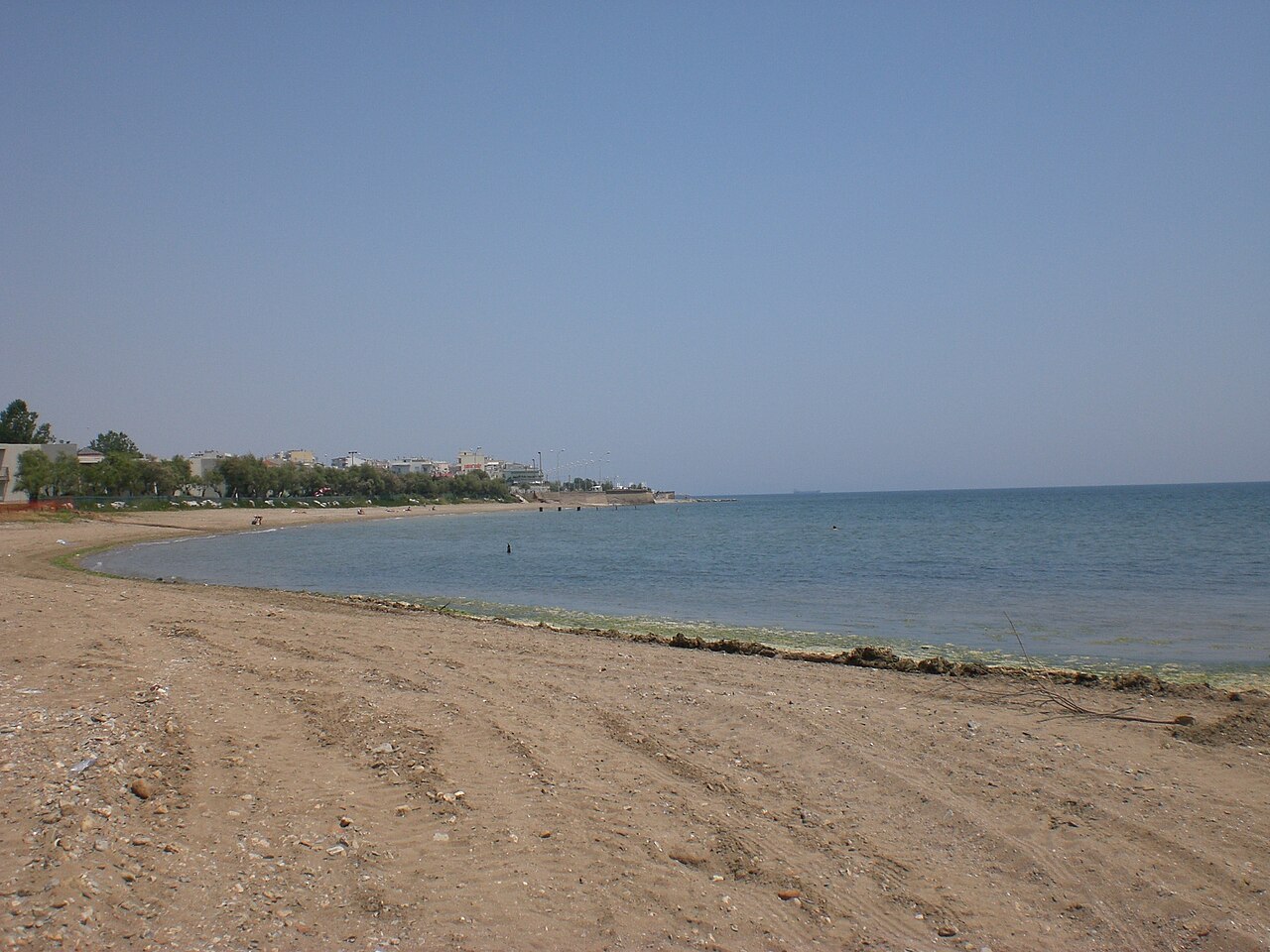
An almost endless, organised sandy beach in Nea Chili, between Kokkina Vrakhia and Kalamaki. It has parking, showers, changing rooms, shade and WC, and is equipped with a SEATRAC system for independent sea access for people with mobility issues. A beach cafe-bar operates right next to it. The Beach - The Truth Delfini sits on the 2,000m open bay between Alexandroupoli and Nea Chili. The shore itself is 1,000m long, 25m wide, south-facing. The good: Wide sandy beach, shallow for many metres - ideal for children playing Organised with sunbeds, parking, showers, WC, shade SEATRAC for people with disabilities - one of the Municipality's most accessible beaches The not-so-good - as bathers report it: Cloudy because of the sand. Since it's shallow and sandy, a little wave action or people walking in stirs up the sand and the water clouds up immediately. You can't see the bottom. Not for snorkelling. If you want clear water for diving with a mask, go to Kyani Akti , Agia Paraskevi or Agios Georgios . This one is for lounging and playing, not clear water. A light north wind brings waves, since it's an open, south-facing bay. SEATRAC Accessibility A system with a solar-powered tower and a seat on a rail track that takes you to about 60cm depth. A ramp, accessible parking, an accessible chemical toilet, changing rooms, a shower. Operated from the adjacent cafe-bar. Practical Info Address: Delfini Beach, Nea Chili 68100 Facilities: SEATRAC, parking, showers, WC, beach bar Seabed: Sand - clouds up easily

3.62 km

Mesimvria BeachFEATURED
BEACH

Mesimvria Beach

West of Alexandroupoli, between Dikella and Petrota beach, lies Mesimvria. A beach you don't visit by accident, but because you know its worth. Its biggest advantage is that it's one of the few spots in Evros where you can combine a summer swim with history, with the important archaeological site of Mesimvria-Zoni right behind you. A Bit of History Ancient Zoni was a colony of Samothraki (the so-called "Samothracian Peraia") from the 7th century BC, and flourished in the 5th and 4th centuries BC, with the ruins of the Temple of Apollo still standing in the area. The Beach & the Landscape The shoreline is spacious, mostly sandy with patches of fine pebble. It doesn't resemble the fully organised, crowded beaches of the city. There's a beach bar with a limited number of sunbeds, leaving plenty of free space for those who prefer to do their own thing. It's a quiet beach, without crowds or loud beach parties, which makes it an ideal choice for those seeking calm and relaxation. The Water & Seabed Its strongest point is the seabed. While you enter the water smoothly over sand, at three to five metres the terrain changes to rocks and large flat stones. At that point the water clears up impressively, offering excellent clarity and visibility, unlike other beaches (such as Delfini ) that cloud up easily. It's ideal for exploring with a mask, since the seabed is full of life. Species photographed here include the rare nudibranch Felimare picta and the sea cucumber - one more reason to bring a mask. Practical Info Access: From the Egnatia Odos motorway (or the old national road), take the exit for Makri/Dikella/Mesimvria. After passing Dikella, the last stretch towards the sea and the archaeological site turns into a dirt road, which requires care due to potholes. The drive takes about 30 minutes from the city centre. Facilities & Gear: The beach isn't considered busy, so it has no lifeguard. Since it's only partly organised, it's a good idea to come prepared with your own umbrella and water if you choose the free section. Caution: Water shoes are strongly recommended, as the rocks and flat stones in the water can be quite slippery.

24.22 km

Agia Paraskevi Beach (Makri)FEATURED
BEACH

Agia Paraskevi Beach (Makri)

An organised beach with a little chapel above the waves. The quiet, family-friendly side of the Makri bay. The beach Agia Paraskevi beach lies west of the Makri headland, part of a wider 1,600-metre open bay facing southwest. Its distinctive landmark is the Church of Agia Paraskevi, perched on the rock above the shore. According to the official Bathing Water Profile, the beach is 1,100 metres long with an average width of 30 metres. The coastal zone is natural, with dense pine cover; the land strip is covered with sandy material, and the seabed is sandy with a gentle slope - the 5-metre depth line is reached 100 metres from shore. The bathing water is shallow in the first few metres and has been of excellent quality over the past four years. It was recognised as a bathing beach in 1991 and is Blue Flag awarded. On our site visit we found no tar, oil, foam or litter - the water was clear and clean. The wider area is rural, with permanent olive groves and light holiday-home development. There's an intermittent stream near the middle of the beach. Thanks to its orientation it's sheltered from the prevailing north-easterly winds, with the exception of mild southwesterlies - it's rarely choppy. No strong tidal effects or currents are observed. What it offers Organised: Fully organised along most of its length with sunbeds, umbrellas, a beach bar, snack bars, parking, changing rooms, showers, bins and a lifeguard. There's plenty of free space for those who prefer to bring their own umbrella. Beach Bar: There's a beach bar on site with a seafood restaurant and coffee from morning until late. Accessibility: One of the first two beaches in the Municipality of Alexandroupoli (along with EOT beach ) to get a SEATRAC - a self-operated system giving sea access to people with disabilities and mobility issues. It includes a ramp, an accessible chemical toilet, a changing room, shade, a shower and a control panel. Installed by Anelkystires Stamatiadis. Activities: Swimming, motorised watersports, beach volleyball, fishing. Maximum bather capacity: 4,000 people. History next door 400 metres south is the Cyclops Cave - a Neolithic settlement from 5,000 BC, a cult centre of Thrace and, according to tradition, the cave of Polyphemus. 1km west is the Holy Monastery of Panagia tou Evrou in Makri. Practical info Address: Agia Paraskevi, Makri, Alexandroupoli 68100 Access: By car or the Makri KTEL bus, 12 minutes from central Alexandroupoli. Large free parking. Season: Official bathing season 1 June - 31 October, with water sampling.

8.5 km

Dikella BeachFEATURED
BEACH

Dikella Beach

A vast shoreline of sand and fine pebble that has long been one of the most popular summer destinations west of Alexandroupoli. It combines the comfort of a well-organised beach with the freedom of wide open space, offering ideal conditions for families, groups of friends, and anyone who wants to spend the whole day by the water. The Beach & the Landscape Dikella beach is washed by the Thracian Sea and impresses with its great length and width. It has several organised beach bars with sunbeds, umbrellas, showers, snack bars and a beach volleyball court. Its great advantage is that, despite the organised facilities and affordable prices, it keeps huge free sections. So anyone who prefers their own umbrella and mat finds plenty of space without feeling crowded. Geographically, the archaeological site of Mesimvria-Zoni stretches out to the west, while the Monastery of Panagia tou Evrou stands to the northeast. The Water & Seabed Shore: Comfortable and spacious, with pleasant sand and fine pebble in certain spots. Entry & Seabed: Sandy at the entry, but natural flat stones spread across several spots in the water. Water shoes are recommended for greater comfort. Water: Clean and pleasant, deepens gradually and doesn't cloud up easily with waves. Snorkelling: Not considered ideal for underwater exploration, as the visibility and marine life on the seabed don't match neighbouring Mesimvria. This is a beach built for swimming, rackets and relaxing. Practical Info Address: Dikella Beach, Dikella 68100 Access: Very easy via the Egnatia Odos motorway (Makri/Dikella exit) or the old national road. The road is fully paved all the way to the shore. Facilities: Beach bars, sunbeds, umbrellas, comfortable parking along the road, a beach volleyball court. Lifeguard: No lifeguard coverage.

22.99 km

Nea Chili Beach
BEACH

Nea Chili Beach

The Greek Chile. Alexandroupoli's big, wide, sandy suburb beach. The beach Nea Chili beach is the natural westward continuation of EOT beach , in the Nea Chili settlement, now a suburb of the city. Walking west along the coastal road towards Makri, you reach it right after the stadium. It's a vast stretch of sand - fine brown sand, spotlessly clear deep-blue water, a very wide shore. The most easily accessible large city beach after EOT. Highlights A vast stretch of fine brown sand Spotlessly clear, deep-blue water, shallow at first Very long, with both organised and free sections Sheltered, ideal for families What it offers Organised: Fully organised with beach bars, sunbeds and umbrellas. Free sunbeds with a drink purchase in several spots - great drink prices, free sunbeds as long as you order something, and the beach is one huge stretch of sand. Easy access: On foot, by bike, or 3 minutes by car from the centre. City bus service. For everyone: Families, groups of friends, couples - the classic everyday beach for locals. Practical info Address: Nea Chili, Alexandroupoli 68100 Distance: 2.5km from the Lighthouse, 5 minutes by car / 15 minutes by bike Facilities: Beach bar, sunbeds, umbrellas, showers, WC, parking, restaurants How it differs from the others EOT : right in the city, the municipal beach Nea Chili: a little further out, wider, sandier, more relaxed Kyani Akti / Agia Paraskevi : 8km out, cleaner water Agios Georgios : 16km out, rocky, for a meal

2.5 km

Municipal Beach (EOT)FEATURED
BEACH

Municipal Beach (EOT)

The most central beach in the city. The beach you can walk to from home. What it is Alexandroupoli's Municipal Beach - EOT beach - lies west of the port facilities, at the edge of the city. It's part of a wider open bay of 2,000 metres and occupies its eastern section. It stretches 1,000 metres, with an average width of 20 metres, faces south, has a sandy shore with tamarisks and pines, a sandy seabed, and shallow water in the first few metres with a gentle slope - the 5-metre depth line is 230 metres from shore. Sheltered from the prevailing winds, it's rarely choppy. It's the first beach you see coming out of the centre towards Makri, right next to the Municipal Campsite and the Egnatia park. What makes it stand out Organised and award-winning: Blue Flag awarded (2023, 2024). Excellent bathing water quality over the past four years, with systematic sampling from 1 June to 31 October. Facilities: Sunbeds, umbrellas, showers, changing rooms, bins, toilets, a mini market, a cafe, a restaurant, a lifeguard, and basketball, volleyball and tennis courts very close by. There's also free space for those who want to bring their own umbrella. Accessibility: Two SEATRAC self-operated sea access systems were installed in 2024-2025 - one at EOT and one at Agia Paraskevi - for people with mobility issues. Accessible ramps, access to all facilities. For everyone: Shallow, with fine golden sand, ideal for families with children, for playing in the sand, for sunset yoga (free classes every Wednesday and Sunday 20:00-21:30 in summer) and for concerts - the Locomondo concert was held here in summer. Two beaches in one The Arapis (or Venikioti) stream, which flows out in the middle of the shore, splits the beach into two sections. The western section has clear water and is more popular. The eastern one, more enclosed, sometimes gets cloudy because of the stream and rainwater runoff. For clear water, choose the western side, towards the Campsite . Practical info Address: 281 Makris Ave, next to Alexandroupoli's Municipal Campsite Access: On foot from the centre (15 minutes), by bike along the cycle path, by car, or by city bus. Parking available. Maximum bather capacity: ~2,000 people Pets: Allowed, within reason.

0.74 km

Kyani Akti (Azure Coast)
BEACH

Kyani Akti (Azure Coast)

Alexandroupoli's hidden-gem beach. Where the blue of the sea meets the green of the pine forest. What it is Kyani Akti lies west of the Makri headland, part of a wider 1,600-metre open bay facing southwest. A distinctive landmark, the Church of Agia Paraskevi, sits right above the beach. It stretches 1,100 metres with an average width of 30 metres - a natural coastal strip with dense pine cover, a sandy shore and a sandy seabed with a gentle slope (the 5-metre depth line is 100 metres from shore). Shallow, clear water in the first few metres. It's the beach locals mean when they say "let's go to Kyani" - between EOT beach and Makri, just before the Cyclops Cave . What makes it stand out Water quality: Excellent bathing water quality over the past four years, recognised as a bathing beach since 1991 and Blue Flag awarded. On our site visit we found no tar, oil, foam or litter - the water was clear thanks to low phytoplankton levels. Sheltered from the wind, it's rarely choppy. Organised: Organised along most of its length with sunbeds, umbrellas, changing rooms, showers, bins, snack bars, parking and a lifeguard. Maximum bather capacity: 4,000 people. Beach Bar: A new beach bar right on the sand, with island vibes, music from morning to night, sunset parties and shisha. Setting: Olive groves and pine forest behind, the Thracian Sea ahead. A rural area with light holiday-home development and no concrete. Practical info Address: Kyani Akti, Agia Paraskevi, Makri, Alexandroupoli Access: By car or city bus, 8.5km from the centre (12 minutes). Parking available. There's an intermittent stream near the middle of the beach. Pets: Allowed.

8.5 km

Agios Georgiou Beach (Makri)
BEACH

Agios Georgiou Beach (Makri)

A small cove with a view of Samothraki. Where a swim turns into a meal and a drink right by the water. The beach Agios Georgios beach in Makri is a small natural cove right in front of the taverna of the same name, between Agia Paraskevi and the small harbour of Makri. About 100-150 metres of shoreline - not a big beach. The rock behind it is the southern side of the Touba mound of the Neolithic settlement of Makri (5,000 BC) and of the Cyclops Cave . Olive grove, rocks, sea. Characteristics Pebbles for the first 3-5 metres, then fine sand; a rocky seabed with clear water, good for snorkelling Clear water that deepens quickly - not a shallow, kid-friendly beach Southwest-facing, sheltered from northerly winds Views over the Thracian Sea and Samothraki What it offers Organised: Organised in front of the taverna with sunbeds, umbrellas, showers, a WC, changing rooms, and free space on the rocks for your own umbrella. Beach bar with music: A beach bar operates here with cocktails, aperitivo, and a summery music vibe - low-key in the morning, picks up in the afternoon. A meal right by the water: Ai Giorgis Taverna sits right on the shore, with tables next to the water. You can swim and eat without leaving. Atmosphere: Quiet in the morning for a swim, livelier in the late afternoon and evening for drinks and food. Not a DJ party beach, but not deserted either - it has a proper beach-bar soundtrack. History next door 300 metres east is the Cyclops Cave - three carved chambers, a cult centre of Thrace and, according to tradition, the cave of Polyphemus. 500 metres north is the Neolithic settlement of Makri. Practical info Address: Agios Georgiou Beach, Makri 68100 Distance: 16.63km, 20 minutes from the centre Access: By car towards Makri-Dikella, turning off towards Agios Georgios. Large free parking. KTEL bus to the main stop, then a 5-minute walk. Facilities: Parking, sunbeds, umbrellas, showers, WC, restaurant, beach bar.

16.63 km

New Beach of Alexandroupoli (Lighthouse Beach)
BEACH

New Beach of Alexandroupoli (Lighthouse Beach)

A small, sheltered cove right below the city's imposing Lighthouse and next to the Luna Park. It's the ultimate "urban beach" of the neighbourhood - the perfect spot to walk down in your flip-flops for a quick dip, right in the heart of Alexandroupoli. Thanks to its enclosed geography, the water is usually very calm, with no waves at all, making it an ideal choice for families with young children. Is the sea clean below the Lighthouse? This is the No.1 (and entirely reasonable) question, given that the beach sits right next to the port. The answer is yes: Official checks: The coast is closely monitored under the official "Bathing Water Profile" programme. According to results from the past four years, the waters at Alexandroupoli's Municipal Beach (which includes the Lighthouse zone) are consistently classified as "excellent quality." Wastewater treatment: The city has had a modern, reliable wastewater treatment system (DEYAA) for years. Untreated sewage doesn't end up in the sea, which is why the central beaches pass their inspections. Clarity vs. Quality: A distinction needs to be made. The beach doesn't have the "crystal-clear" water of Mesimvria. It's an urban beach, with traffic and sand that stirs up and clouds easily. So, from a hygiene standpoint (bacteria/inspections) it's perfectly clean for swimming, but visually it's only moderately clear. The Beach, Water & Seabed Shore (two faces): Towards the beach bars, the shore is laid with sand, comfortable for a towel and easy to enter from. As you move towards the Naval Scouts building, it becomes more natural and rocky, requiring a bit more care. Seabed: Mixed, made up of sand, pebble and, in places, flat stones. Very shallow at first, but clouds up quickly when it's busy, due to the enclosed bay. Water: Calm, safe, and warms up very fast. Snorkelling: Not recommended, as visibility is limited. Facilities & Atmosphere The area has been given new life thanks to two beach bars on the shore - one more modern and polished, the other more laid-back. Between them, the Municipality has set out free straw umbrellas for anyone to use. In the evening, the scene becomes wonderfully atmospheric, as the colourful lights of the Luna Park reflect on the calm waters of the cove. Practical Info Address: Lighthouse Beach, below the Alexandroupoli Lighthouse, 68100 Access: Very easy on foot from anywhere in the centre (just 0.27km away). Facilities: Beach bars, free municipal umbrellas, Luna Park, nearby parking in or around the port area. Lifeguard: No lifeguard coverage on this particular small stretch.

0.27 km

Alexandroupoli Municipal Campsite
BEACH

Alexandroupoli Municipal Campsite

Just outside the urban core and right by the sea is the Alexandroupoli Municipal Campsite, an organised camping site operated by the Municipality of Alexandroupoli's TIEDA S.A. Green, shaded, between the road and the coast - for anyone who wants a tent or caravan with the city 5 minutes away. An Organised Campsite by the Sea Covers about 7 hectares, much of it covered in trees. Class A, with a total capacity of 216 pitches and up to 648 people. Pitches for tents and caravans, a few metres from the sea, plus guesthouses for up to 50 people. Facilities Basic infrastructure: electricity, showers, WC, small kitchens, a mini market, a playground, a multi-use sports court, tennis and beach volleyball. 24-hour reception - handy if you arrive late by ferry. Close to the City This is its advantage: you stay in greenery by the sea but you're 2.2km from the port and 7.9km from "Dimokritos" airport. A short walk gets you to the Floisvos open-air cinema, restaurants, and the Traffic Education Park. For Tents or Caravans Caters to tents, caravans and motorhomes. Separate pricing for adults, children, a car, a tent, a caravan, and electricity. Open seasonally, May-September. Practical Info Address: 356 Alex. Dimokritou Ave, Alexandroupoli 68100 (opposite EOT beach) Price: From ~€10-15/person + tent/caravan (see TIEDA's price list) Tel: 25510 28735, tieda.gr

1.8 km
Marine World

Group
Danger Level

Shallow Waters - What You'll See with a Mask

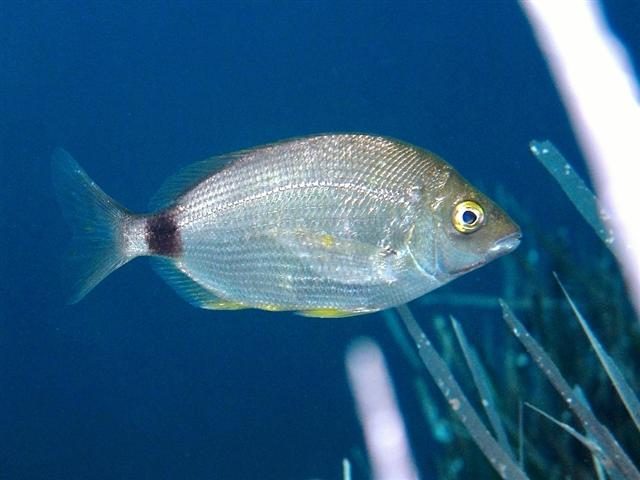
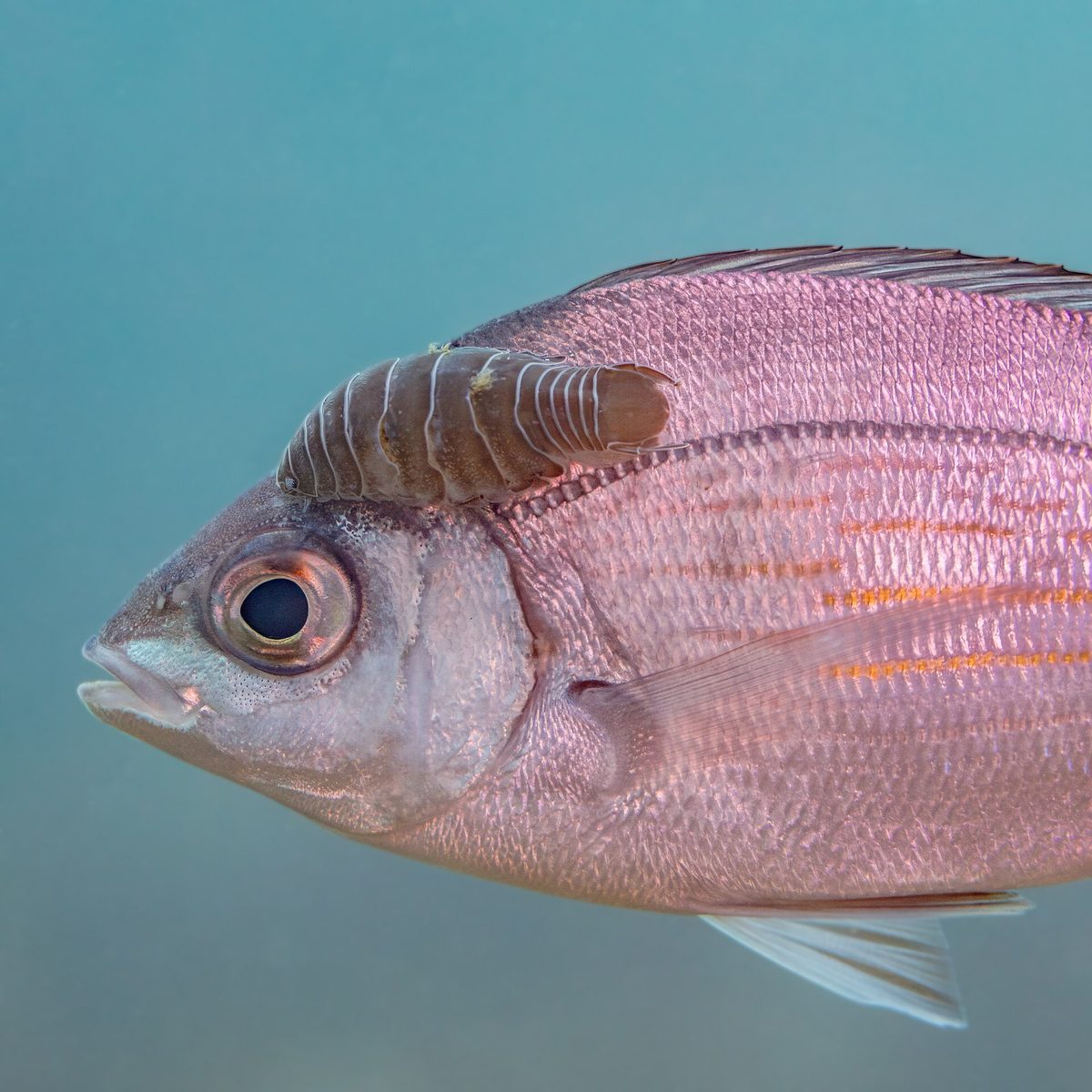
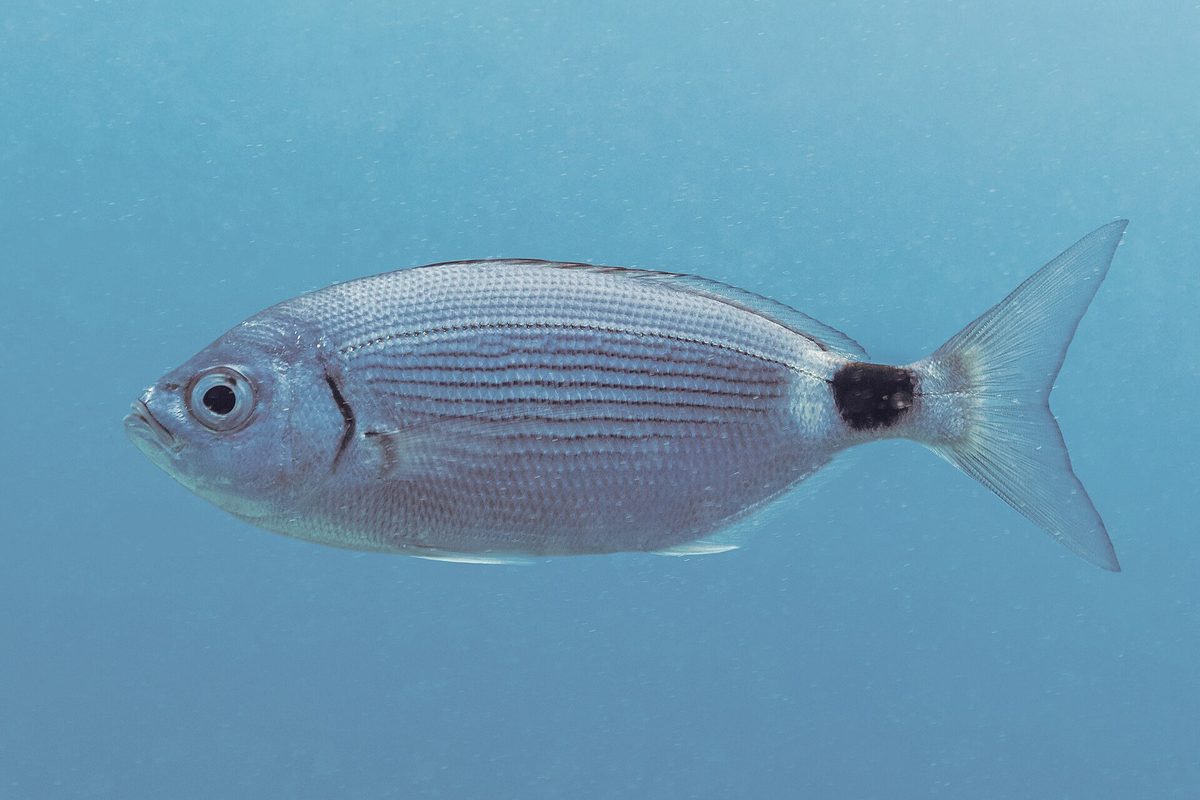
Annular Seabream
Annular Seabream

Diplodus annularis

April - October

Very Common

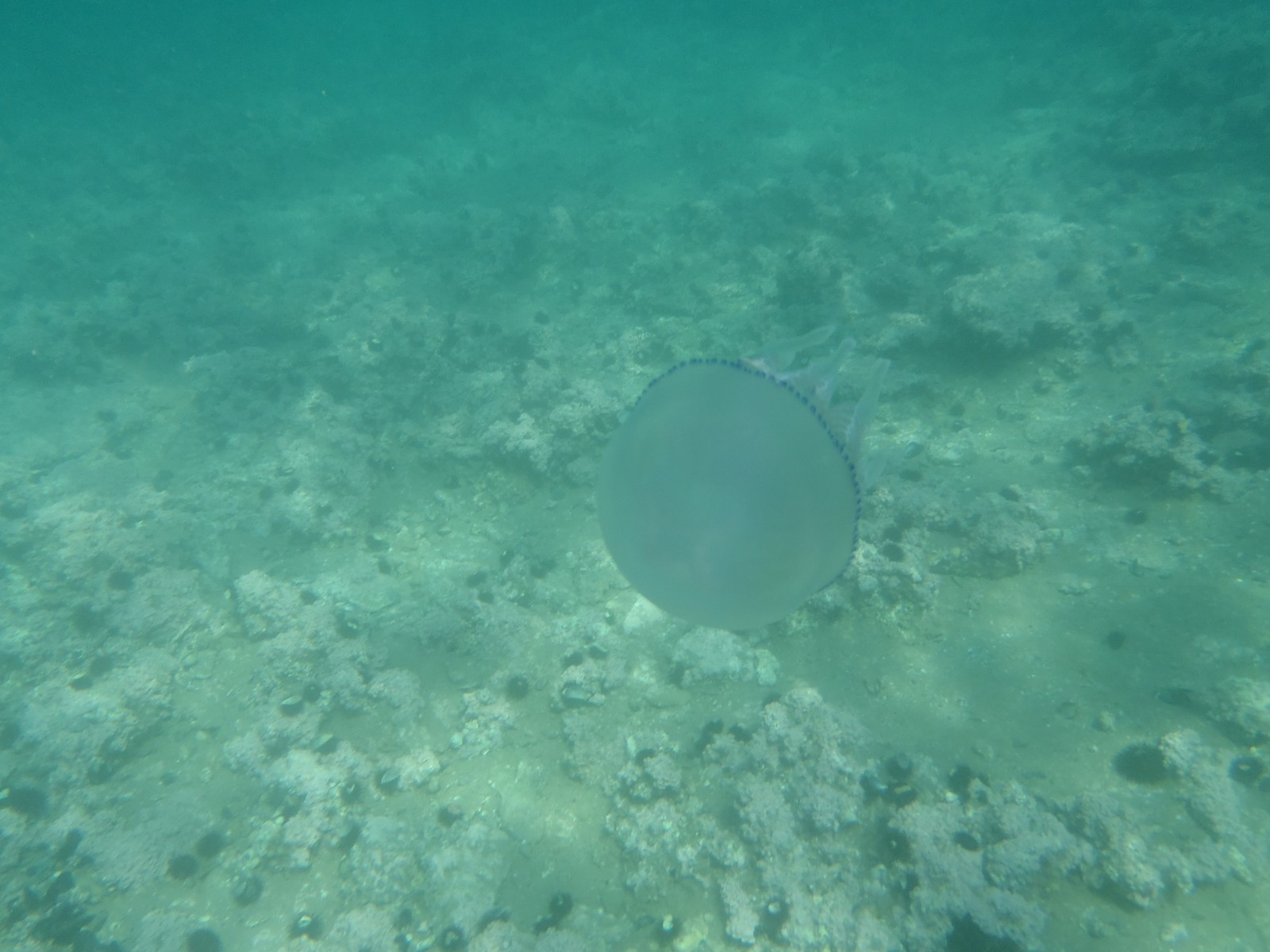
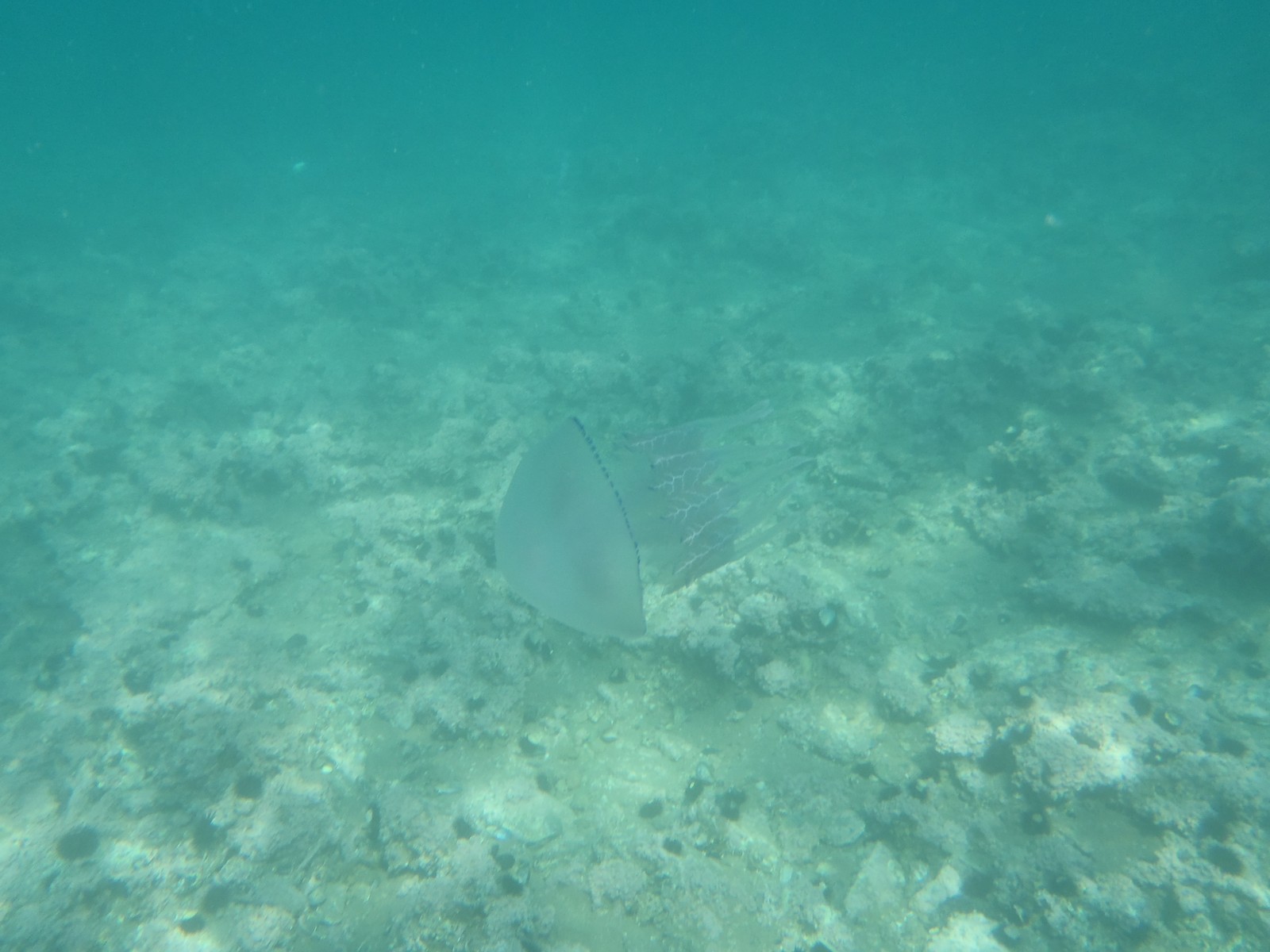
Barrel Jellyfish

Barrel Jellyfish

Rhizostoma pulmo

Also known as: Μέδουσα Βαρέλι

May - October

Common

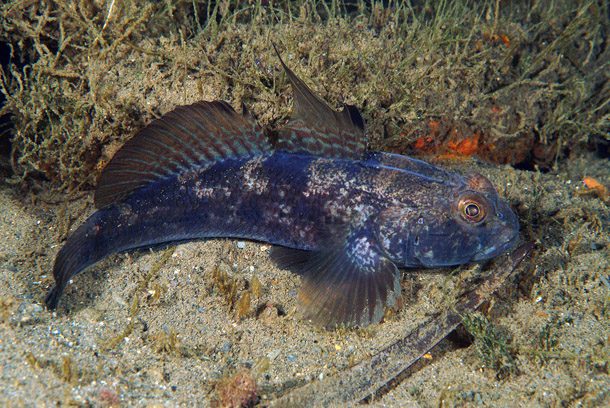
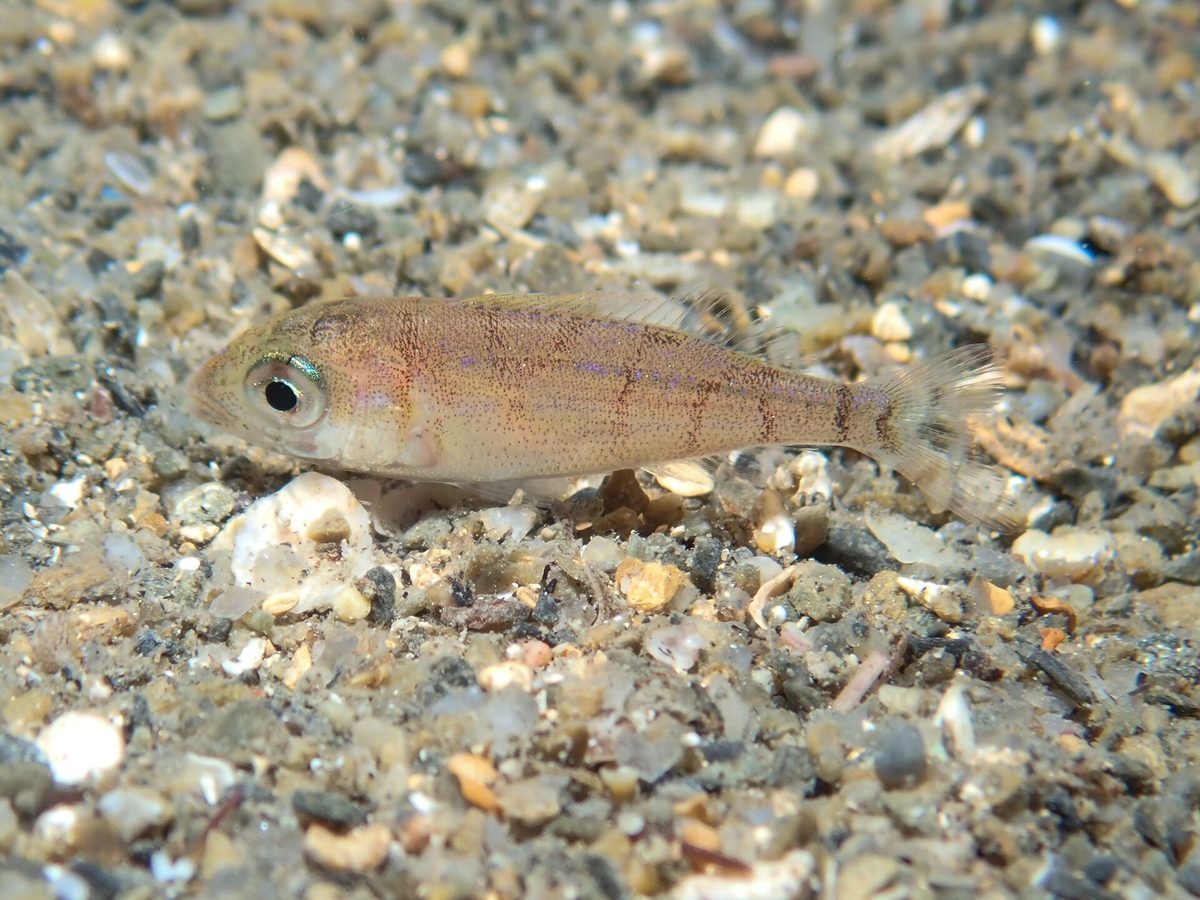
Black Goby

Black Goby

Gobius niger

April - October

Common

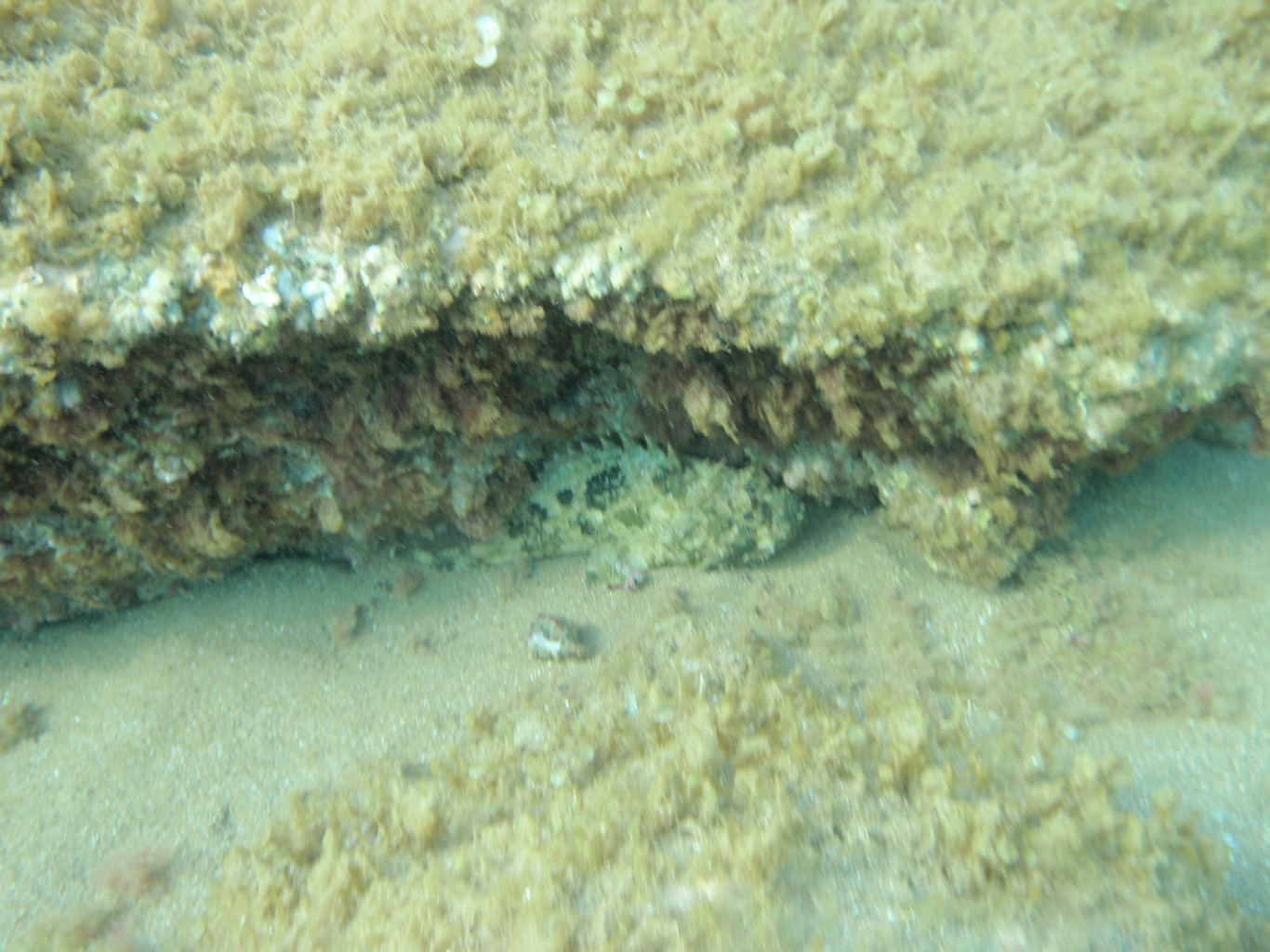
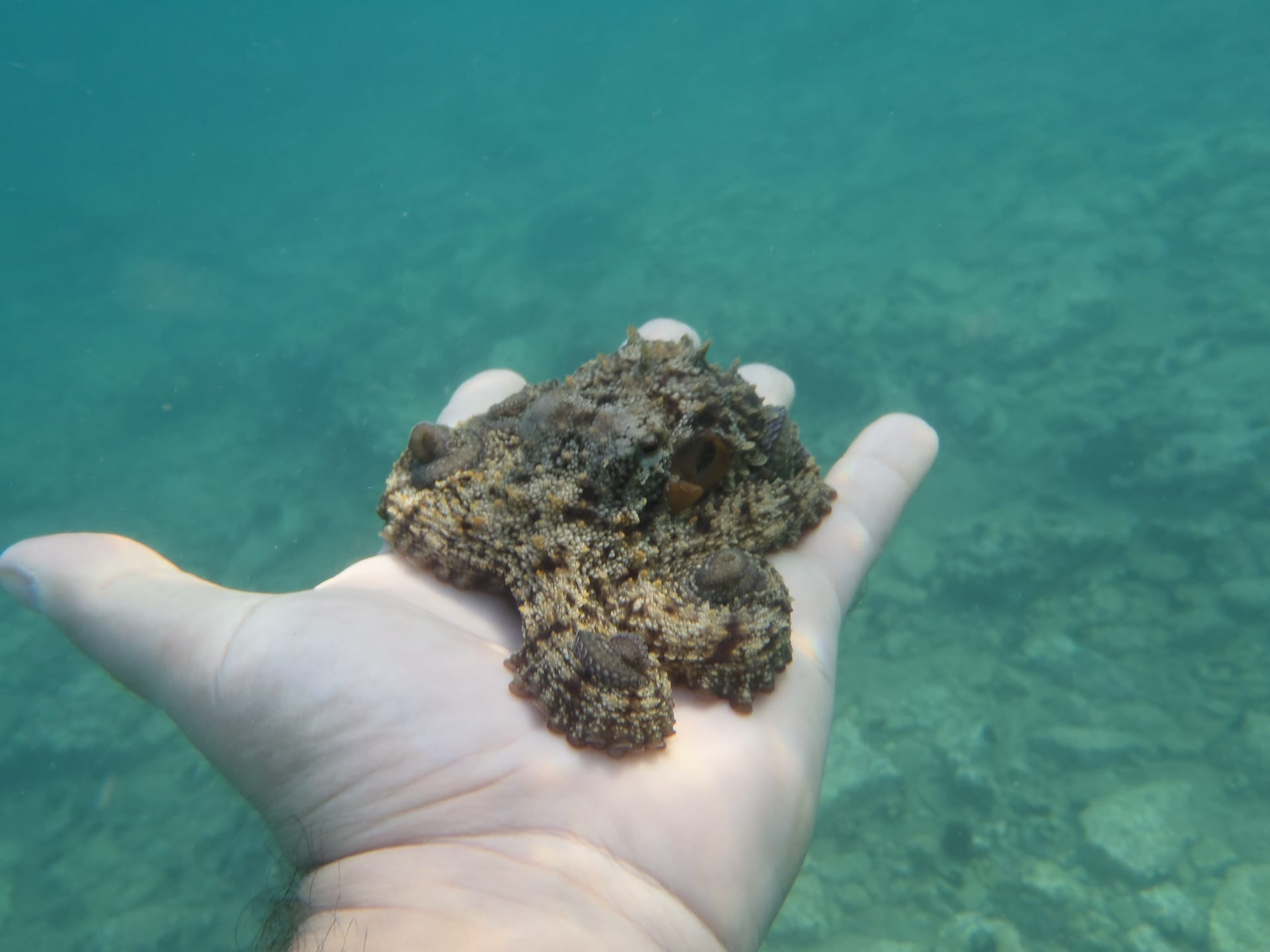
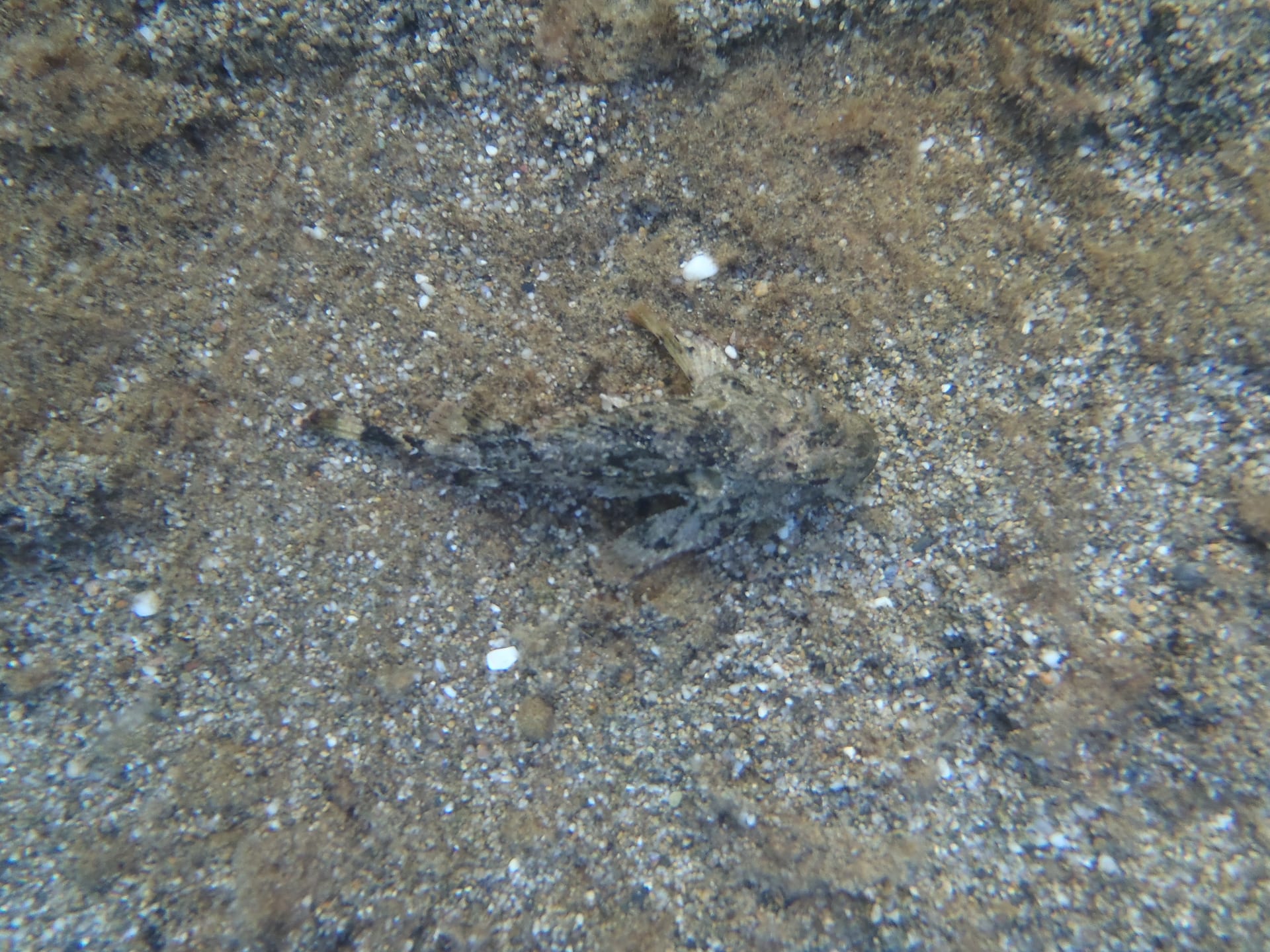
Black Scorpionfish

Black Scorpionfish

Scorpaena porcus

Also known as: Μαύρη Σκορπίνα, Scorpaena, Black Scorpionfish

All year round. In summer they are more in shallow waters.

Very Common

Black Seabream

Black Seabream

Spondyliosoma cantharus

April - October

Common

Bogue

Bogue

Boops boops

May - October

Very Common

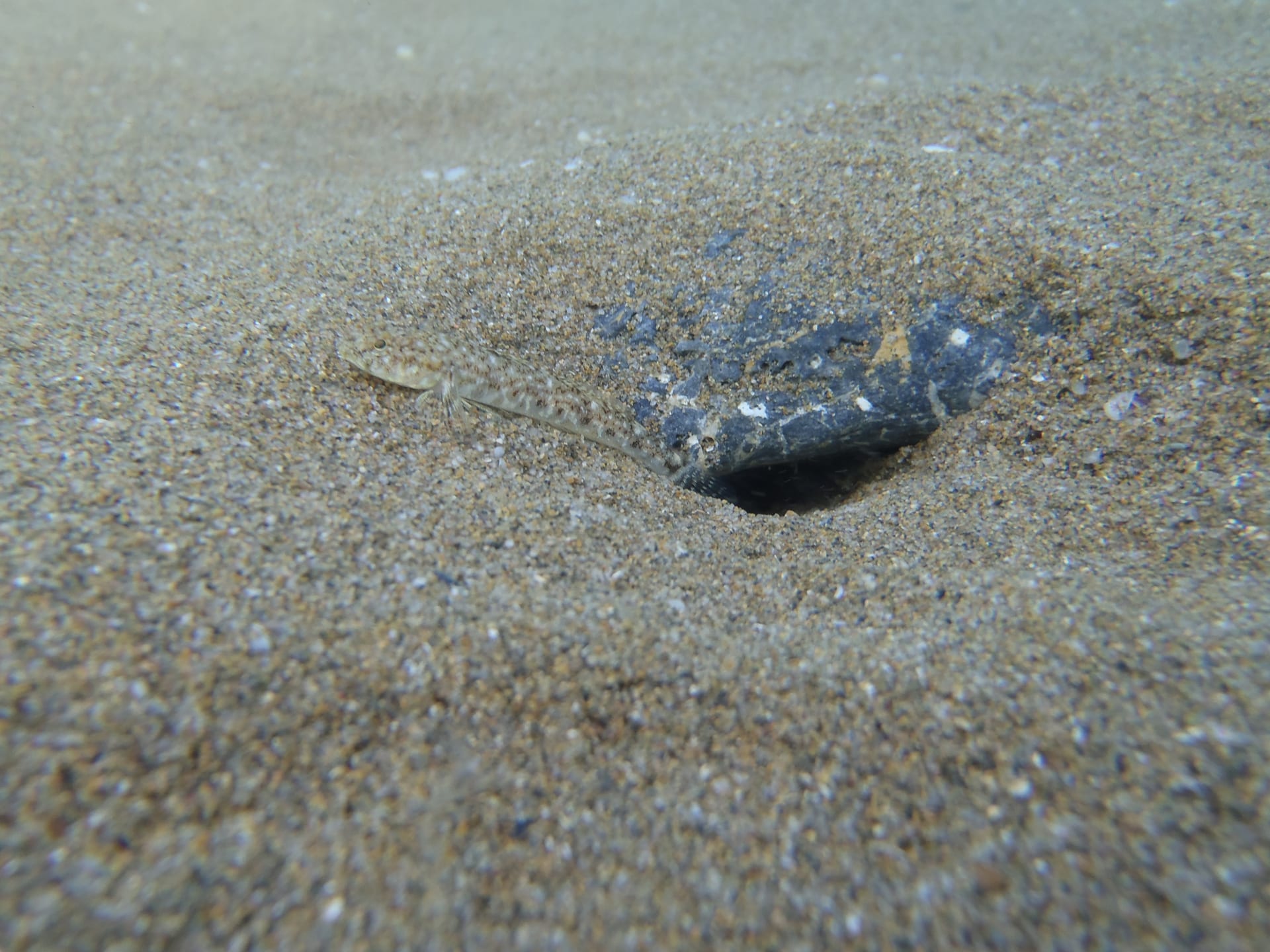
Bucchich's Goby

Bucchich's Goby

Gobius bucchichi

Also known as: Γωβιός, Bucchich's Goby, Γκιόζος

All year round, more active in summer

Very Common

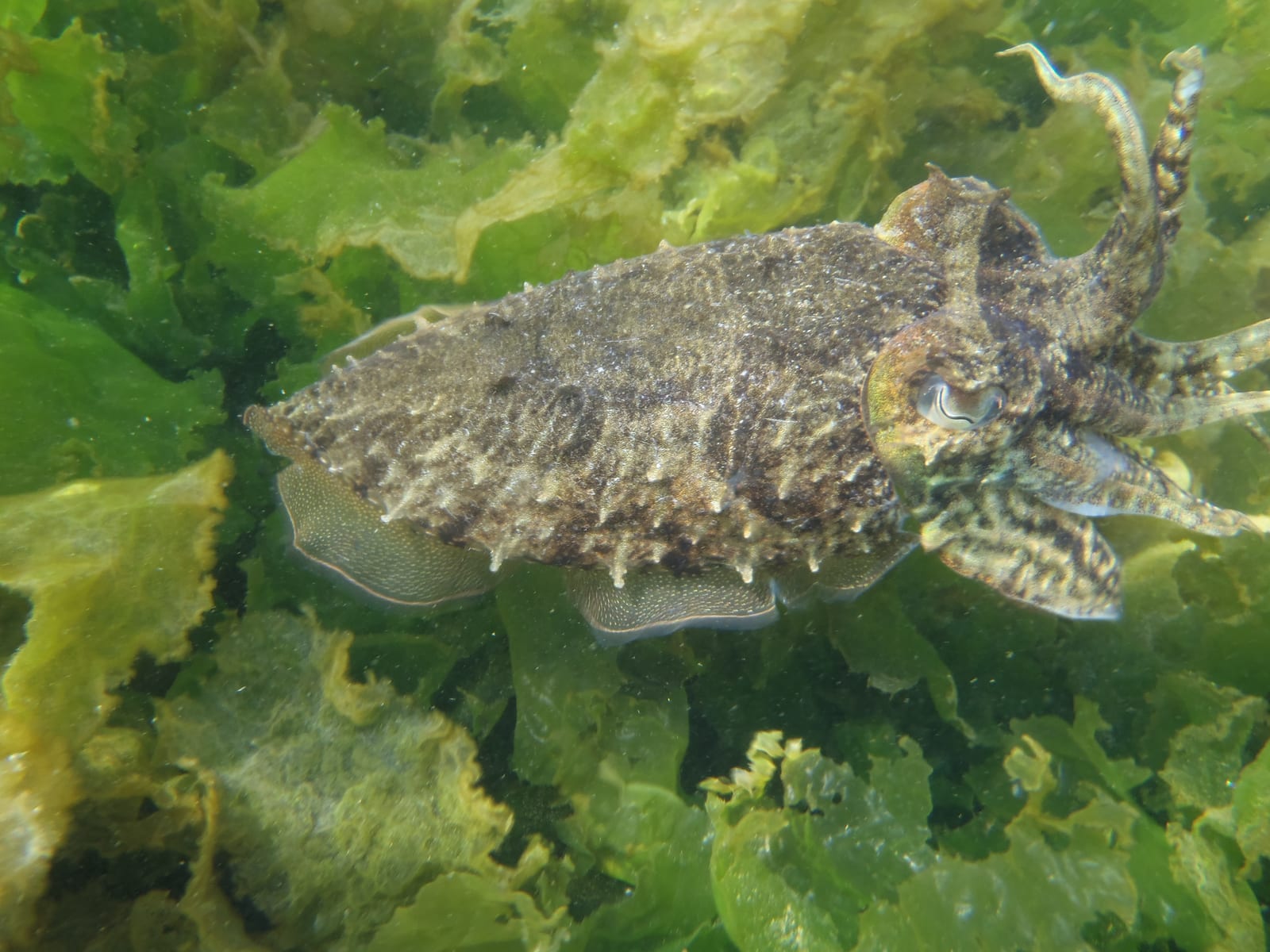
Common Cuttlefish

Common Cuttlefish

Sepia officinalis

March - May

Occasional

Common Octopus

Common Octopus

Octopus vulgaris

Also known as: Οχταπόδι

All year round, easier during the summer months

Common

Common Pandora

Common Pandora

Pagellus erythrinus

May - October

Occasional

Common Sole

Common Sole

Solea solea

April - November

Occasional

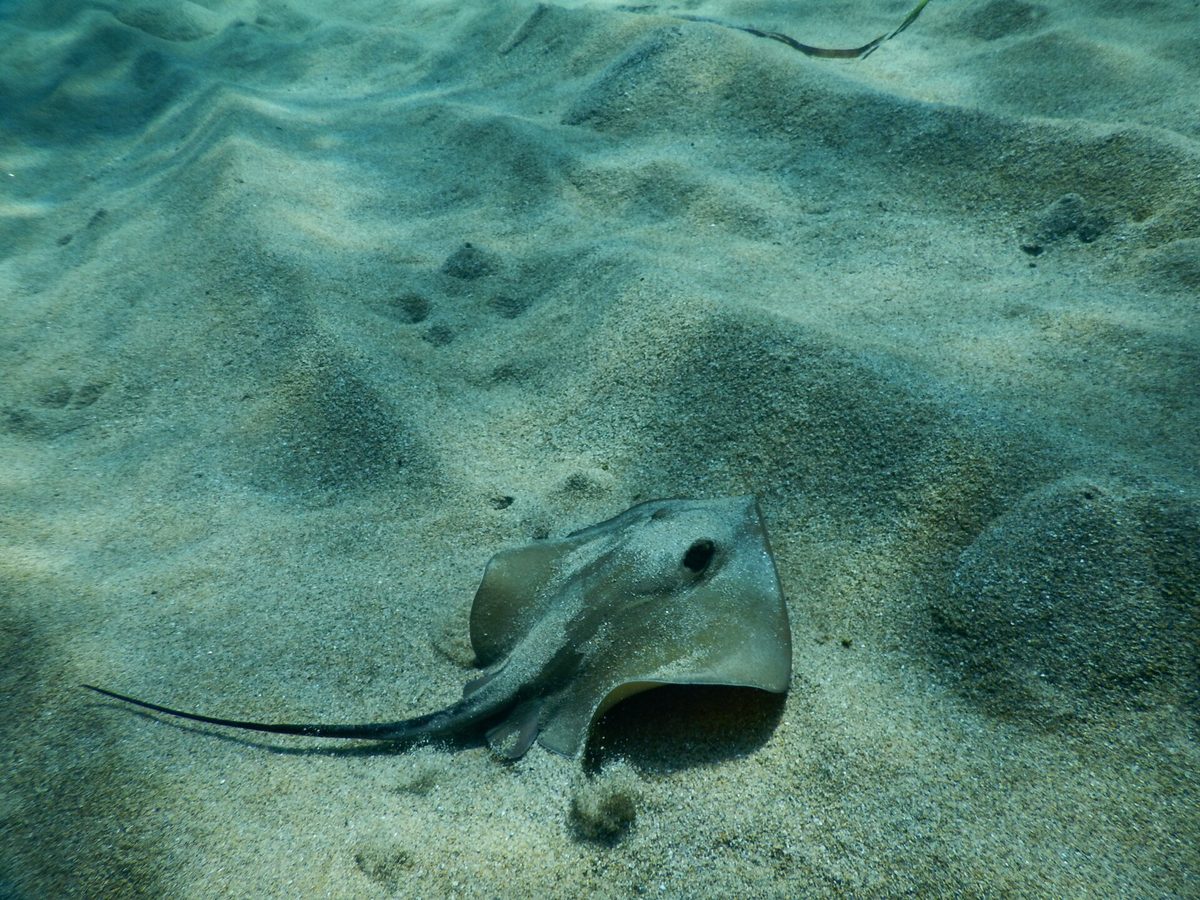
Common Stingray

Common Stingray

Dasyatis pastinaca

May - October

Rare

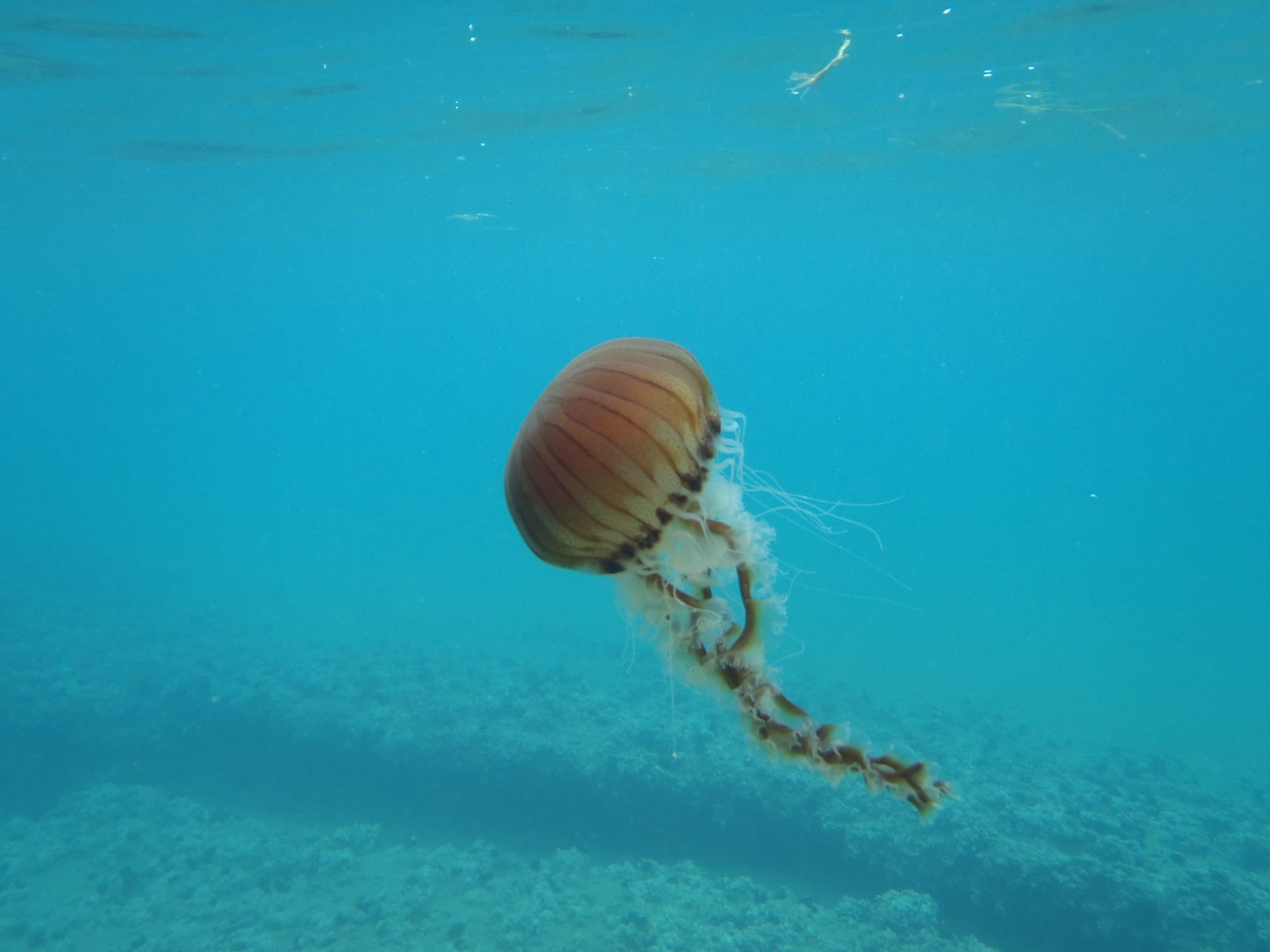
Compass Jellyfish

Compass Jellyfish

Chrysaora hysoscella

April - September

Occasional

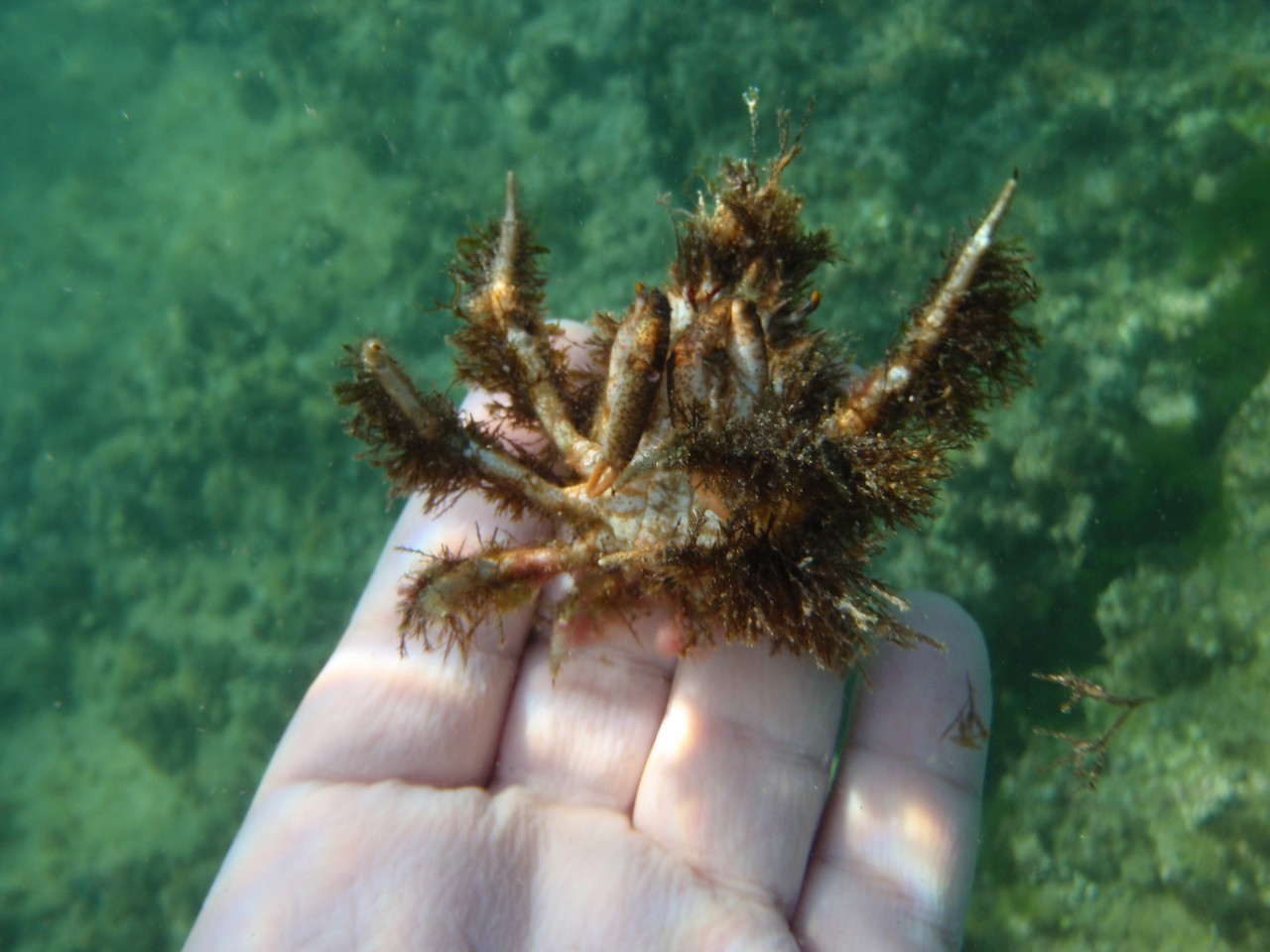
Decorator Crab

Decorator Crab

Maja crispata

May - September

Occasional

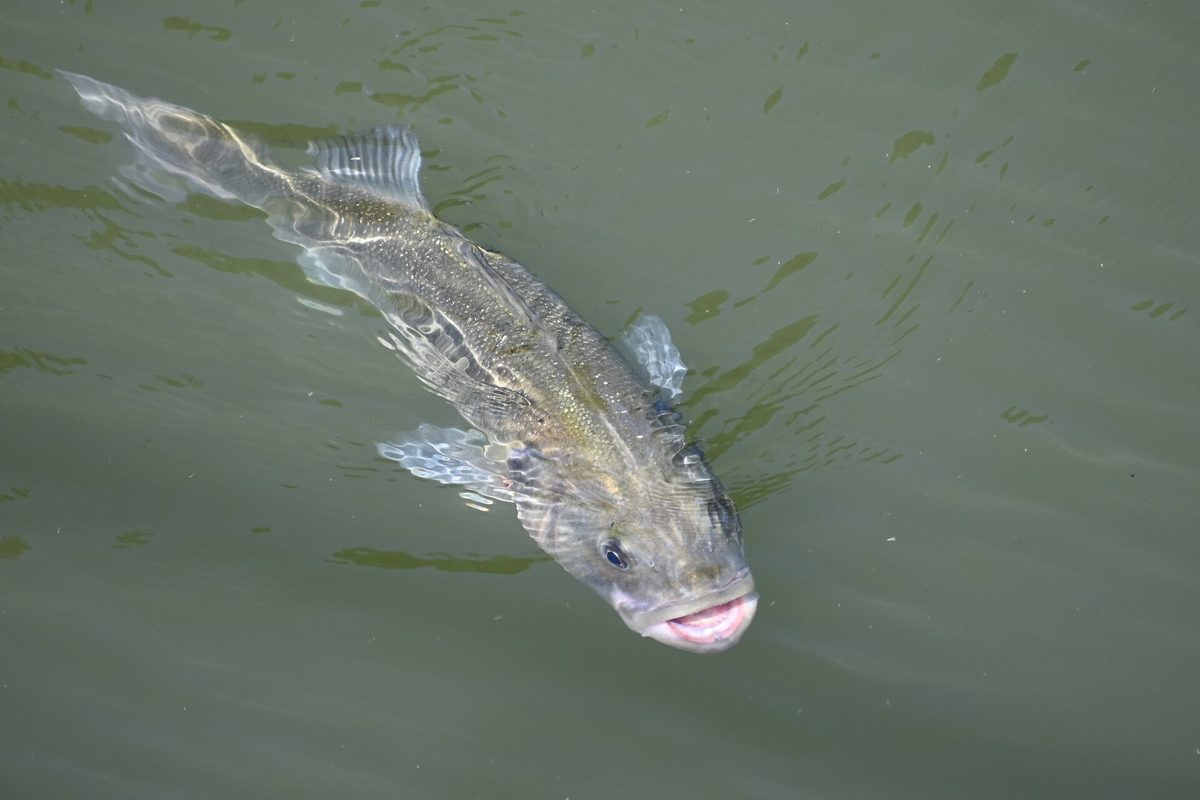
European Seabass

European Seabass

Dicentrarchus labrax

May - November

Occasional

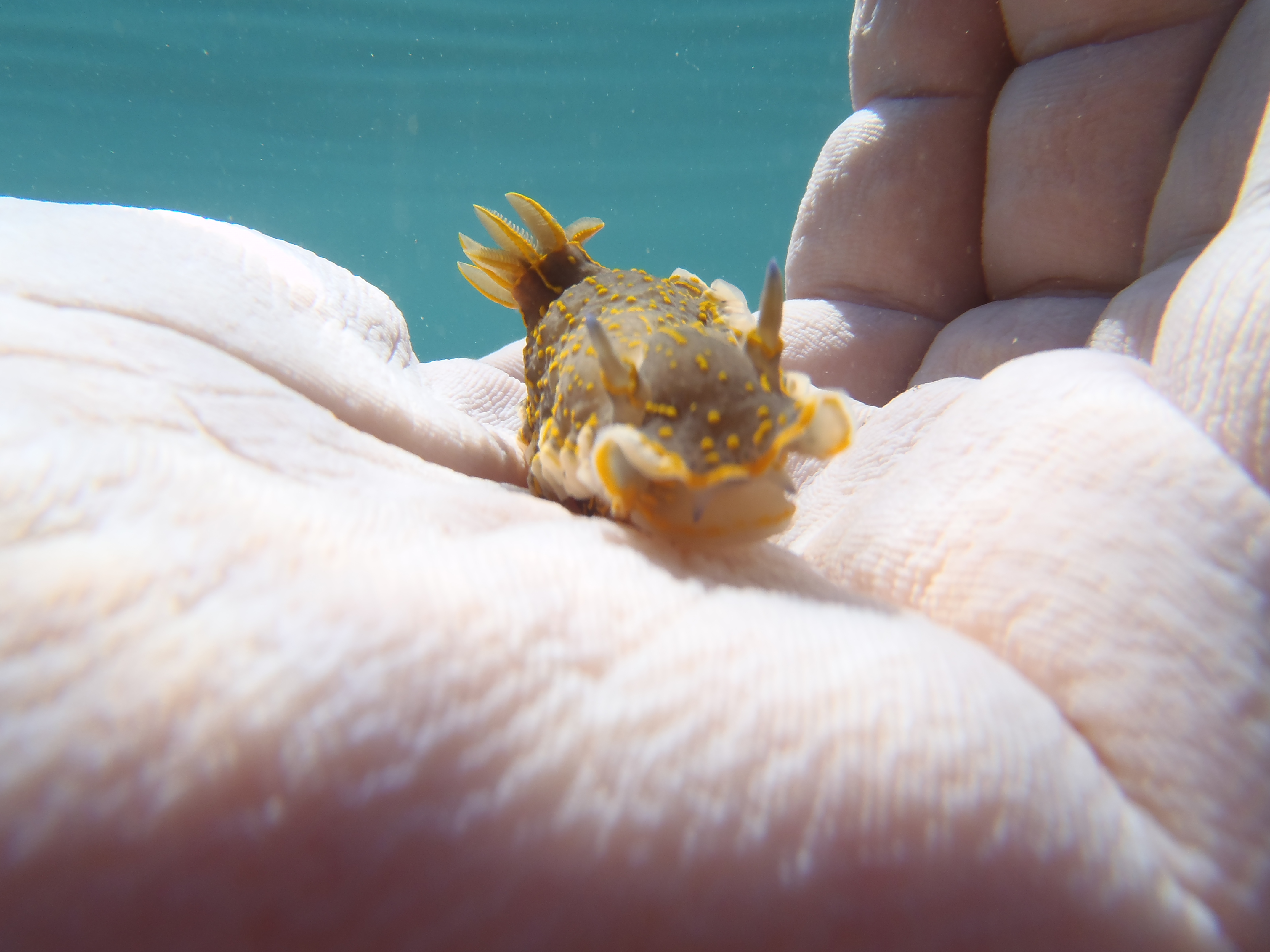
Felimare picta (Regal Sea Goddess)

Felimare picta (Regal Sea Goddess)

Felimare picta

Also known as: Regal Sea Goddess

Rare

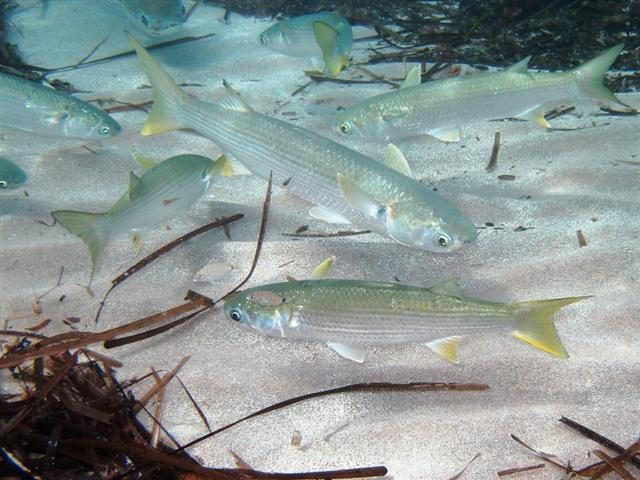
Flathead Grey Mullet

Flathead Grey Mullet

Mugil cephalus

All year round

Very Common

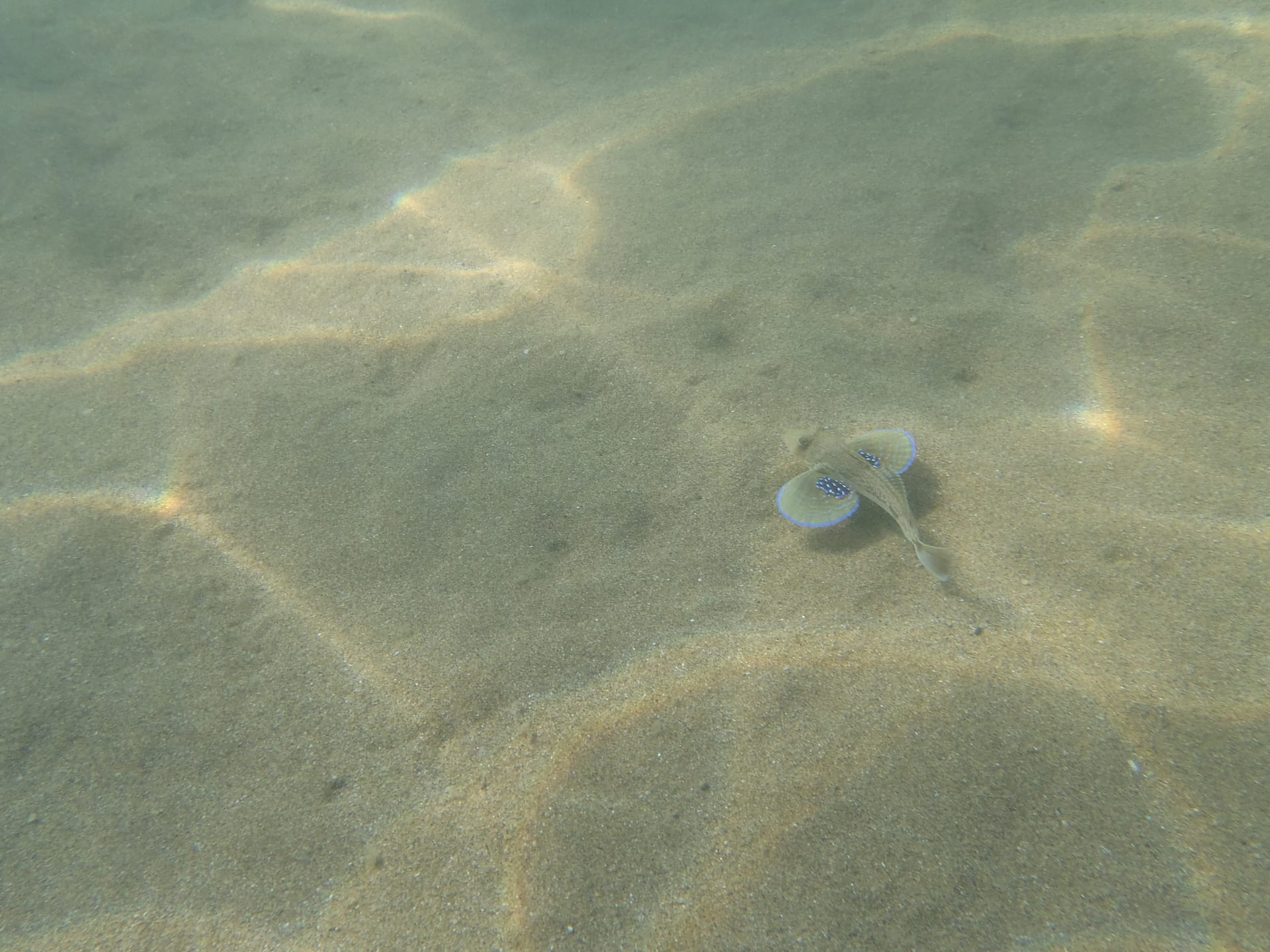
Flying Gurnard

Flying Gurnard

Dactylopterus volitans

Also known as: Καπόνι, Χελιδόνα, Flying Gurnard

May - October, peak July-August

Common

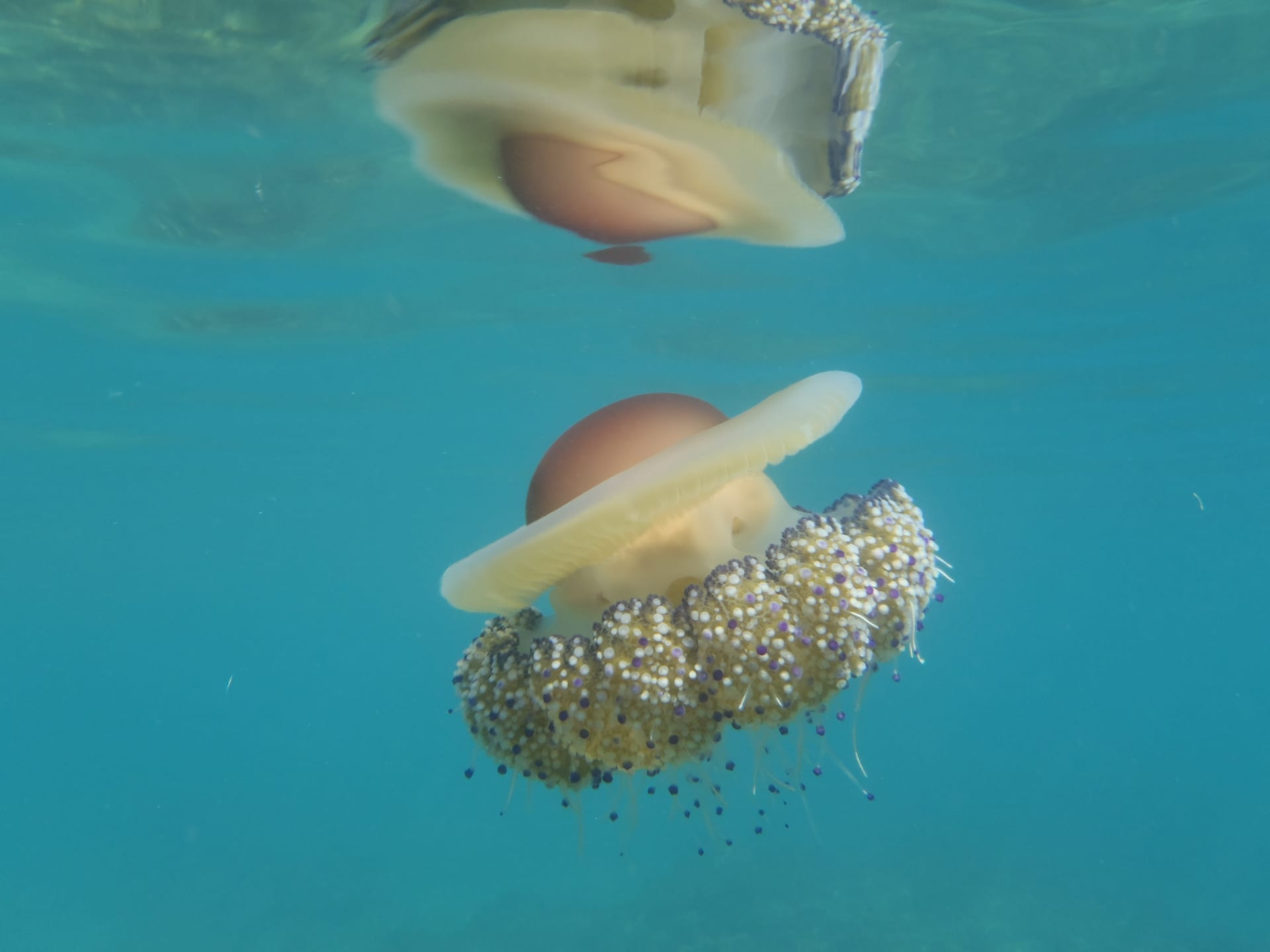
Fried Egg Jellyfish

Fried Egg Jellyfish

Cotylorhiza tuberculata

Also known as: Τηγανητό Αυγό, Μεσογειακή Μέδουσα

June - October

Very Common

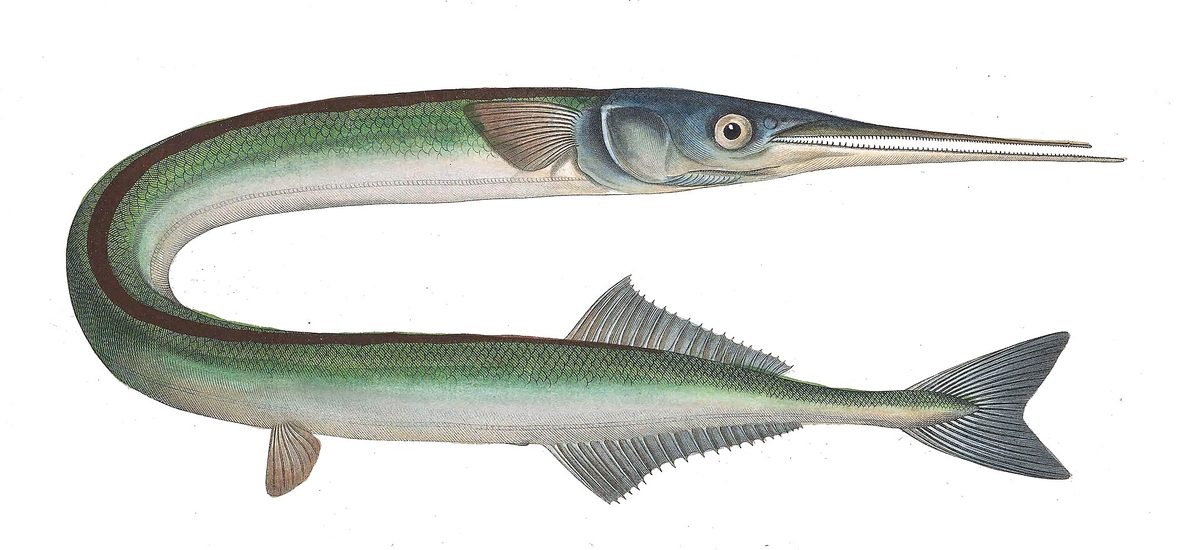
Garfish

Garfish

Belone belone

May - September

Common

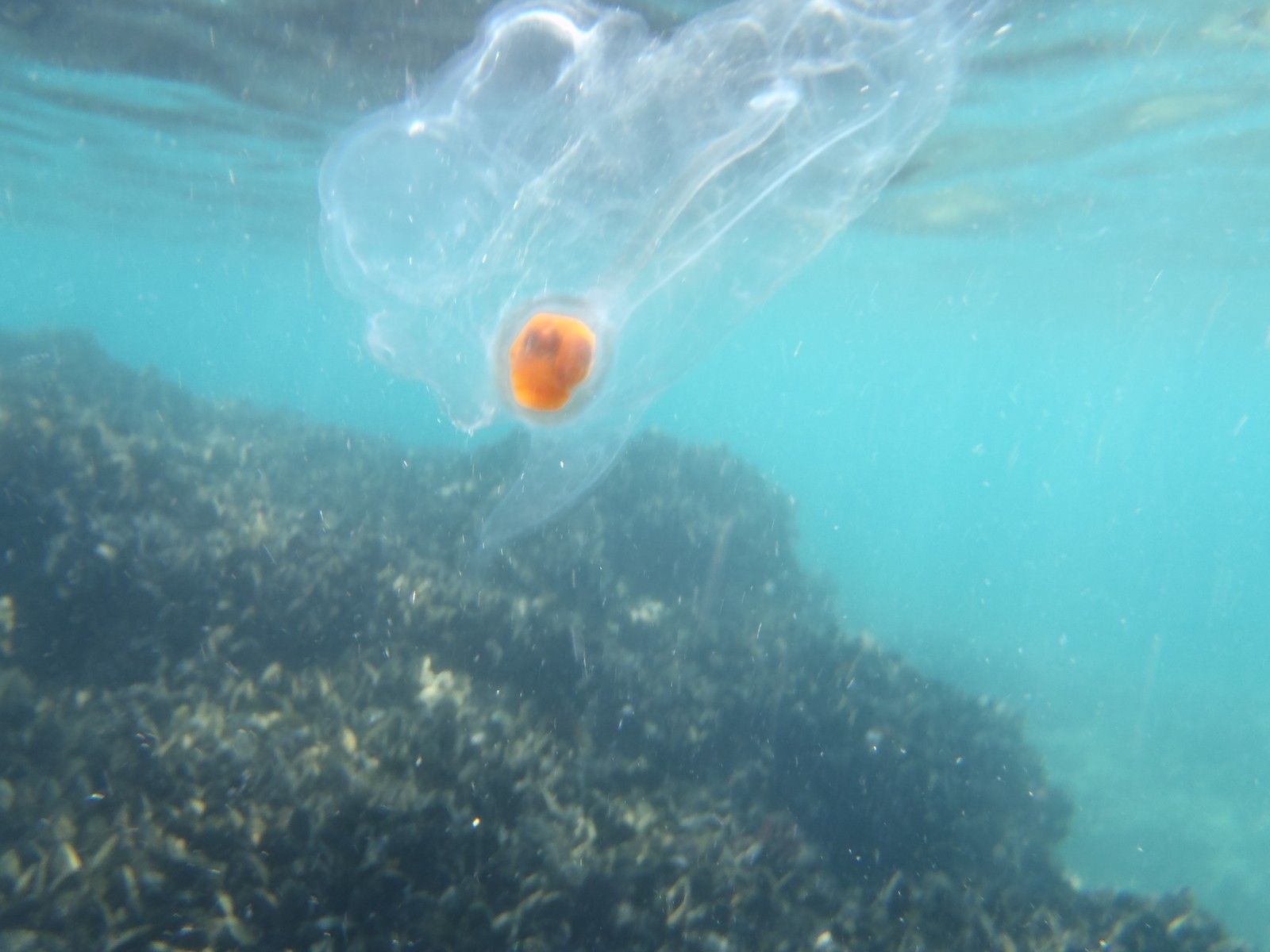
Giant Salp

Giant Salp

Salpa maxima

Also known as: Πελαγικό Χορδωτό

March - August

Rare

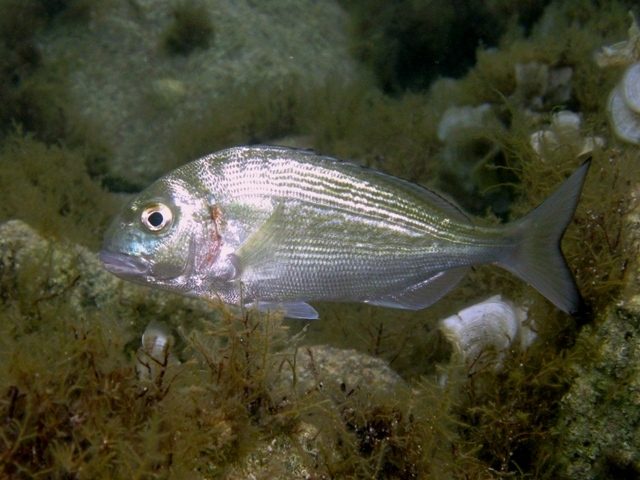
Gilthead Seabream

Gilthead Seabream

Sparus aurata

April - October

Very Common

Greater Amberjack

Greater Amberjack

Seriola dumerili

Also known as: Τούνα (καταχρηστικά), Ricciola, Lecha

July - September (juveniles in shallow waters)

Common

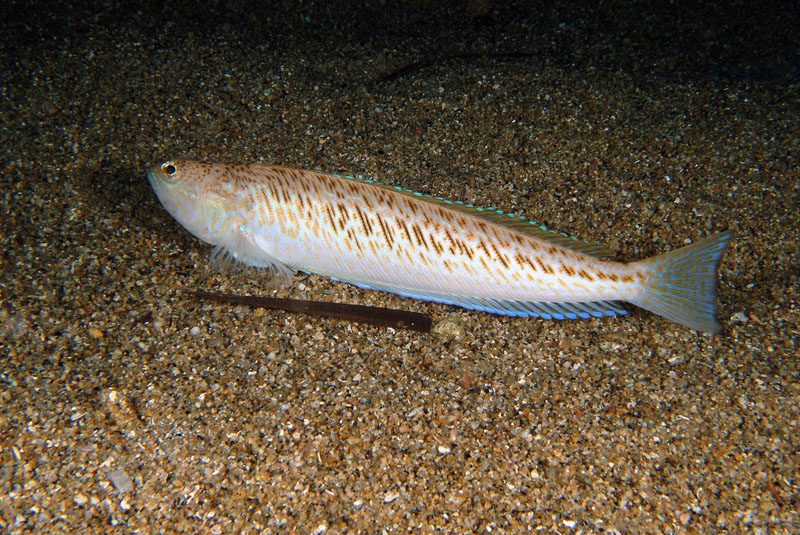
Greater Weever

Greater Weever

Trachinus draco

May - September

Common

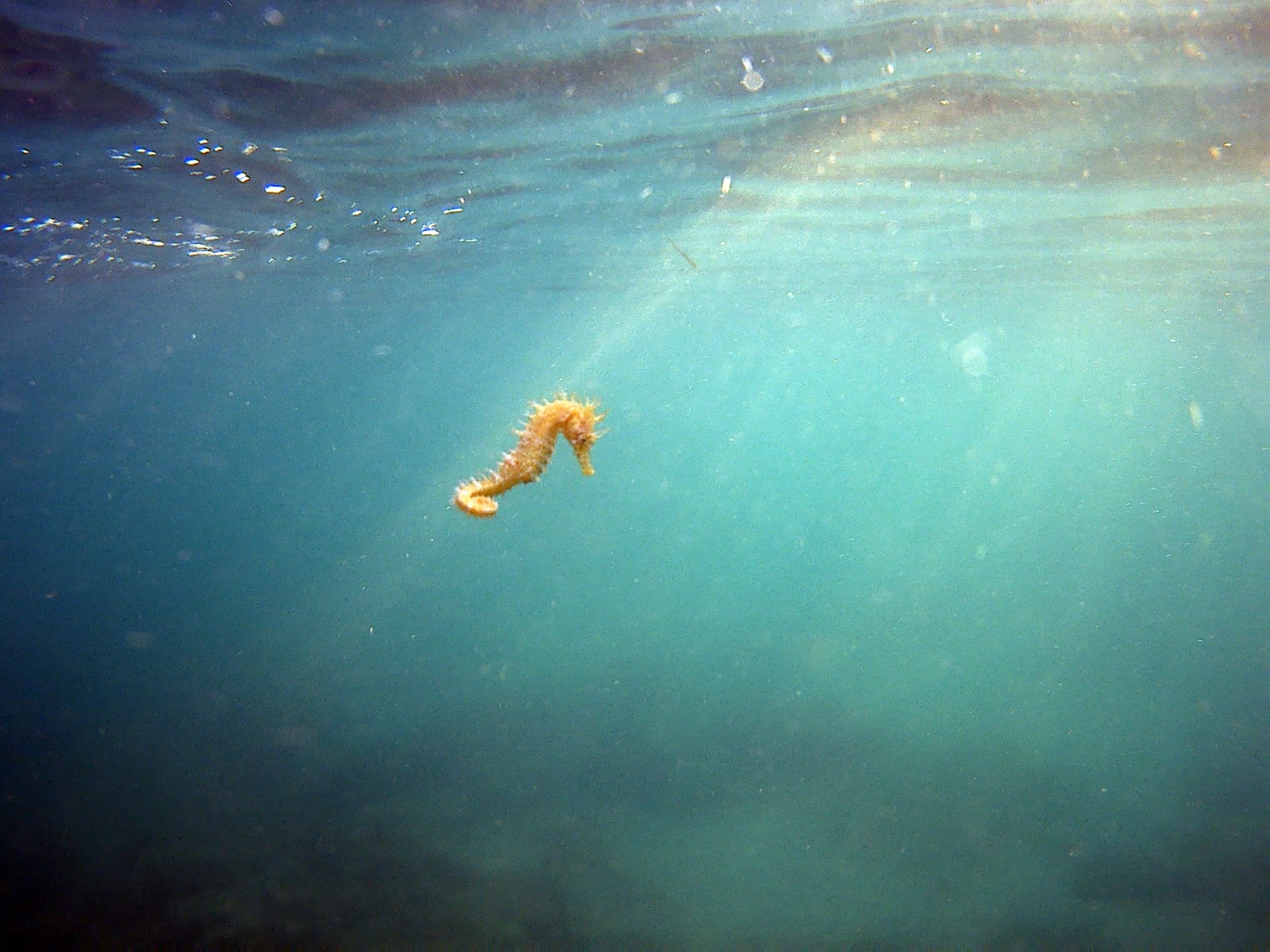
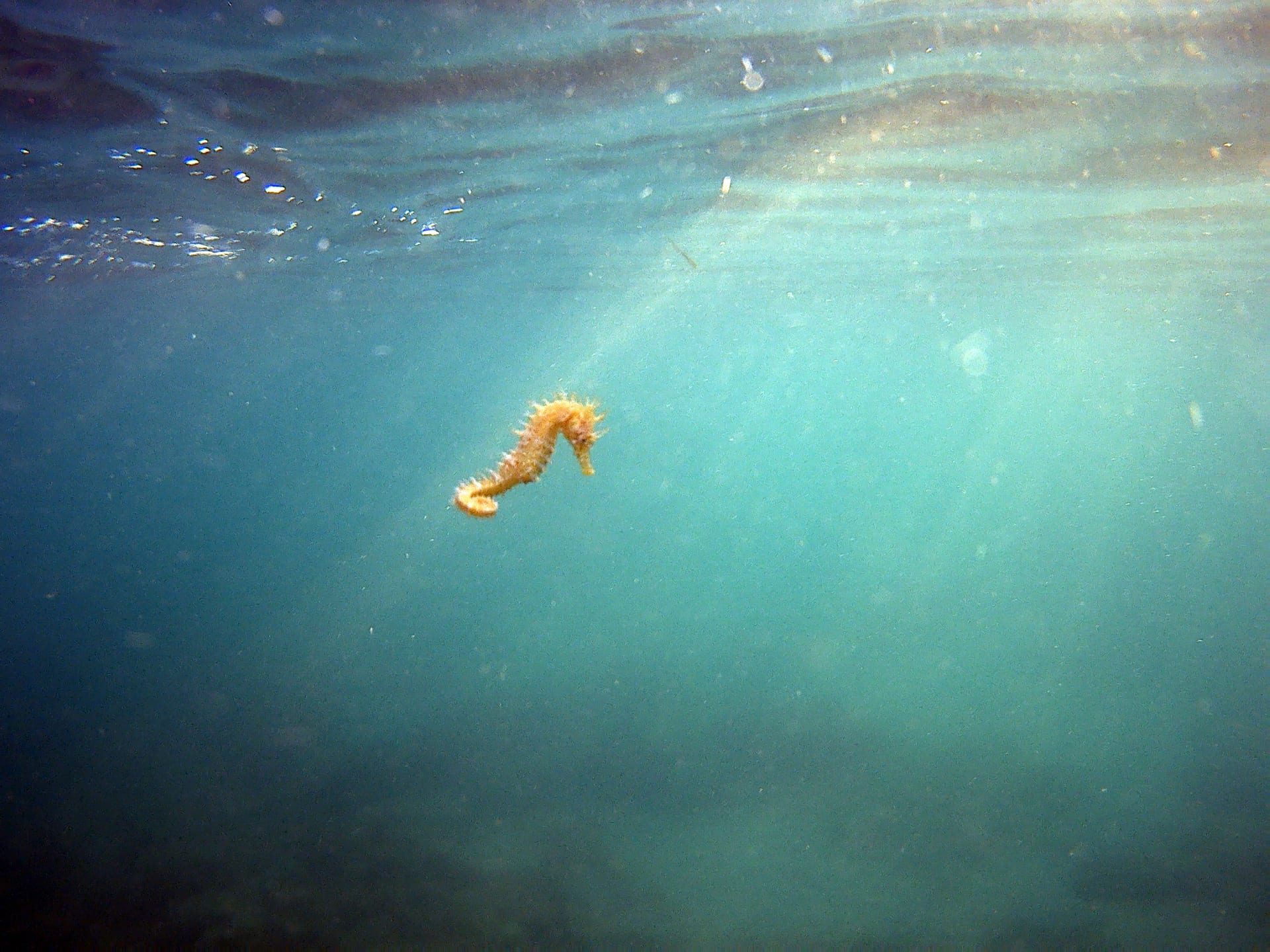
Long-snouted Seahorse

Long-snouted Seahorse

Hippocampus guttulatus

Spring - Autumn

Rare

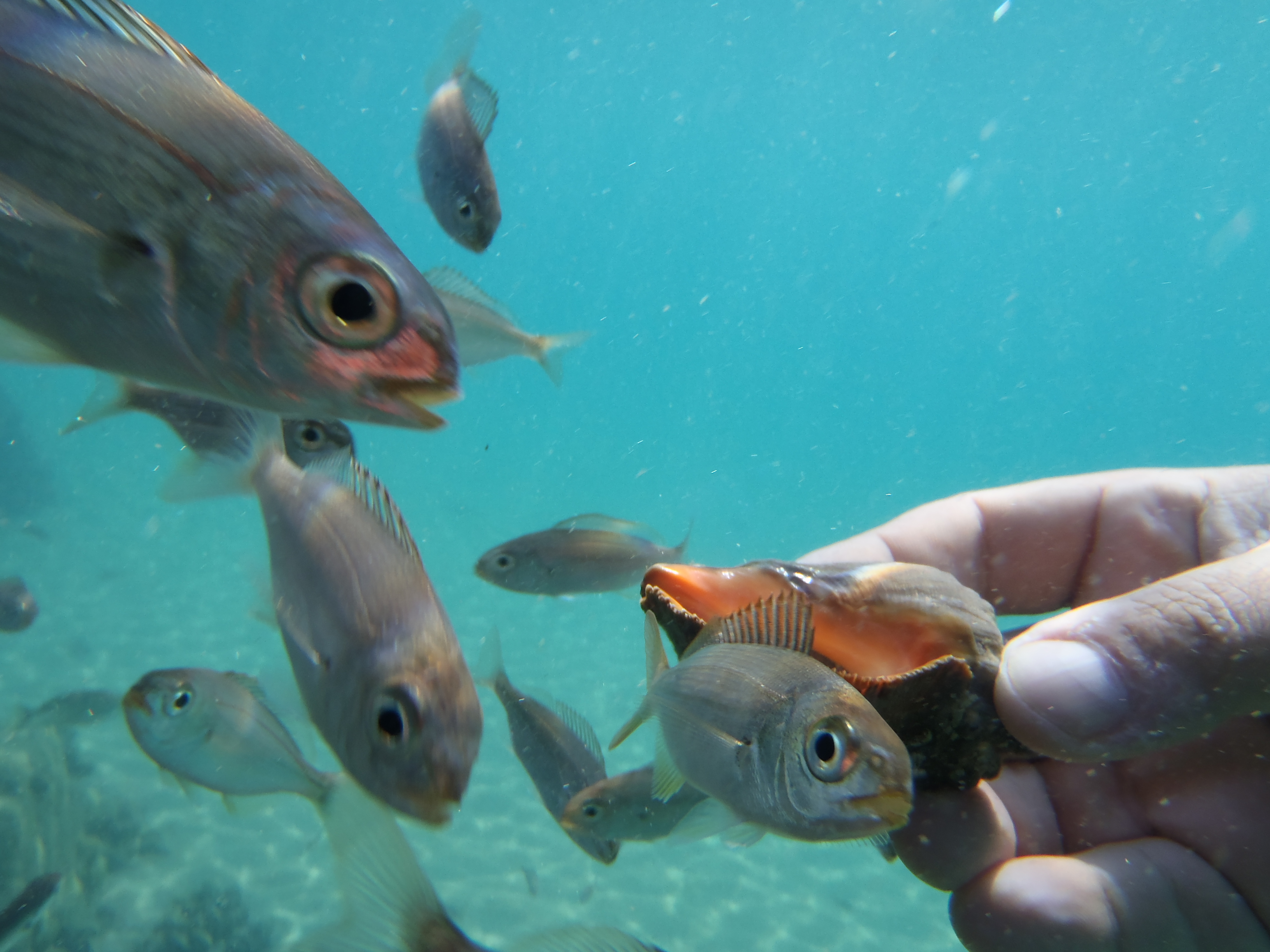
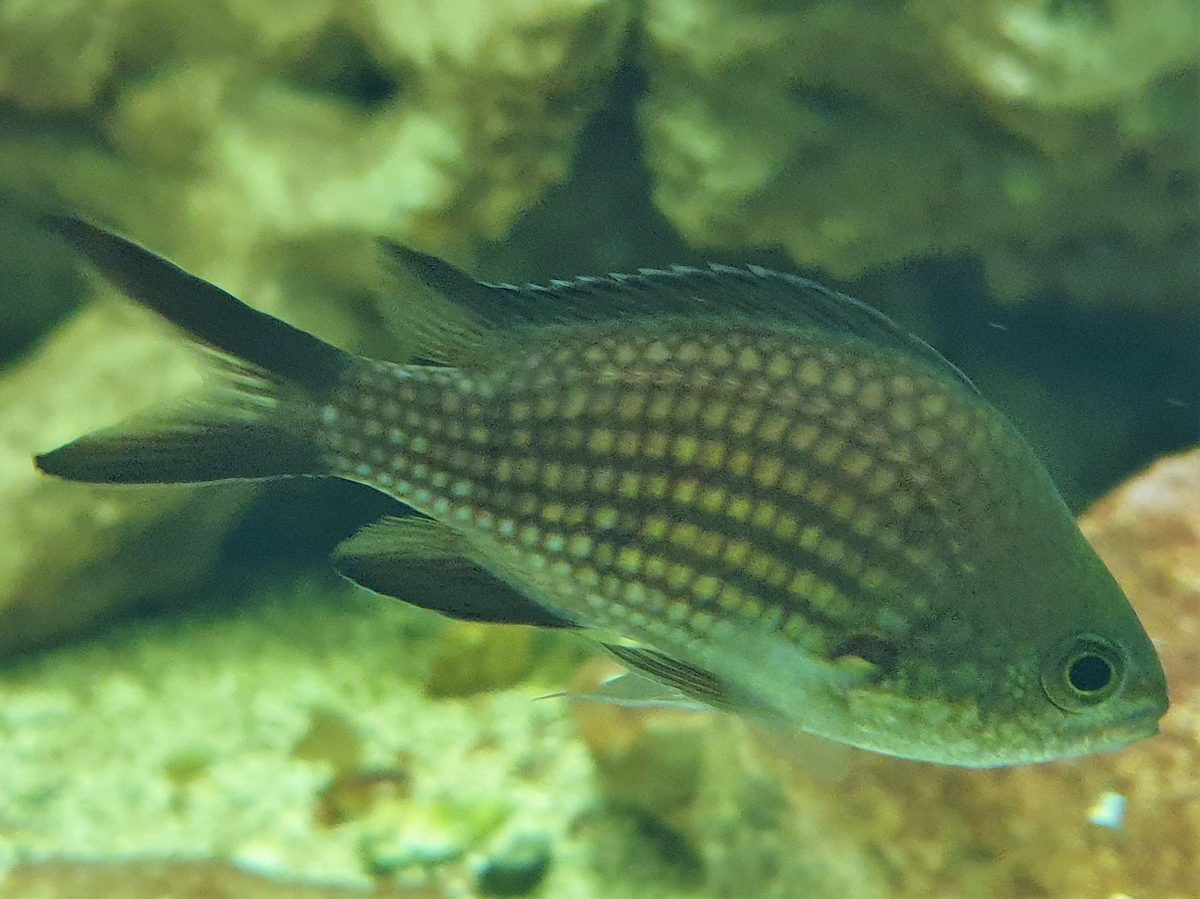
Mediterranean Damselfish

Mediterranean Damselfish

Chromis chromis

Also known as: Καλογρίτσα, Καλογριά, Παπαδιά

May - October

Very Common

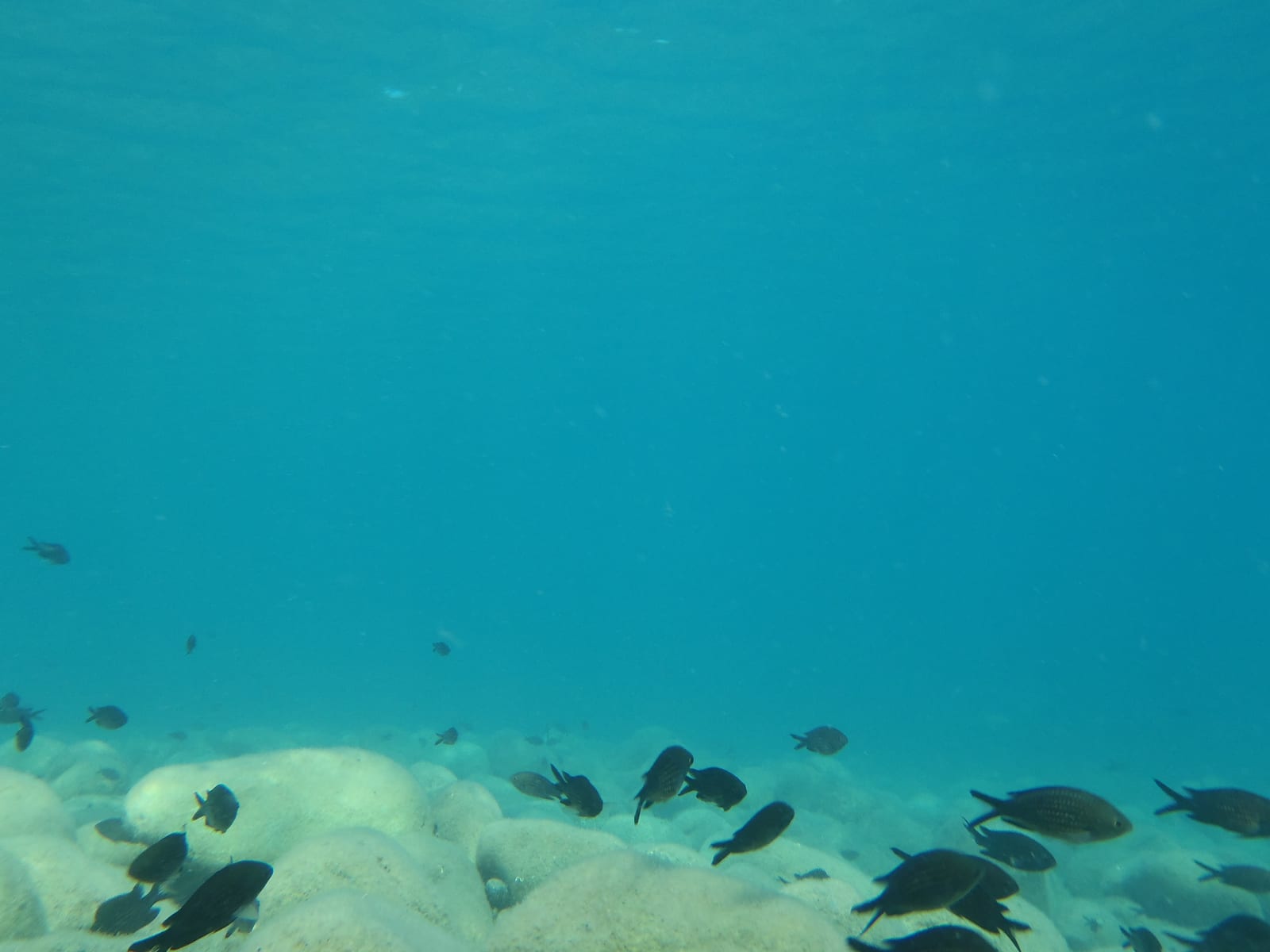
Mediterranean Damselfish

Mediterranean Damselfish

Chromis chromis

Also known as: Καλογριά, Καλογρίτσα

All year round

Very Common

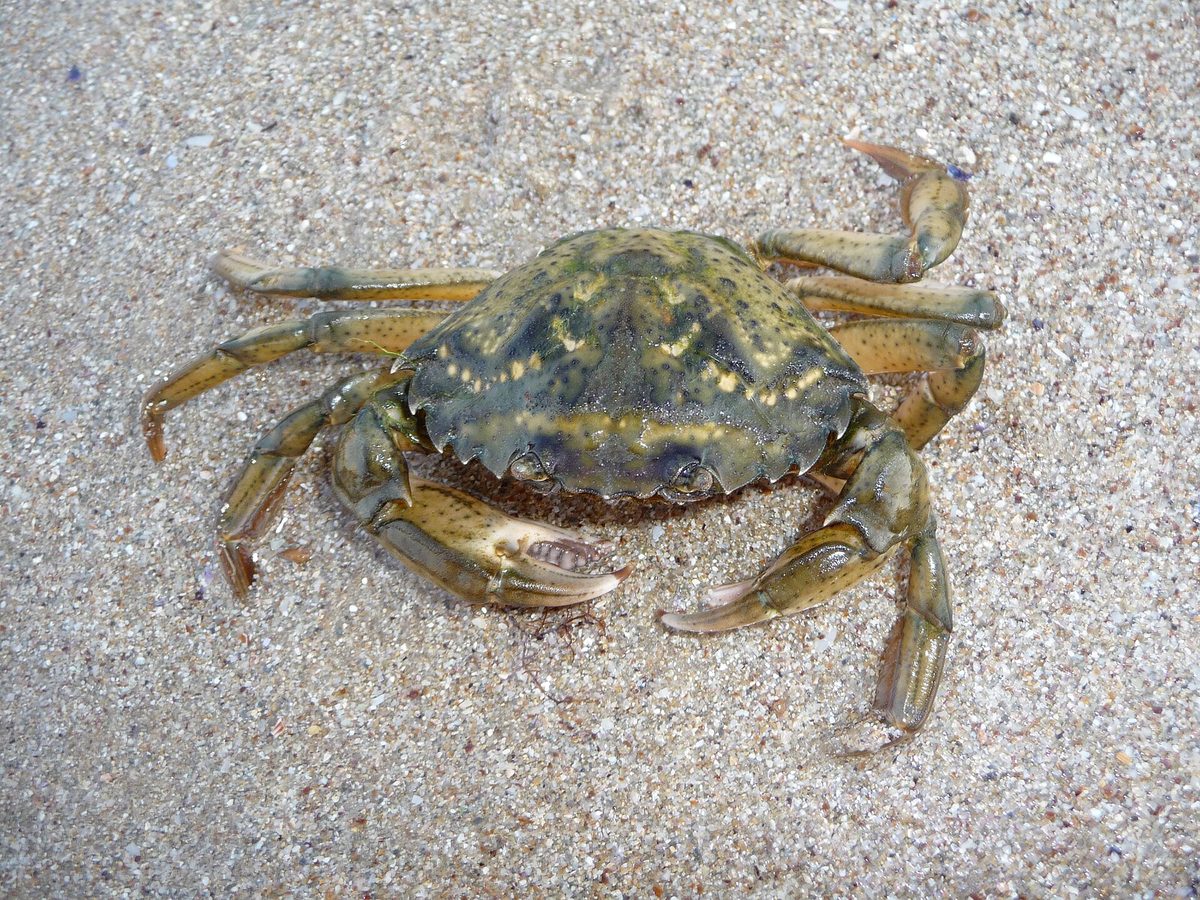
Mediterranean Green Crab

Mediterranean Green Crab

Carcinus aestuarii

April - October

Very Common

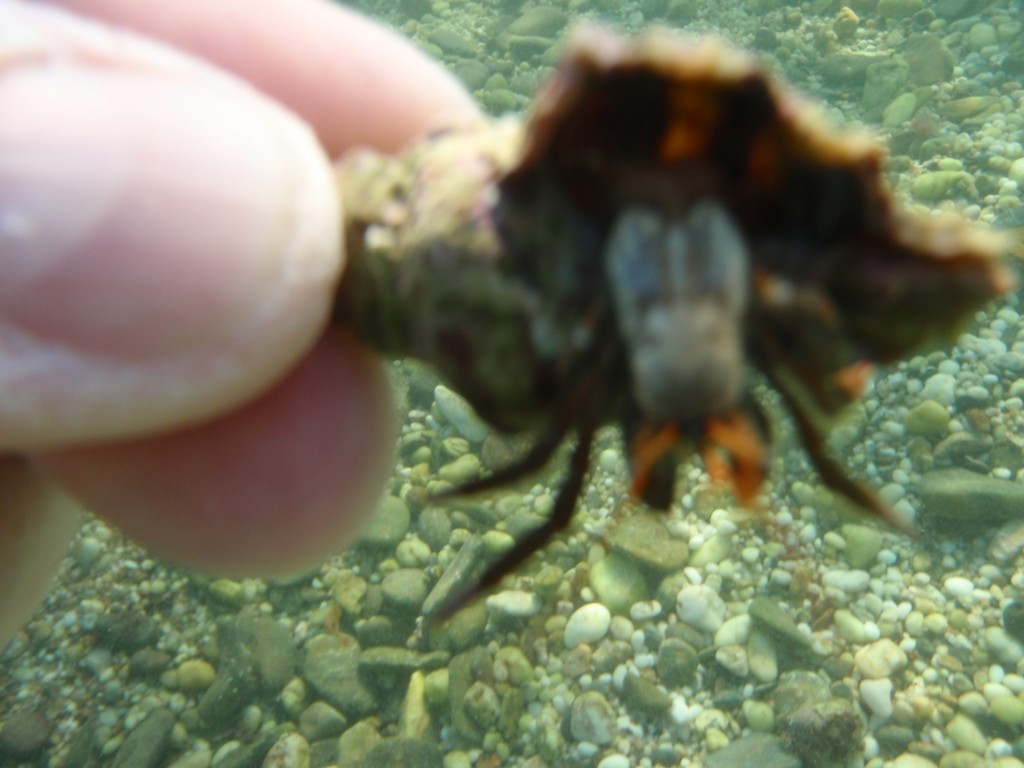
Mediterranean Hermit Crab

Mediterranean Hermit Crab

Clibanarius erythropus

Also known as: Κλειτσινάρι, Παγούρι

April - October

Very Common

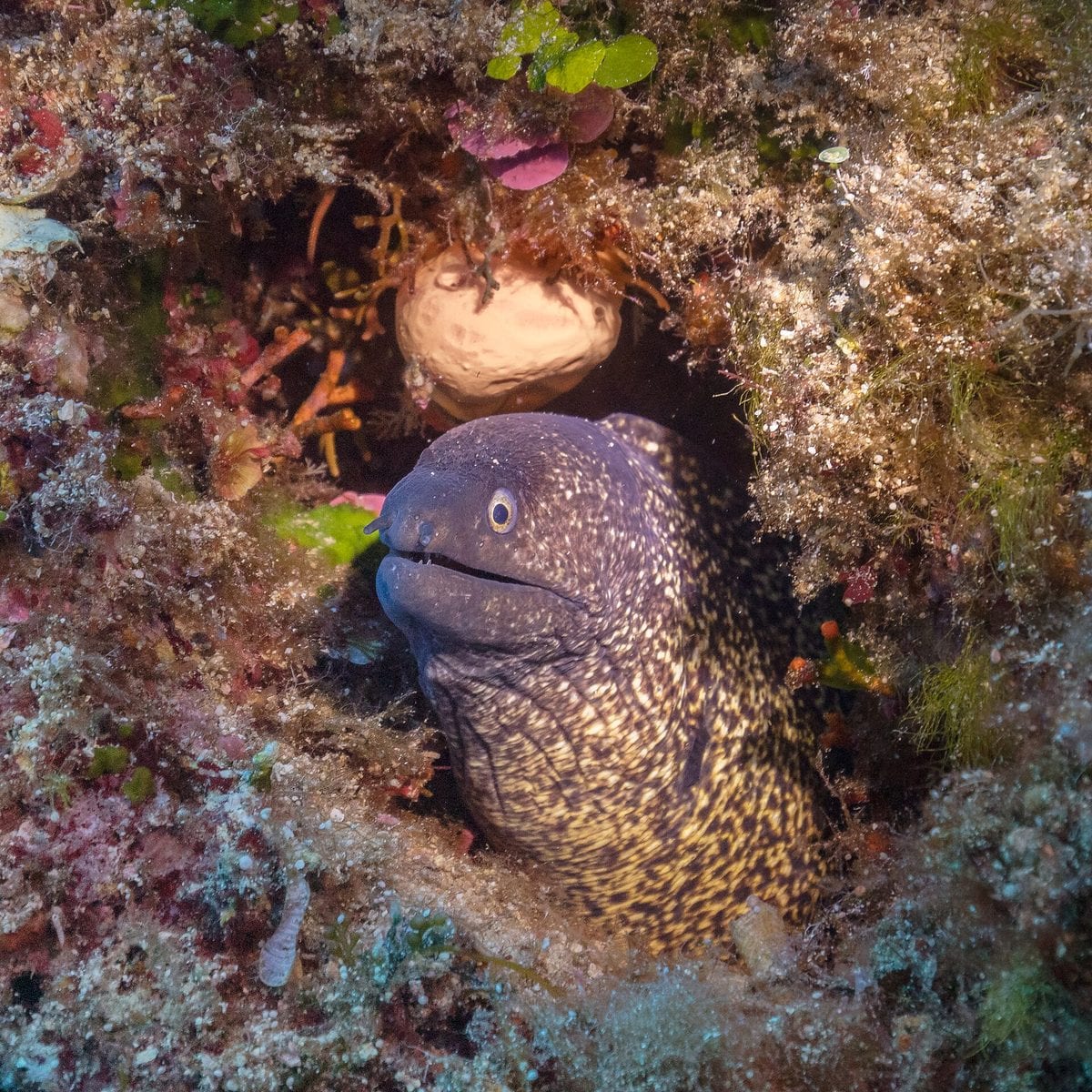
Mediterranean Moray Eel

Mediterranean Moray Eel

Muraena helena

All year round

Occasional

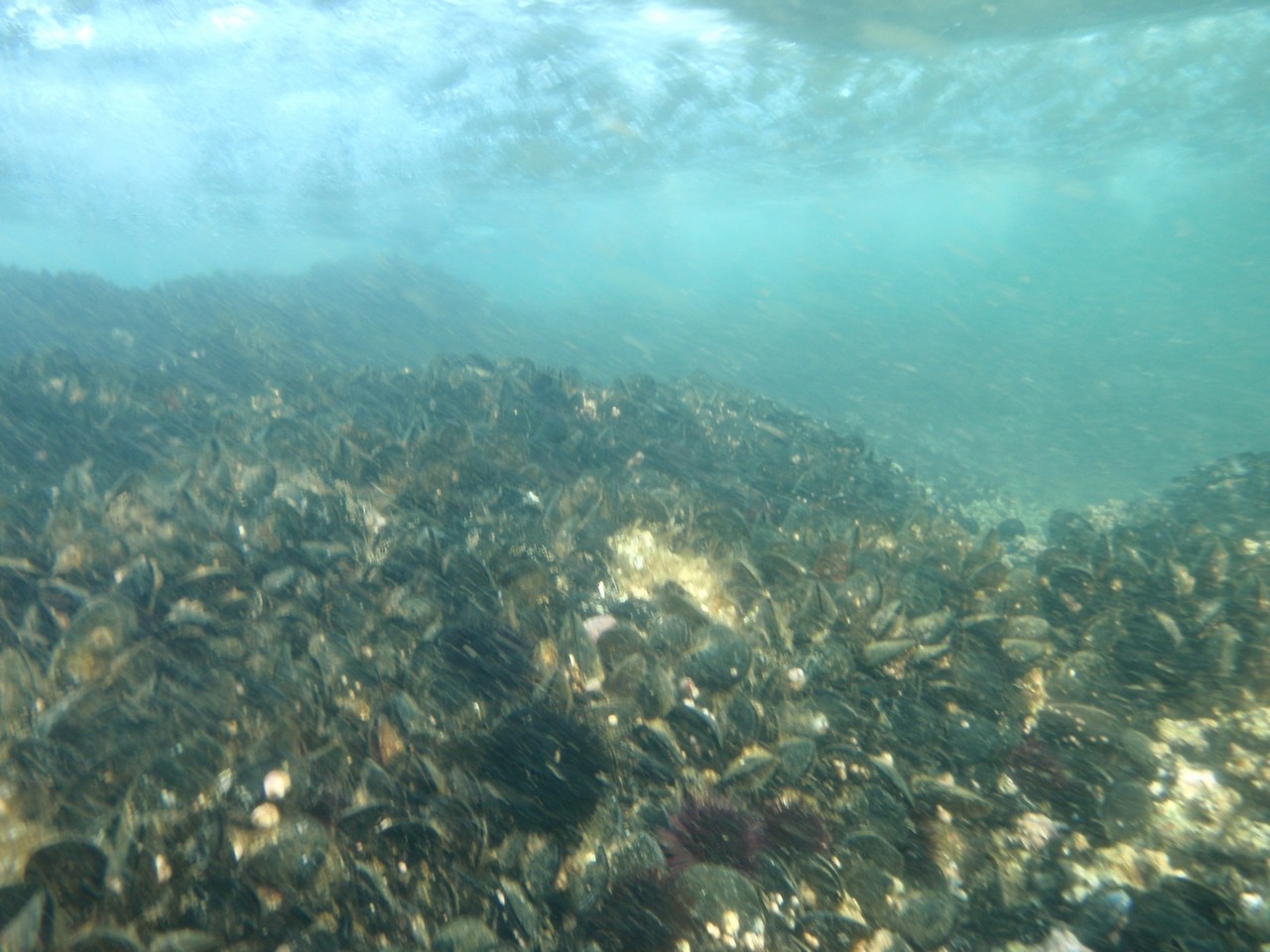
Mediterranean Mussel

Mediterranean Mussel

Mytilus galloprovincialis

All year round

Very Common

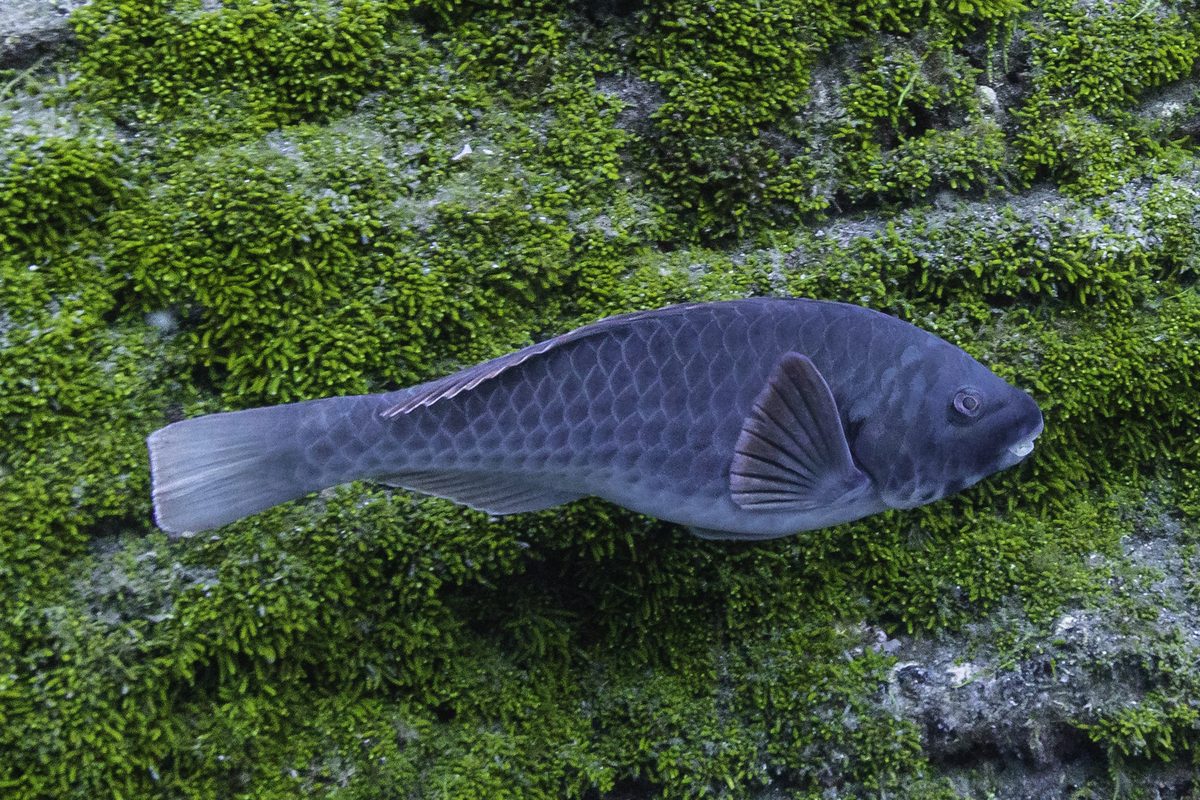
Mediterranean Parrotfish

Mediterranean Parrotfish

Sparisoma cretense

May - October

Occasional

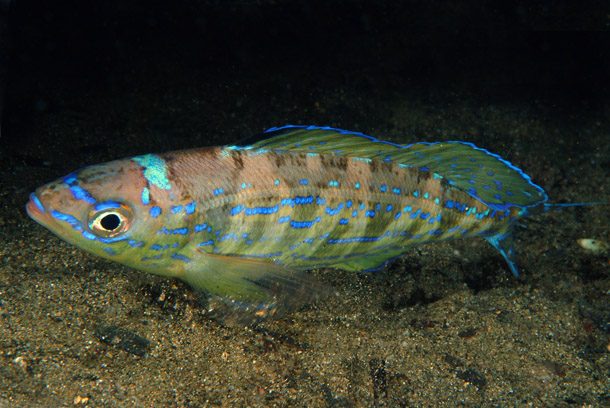
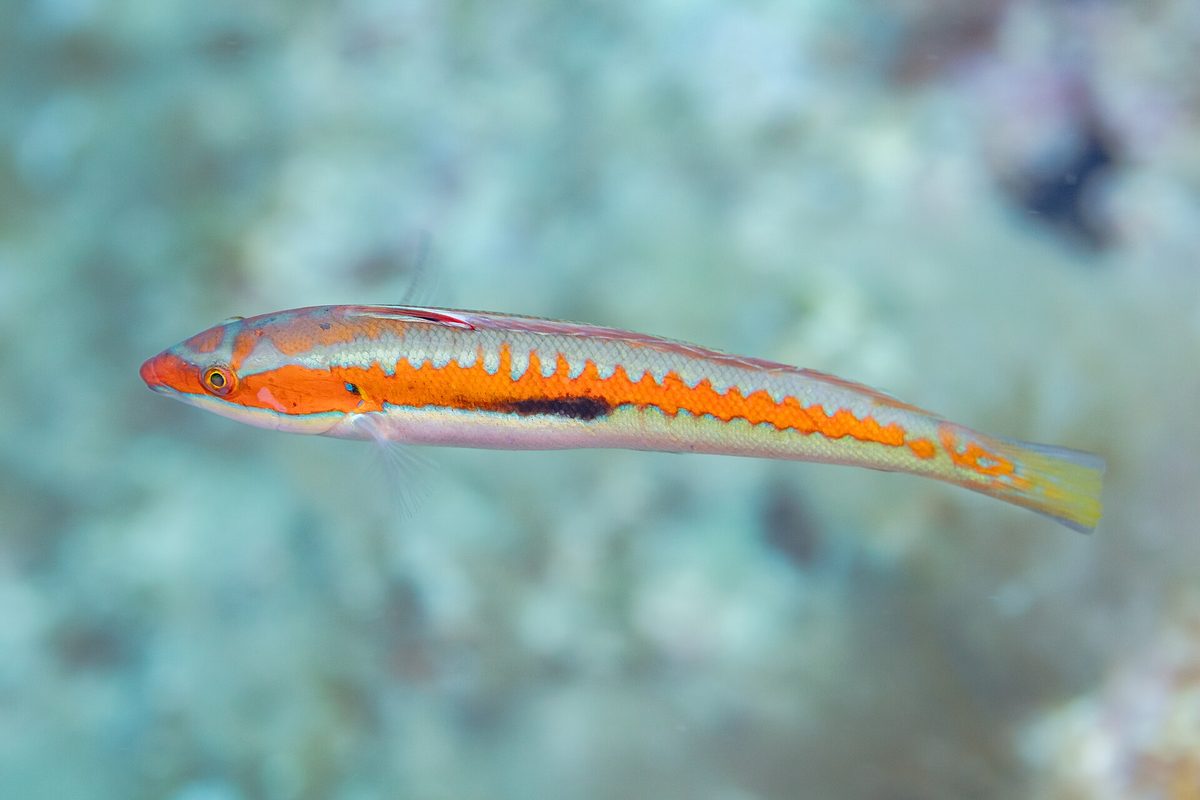
Mediterranean Rainbow Wrasse

Mediterranean Rainbow Wrasse

Coris julis

Also known as: Γαϊτανούρι, Λεμοναριά

All year round

Very Common

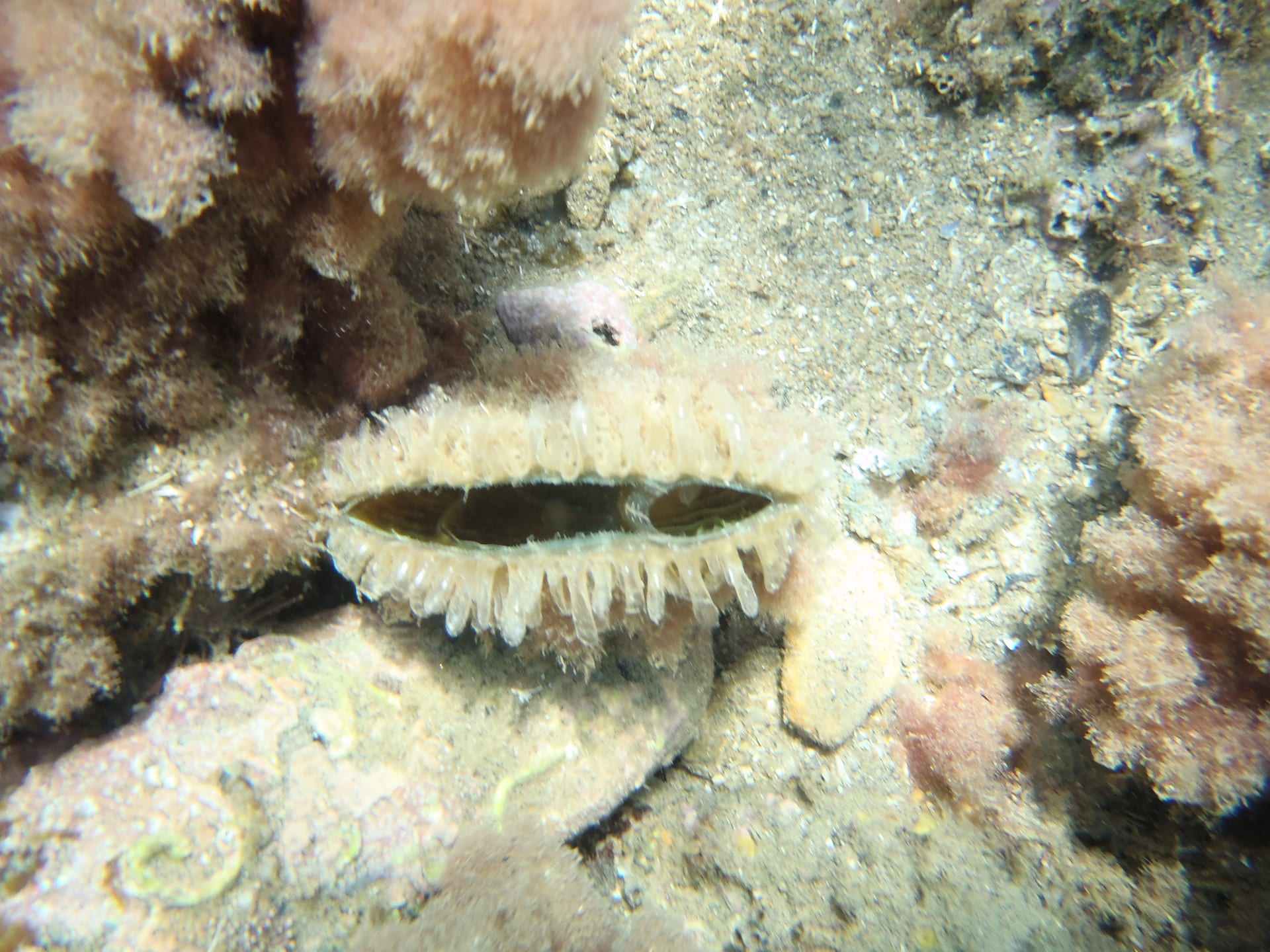
Noble Pen Shell

Noble Pen Shell

Pinna nobilis

Rare

Nomad Jellyfish

Nomad Jellyfish

Rhopilema nomadica

Also known as: Nomad jellyfish

July - October

Occasional

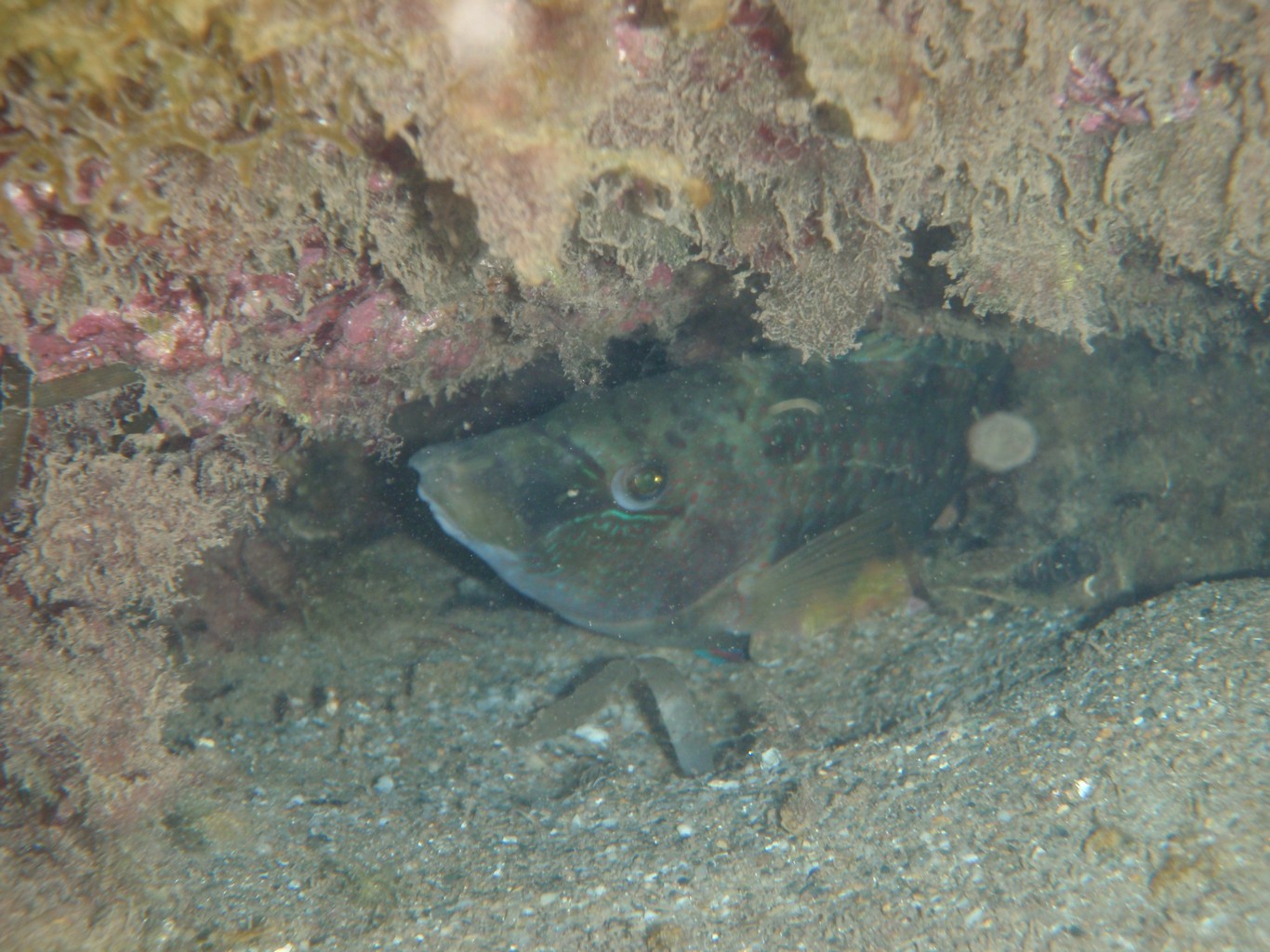
Peacock Wrasse

Peacock Wrasse

Symphodus tinca

All year round, more active May - October

Very Common

Picarel

Picarel

Spicara smaris

May - September

Common

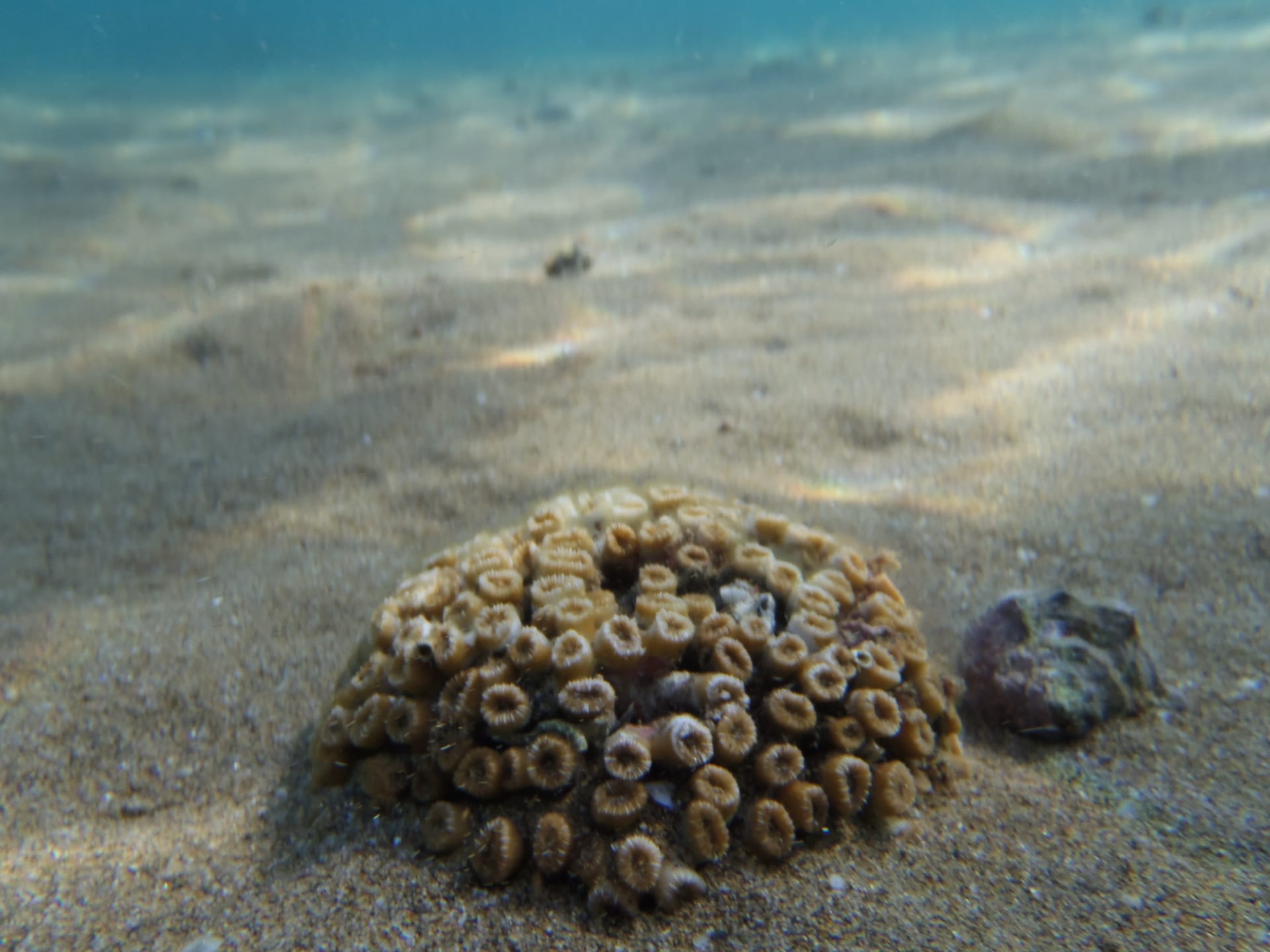
Pillow Coral

Pillow Coral

Cladocora caespitosa

Also known as: Pillow coral, Μαξιλαράκι της θάλασσας, Cladocora

All year round, best seen in summer with clear waters

Common

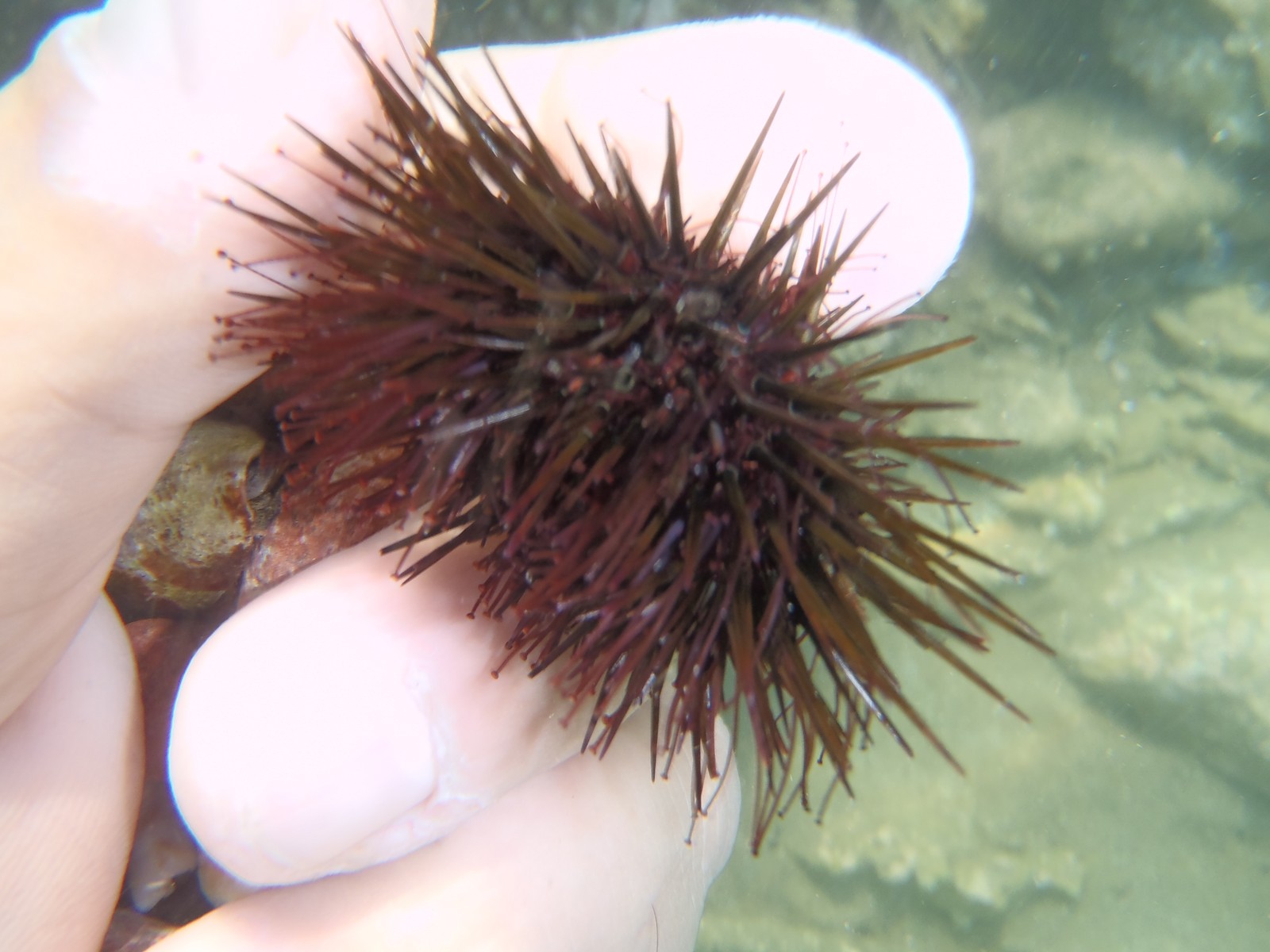
Purple Sea Urchin

Purple Sea Urchin

Paracentrotus lividus

All year round

Very Common

Red Scorpionfish

Red Scorpionfish

Scorpaena scrofa

All year round

Rare

Saddled Seabream

Saddled Seabream

Oblada melanura

April - November

Very Common

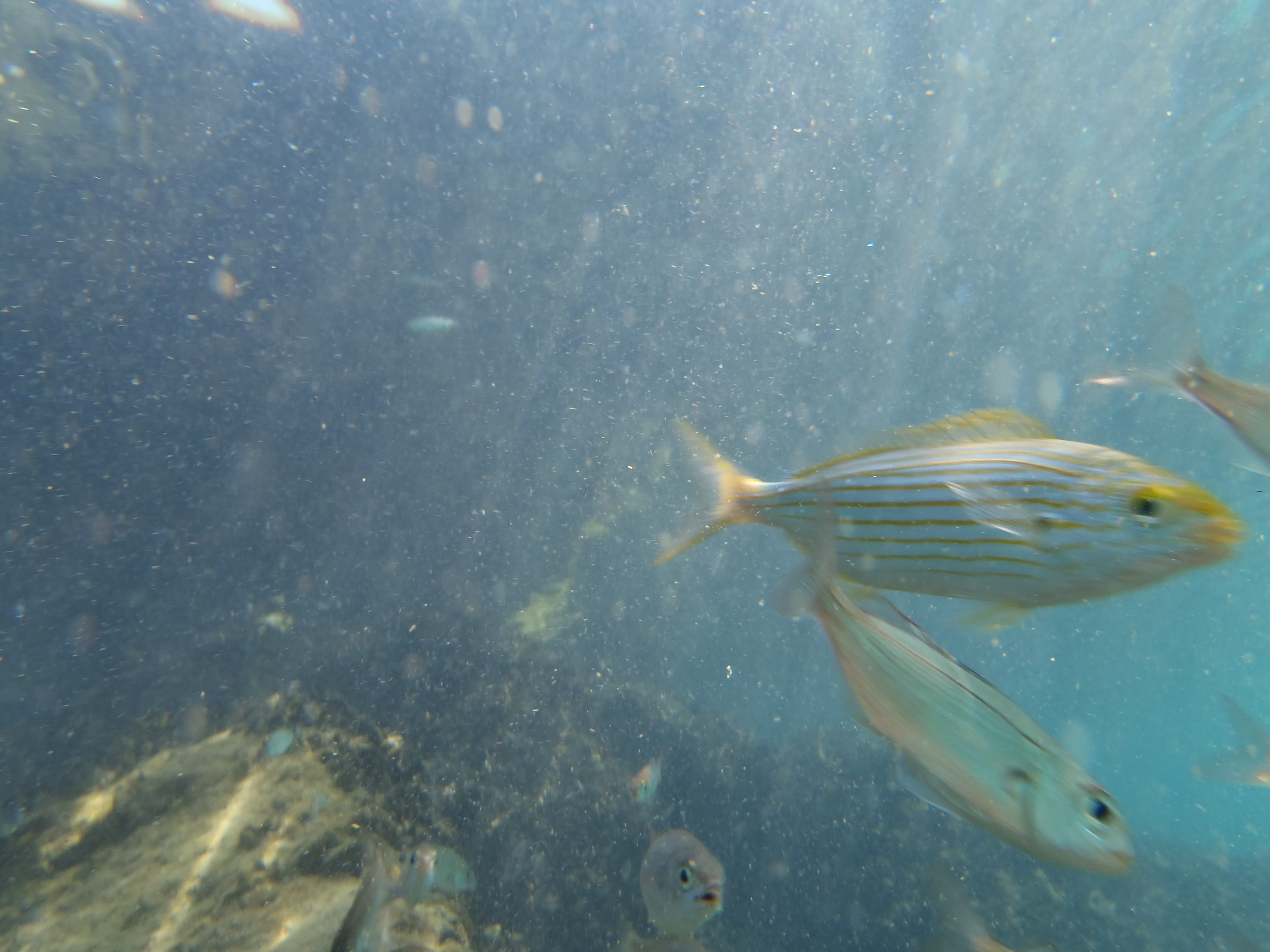
Salema Porgy

Salema Porgy

Sarpa salpa

May - September

Common

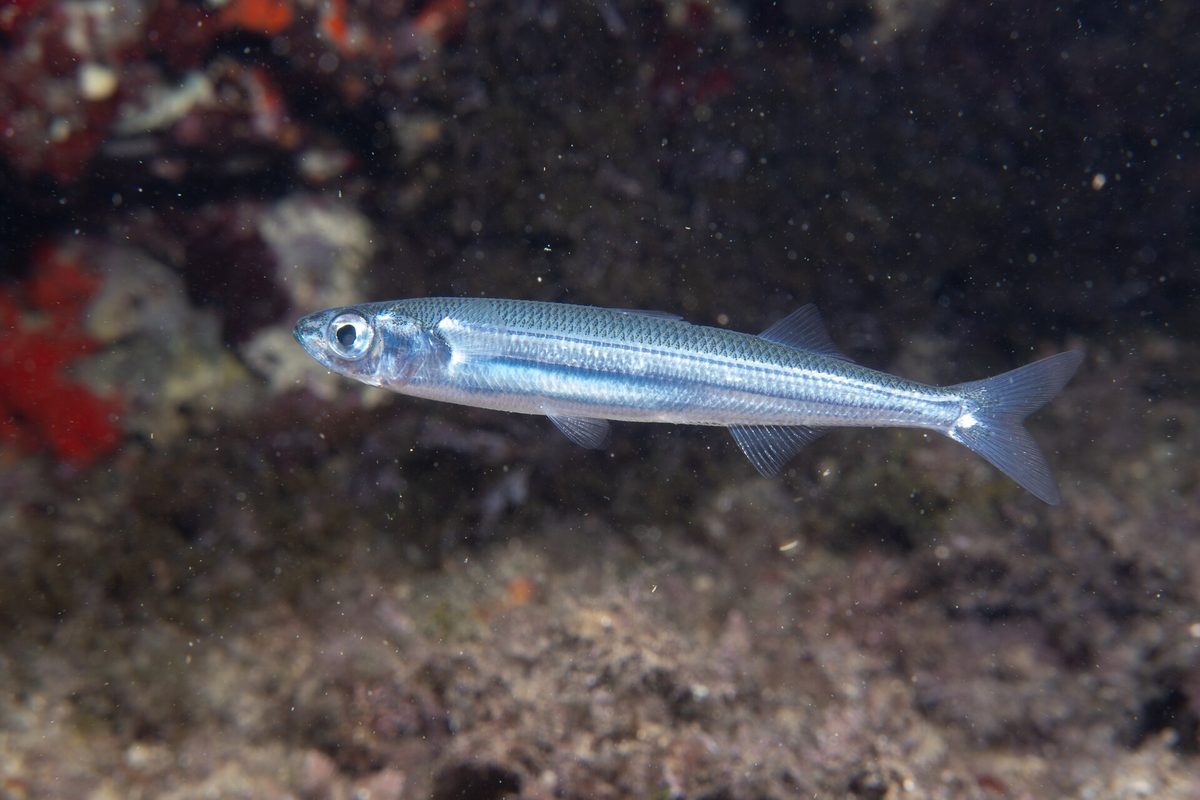
Sand Smelt

Sand Smelt

Atherina hepsetus

April - October

Very Common

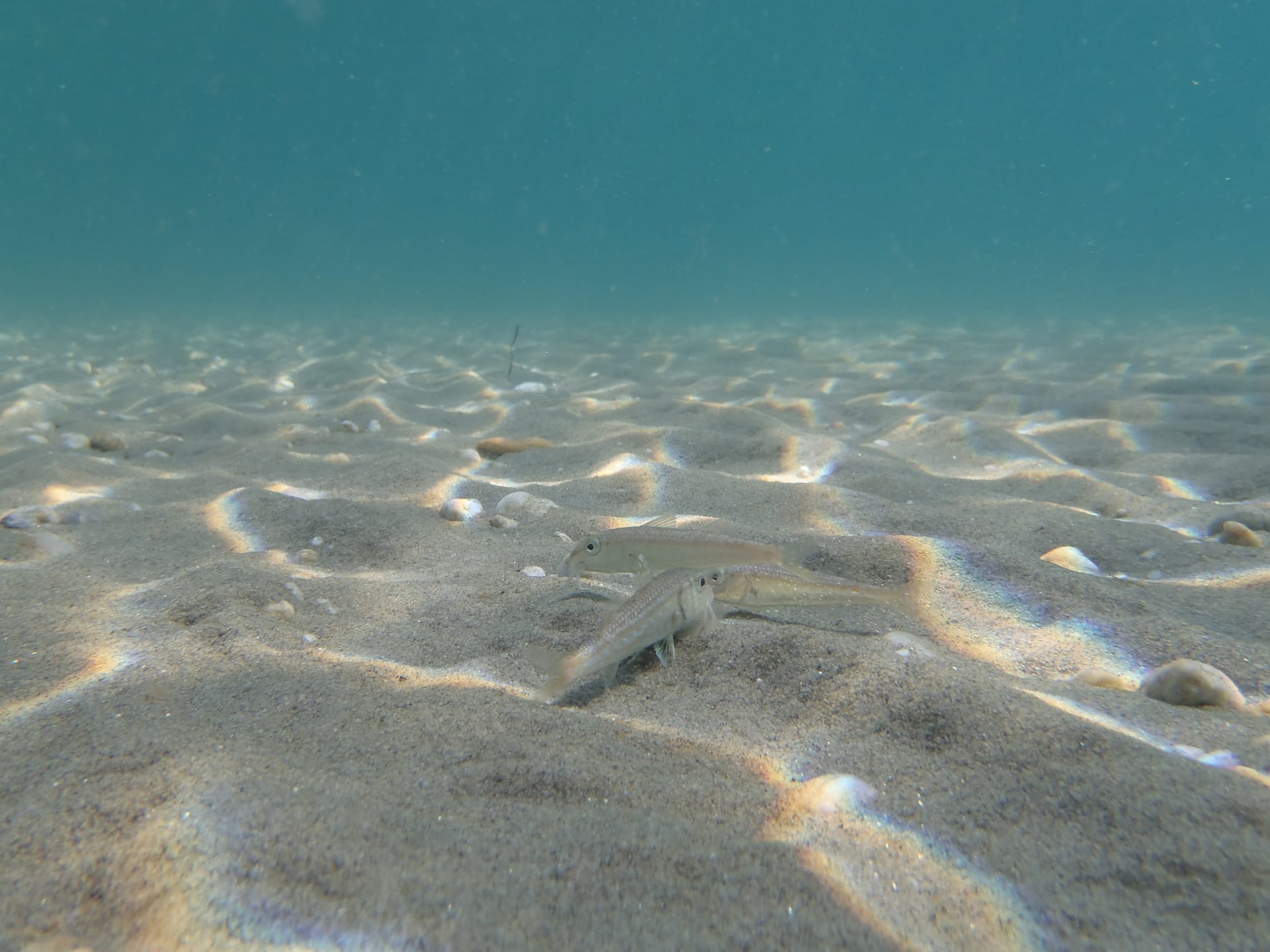
Sand Steenbras

Sand Steenbras

Lithognathus mormyrus

May - October

Very Common

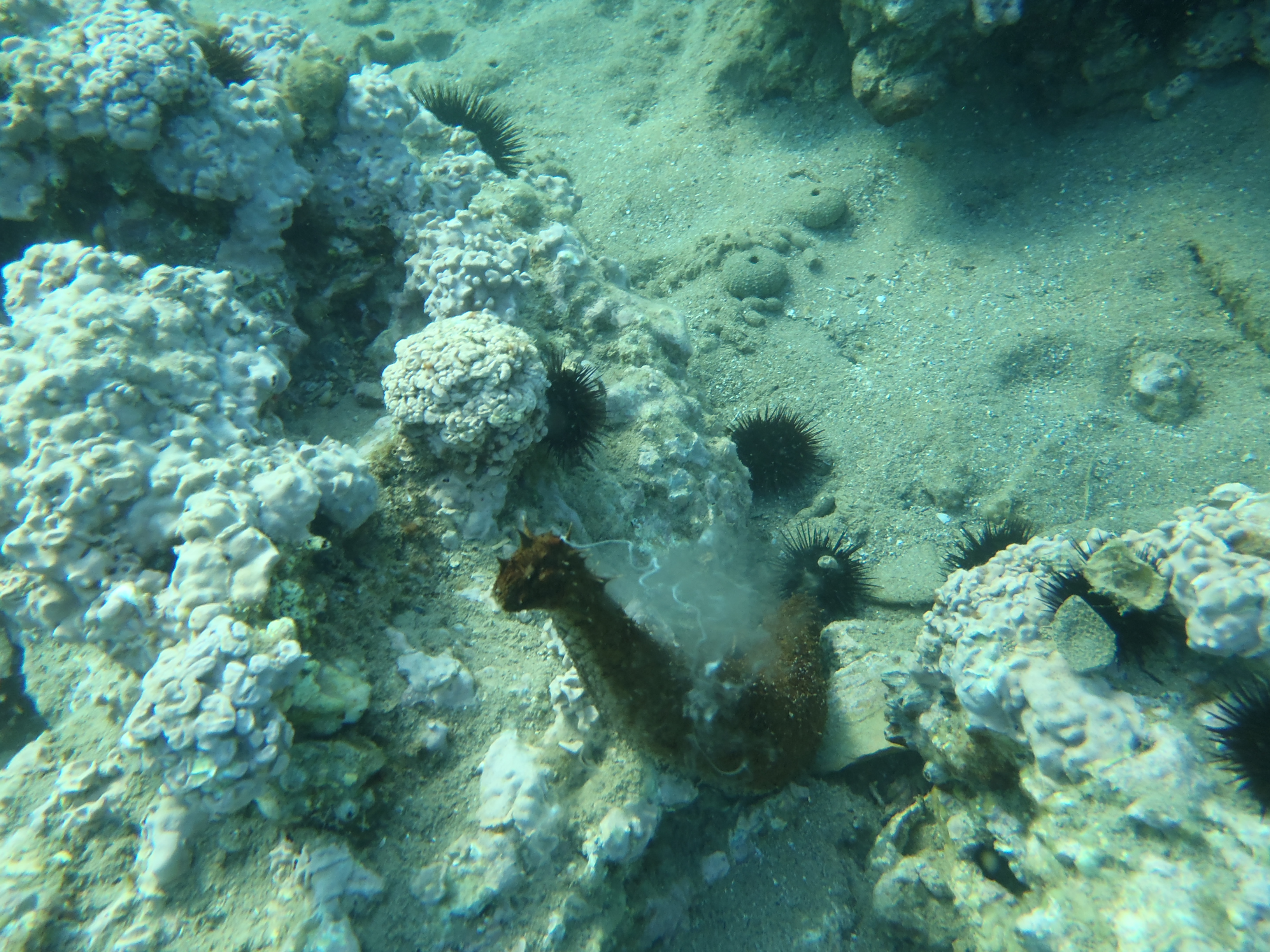
Sea Cucumber (Holothuria tubulosa)

Sea Cucumber (Holothuria tubulosa)

Holothuria tubulosa

Also known as: Θαλάσσιο Αγγούρι

Occasional

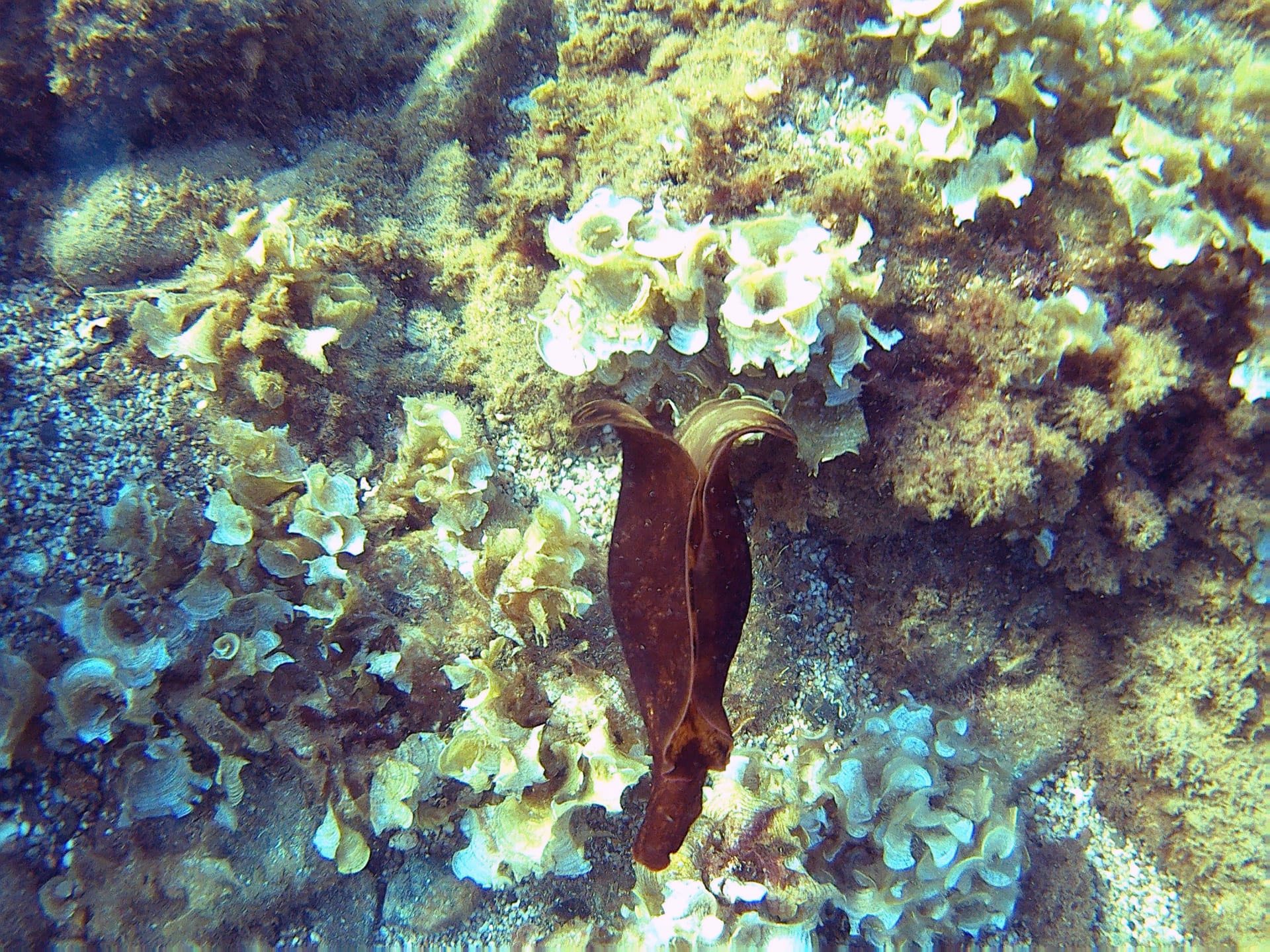
Sea Hare

Sea Hare

Aplysia fasciata

Also known as: Κρασάς, Γυμνοσάλιαγκας της Θάλασσας

May - October

Occasional

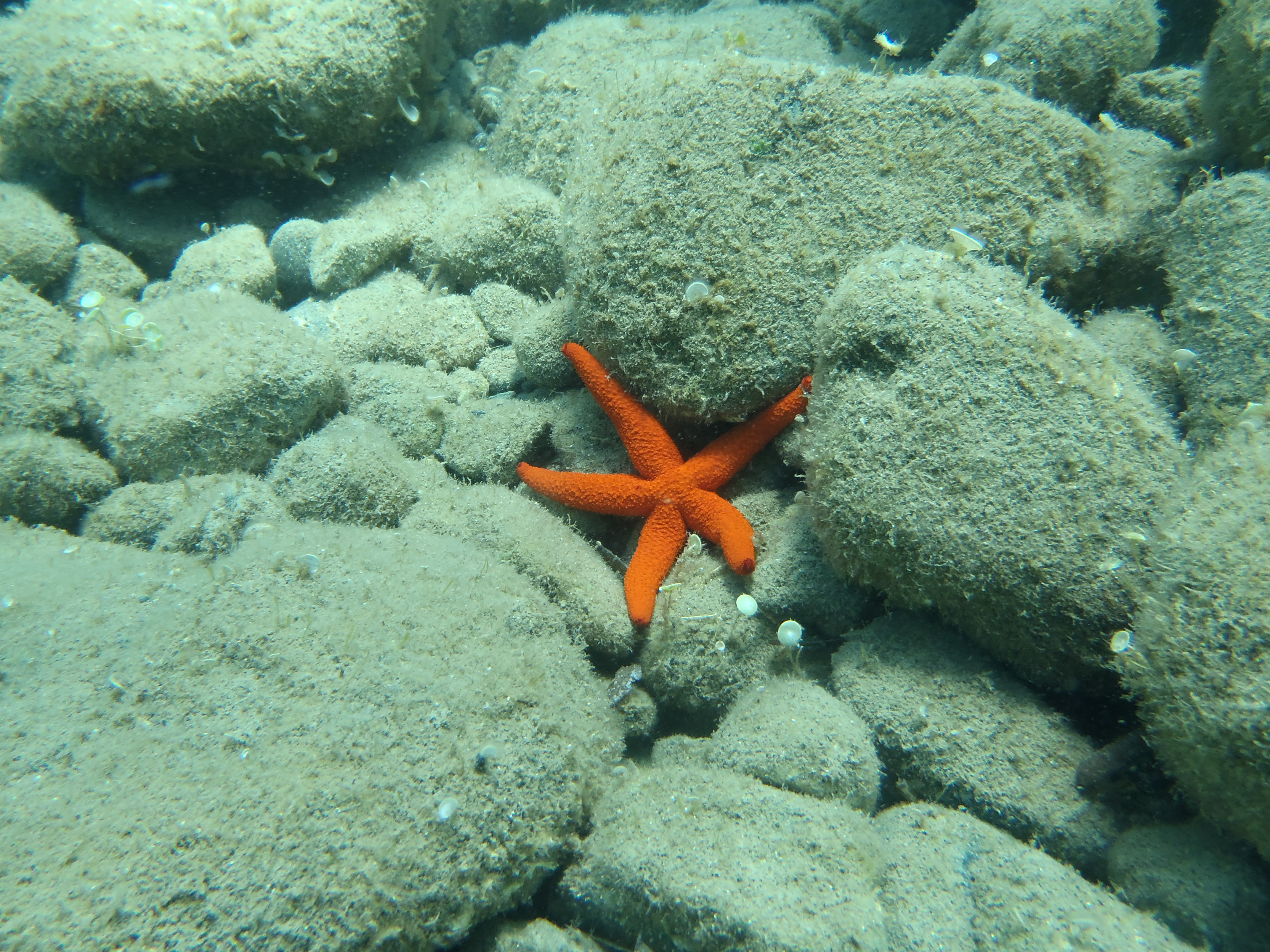
Sea Stars

Sea Stars

Echinaster sepositus

All year round

Occasional

Short-Snouted Seahorse

Short-Snouted Seahorse

Hippocampus hippocampus

May - September

Rare

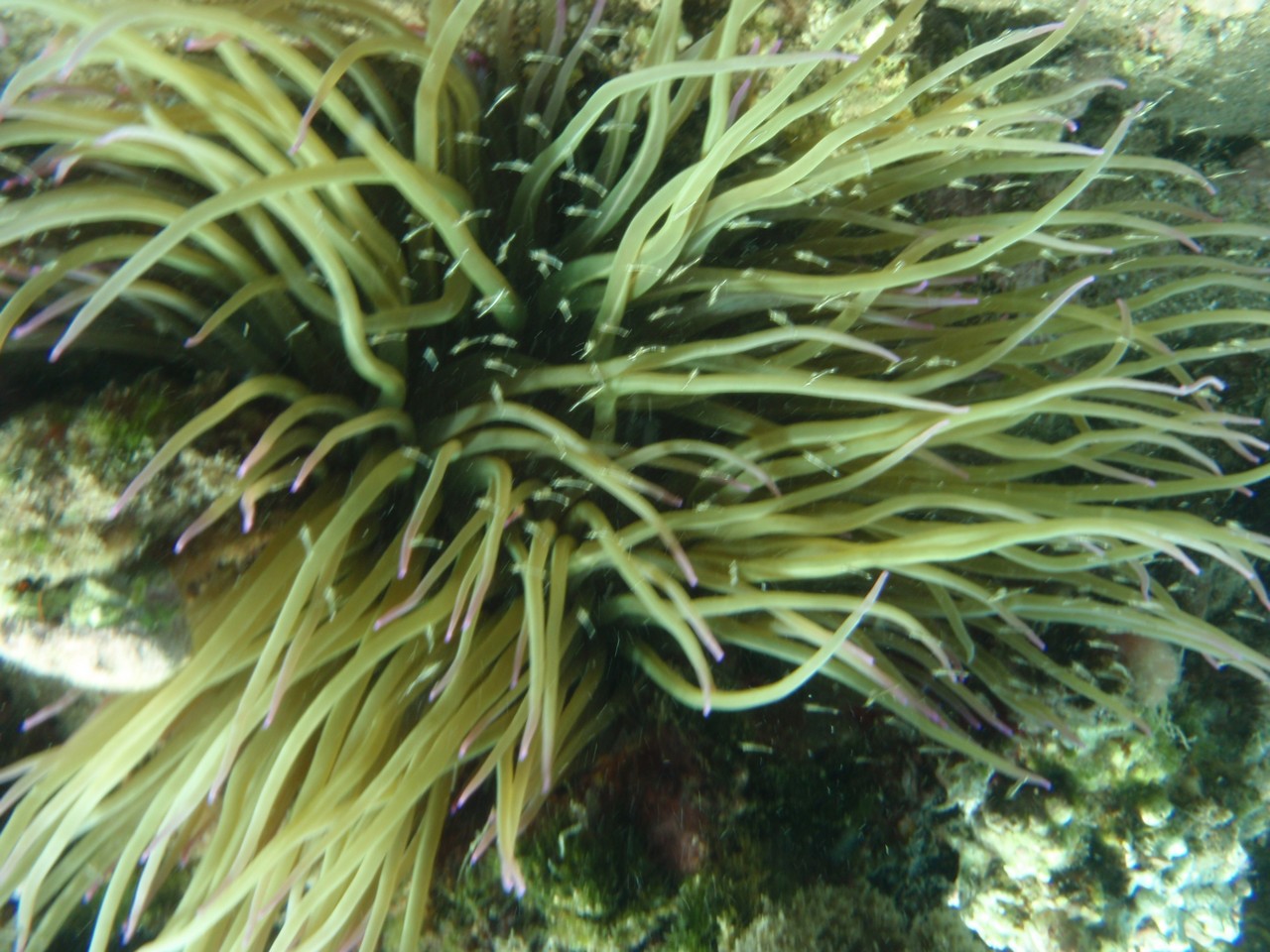
Snakelocks Sea Anemone

Snakelocks Sea Anemone

Anemonia viridis

All year round

Very Common

Striped Red Mullet

Striped Red Mullet

Mullus barbatus / Mullus surmuletus

Also known as: Κουτσομούρα, Μπάρμπουνος, Μπαρμπουνάκι

May - October - that's when they are in shallow waters and you can see the small schools

Very Common

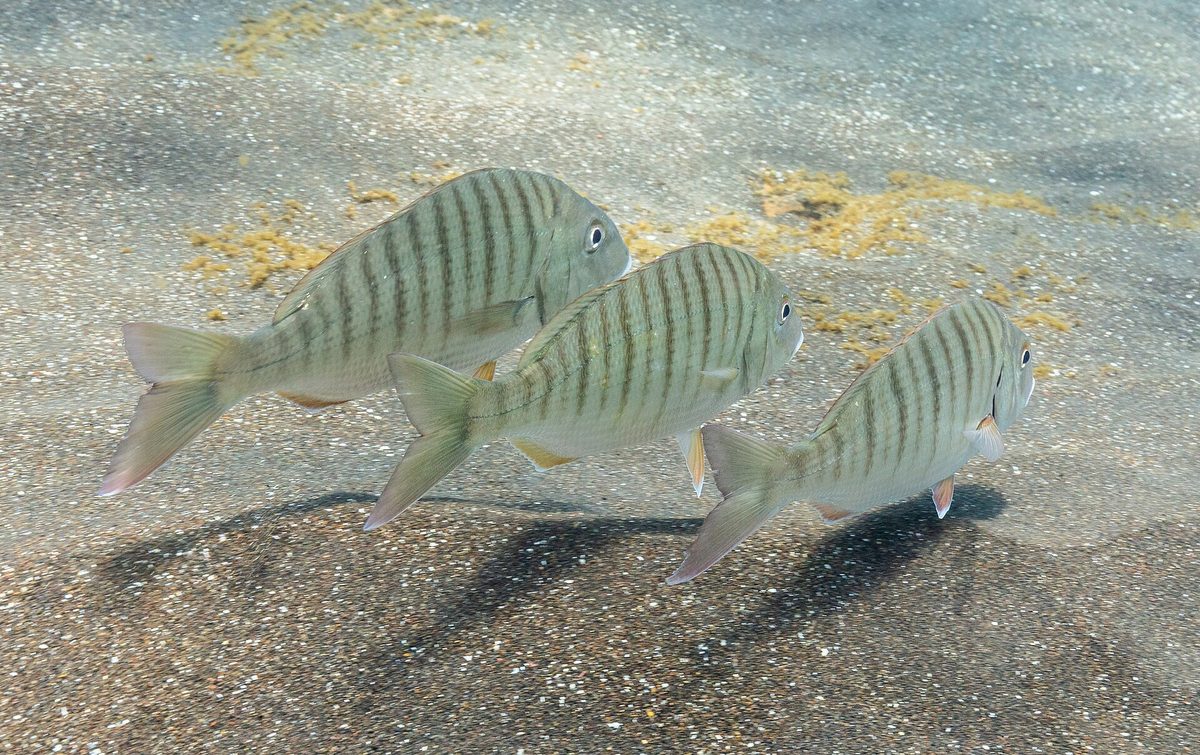
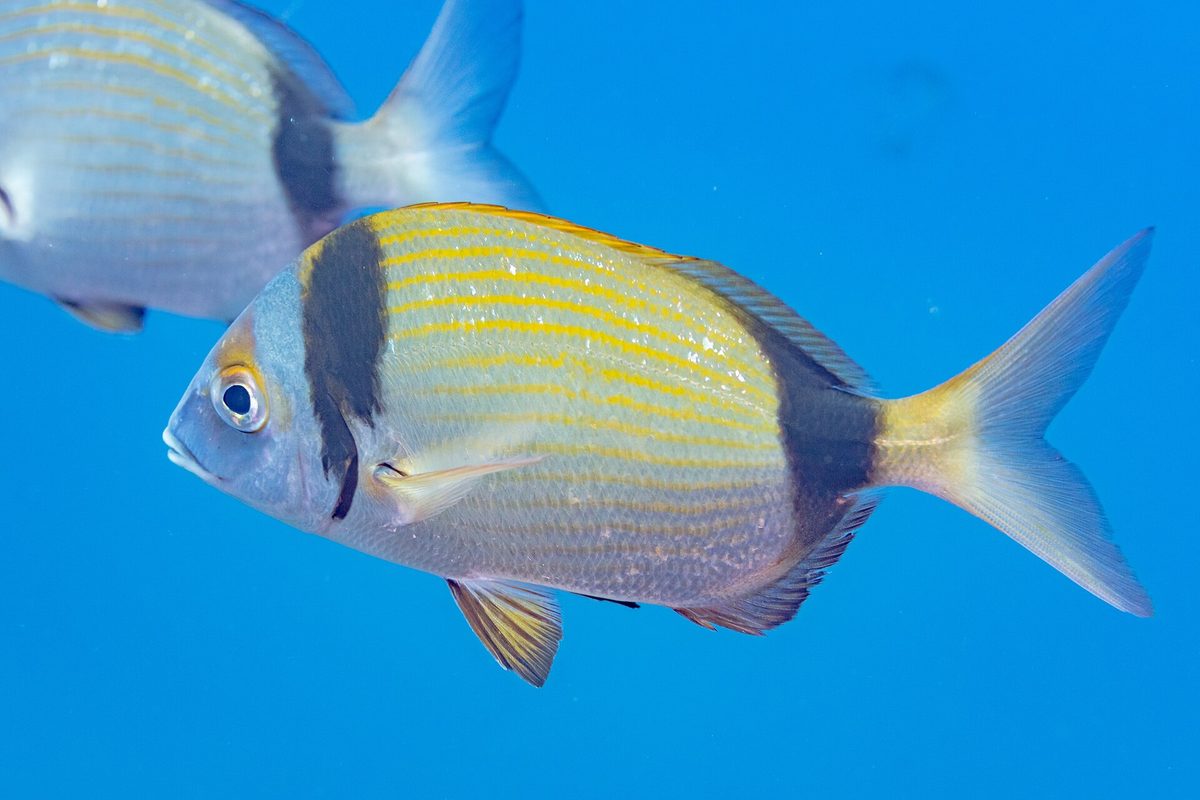
Two-Banded Seabream

Two-Banded Seabream

Diplodus vulgaris

April - October

Common

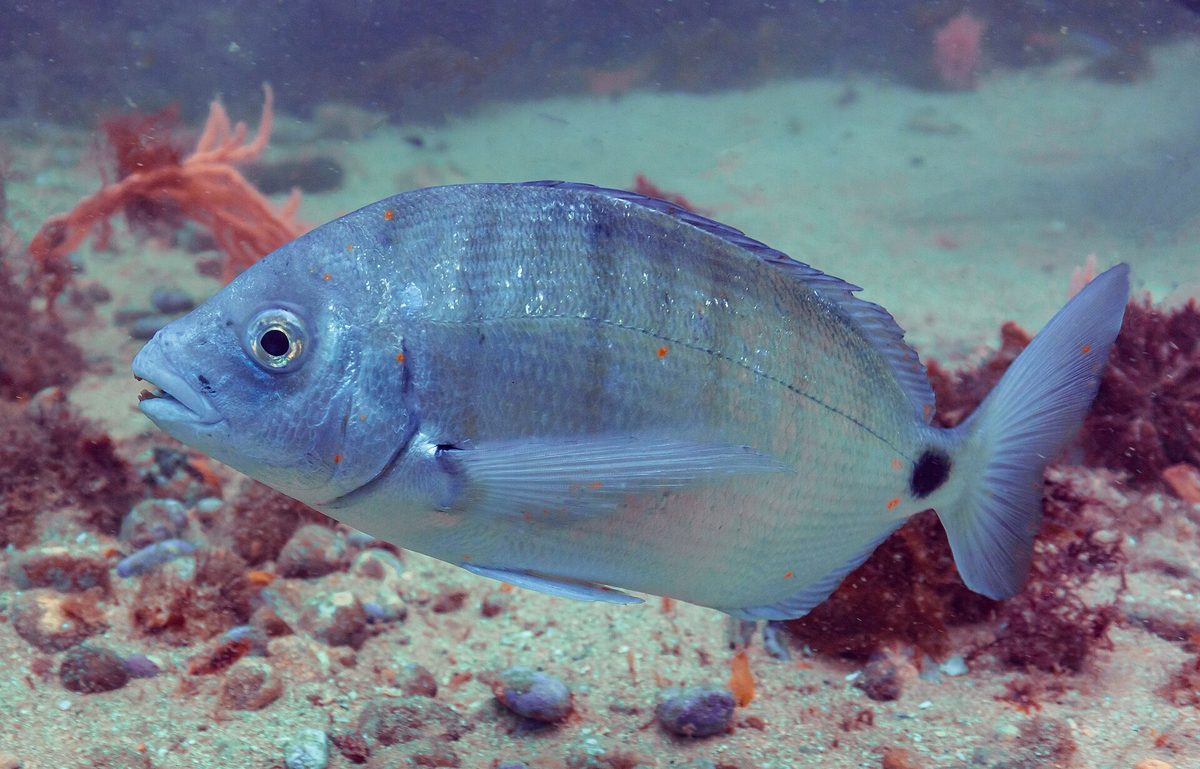
White Seabream

White Seabream

Diplodus sargus

April - October

Common

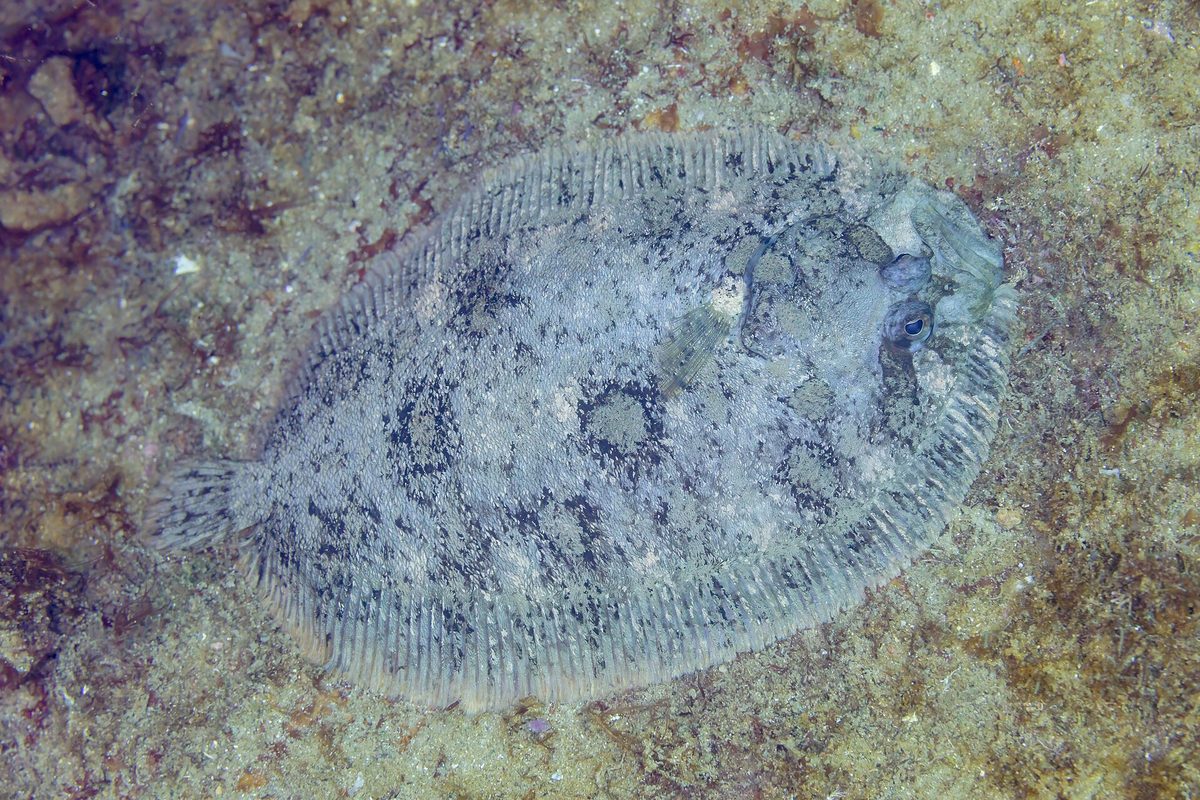
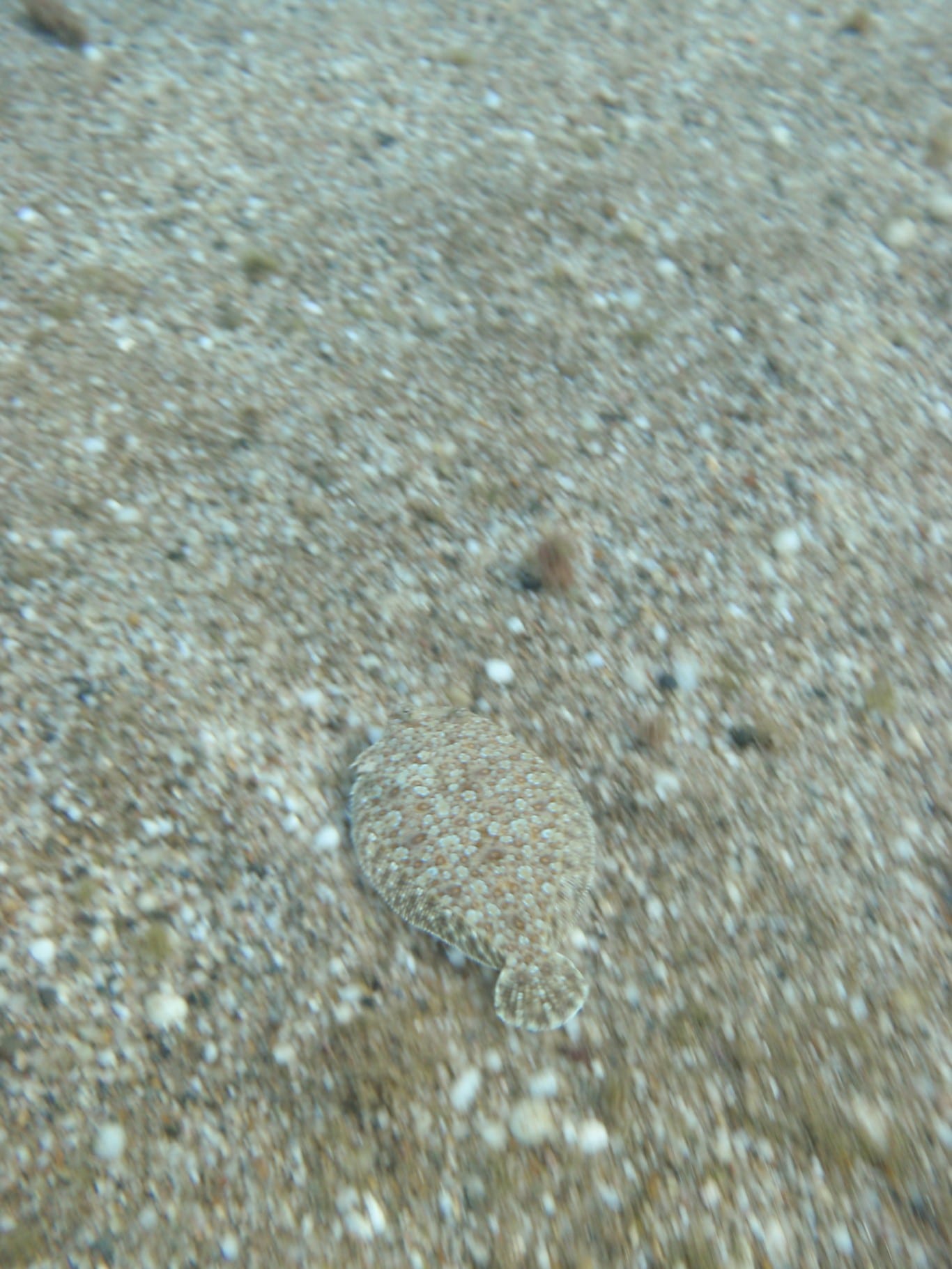
Wide-eyed Flounder

Wide-eyed Flounder

Bothus podas

Also known as: Γλώσσα, Πλατύ, Wide-eyed Flounder

All year round

Very Common

Deeper Waters

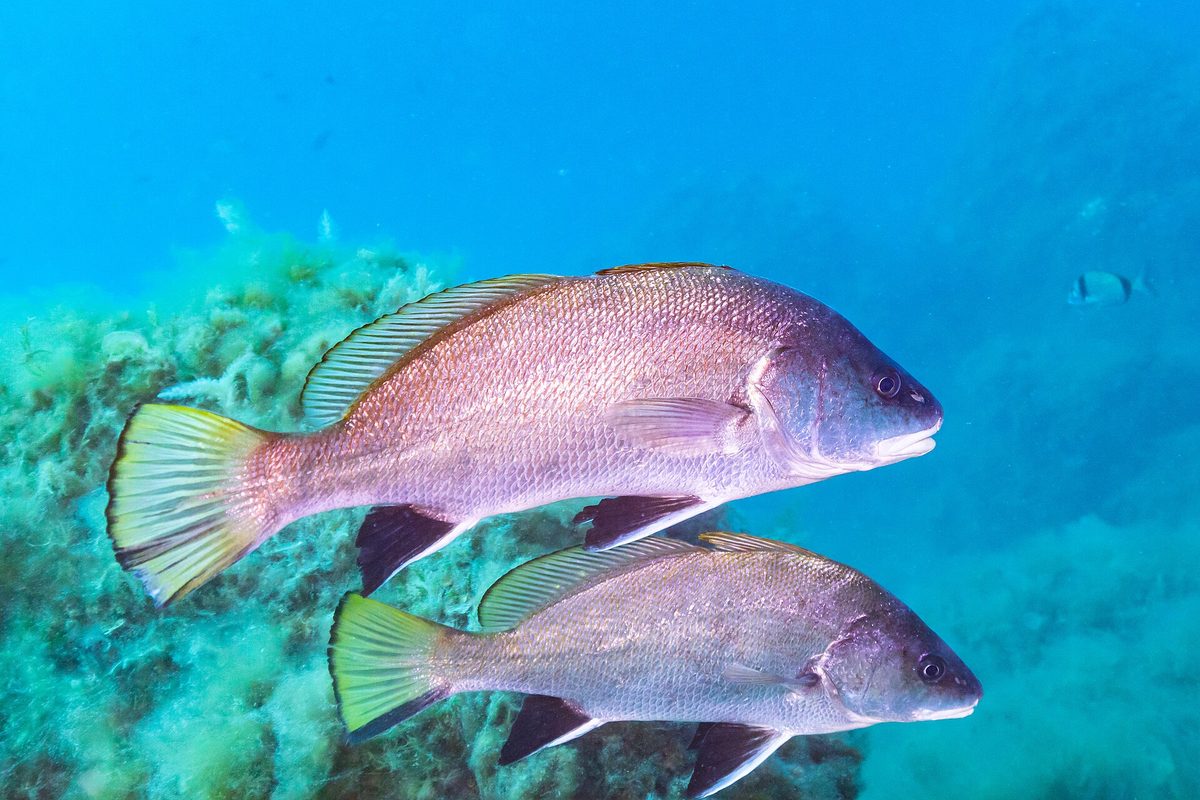
Brown Meagre

Brown Meagre

Sciaena umbra

June - September

Rare

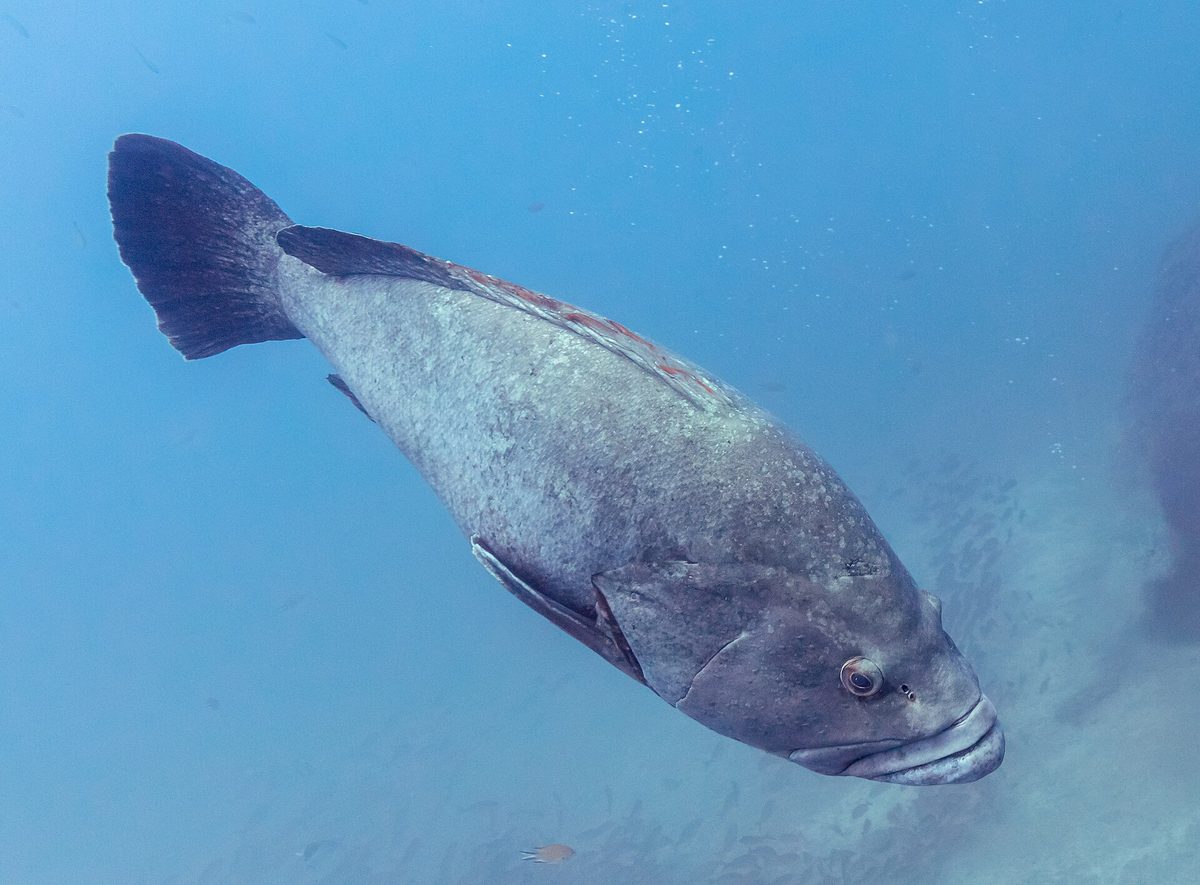
Dusky Grouper

Dusky Grouper

Epinephelus marginatus

June - September

Rare

European Anchovy

European Anchovy

Engraulis encrasicolus

June - September

Common

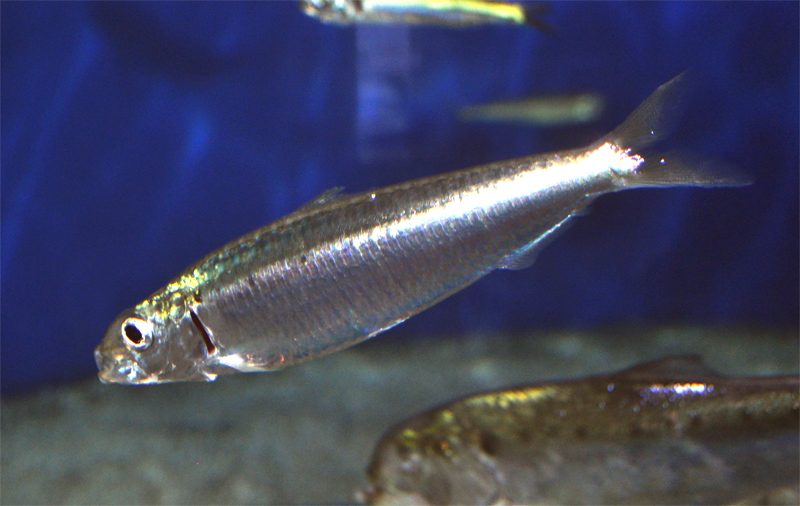
European Pilchard

European Pilchard

Sardina pilchardus

June - September

Common

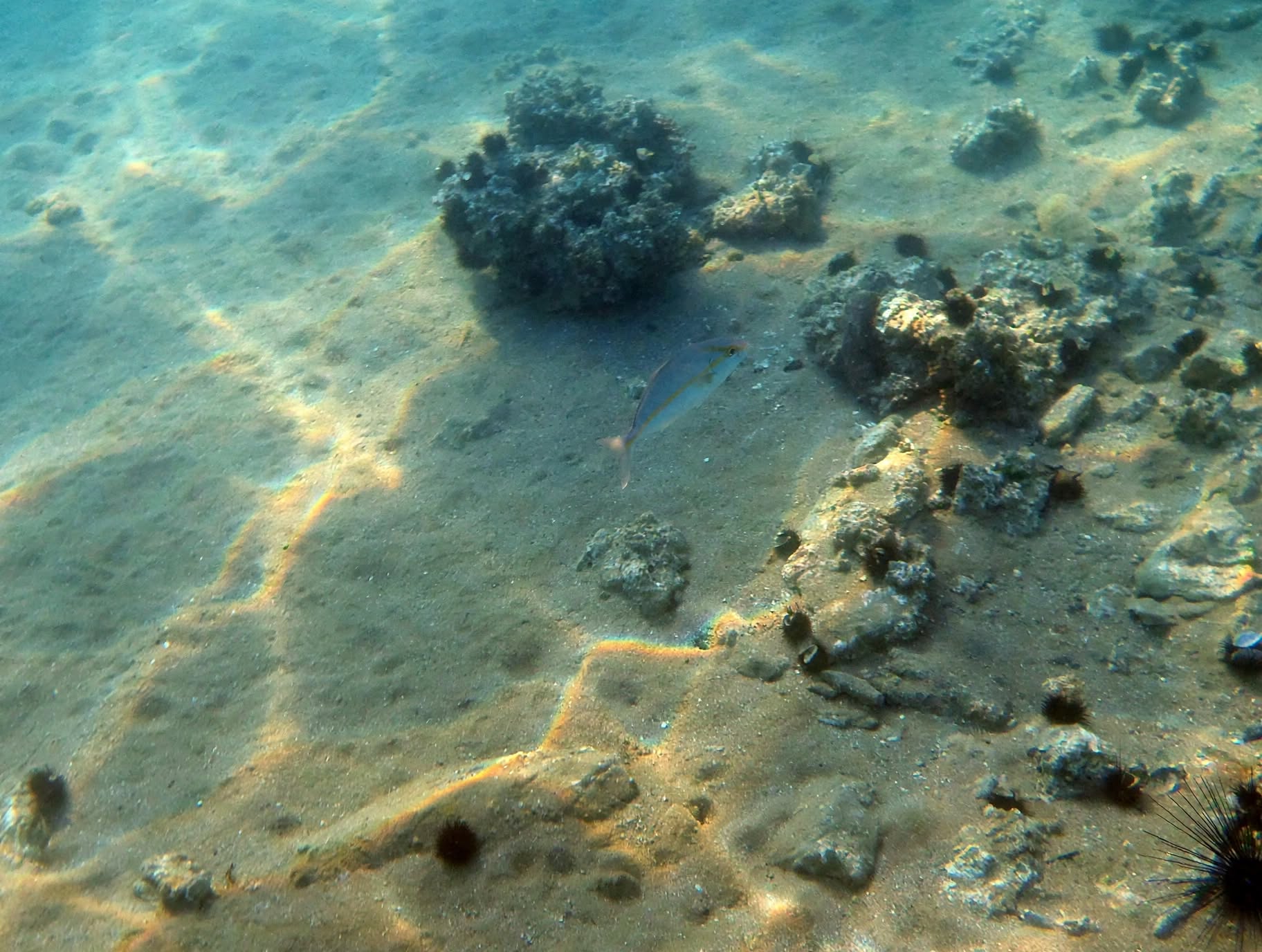
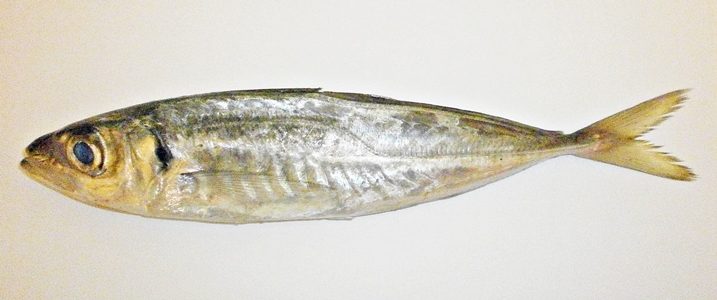
Mediterranean Horse Mackerel

Mediterranean Horse Mackerel

Trachurus mediterraneus

June - October

Common

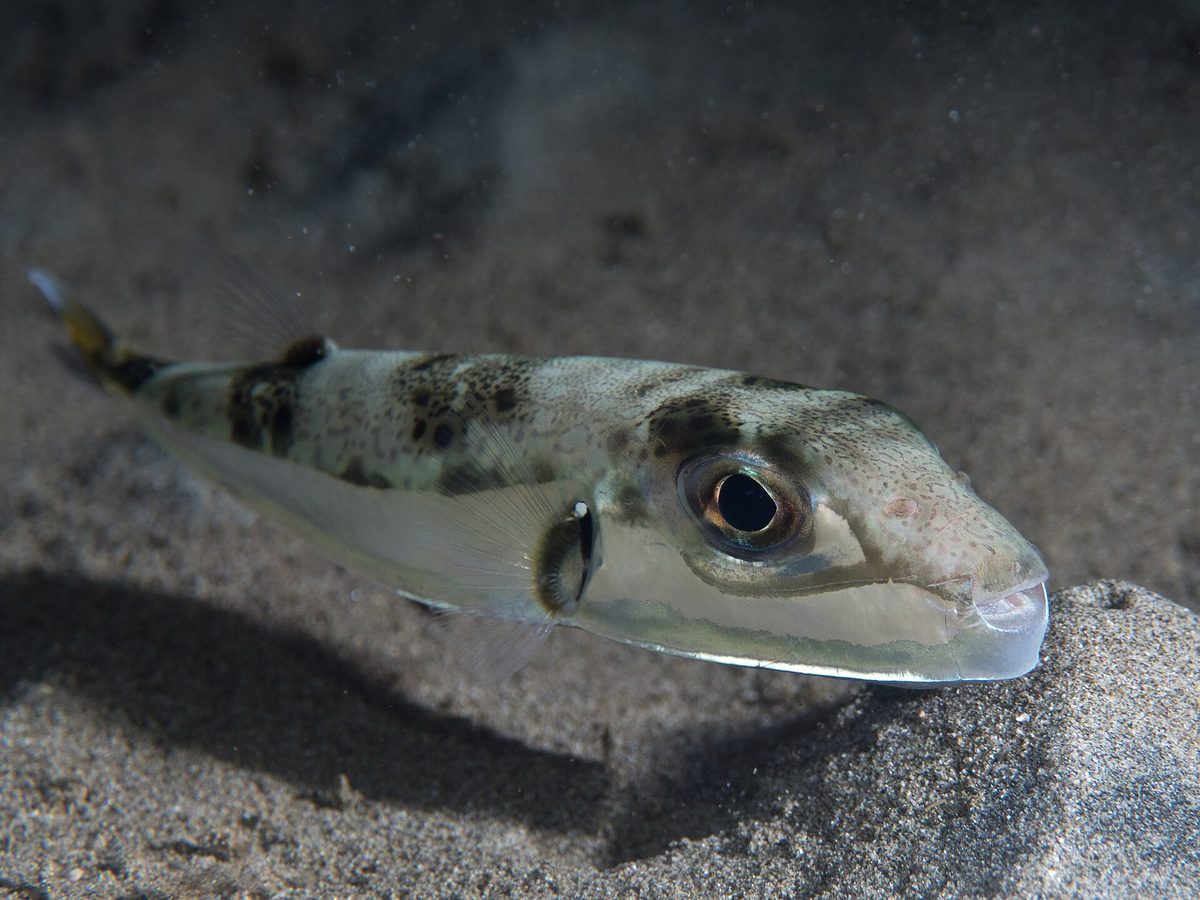
Silver-Cheeked Toadfish

Silver-Cheeked Toadfish

Lagocephalus sceleratus

June - October

Rare

Sighting frequency in shallow waters while snorkelling - tap to filter