

 FEATURED
Proposed
ALX.GR - Authentic. Local. eXperience.
A positive guide to the city, its sea, its food, local products, its culture, and ideas for a better tomorrow.
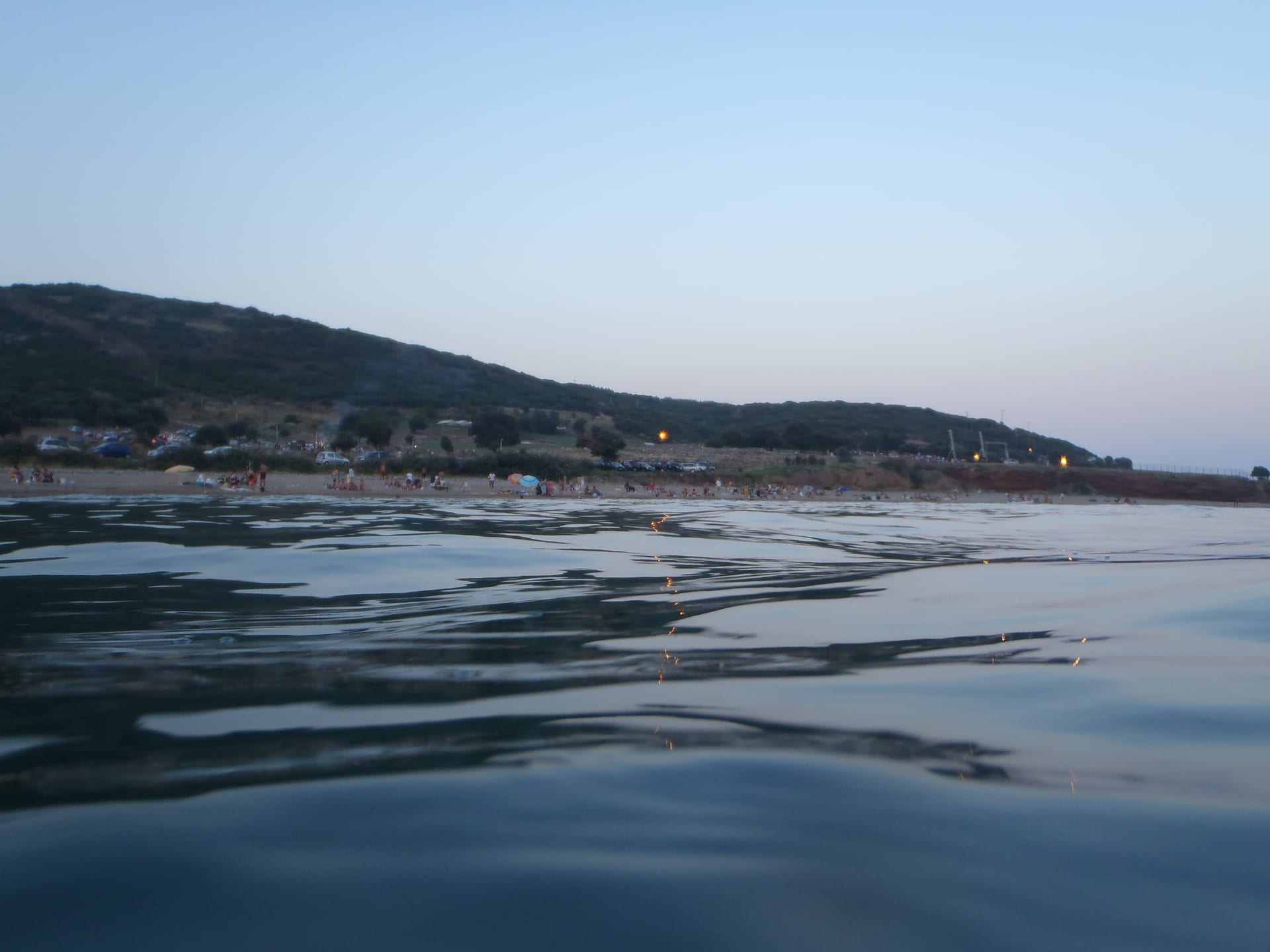
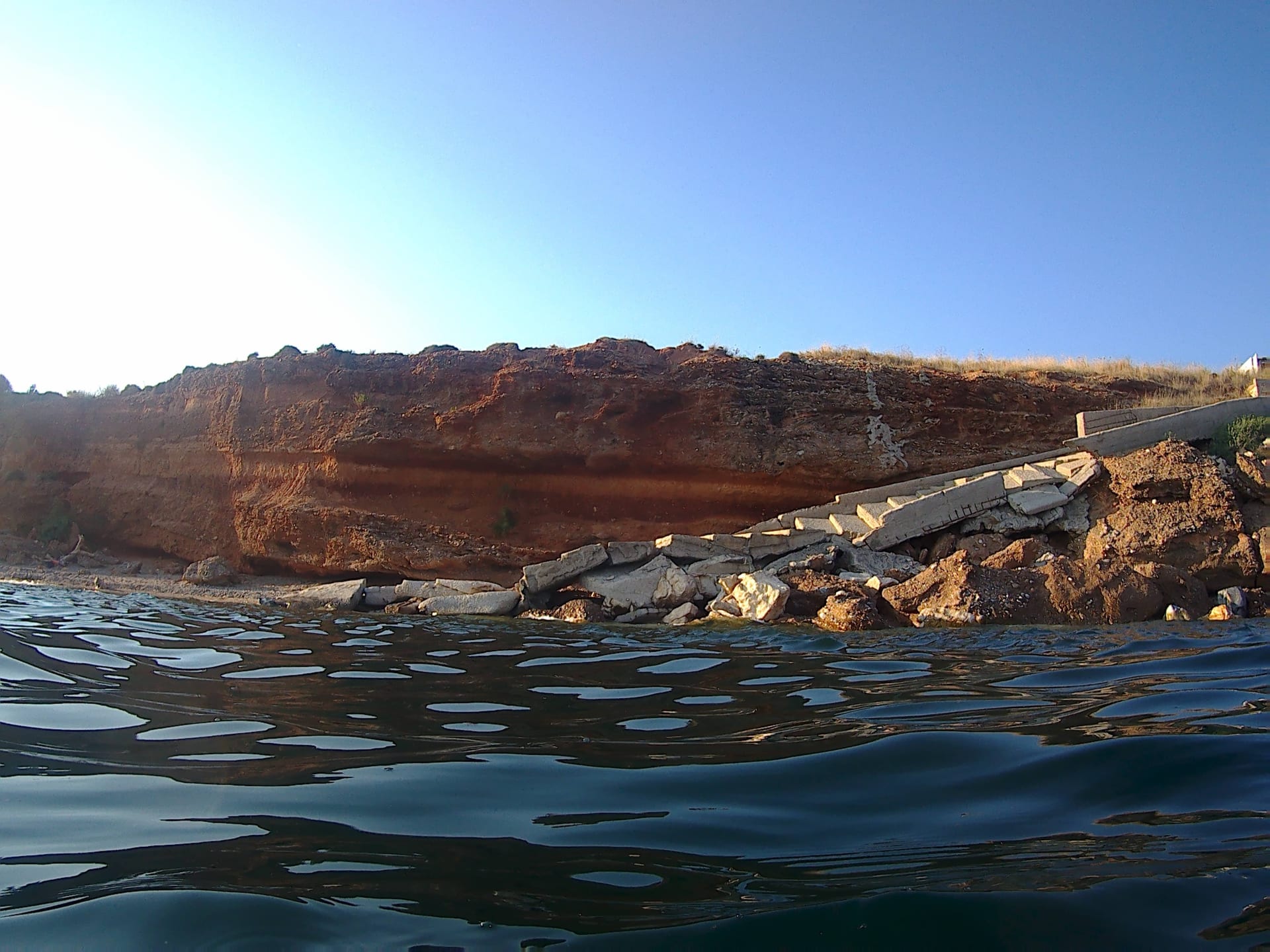
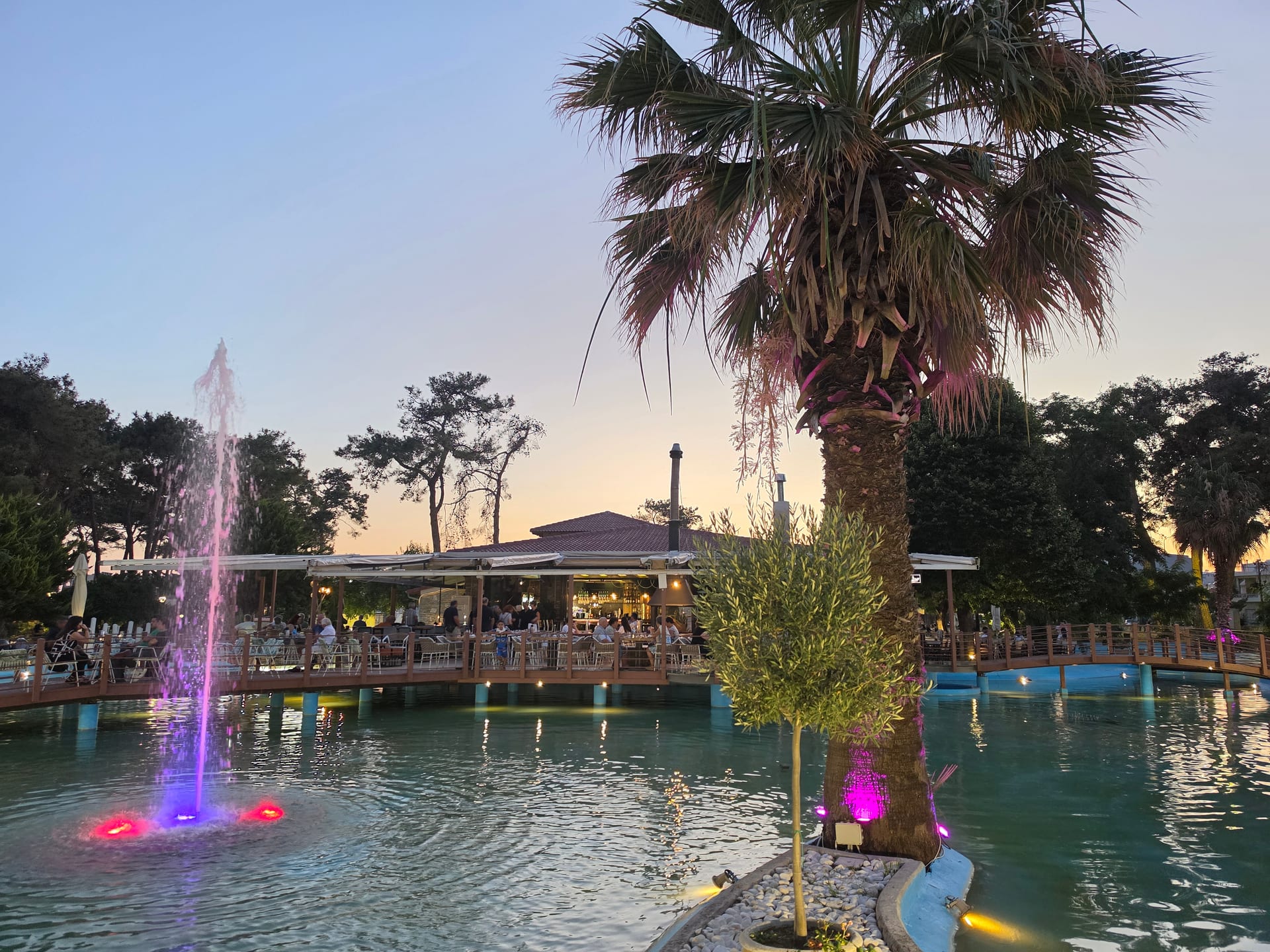
Photo: Maria Alepakou
City Vibes
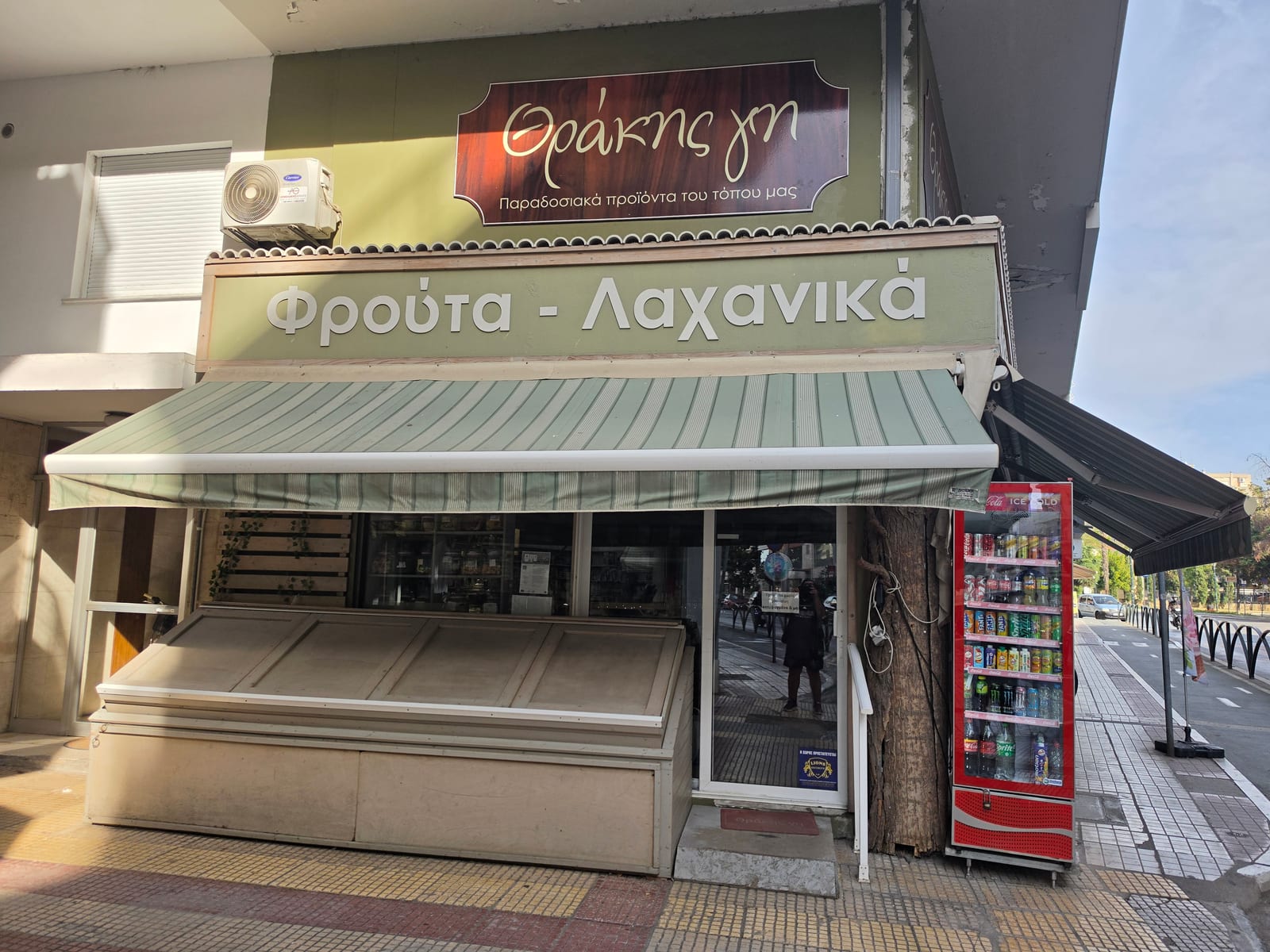
Made in Evros
Positive Change
Only positive ideas and improvement suggestions, without criticism and with polite language, aiming for a better Alexandroupoli, are accepted. Every suggestion is reviewed first and published only after approval.
Sea & Sand
Sights & Nature
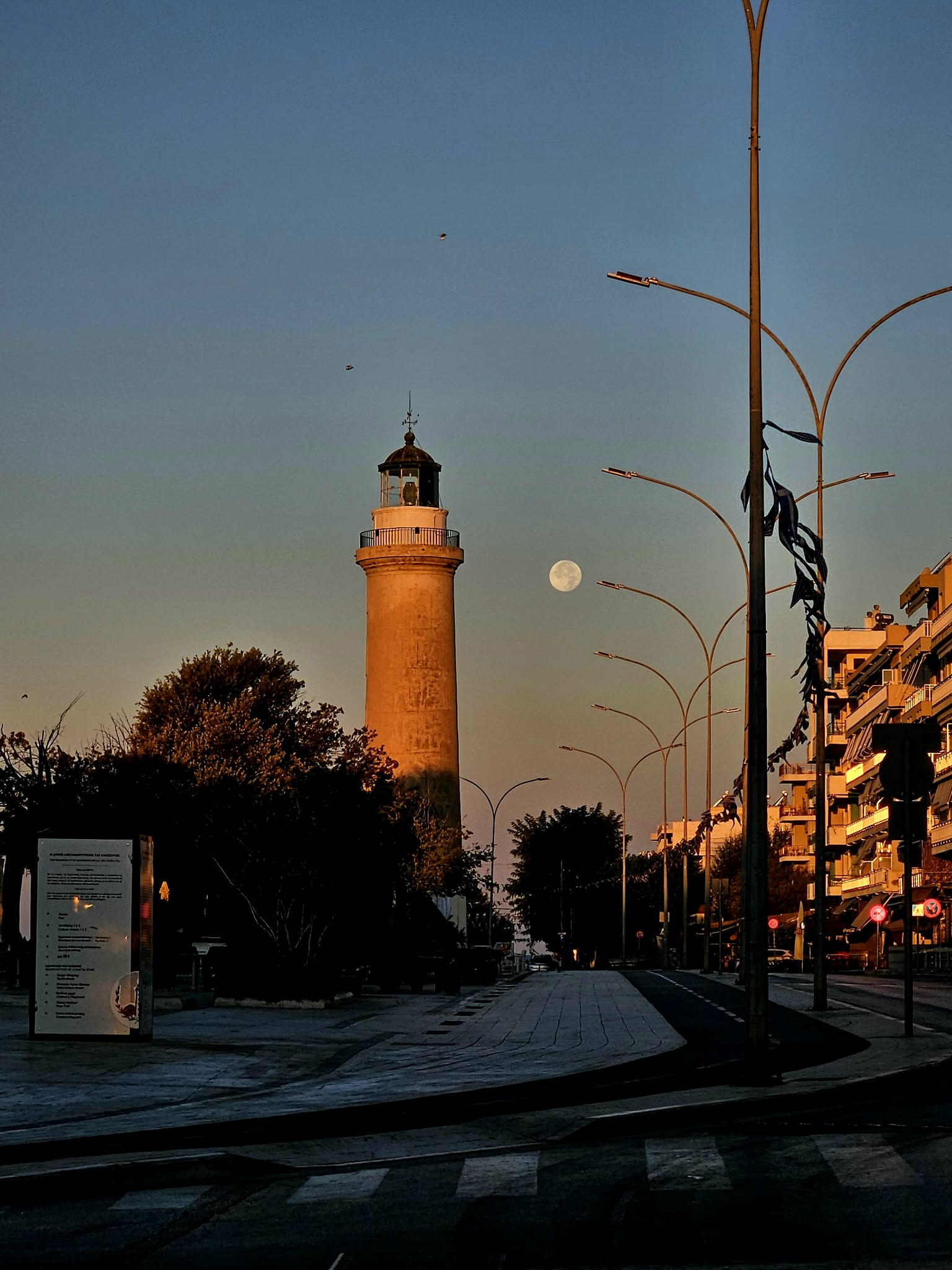 ★
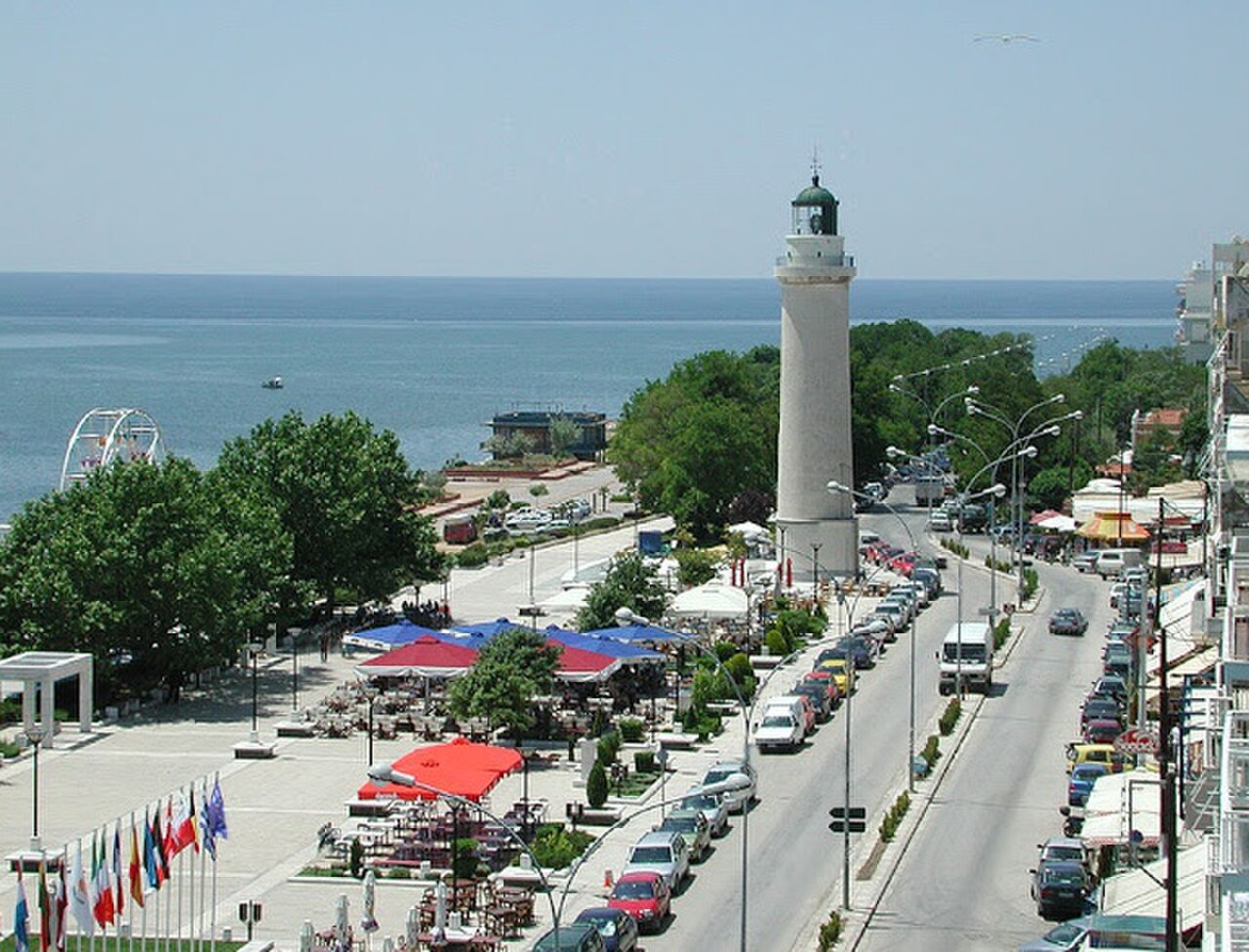
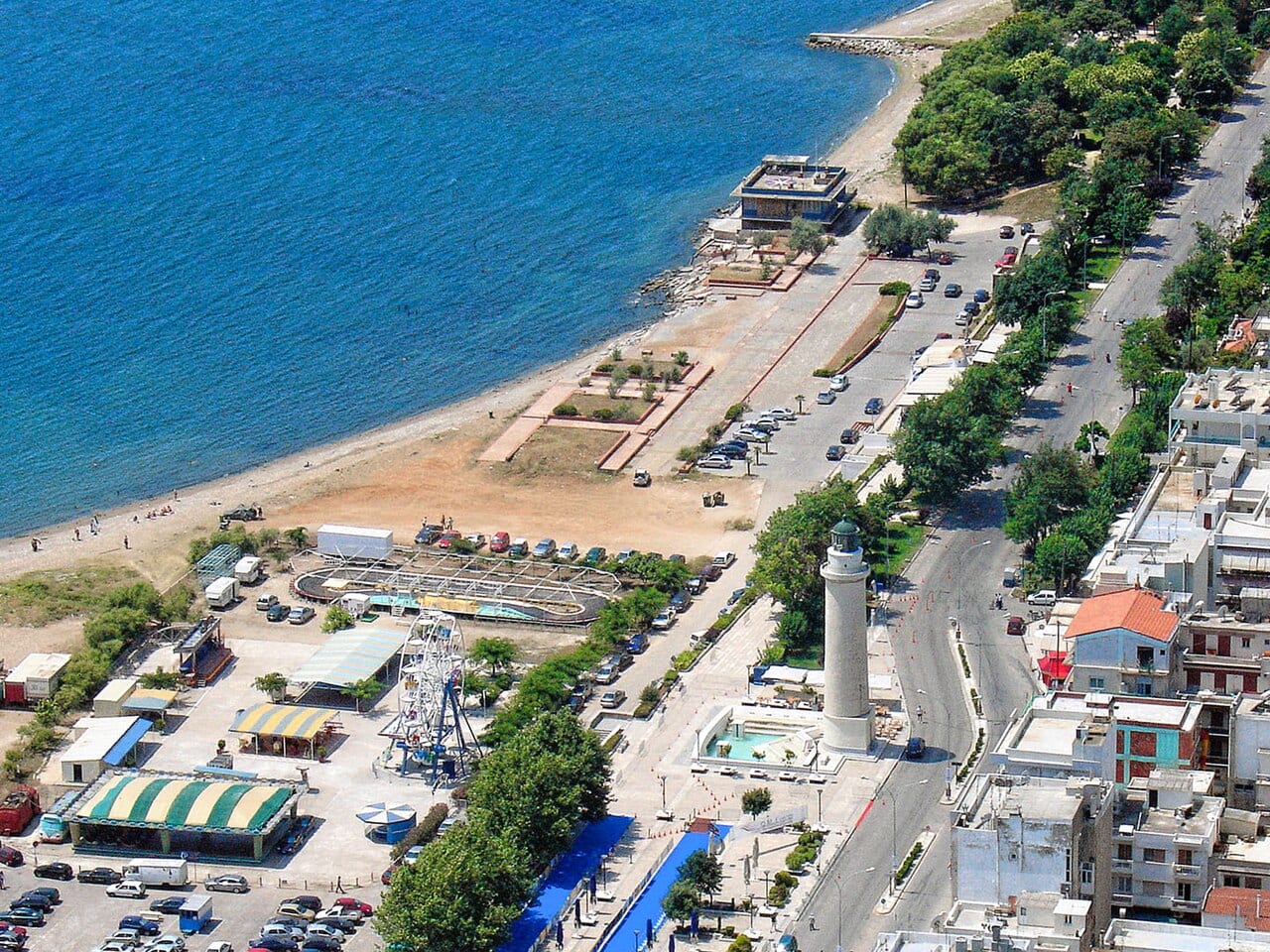
★The Lighthouse of Alexandroupoli is the city's most recognisable monument and one of the most distinctive landmarks of all Thrace. It stands right on the seafront, in the square that bears its name, and is an inseparable part of Alexandroupoli's image. The lighthouse is directly linked to the great growth of Dedeagach in the second half of the 19th century, when the city was developing into a major port and railway hub of the Ottoman Empire. One of the City's Symbols Its construction began around 1850 by the Administration Générale des Phares de l'Empire Ottoman, the French lighthouse administration/company of the Ottoman Empire, and was completed several years later. The Lighthouse was inaugurated and put into operation on 1 June 1880, and has operated continuously ever since. It stands 18 metres tall and is visible from a distance of about 24 nautical miles, roughly 44 kilometres. The lighthouse is built of stone and has an internal staircase leading up to the lamp room at the top. From Oil to Electricity For many decades the lamp ran on oil. In 1973 the old system was replaced, and the lighthouse switched to electric power. The lighthouse's operation is no longer merely a historical memory. It remains an active maritime aid, while the structure itself has been officially designated a monument by the Ministry of Culture. Its Relationship With the Port and the City The Lighthouse's creation should be seen within the wider development of Dedeagach. The city was growing rapidly thanks to the port and the railway, while the lighthouse's presence secured an important navigation point for ships approaching the area. It is therefore no accident that the Lighthouse stands exactly where the city, the seafront avenue and the sea meet today. Its location is part of its story. The Square and the Seafront The area around the Lighthouse is today one of Alexandroupoli's most distinctive public spaces. This is essentially where the experience of the seafront city begins, with the pedestrian walkway, dining spots and views over the Thracian Sea. The square in front of the Lighthouse is also a point from which one can start a walk towards the seafront zone and the port, or towards the western part of the city. In 2026 the Ministry of Culture approved the use of part of Faros Square for cafe seating, with specific restrictions to keep access walkways clear and preserve unobstructed views of the monument and the sea. Can You Go Inside? The Lighthouse's interior is not a permanently visitable museum or sight. It isn't open to visits on a permanent basis, though special activities occasionally take place, such as on World Lighthouse Day, allowing the public to visit the interior and climb up to the lamp room. A Must-See for Every Visitor Even without going inside, the Lighthouse is one of the things no visitor to Alexandroupoli should miss. The best experience is to visit it in the late afternoon, when you can combine: Lighthouse to Faros Square to a walk along the seafront to sea views to coffee or a meal on the waterfront. And of course, it is one of the city's most distinctive photo spots, especially at sunset.
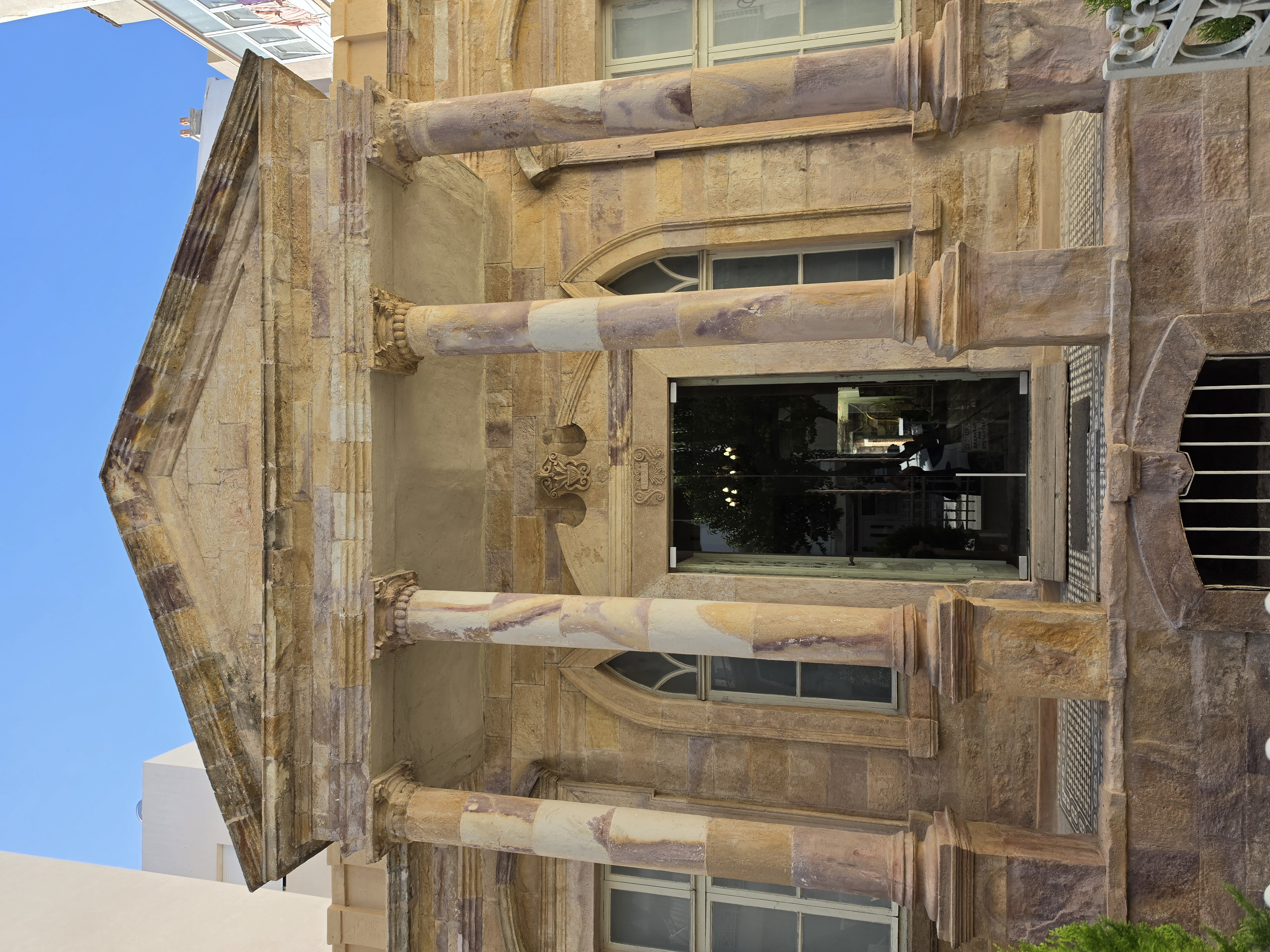 ★
★A beautiful stone neoclassical building from 1899, on 14is Maiou street, houses the Ethnological Museum of Thrace "Angeliki Giannakidou", one of Alexandroupoli's most important museums for getting to know the folk culture and daily life of Thrace. The museum has operated since 2002 and was founded by Angeliki Giannakidou to preserve, study and promote the historical and cultural memory of Thrace. Daily Life in Thrace The museum's collection includes around 5,000 objects, along with significant photographic and archival material, while more than 500 objects are on permanent display. The material mainly covers the period from the late 17th to the early 20th century. This isn't simply a collection of old objects. The exhibition tries to show how the people of Thrace lived, worked, dressed, ate and celebrated, presenting the region's culture through everyday life. What You'll See The permanent exhibition is organised into thematic sections presenting different aspects of life in Thrace. The ground floor presents, among other things, traditional Thracian costumes, maps and information about the region, music and worship, ceramics, metalwork, and food along with pre-industrial confectionery. The basement presents activities and products linked to Thrace's agricultural and productive life, such as farming land and grain, sorghum, honey, water, wine and tobacco. The courtyard and adjoining building also present traditional productive activities such as sesame-oil pressing, dye works and textile processing. A Culture of Many Influences One of the museum's interesting features is that Thracian tradition is presented as the result of the coexistence and interaction of different populations, cultures and religious traditions that lived in the region. This is why the visit isn't only about Greek traditional customs, but helps visitors understand the cultural richness and diversity of Thrace. A Living Museum The Ethnological Museum of Thrace is not limited to its permanent collection. It holds archival material, photographs, a library and recordings from fieldwork, and runs temporary exhibitions, events, educational activities and research into the intangible cultural heritage of Thrace. The museum also organises activities that bring traditional music, songs, customs and oral traditions to the fore, maintaining its relationship with local communities. The Building Itself The building itself is worth noting too. It is a stone neoclassical building from 1899, a distinctive example of the architectural heritage of old Alexandroupoli. The building's history is part of the visiting experience. Why It's Worth a Visit If you want to get to know Alexandroupoli and Thrace beyond the beaches and modern sights, the museum is a very good stop. Through the costumes, tools, everyday objects, traditional techniques and productive activities, Thrace is presented through its people and way of life. And because it is in the centre of Alexandroupoli, it can easily be combined with a walk through the market and the area's historic buildings.
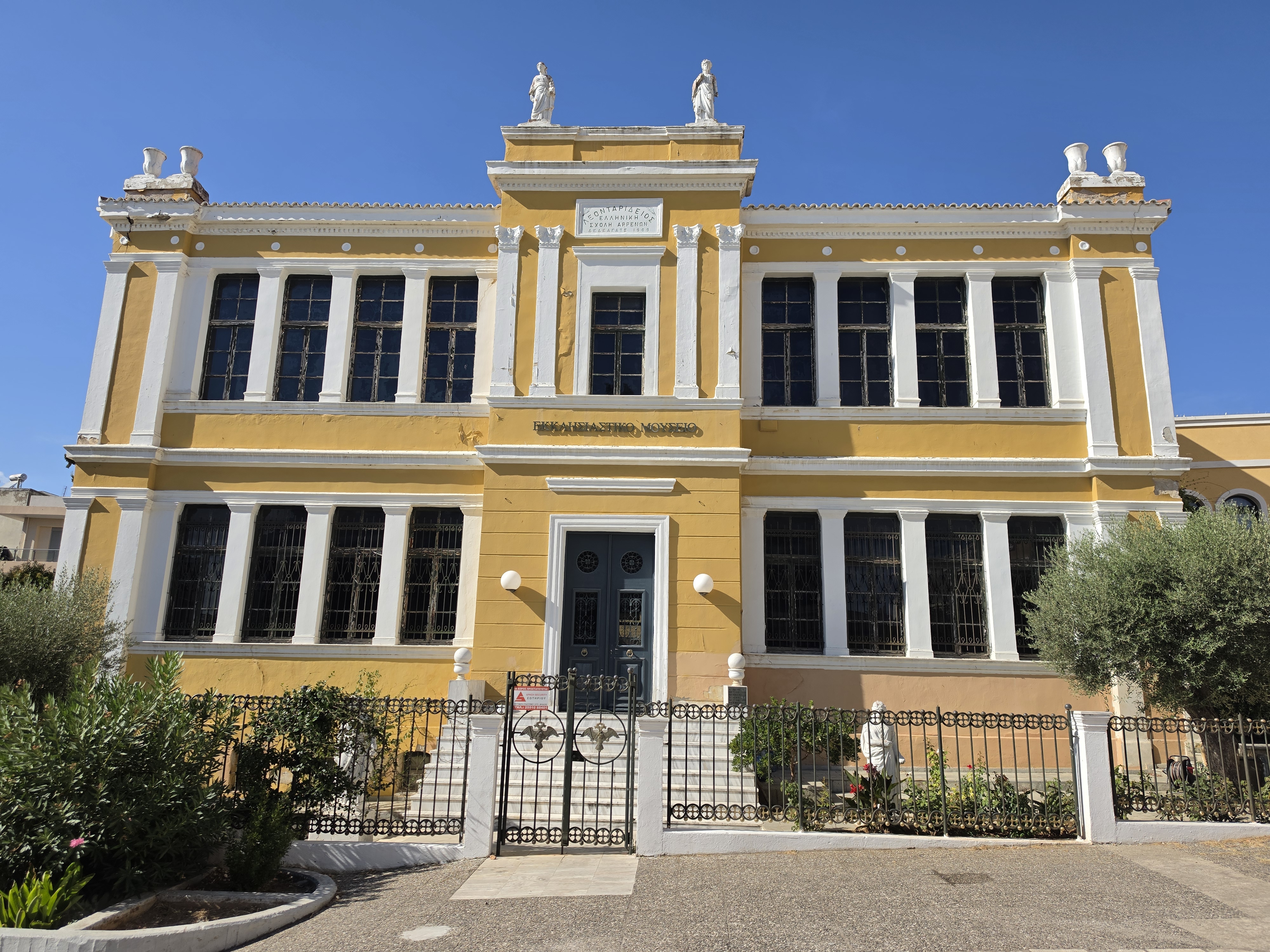
In the heart of Alexandroupoli, on the Metropolis square, stands the Ecclesiastical Museum of the Holy Metropolis of Alexandroupoli, one of the most important places to learn about the ecclesiastical and refugee history of Thrace. Since 1982 the museum has been housed in the Leontarideios School, a historic neoclassical building next to the Metropolitan Church of Agios Nikolaos, which has been designated a listed monument. The museum was founded in 1976, and its collection comprises more than 400 items of ecclesiastical art, gathered mainly from churches and monasteries of the ecclesiastical province of Alexandroupoli. Icons and Ecclesiastical Art At the core of the collection are portable icons, representing different categories and iconographic types of the Orthodox tradition. There are icons of Christ, the Virgin Mary and saints, iconostasis icons, pilgrimage icons, as well as post-Byzantine works. Most of the works date to the 18th and 19th centuries, with some older pieces reaching back to the 15th century. Of particular interest are the dedicatory inscriptions that preserve the names of painters, donors and sponsors, offering valuable information on the history and artistic output of the region. More Than Icons The collection is not limited to icons. It includes sacred vessels, priestly vestments, woodcarvings, liturgical books and early printed books, as well as other objects linked to the region's religious life and ecclesiastical tradition of Thrace. The exhibition is organised across eight rooms, each presenting a different facet of ecclesiastical art and heritage. Of special value are also the heirlooms brought by refugees from Eastern Thrace and other parts of wider Thrace, preserving not only the ecclesiastical but also the personal history of the communities that settled in the Alexandroupoli area. The Leontarideios School The building housing the museum is itself worth noting. The Leontarideios School is an important part of the city's history and has been a listed monument since 1978. The museum moved in in 1982 and reopened in 2000, following conservation work on the building and its exhibits and a new museological presentation. Combine Your Visit A visit to the Ecclesiastical Museum can easily be combined with the Metropolitan Church of Agios Nikolaos, right next door. The church was founded in 1892 and inaugurated in 1901, and is one of Alexandroupoli's most important historical and religious monuments. The church also houses the important carved wooden icon of Panagia Trifotissa, brought to Alexandroupoli by refugees from Ainos and dating to the late 13th century. A visit to the Metropolis square can thus become a small cultural walk combining the Metropolitan Church of Agios Nikolaos, the Ecclesiastical Museum, and the history of Thrace's refugee communities. Why It's Worth Visiting The Ecclesiastical Museum is particularly interesting for those who want to learn about the history of Thrace through objects preserved from churches, monasteries and refugee families. The icons, vestments, liturgical objects and early printed books are not merely works of art, but testimonies to the religious life and historical journey of the region's communities.
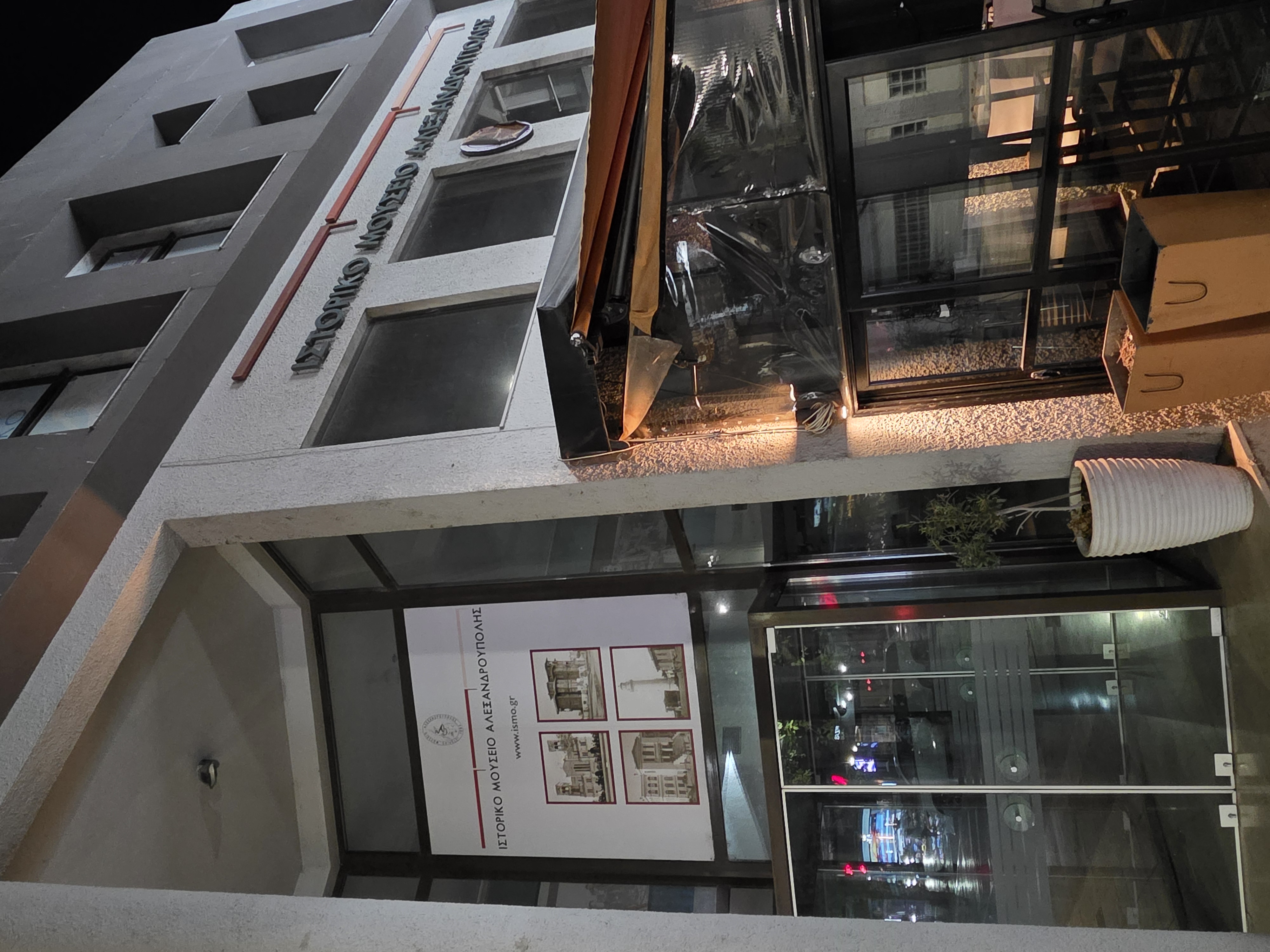
In the heart of the city, opposite the Town Hall, the Historical Museum of Alexandroupoli is a space of memory and knowledge dedicated to the history of Alexandroupoli and the wider region. Through photographs, objects, archival material, reconstructions and modern audiovisual media, visitors can follow the city's journey from its founding to the present day. The museum opened its permanent exhibition on the history of Alexandroupoli in June 2011, while a second permanent exhibition, dedicated to the collection of folklorist Eleni Filippidi, was completed in 2015. The History of Alexandroupoli The main permanent exhibition presents the history of the city and the region through different thematic sections. Visitors learn about the area's archaeological heritage, the founding and growth of Alexandroupoli, the era of Dedeagach, and the decisive role played by the railway and the port in the city's creation and economic development. The exhibition continues with Alexandroupoli's urban and architectural character, its economic and political trajectory, its intellectual and social life, and the different population groups that helped shape the city. The museum thus does not simply present a series of old objects, but narrates how Alexandroupoli itself was created and evolved. From Dedeagach to Modern Alexandroupoli Of particular interest to visitors is the city's history before and during the early years of the Greek period. The exhibition helps convey how a relatively new settlement grew into a major port and railway hub of Thrace. The railway, the port, commercial activity and the multicultural composition of the population were key elements of the city's development, and are presented through records and visual material. The Eleni Filippidi Collection A significant part of the museum is the permanent exhibition drawn from the collection of folklorist Eleni Filippidi, a figure with a significant presence in Alexandroupoli's cultural life. The exhibition is dedicated to the Sarakatsani of Thrace, and in particular to the life of Sarakatsani women and their nomadic way of life. It presents traditional costumes, everyday objects, reconstructions and works of art. Of particular note is the collection of "panaoules", the distinctive Sarakatsani women's aprons, which carried not only a practical use but also a special symbolic character. A Museum That Stays Active The Historical Museum is not limited to its permanent exhibitions. It holds archival material and a library, and functions as a space for culture, research and education. Its premises host talks, conferences and workshops, book presentations, literary events and temporary exhibitions, while also organising educational programmes and excursions of historical and cultural interest. The museum thus carries out activity that goes beyond a simple visit to its collections, and stands as an active cultural institution of Alexandroupoli. A Good Place to Start Getting to Know the City For a first-time visitor to Alexandroupoli, the Historical Museum is especially useful as a starting point for understanding the city before exploring it. After the visit, many of the places one encounters on a walk through the city, from the railway and the port to the old buildings and the different neighbourhoods, gain more historical context.
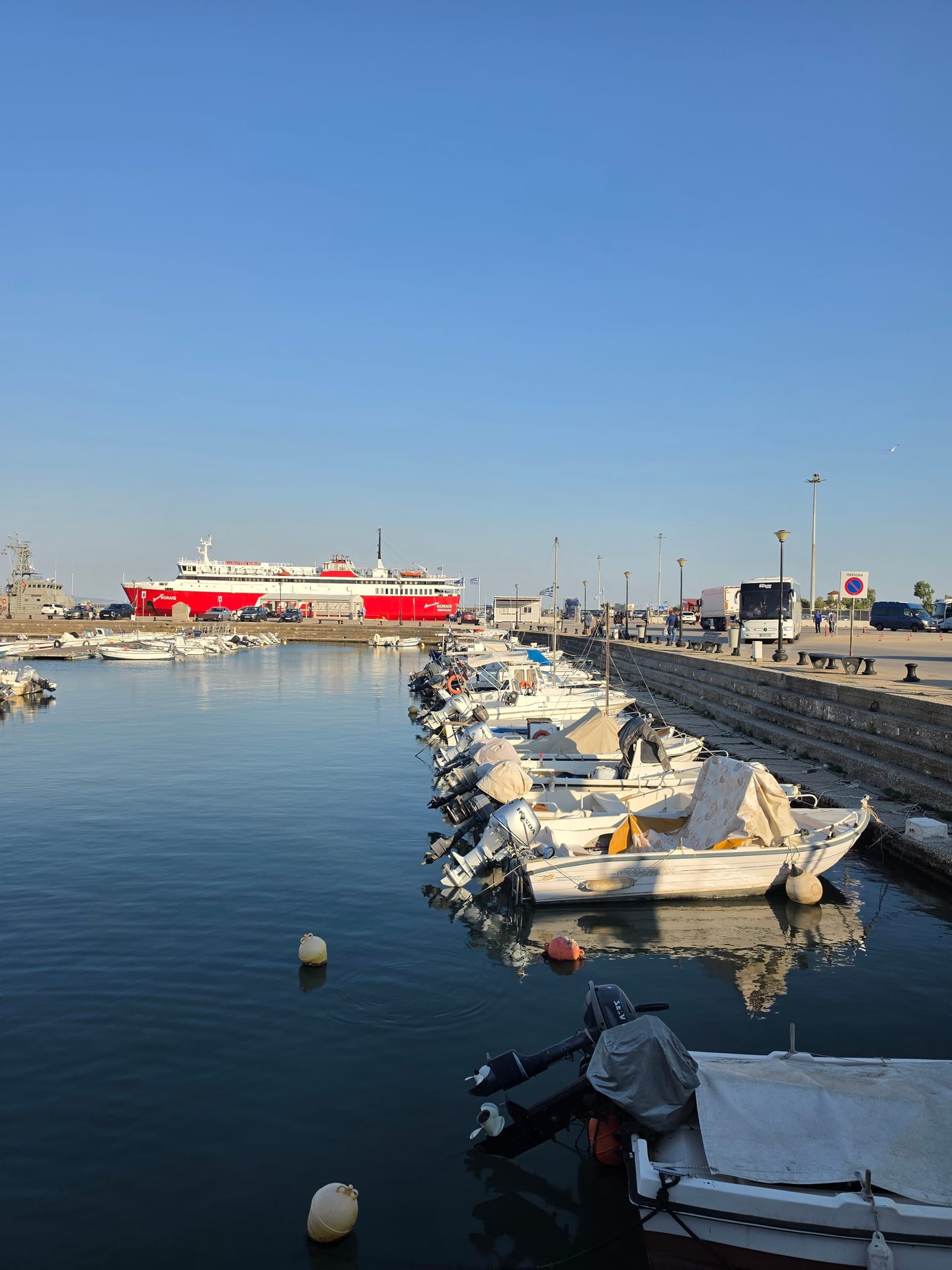
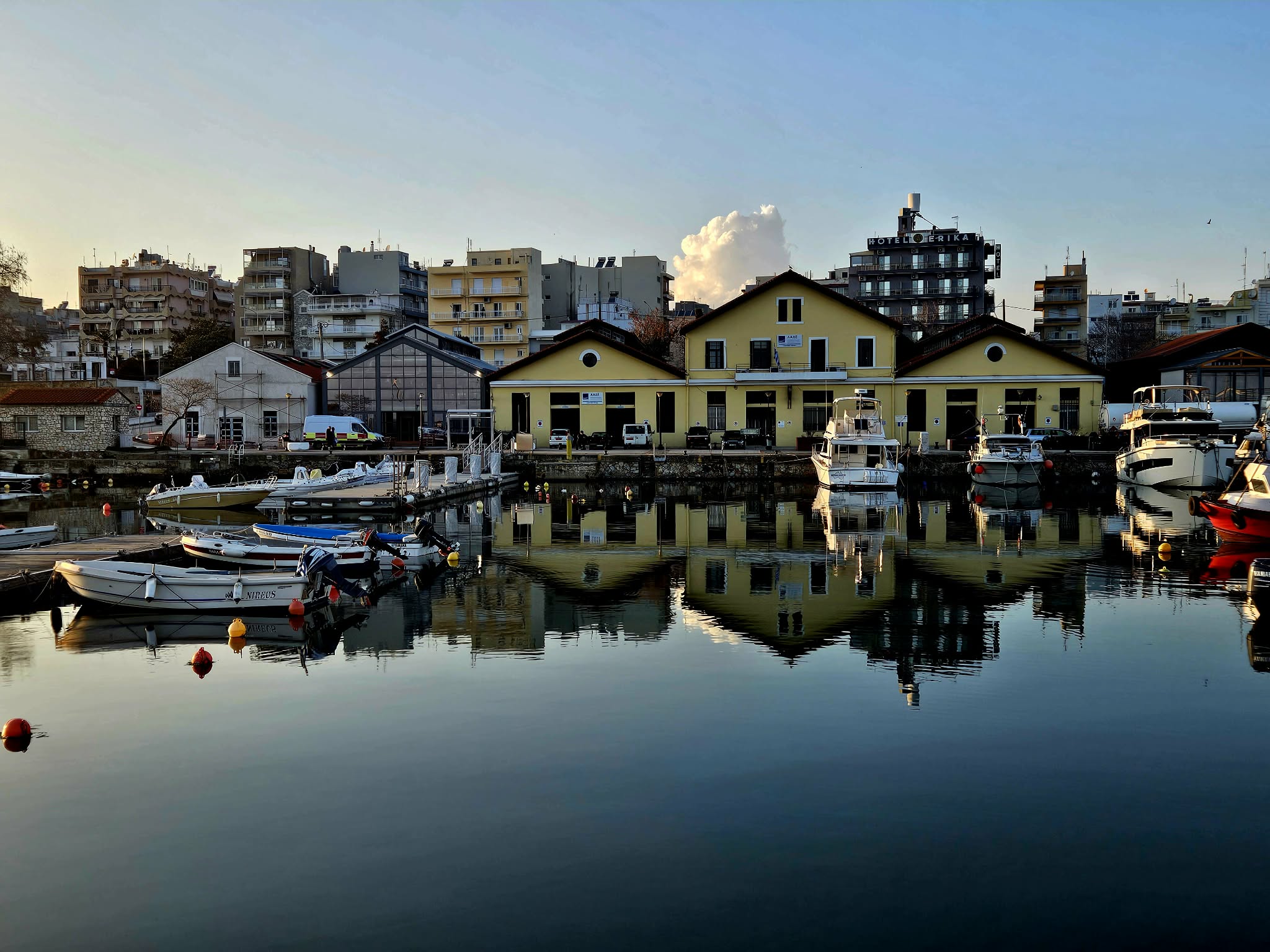
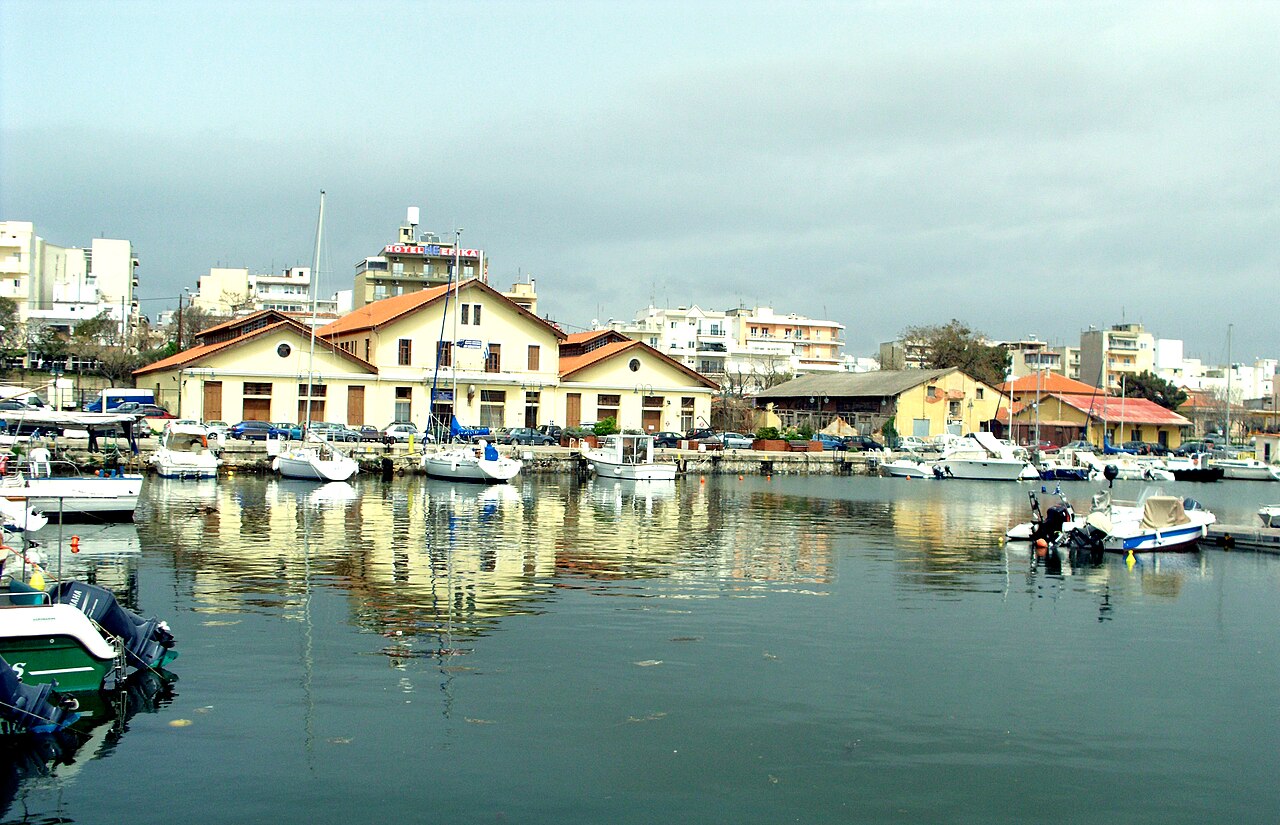
The port of Alexandroupoli is the city's gateway to the Thracian Sea - ferries to Samothraki depart from here, along with seasonal routes to other destinations, while the redeveloped pier has become one of the city's favourite places for a walk. What Visitors Will See The renovated Port Warehouses: The old stone warehouses from the late 19th century, which once served the railway, have been fully rebuilt and are now a modern architectural showpiece of the pier, housing cultural and dining venues. The Anchor Monument: A large, historic ship's anchor placed at the port as a symbol of Alexandroupoli's maritime heritage. The traditional fishing pier: On the eastern side, moored caiques, fishing boats and local fishermen laying out their nets. The passenger pier and ferries: Where the larger scheduled ferries dock, offering the classic scene of a busy maritime hub. Unobstructed views of the open sea: From the end of the pier, a panoramic view of the Thracian Sea, with the mountain of Samothraki clearly visible on the horizon. What Visitors Will Find Cultural and exhibition spaces: Inside the redeveloped warehouses, multi-purpose venues host temporary art, photography exhibitions and cultural talks. Restaurants and cafés on the water: Modern dining spots inside the warehouses, serving food, coffee or drinks with a view of the moored boats. A place to walk the pier: A clean, paved area, ideal for a walk literally out into the sea, away from traffic. Gateway to Samothraki: Ticket offices and boarding facilities for travellers departing for the island.
Curated
Overnight Stay
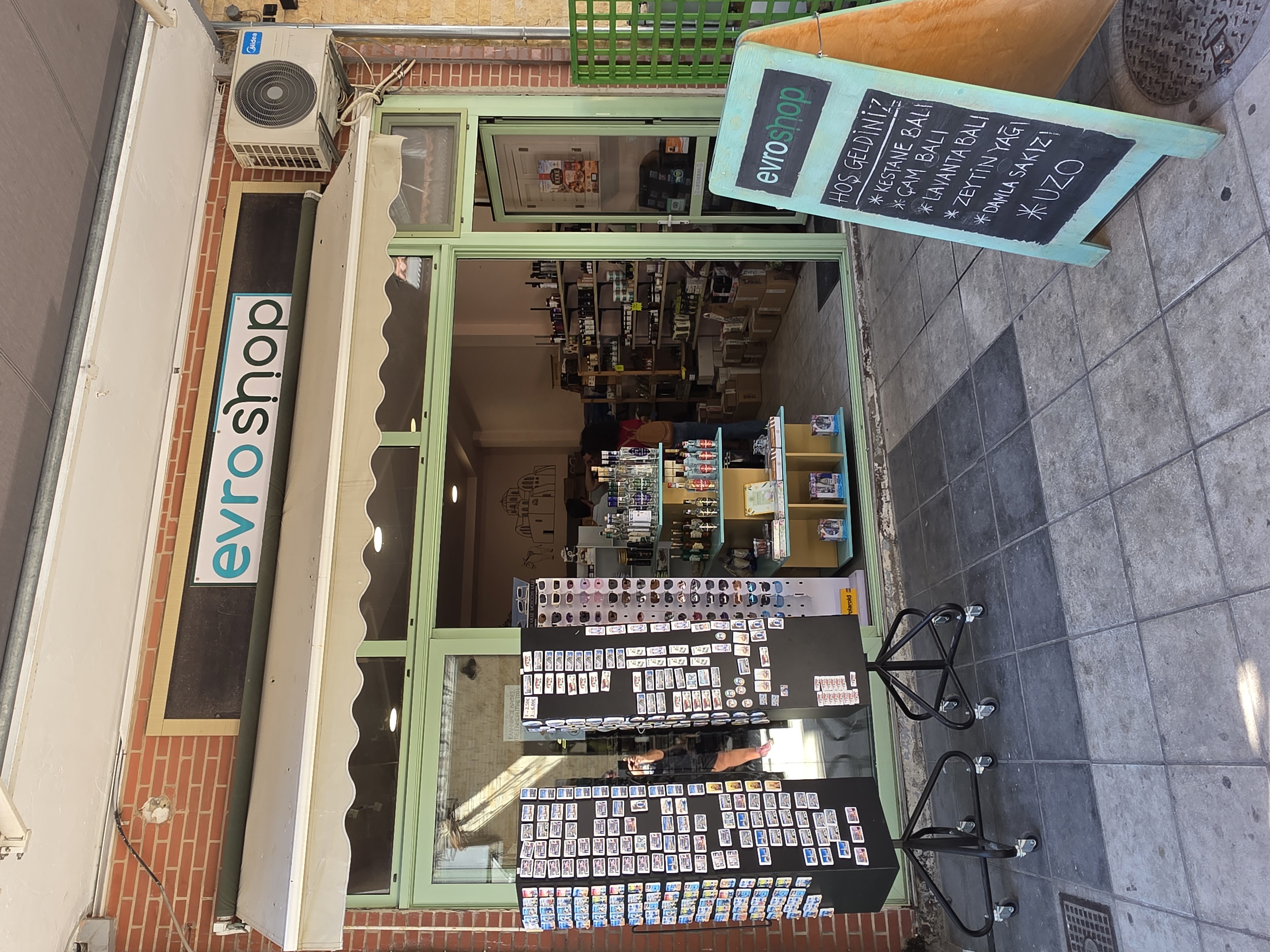
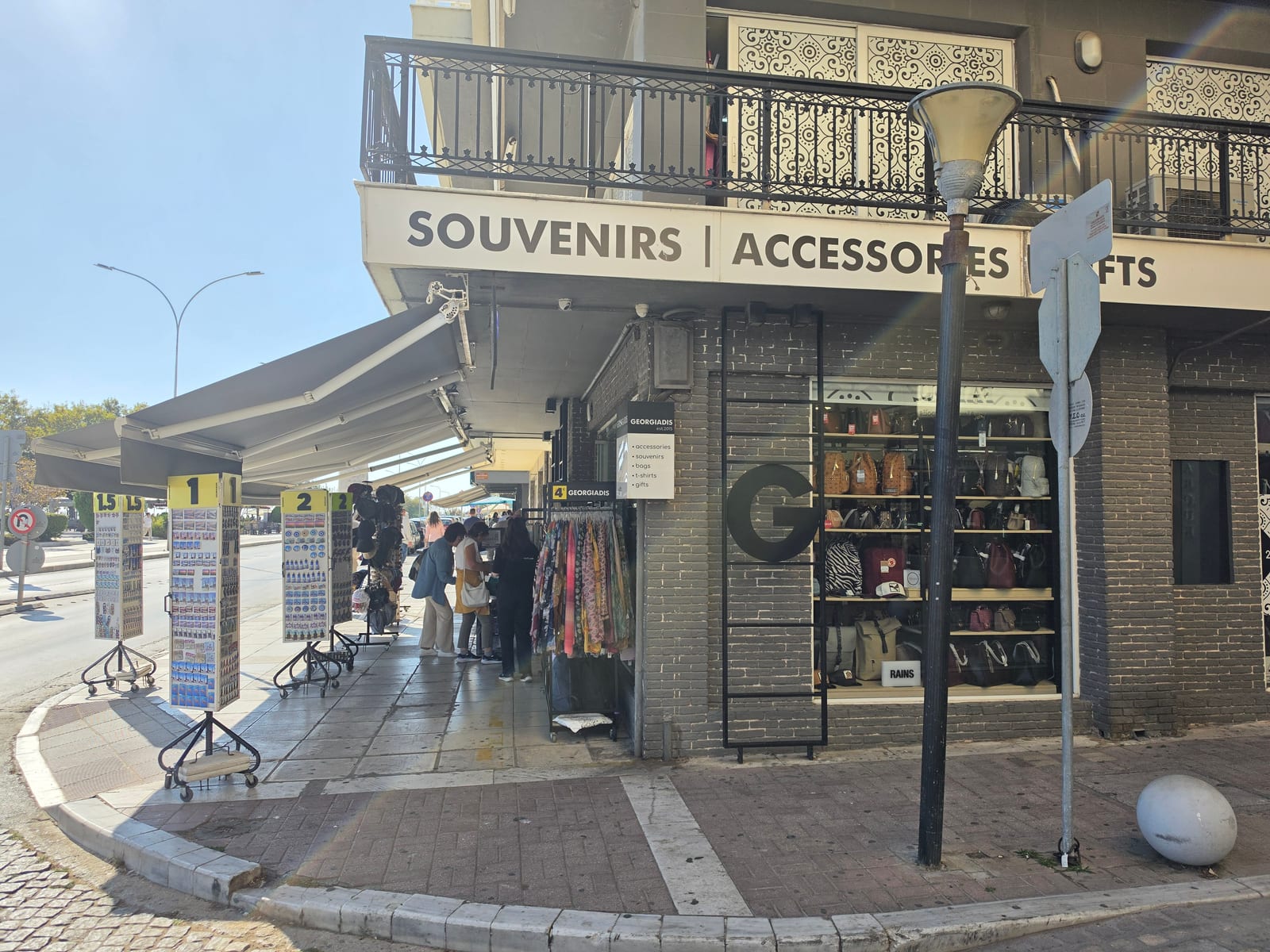
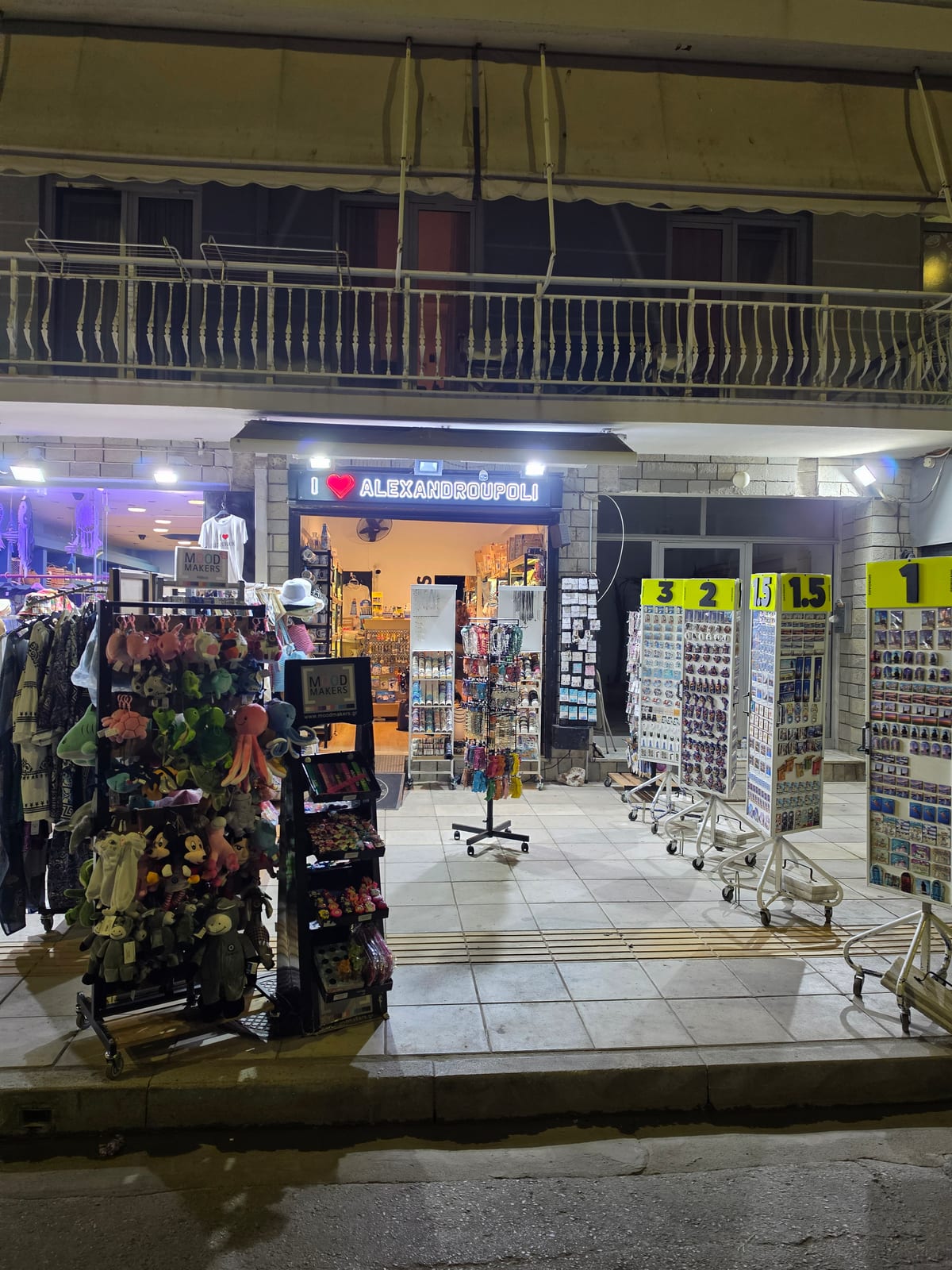
Shopping & Souvenirs
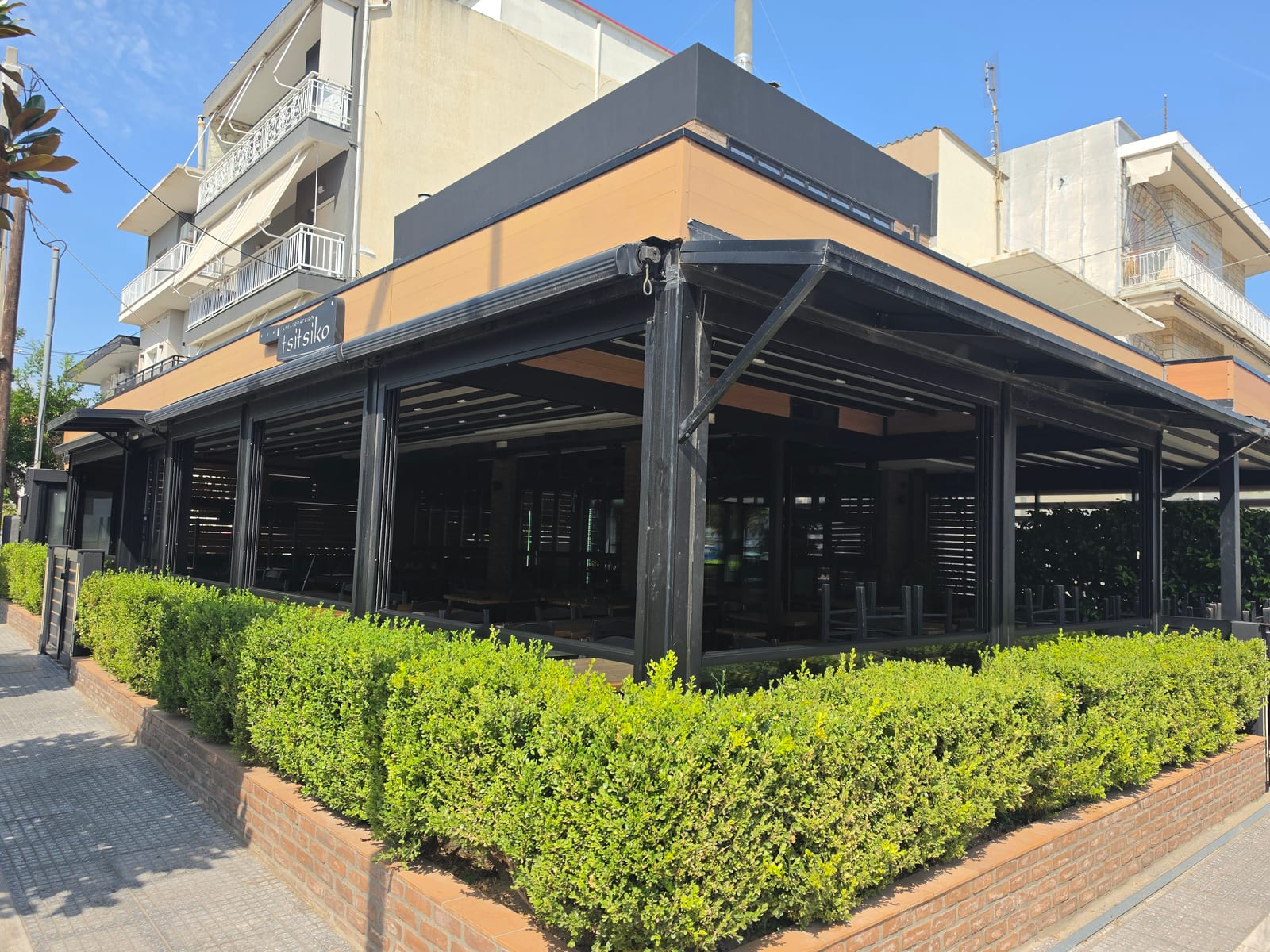
Flavours of Alexandroupoli
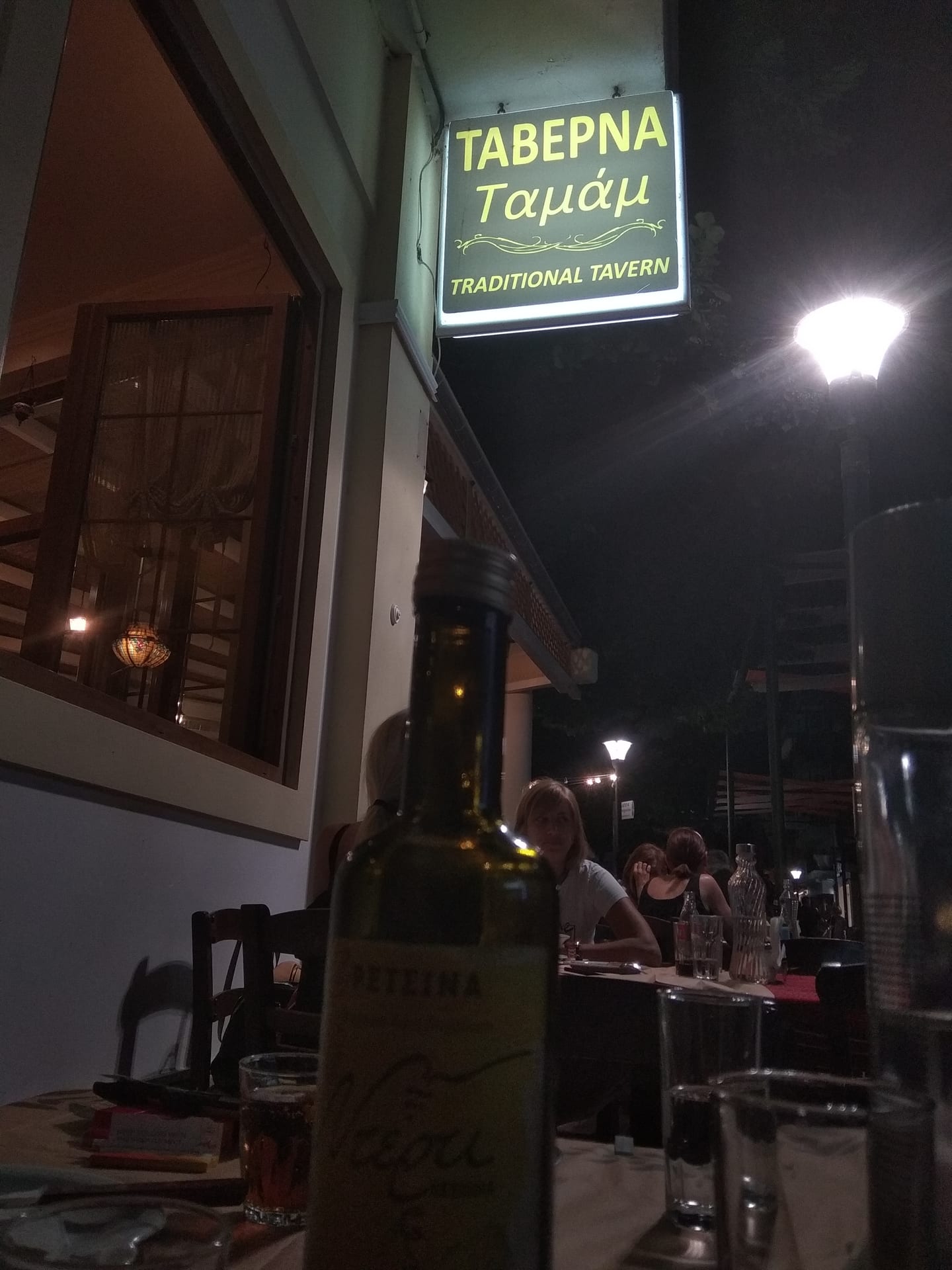
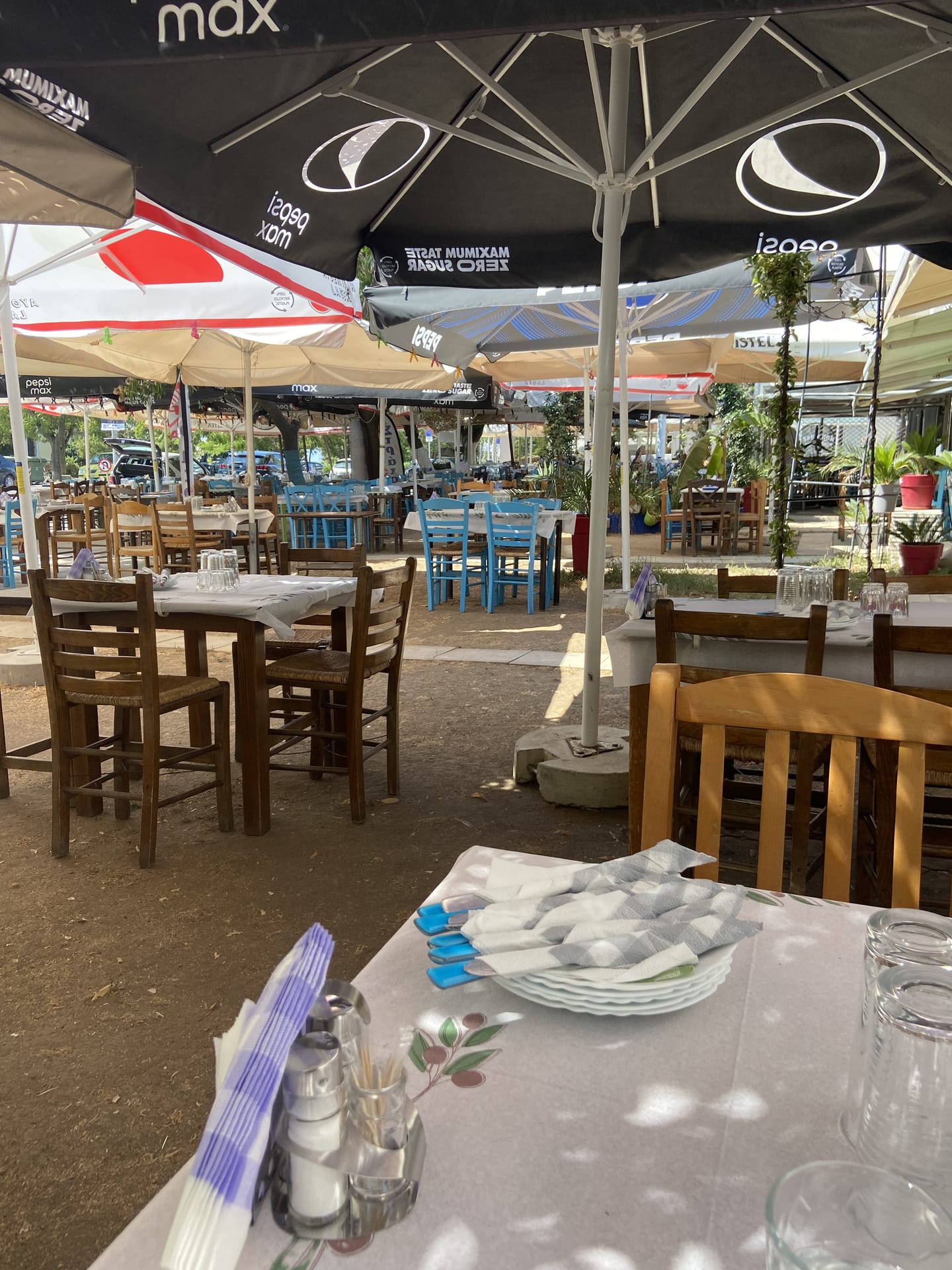
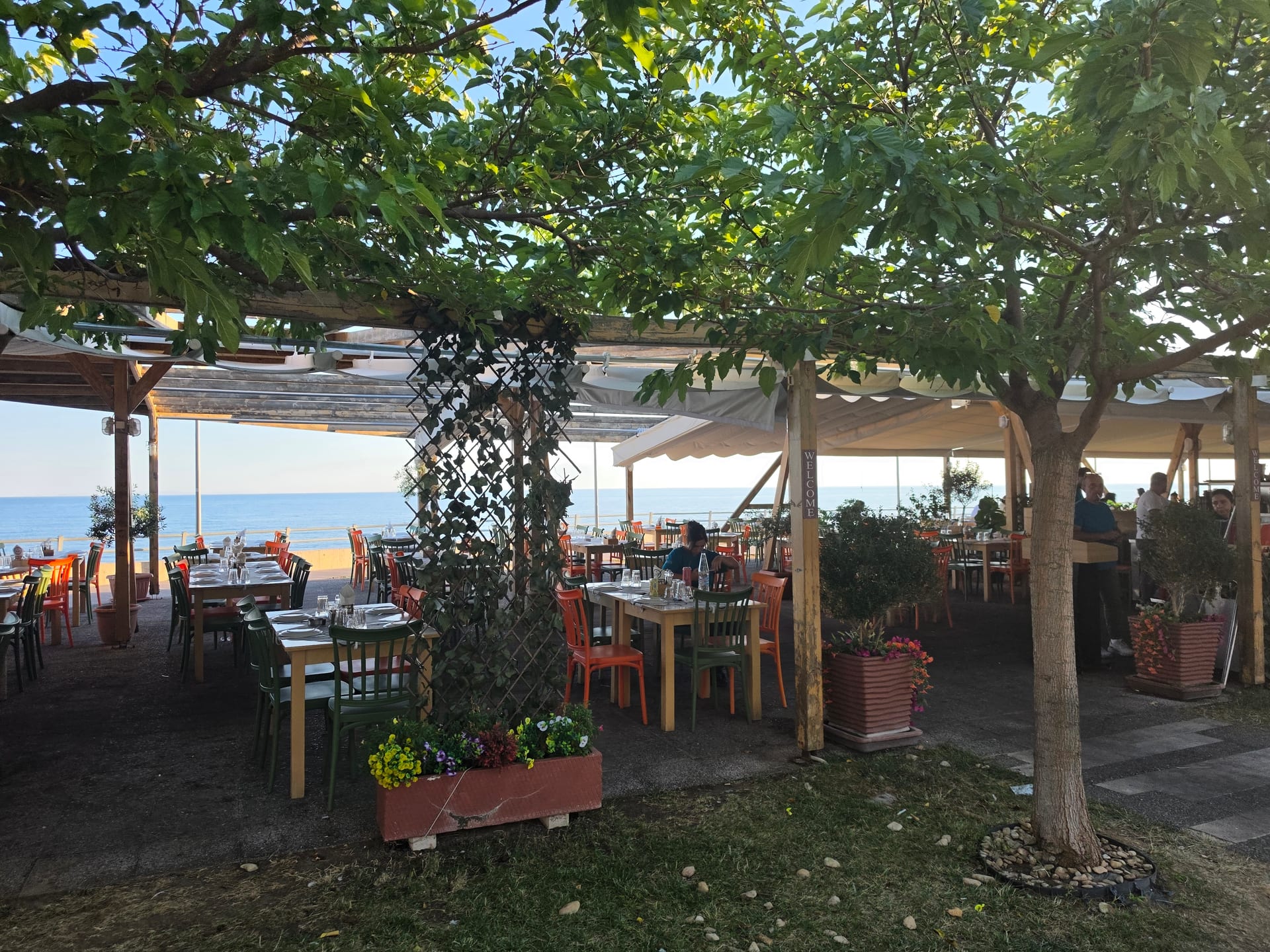
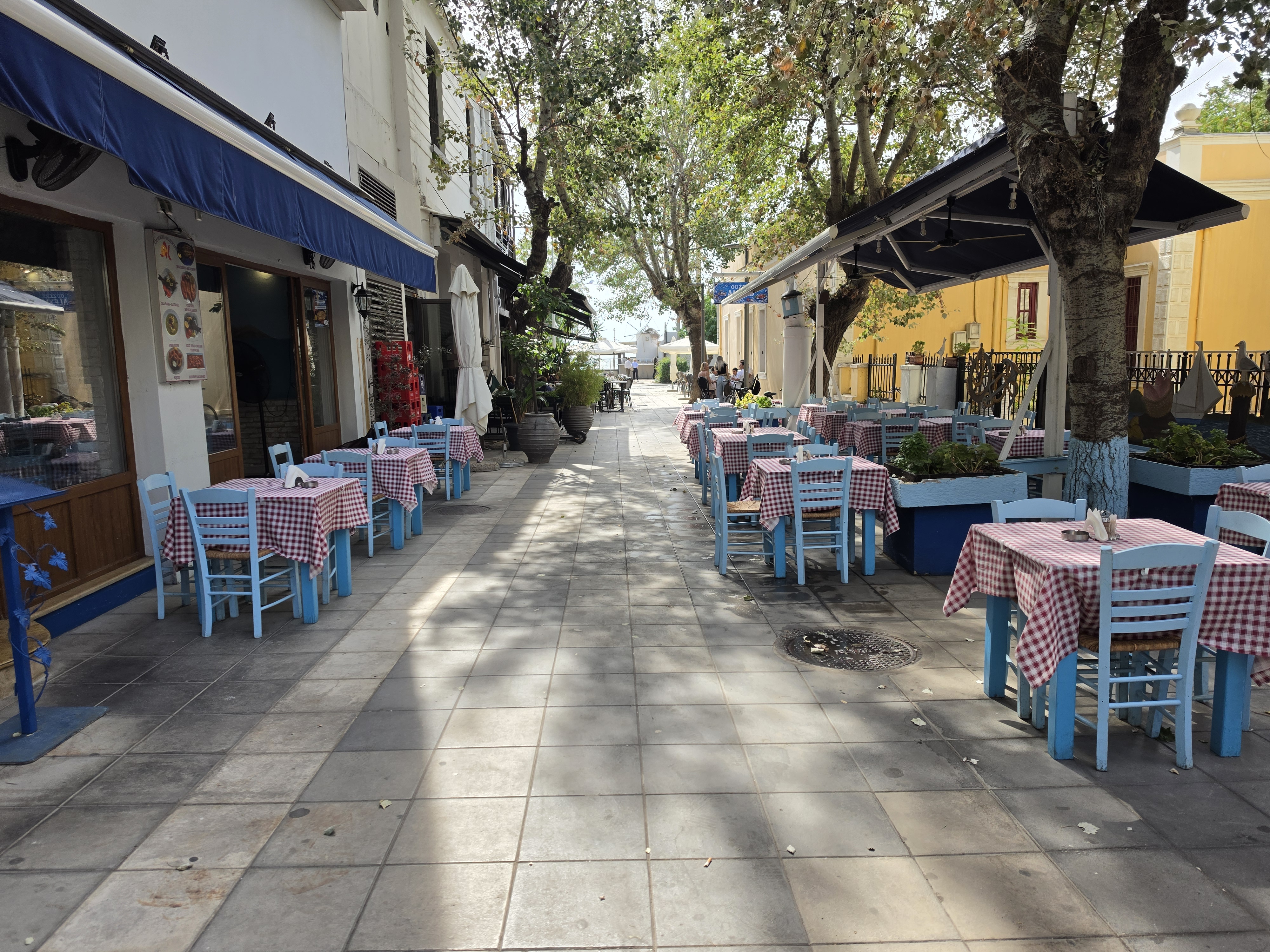
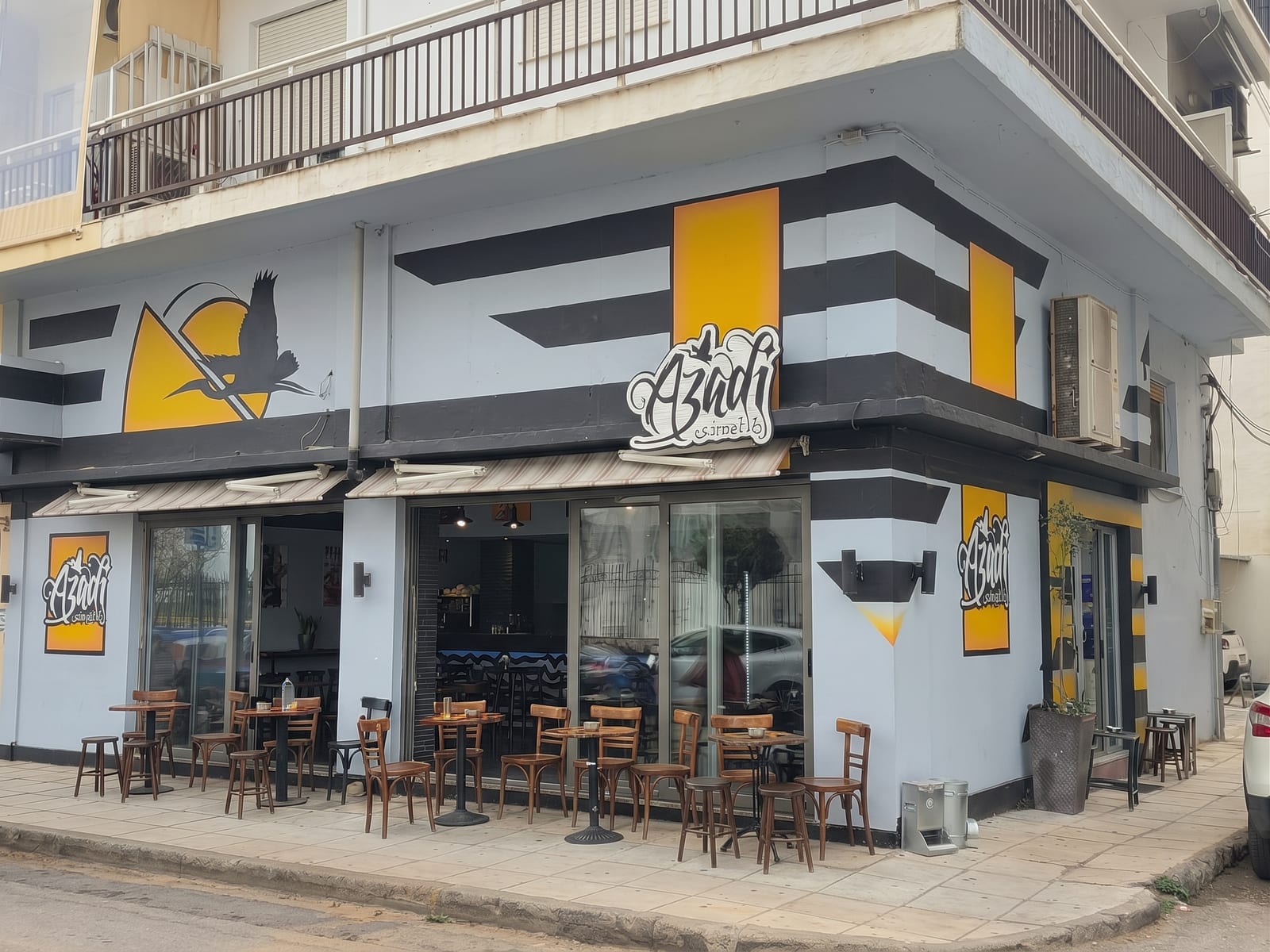
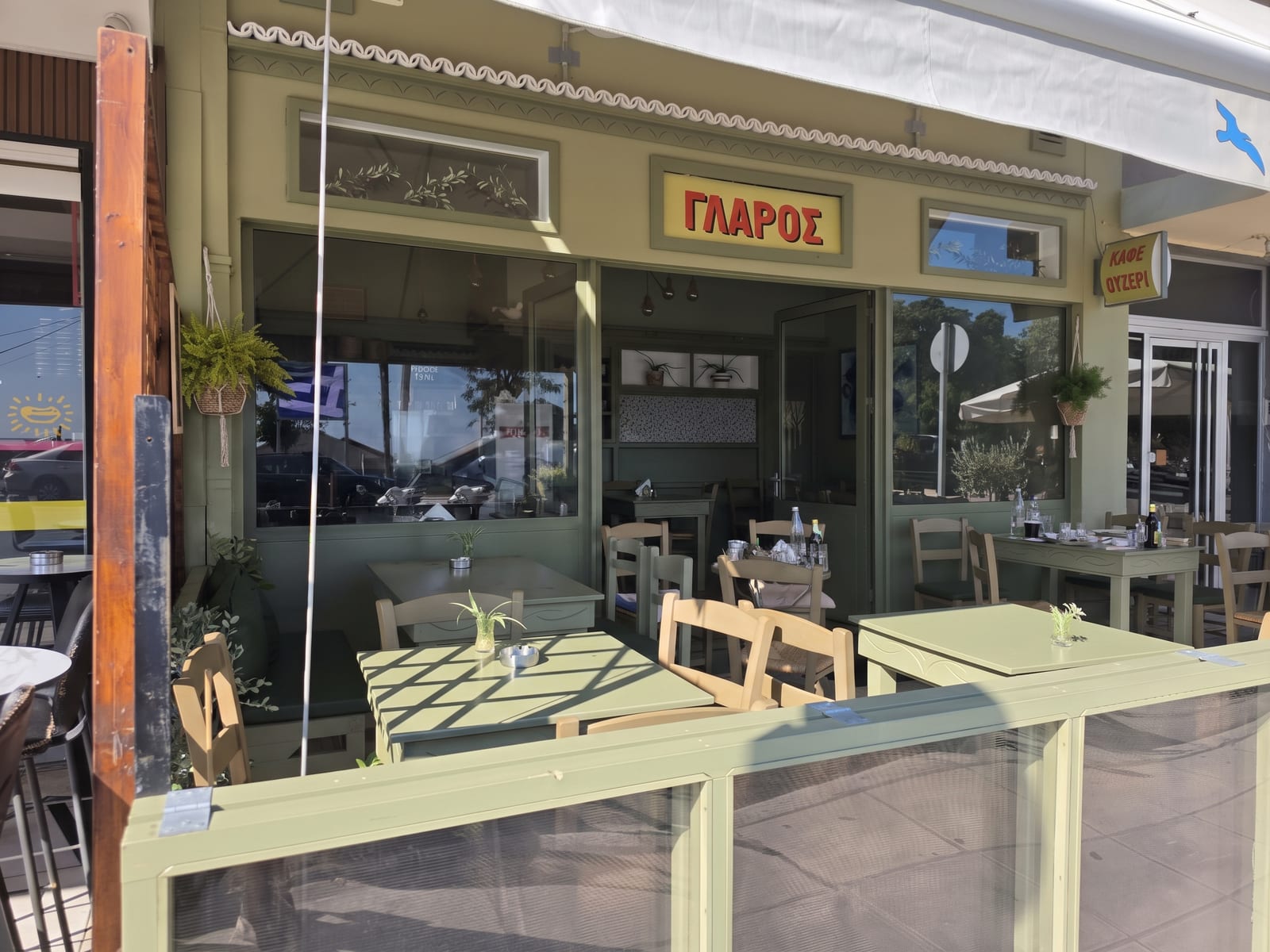
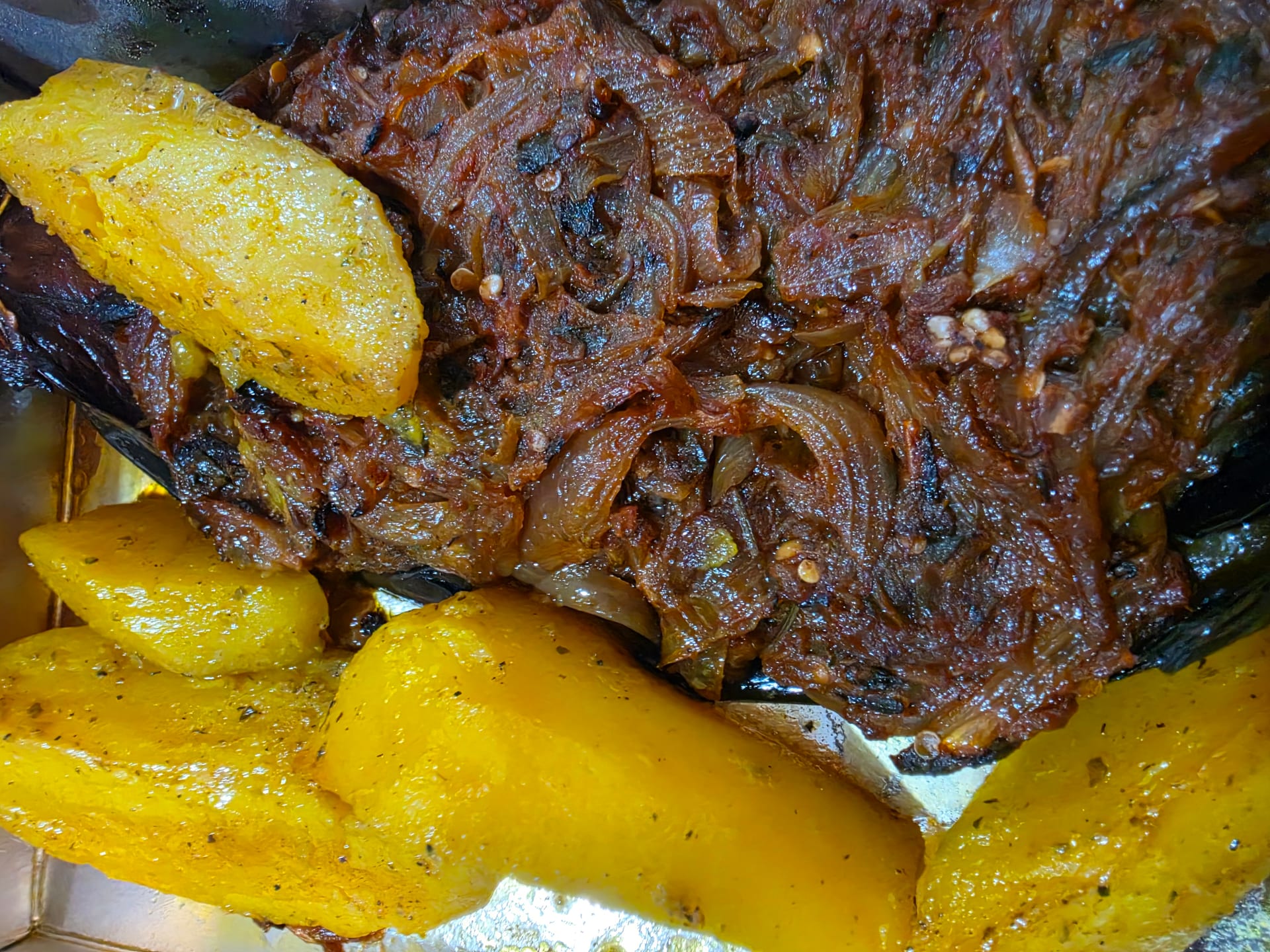
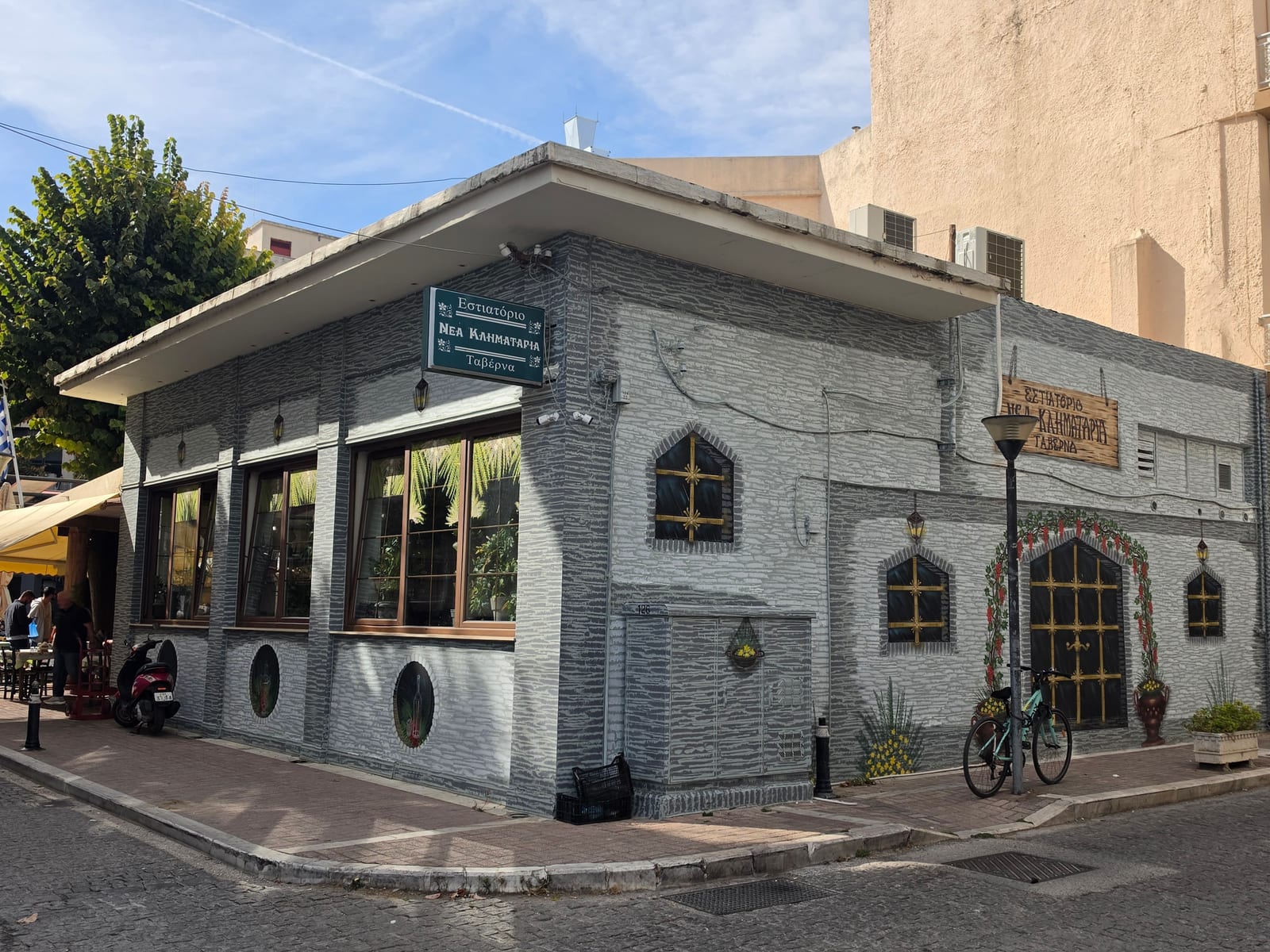
A traditional taverna, ideal for a relaxed meal with family or friends.
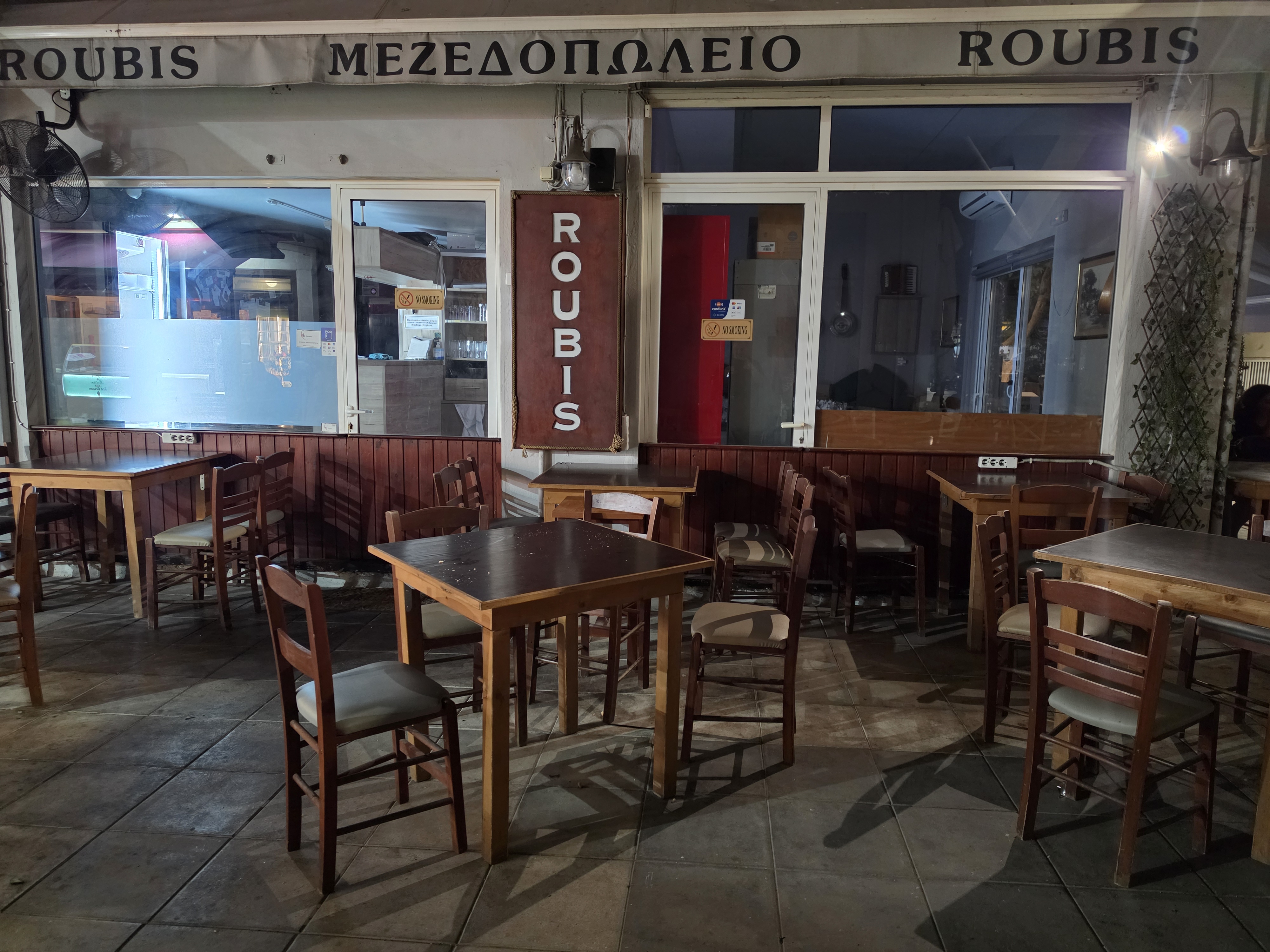
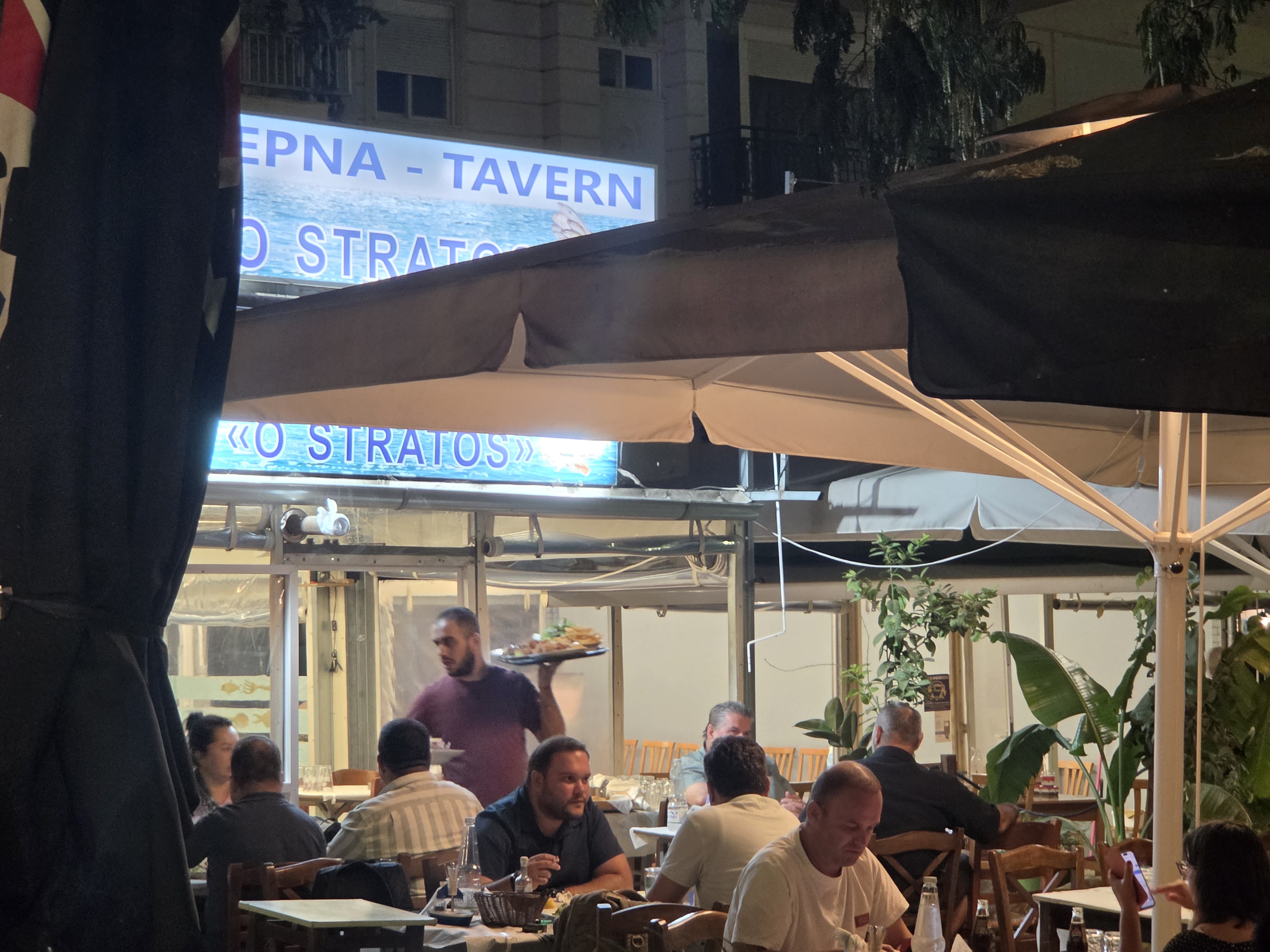
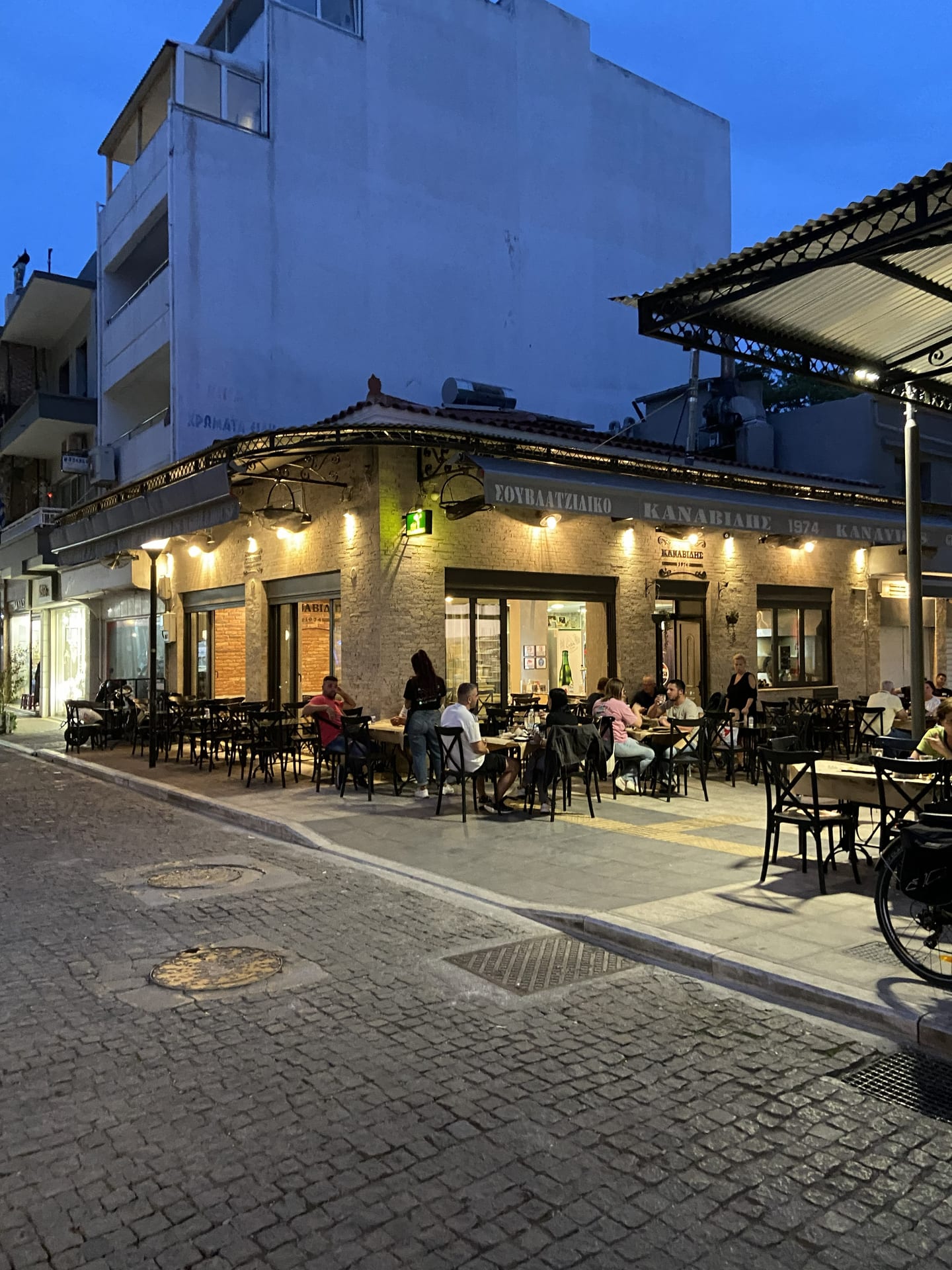
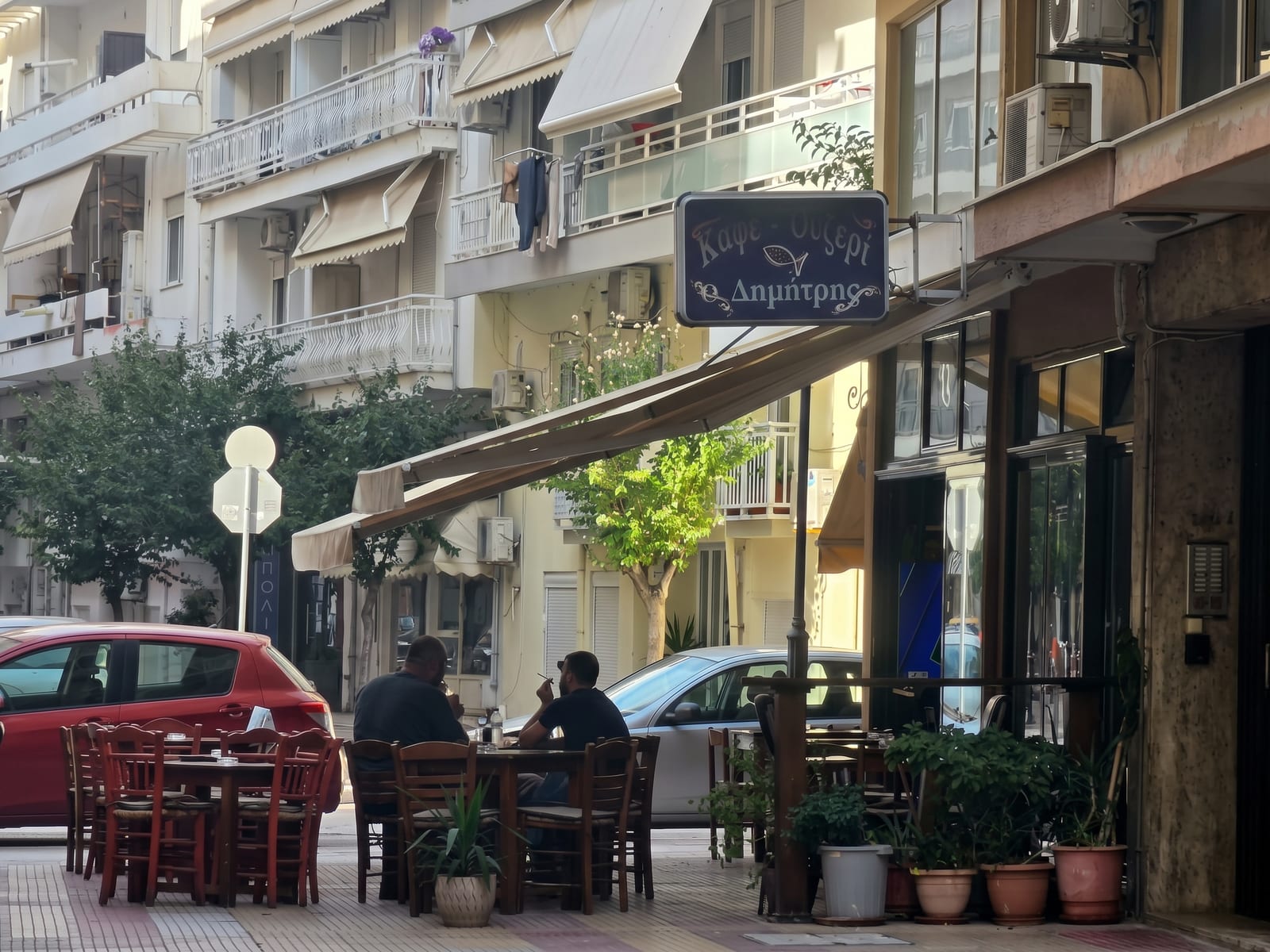
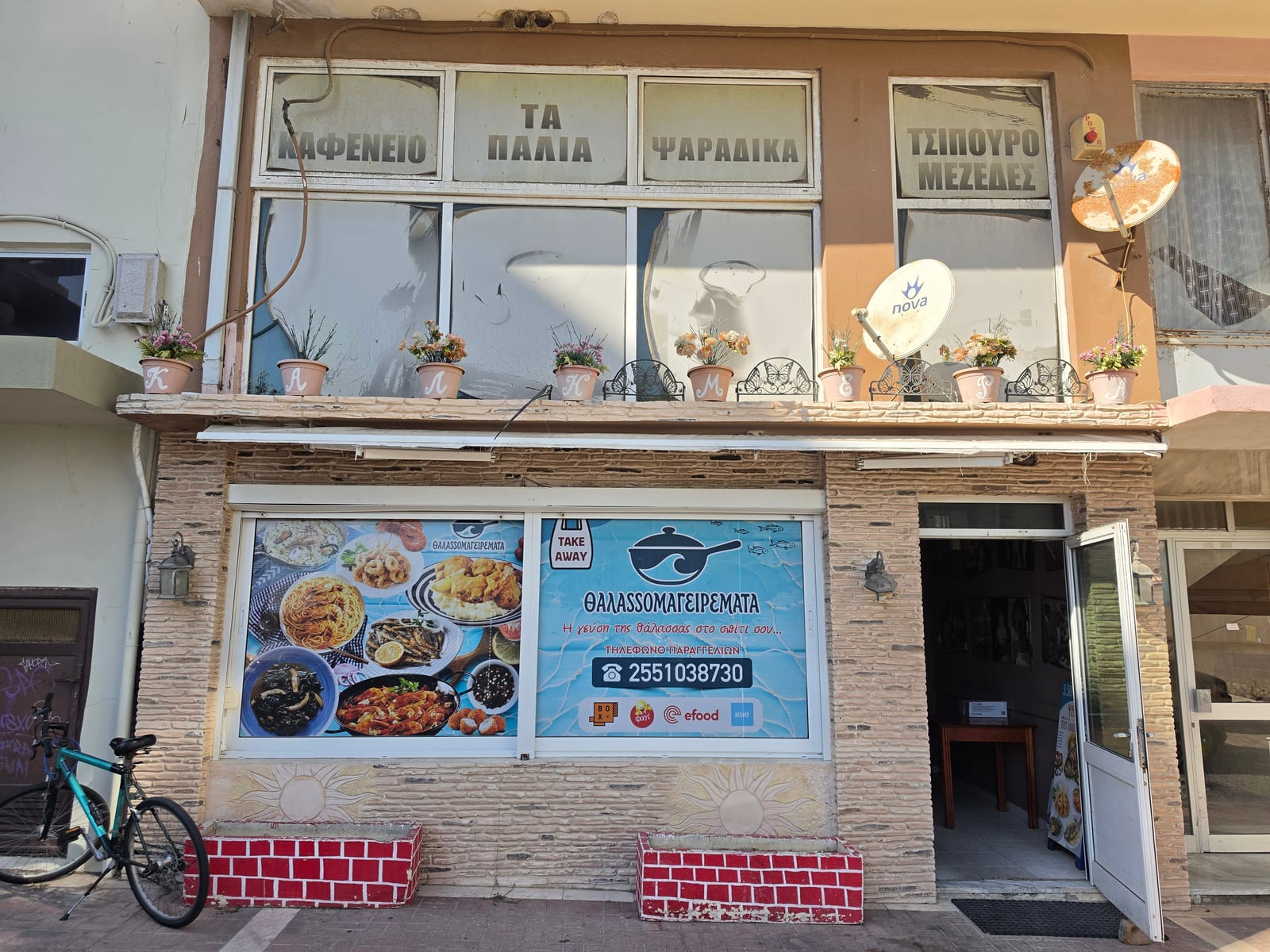
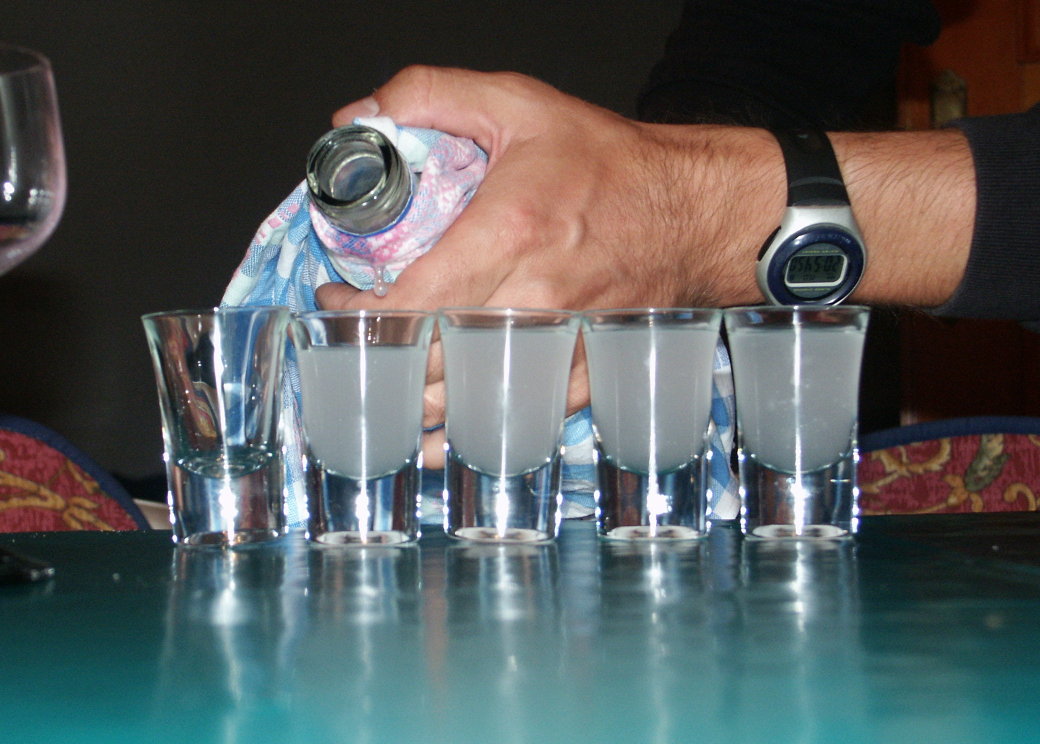
A meze house, perfect for ouzo or tsipouro with plenty of small plates to share.
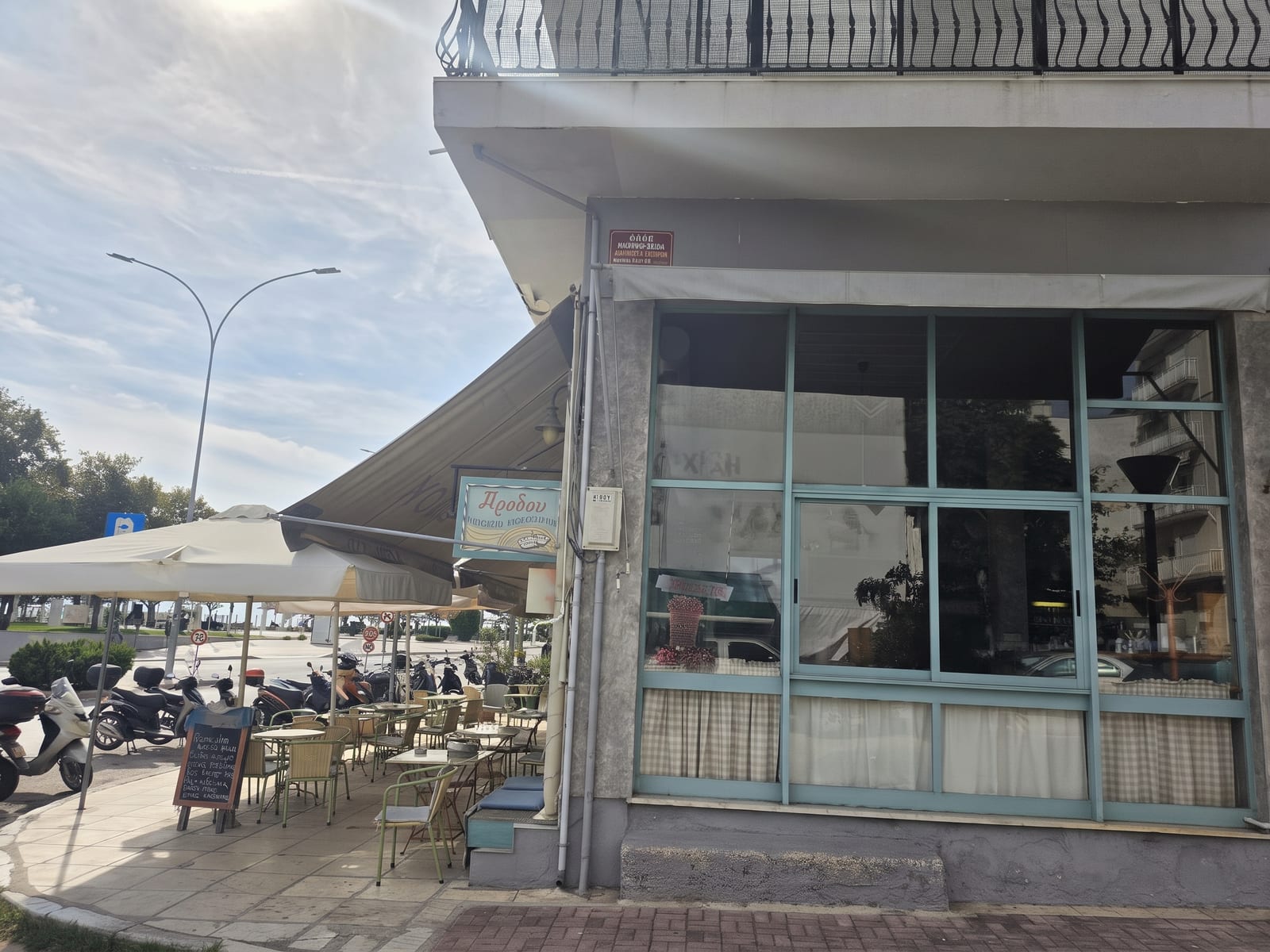
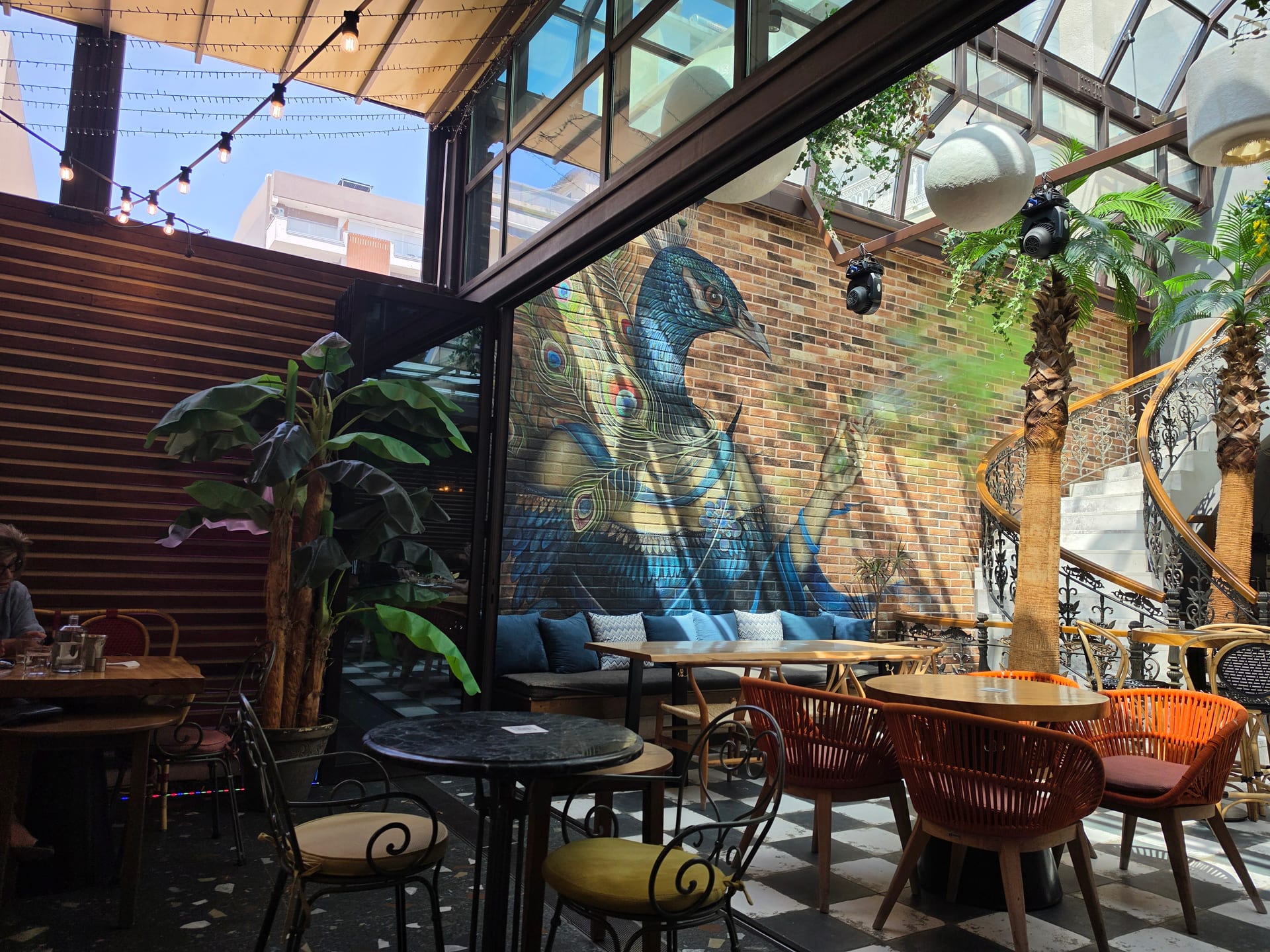
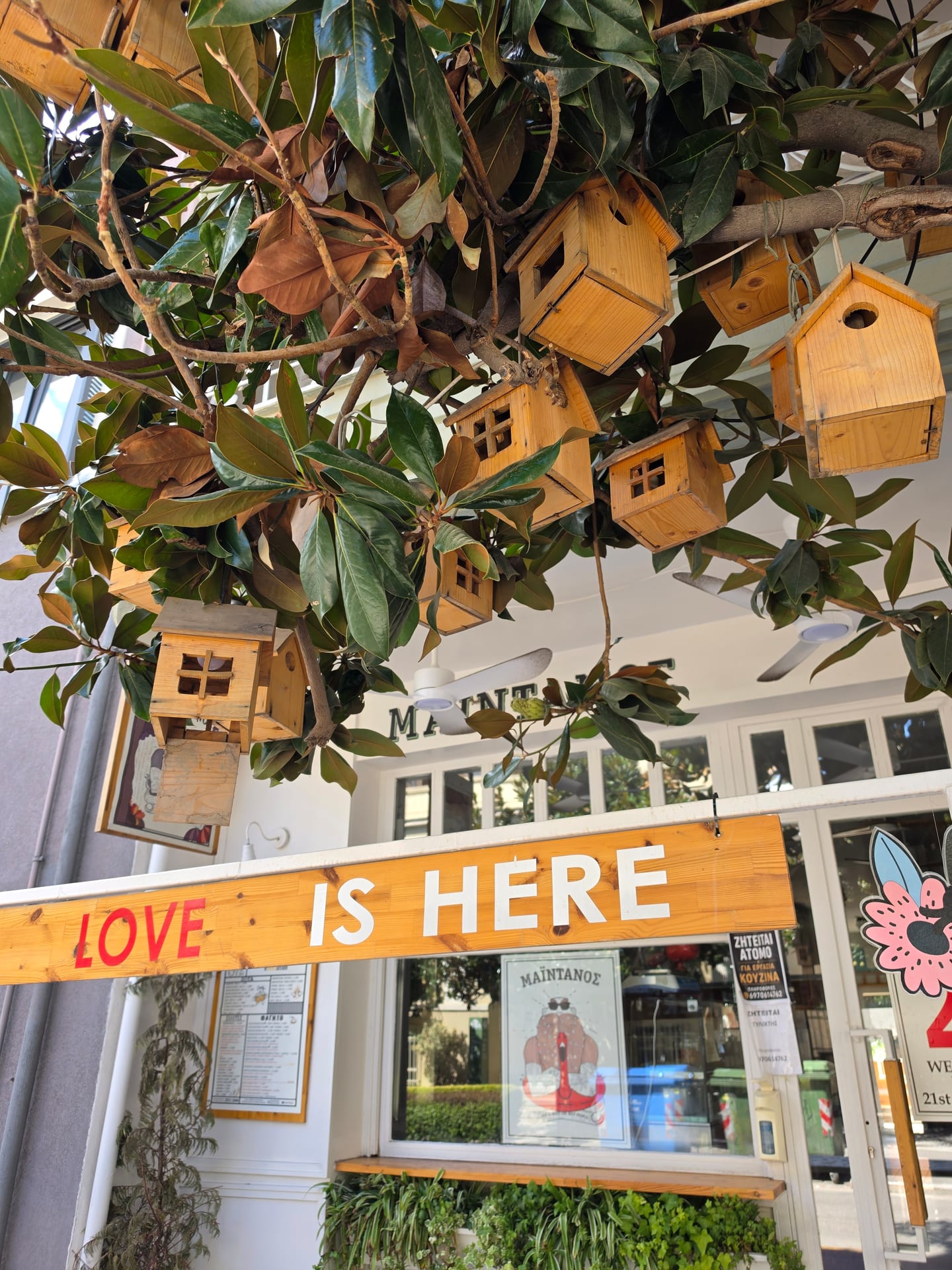
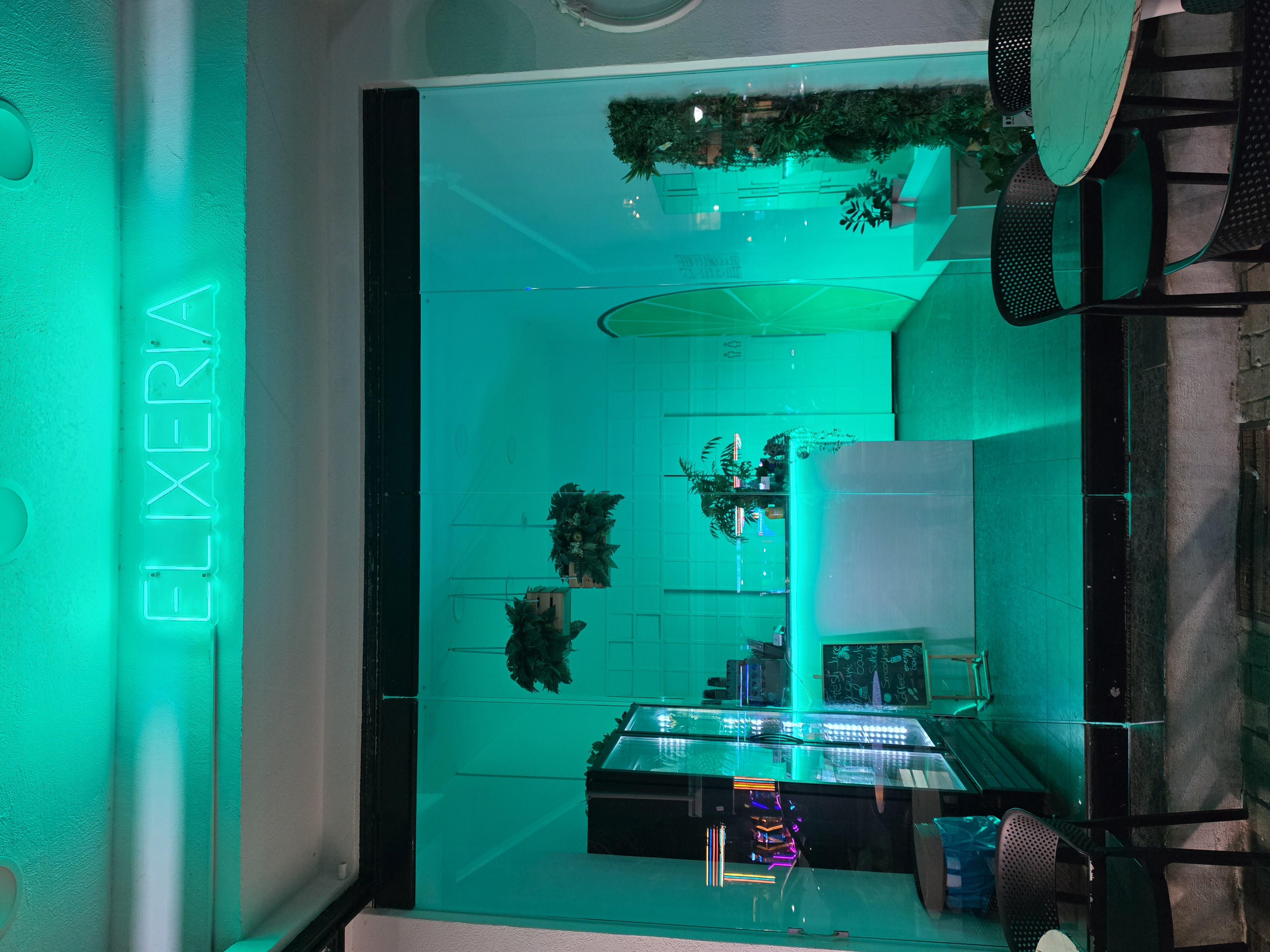
A cafe-bar for coffee, drinks and relaxing.
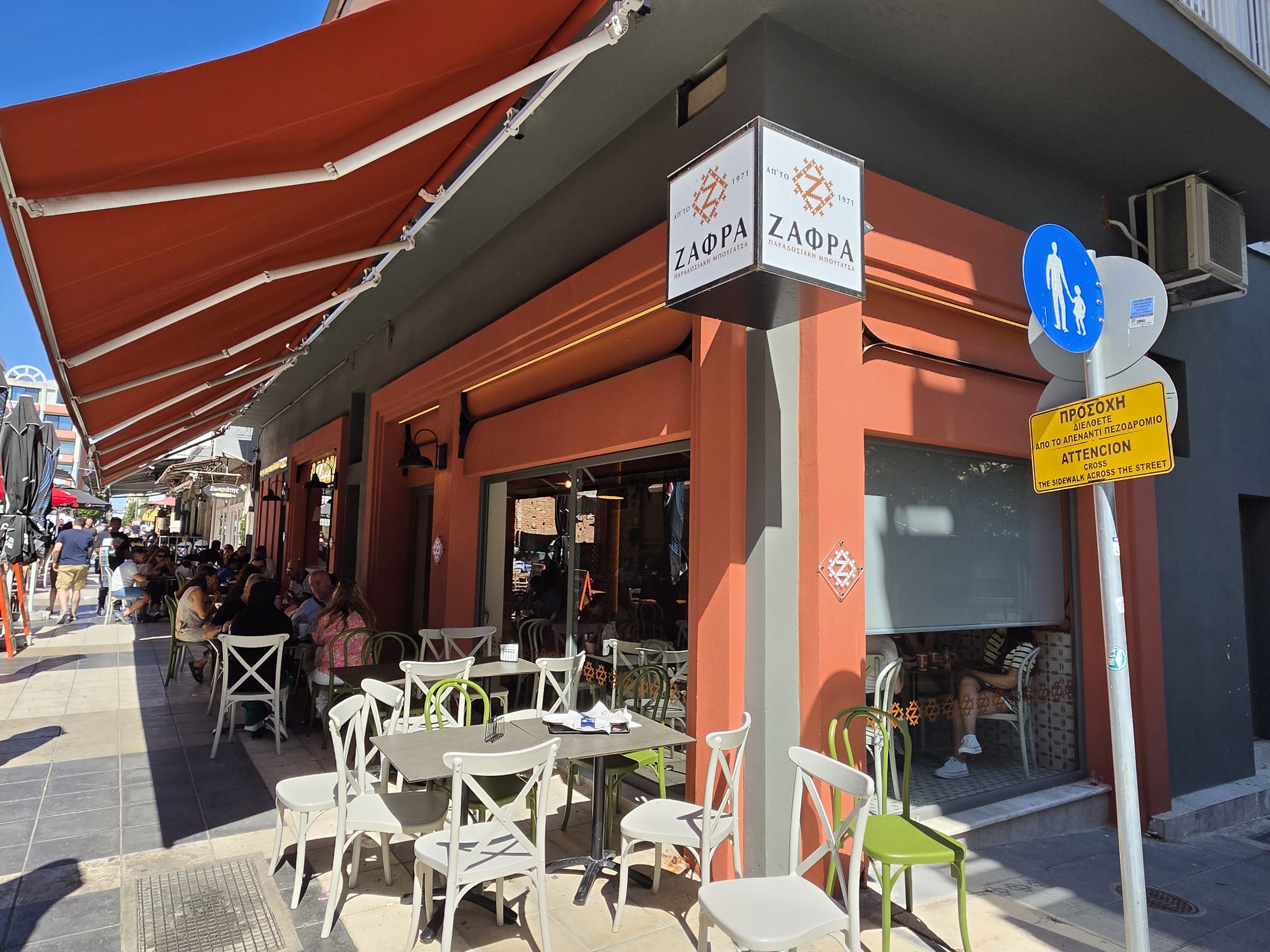
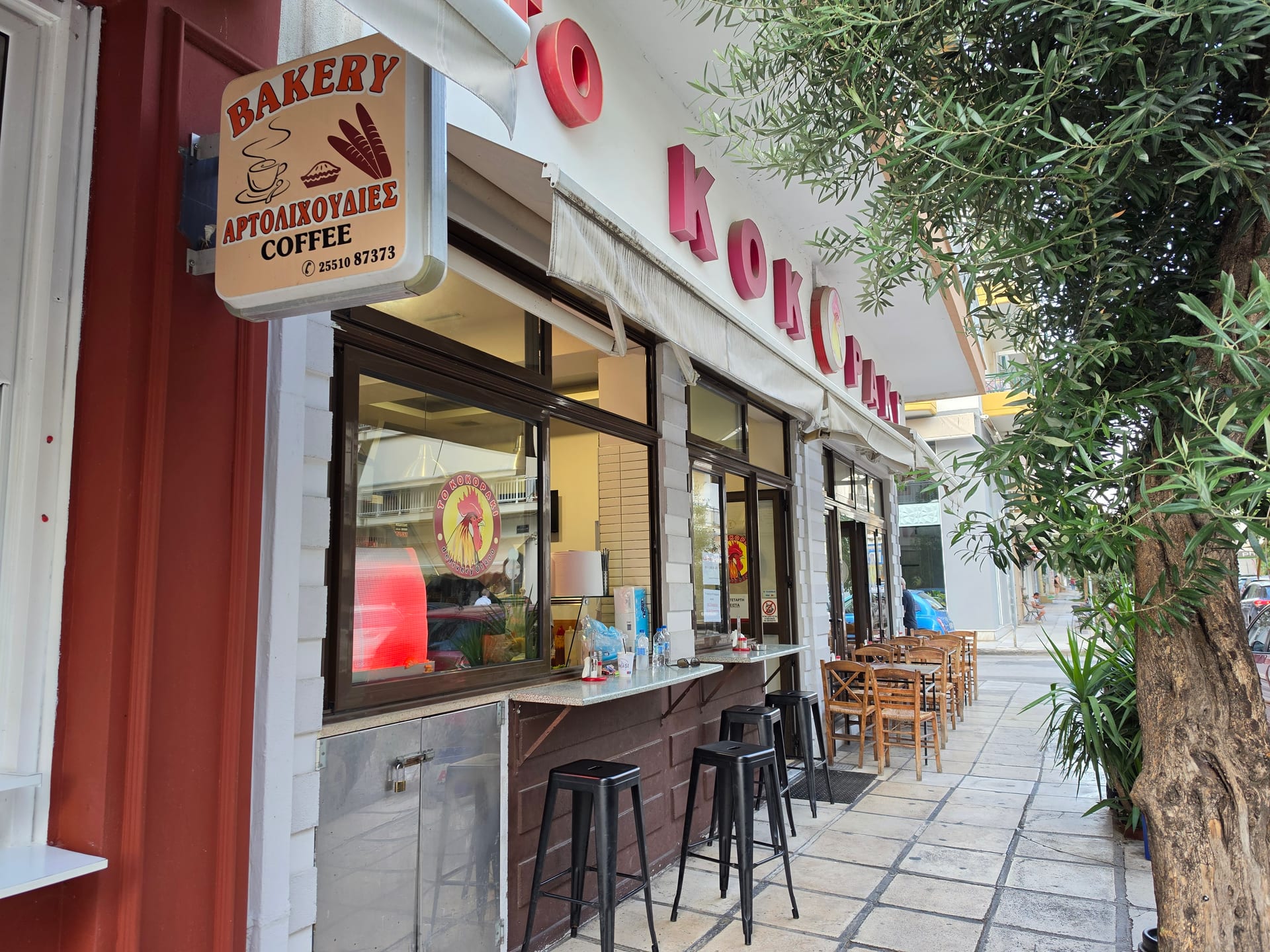
A bakery-bougatsa shop for breakfast or something sweet.
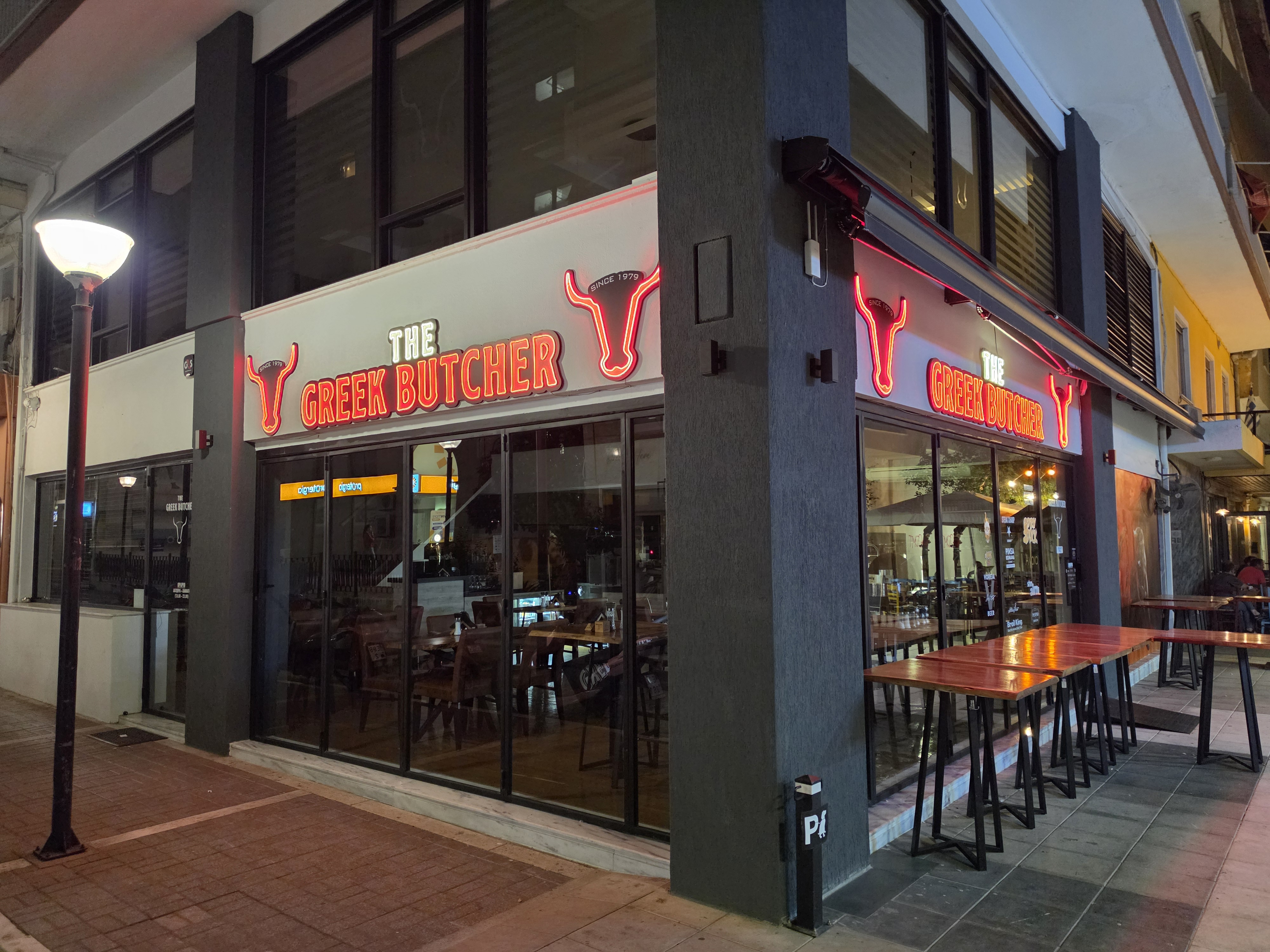
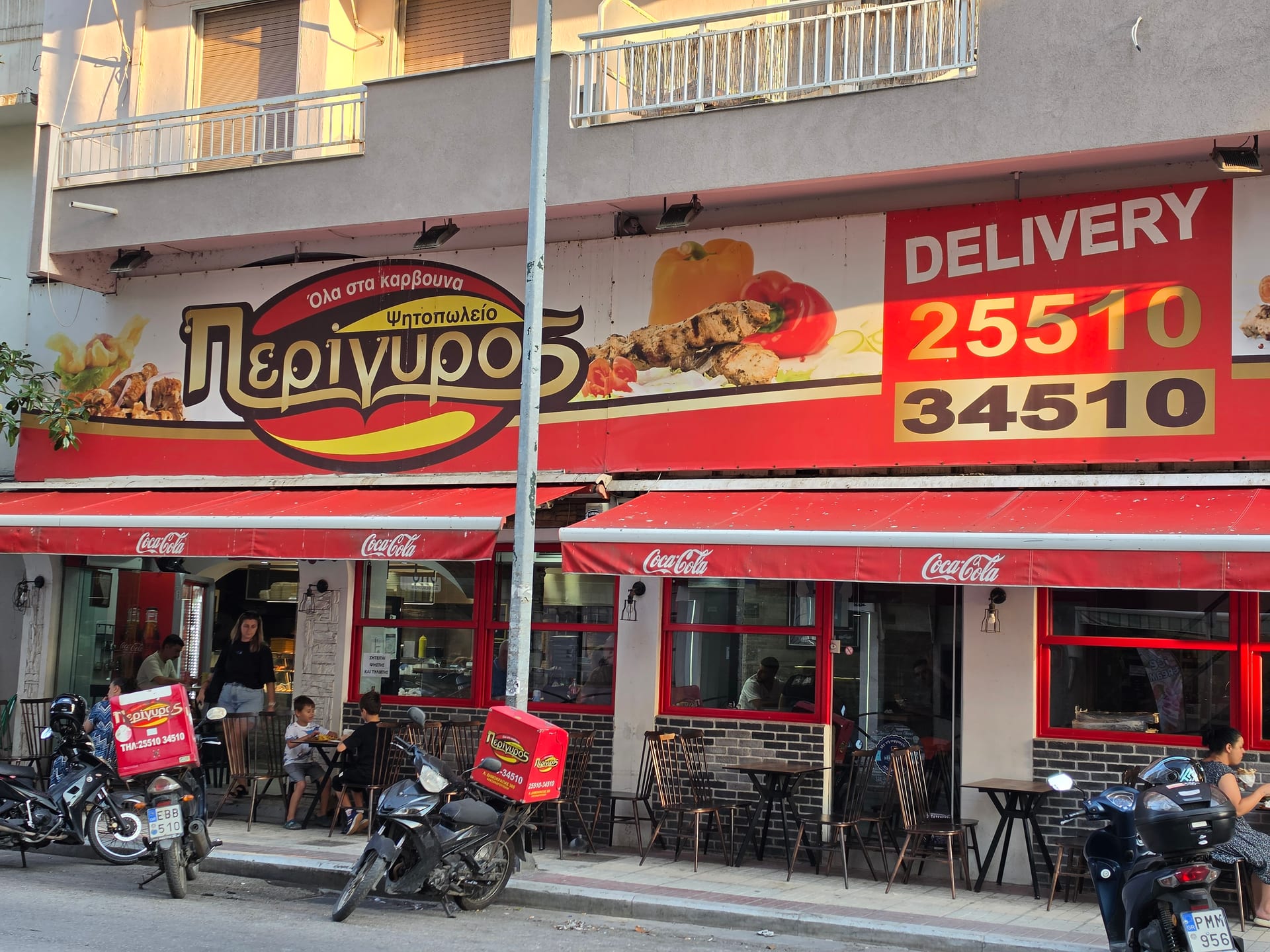
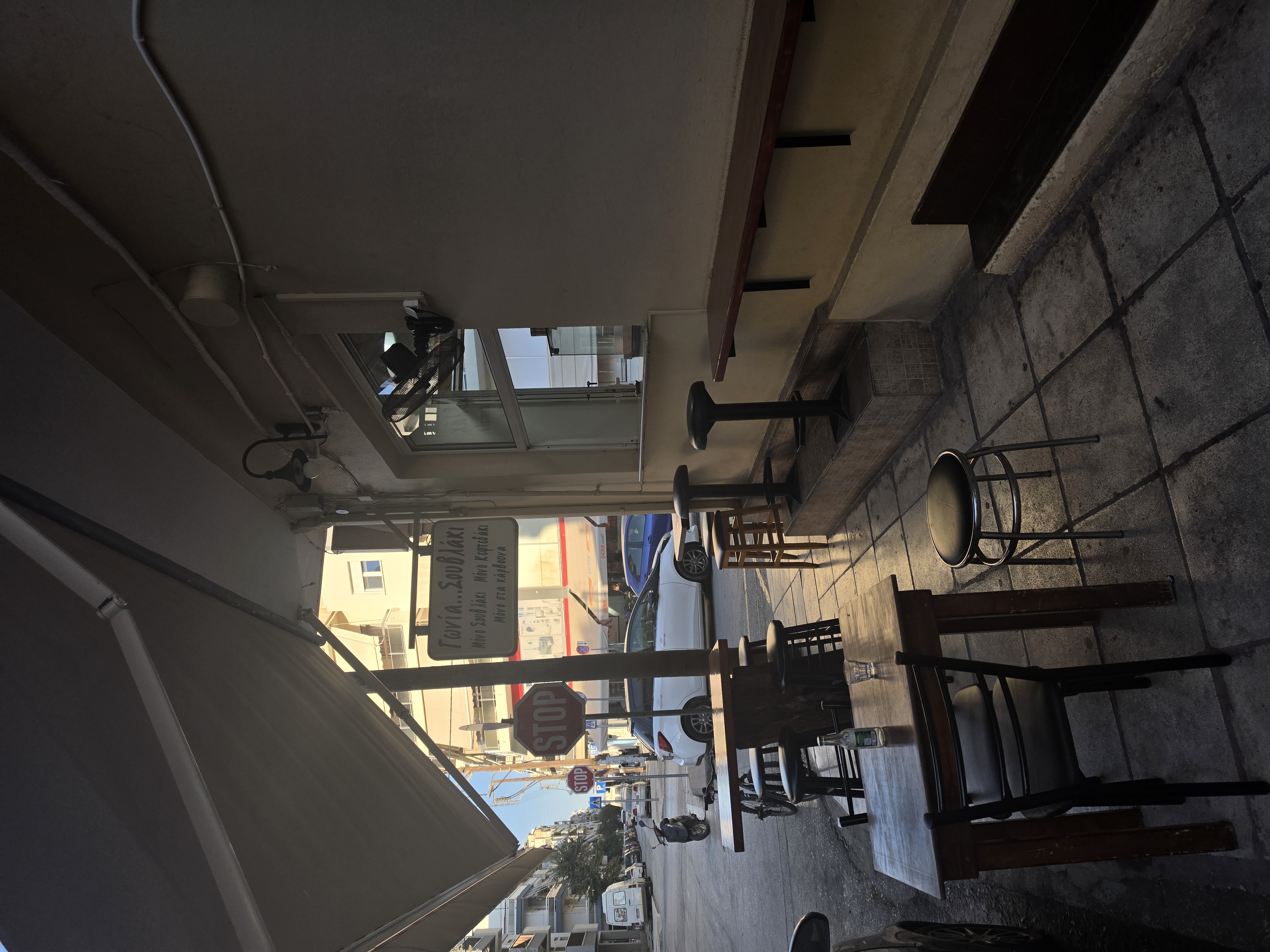
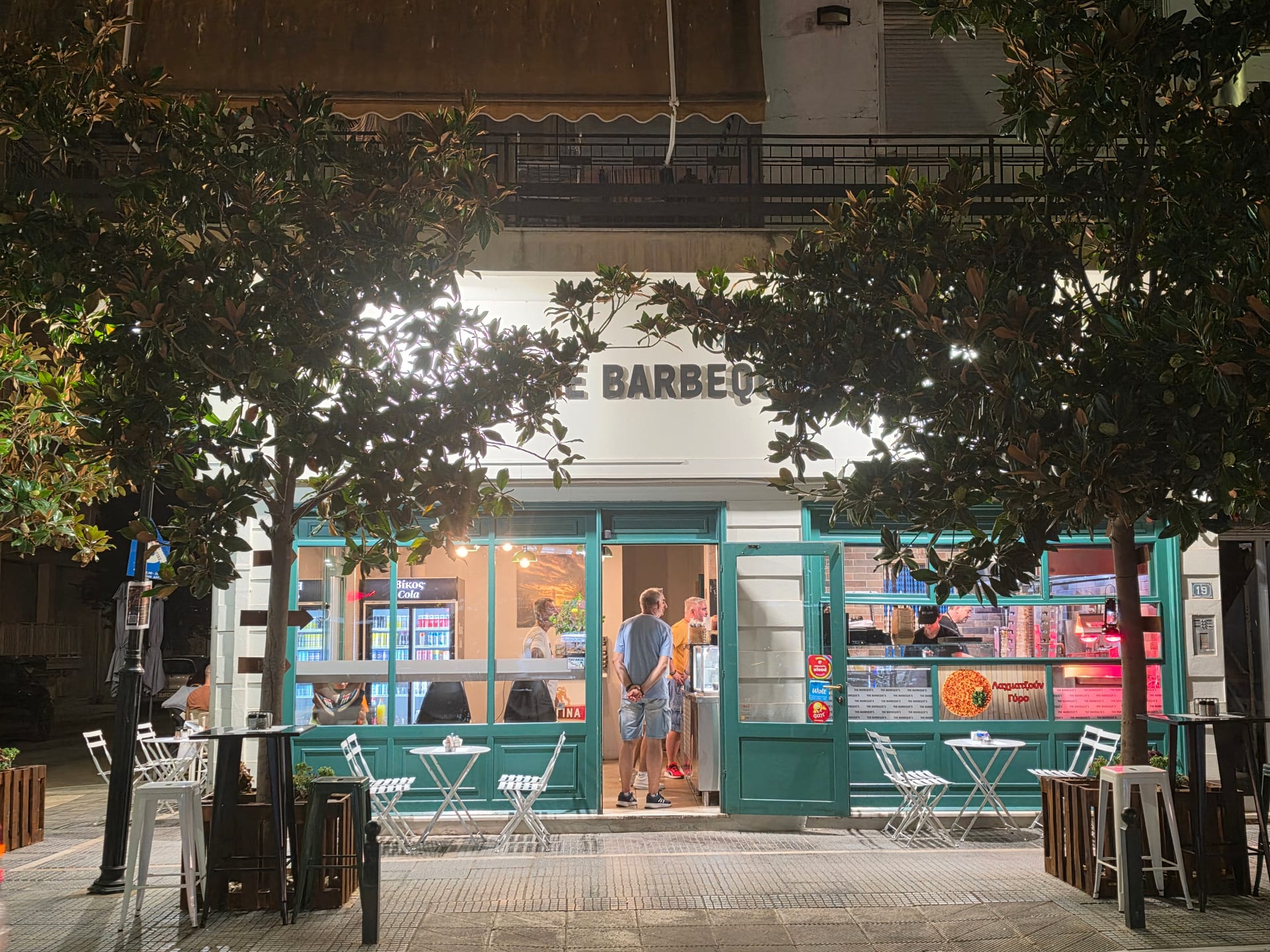
A souvlaki shop / grill house for a quick bite on the go.
A gourmet restaurant, ideal for a special occasion.
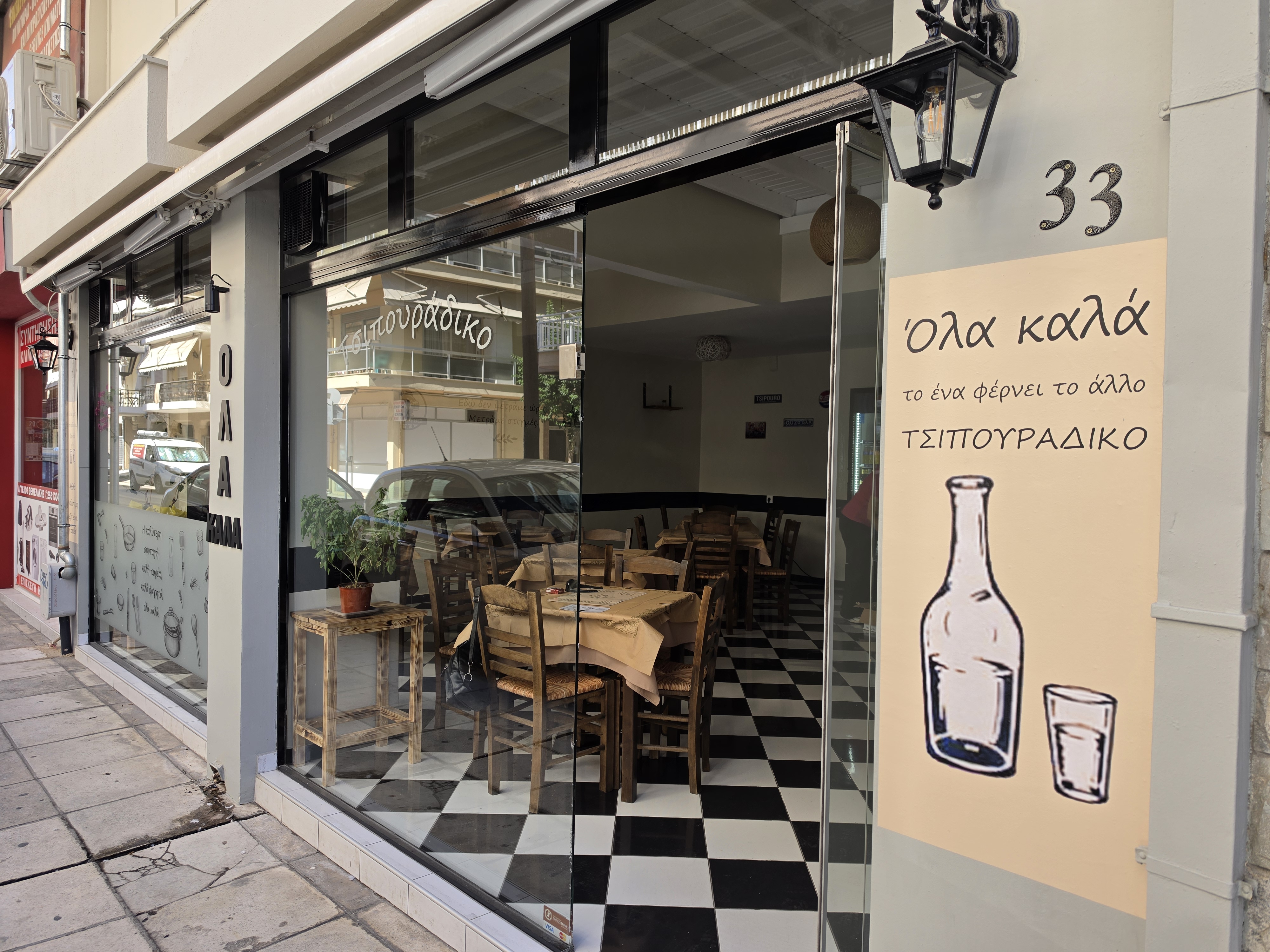
A youthful drinks spot, ideal for rakomelo or tsipouro with meze among friends.
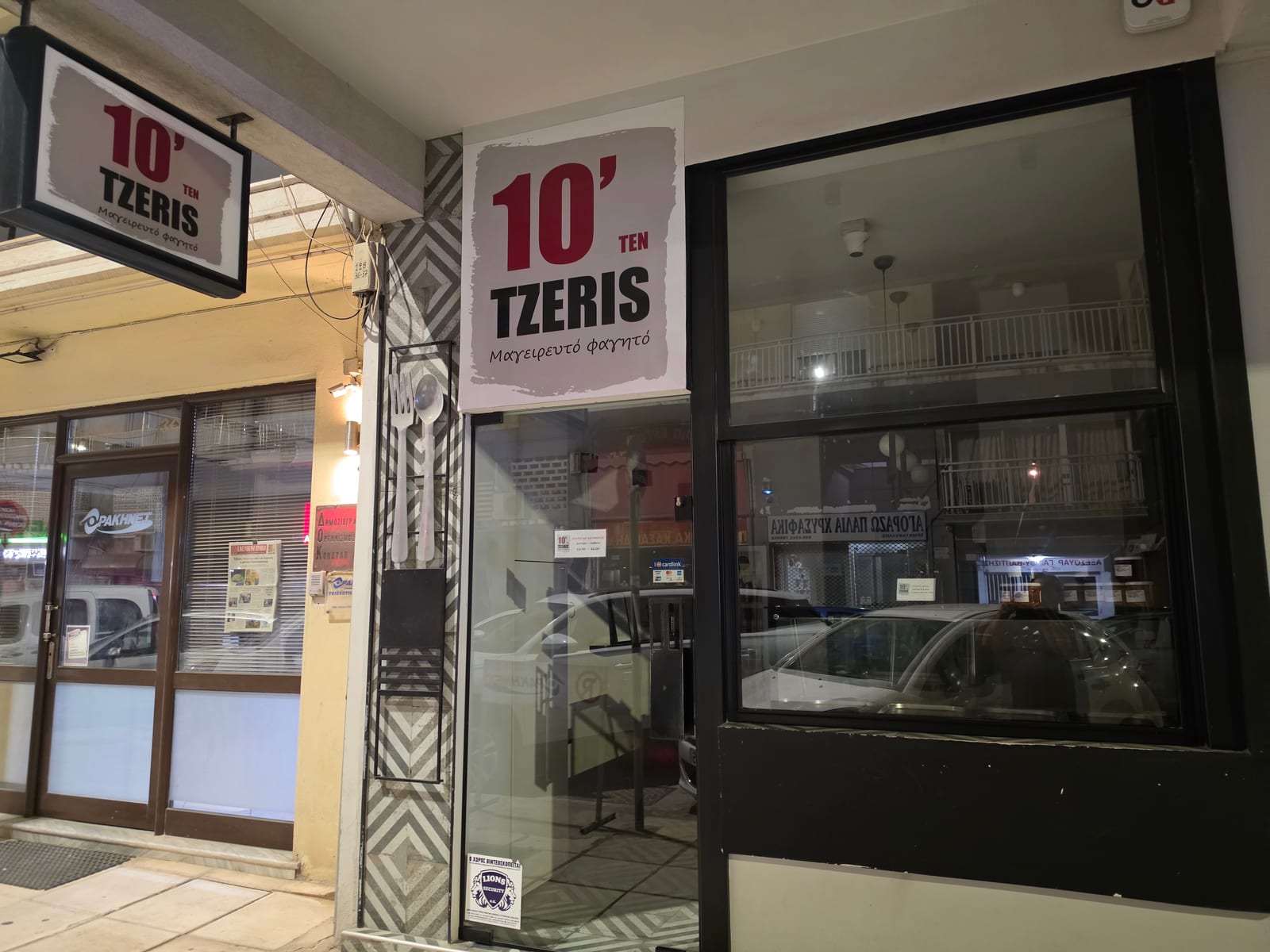
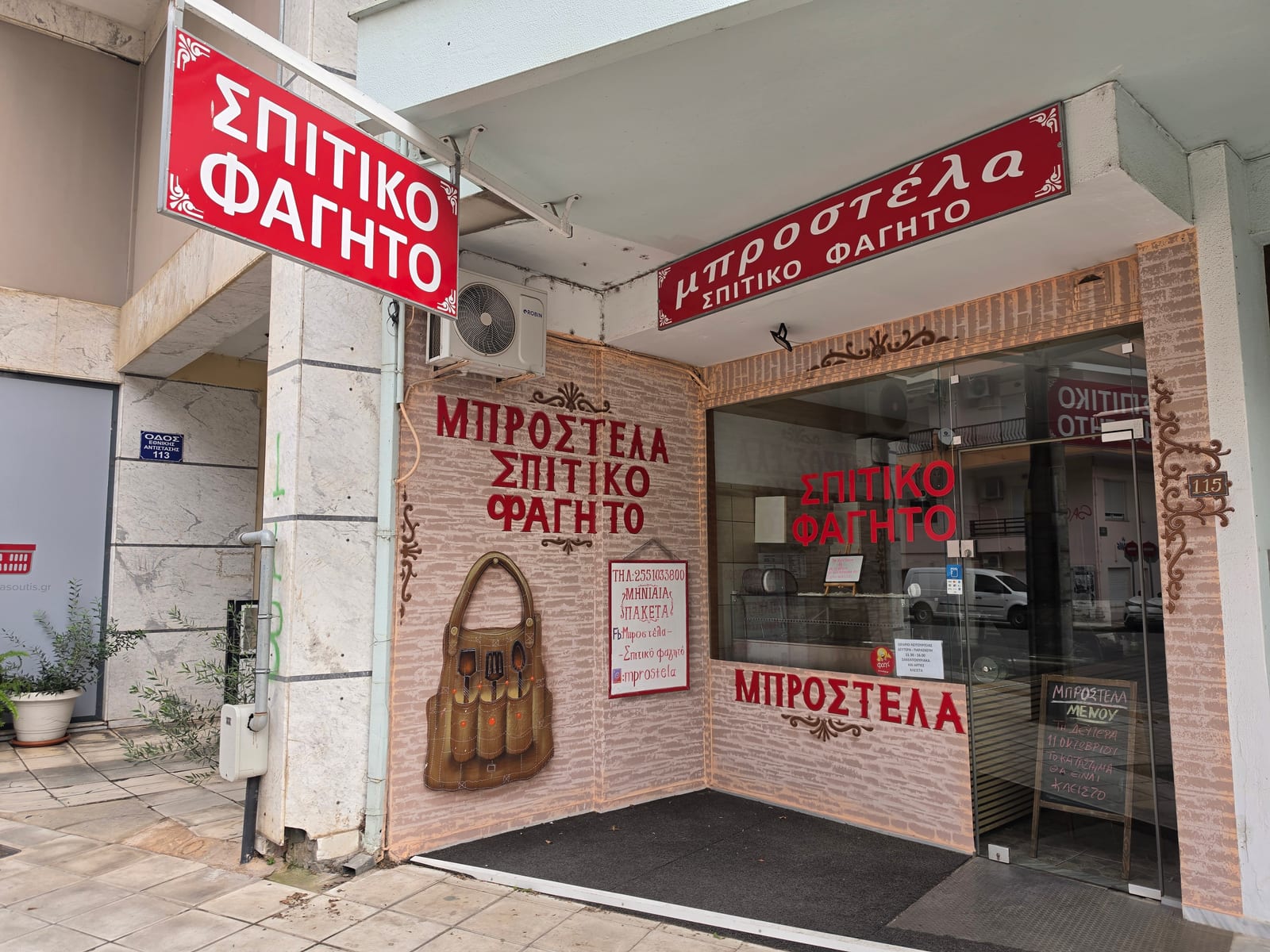
A mageireio for everyday home-style cooked meals.
A beach bar by the sea, for a drink with your feet in the sand.
Start travelling here
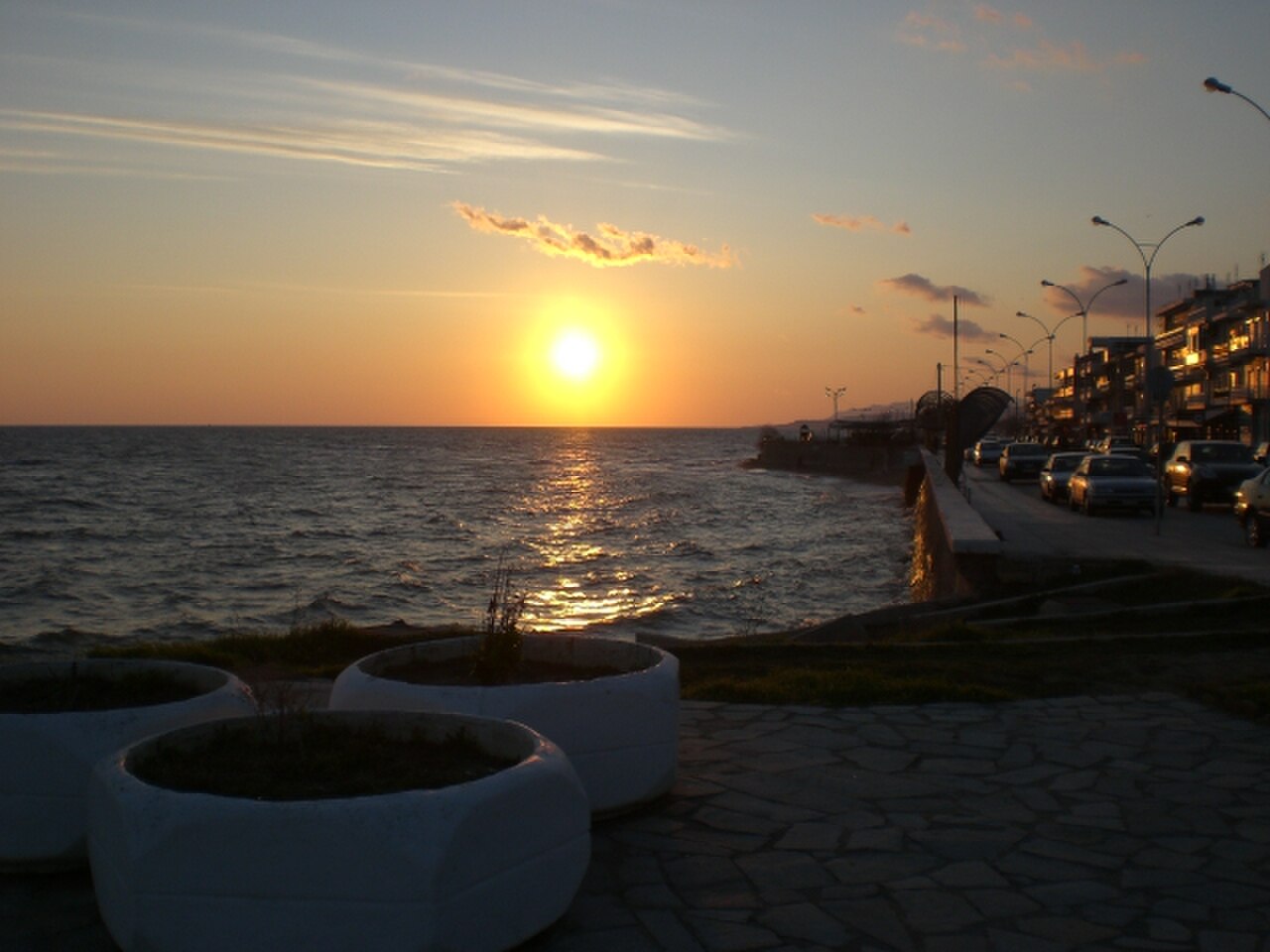
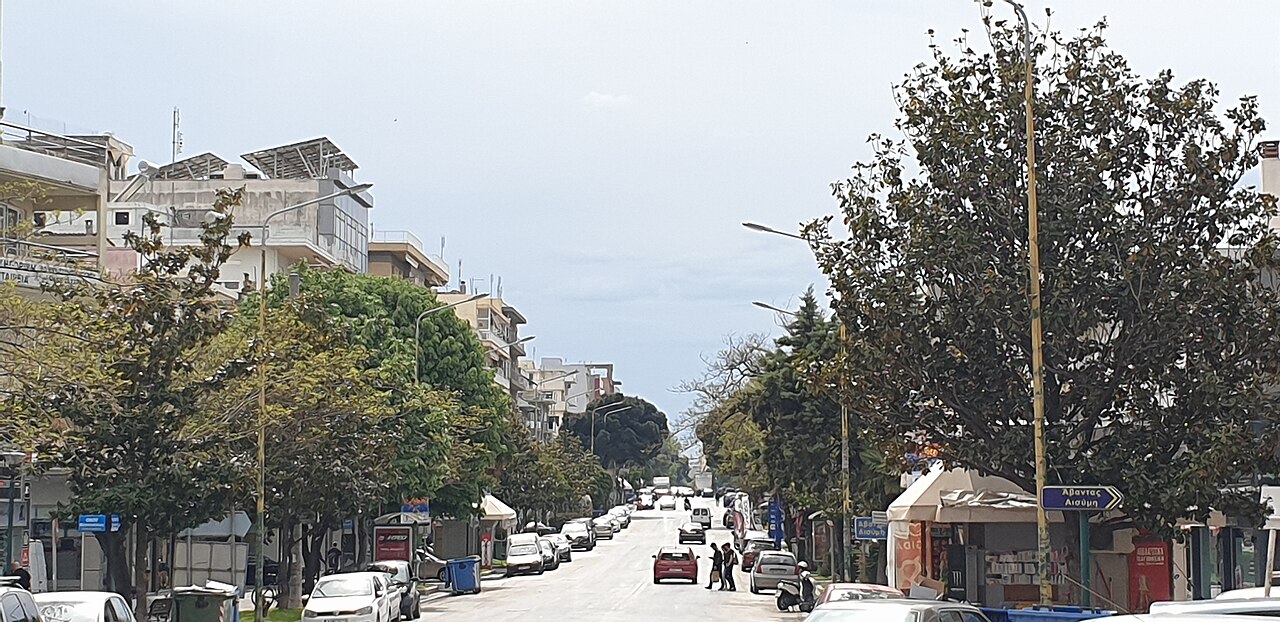
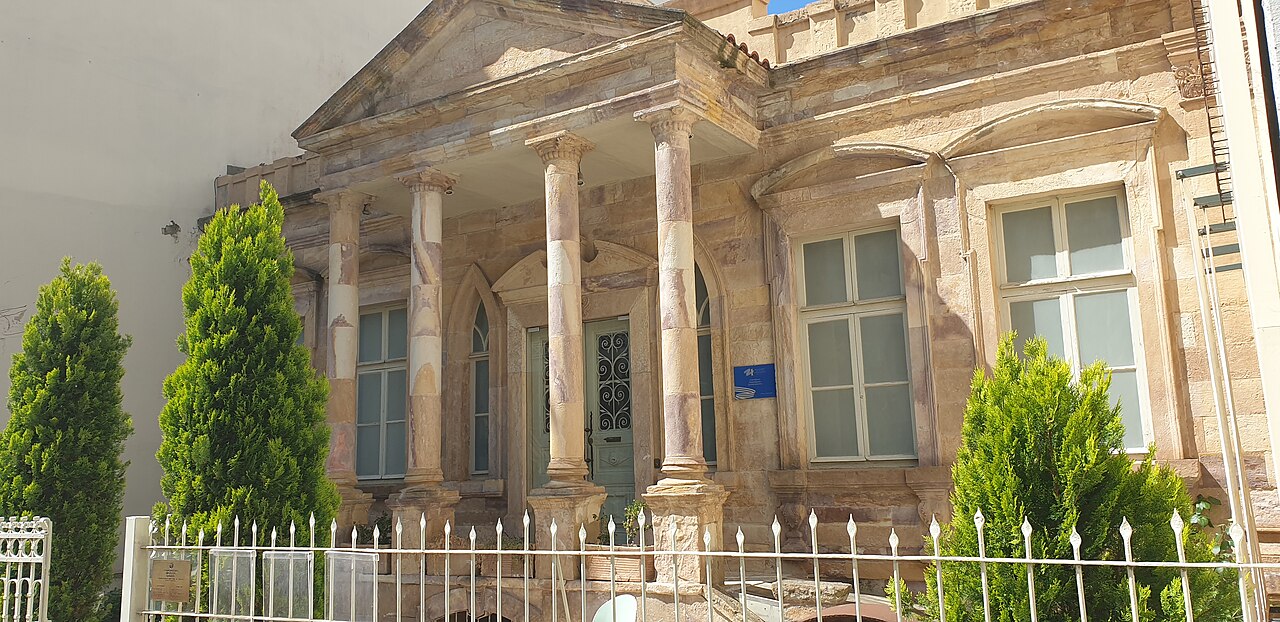
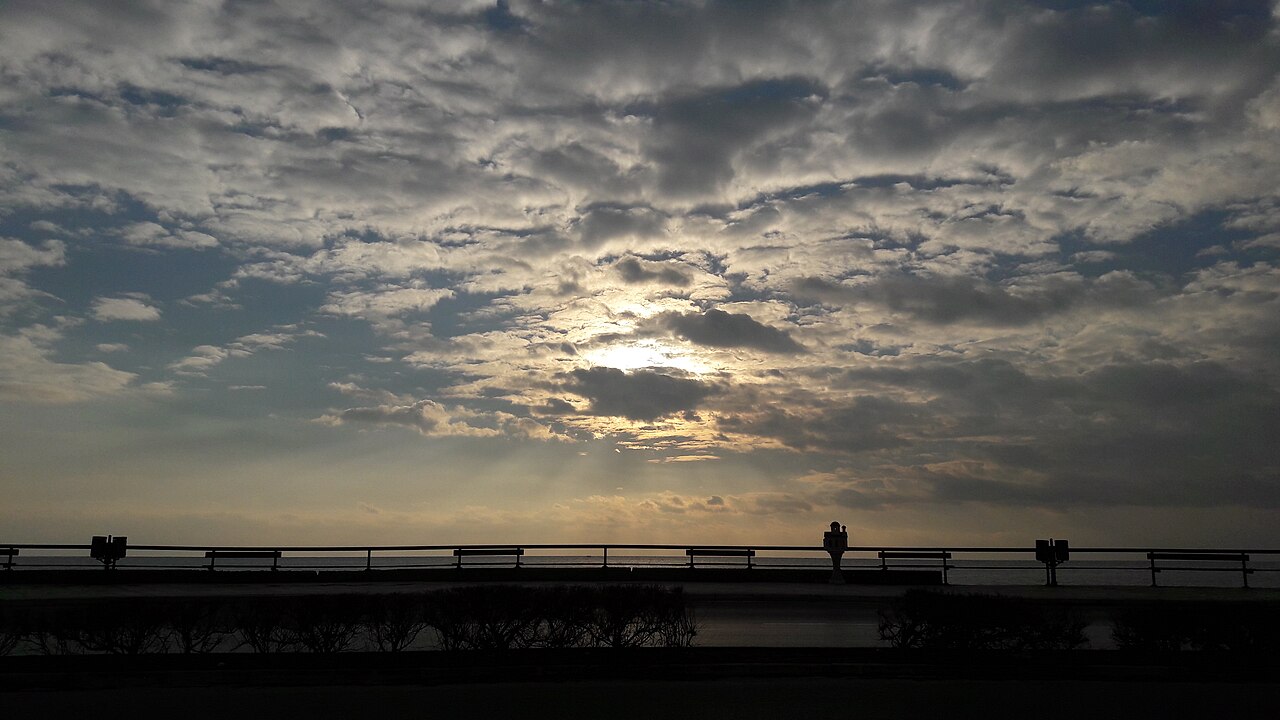
Tag us @alx.gr.guide(or add #ALXGR) to your photos from Alexandroupoli and get featured on ALX.GR - always with credit to you.
Send Us Your Photo