
Vangelisg4, CC BY-SA 4.0
Thracian Trahanas
0.23 km from the center
About
Evros trahanas stands apart from the rest of Greece: it's soured with durum wheat sourdough rather than milk, and always includes boiled, mashed vegetables, mainly Florina peppers, carrot, potato and yellow squash. Its vegan, fasting-friendly cousin, pumpkin trahanas, is made purely with squash, tomato and peppers with no dairy at all, giving it a deep orange colour and an especially sweet, rich flavour. Tahini or sesame add a complex, layered taste to the other versions. It's served as a soup or in a thicker, 'honeyed' style cooked with Evros sausages, chicken or meat, and is even stirred in small amounts into vegetable dishes to bulk them out. The recipe has passed down through generations for centuries despite being time-consuming to make. Home producers such as Dikaia Gi, Therapeion, Gaia (the Trigono Women's Agrotourism Cooperative), Kipos Ygeias and San Allote still make it the traditional way.
Photos
There aren't any visitor photos yet. Be the first to add one!
Video
Available At

Weather in Alexandroupoli
LiveFrom April to June and from September to October you get warm days, calm sea, and fewer crowds. July and August are hot and busy along the seafront, while winters stay mild but rainy.
Share
You Might Also Like
Discover more suggestions from the same category.
 ΠΡΟΤΕΙΝΟΜΕΝΟNEW
Makri Olive Oil (PDO)
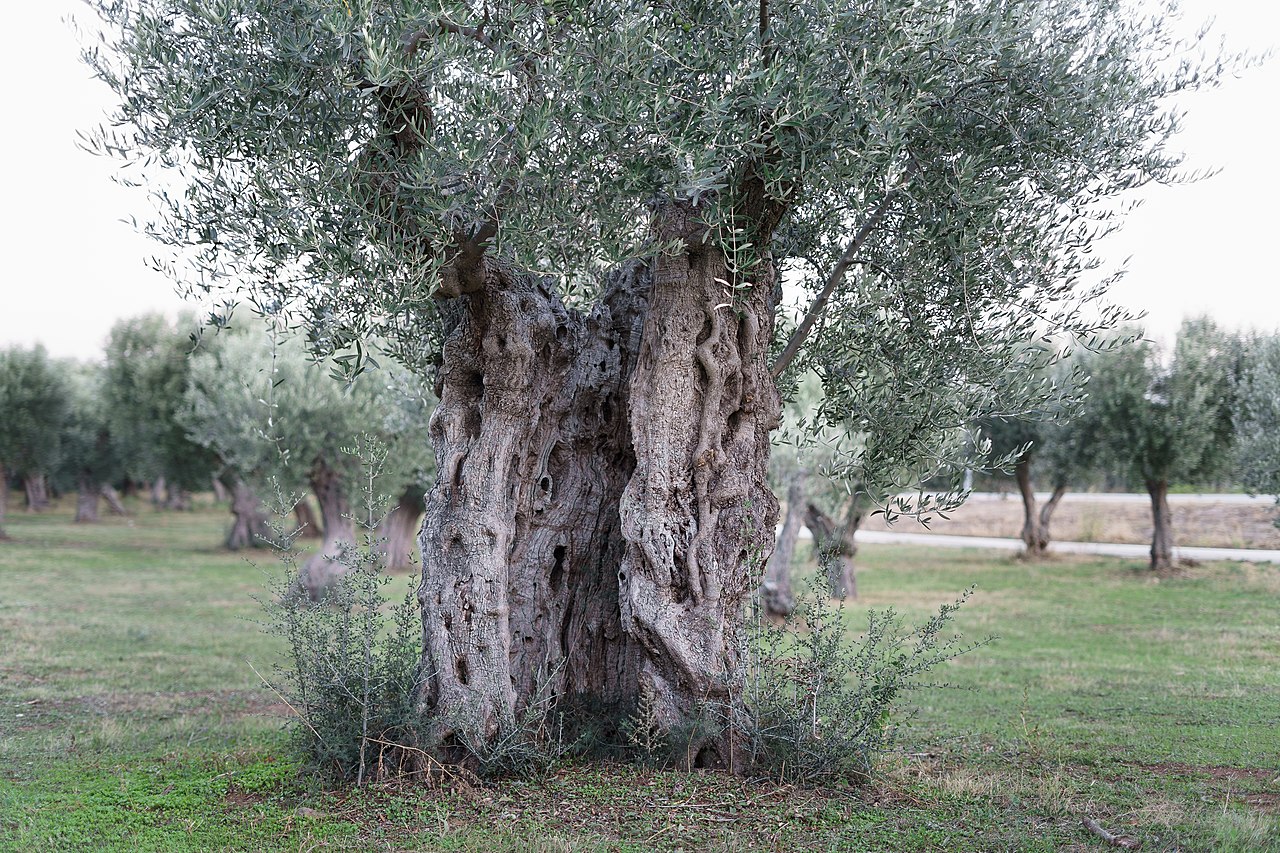
Makri olive oil consistently ranks among the world's finest extra virgin olive oils. It comes from the area's native olive variety, grown in groves stretching from west of Alexandroupoli, Nea Chili, Dikella and Mesimvria all the way to Maroneia in Rhodope, with some trees as old as 2,000 years. It received PDO status in 2020, prized for its intense fruity aroma, mild bitterness and bold, peppery finish. Leading local producers include the Kyklopas olive mill, built near the cave traditionally linked to Homer's Cyclops, and the family-run Konos. The 2023 wildfires badly damaged the grove, and many trees will need five to ten years to bear fruit again.
10.81 km
 NEW
NEWFonias Beer
The beer is named after Fonias, Samothraki's most striking waterfall, since the water used to brew it comes from that very source - considered among the cleanest in Europe. The island's microbrewery began operating in 2016, after three years of preparation, using a recipe by Thanasis Apostolakou, and produces 100% handmade Pale Ale and IPA styles with hops from Thrace. Each batch runs to about 14,000 bottles over roughly 40 days of production - a small scale that keeps it a genuinely island-based, family-run venture.
51.75 km
 NEW
NEWEvros Sesame & Tahini
Evros sesame is the only surviving native Greek sesame variety, its seed brought to the region by Asia Minor refugees after 1922 and cultivated traditionally ever since. It stands out for its golden colour and distinctive, intense aroma, making it sought-after for tahini production - today organic tahini made exclusively from Evros sesame is exported to markets across Europe and America.
0.23 km
 NEW
NEWEvros Feta (EVROFARMA)
Made at EVROFARMA's factory in Didymoteicho, right on the Evros border, from pasteurised sheep's milk with up to 30% goat's milk added - the ratio set by the PDO specification for feta. It follows the traditional handmade method, aged in brine, which gives it its characteristic firm texture and tangy, slightly sharp flavour. EVROFARMA is one of the region's most recognised dairies, with certified local origin throughout production.
77.65 km
 NEW
NEWWine of Maroneia
The wine of Maroneia is tied to one of the most famous episodes in ancient Greek literature: in the Odyssey, Odysseus gets the Cyclops Polyphemus drunk on wine given to him by Maron, a priest of Apollo at Ismaros, and uses the moment to blind him and escape. Homer describes it as exceptionally sweet and fragrant, so strong that it was diluted twenty parts water to one part wine. Today the region's vineyards form part of the 8th Wine Route of Northern Greece, also known as the Route of Dionysus, running from Serres to Rodopi, continuing a winemaking tradition that spans centuries.
30.72 km
 NEW
NEWNea Vyssa Garlic
Nea Vyssa, in northern Evros, is considered Greece's garlic-growing capital, with around 3,000 stremmata under cultivation and a share reaching 60-70% of total Greek garlic production in a normal year. The local variety stands out for its intense, spicy flavour and its 12-16 cloves per head, with a white colour and a light purple sheen. Every year the local Agricultural Cooperative holds a Garlic Festival, awarding the area's best producers, where visitors can follow the whole process from cultivation to processing. Evros even holds a Guinness World Record for the largest braided garlic string in the world.
99.42 km
 NEW
NEWIfkakia
Ifkakia (also spelled ifkadia) is a traditional pasta made almost exclusively in the Evros region, often by local agricultural cooperatives, resembling a wide, flat noodle. It is made from a sheet of dough cut into strips, kneaded with egg and milk to keep it light, and is traditionally served with cheese.
0.23 km
 NEW
NEWEvros Honey
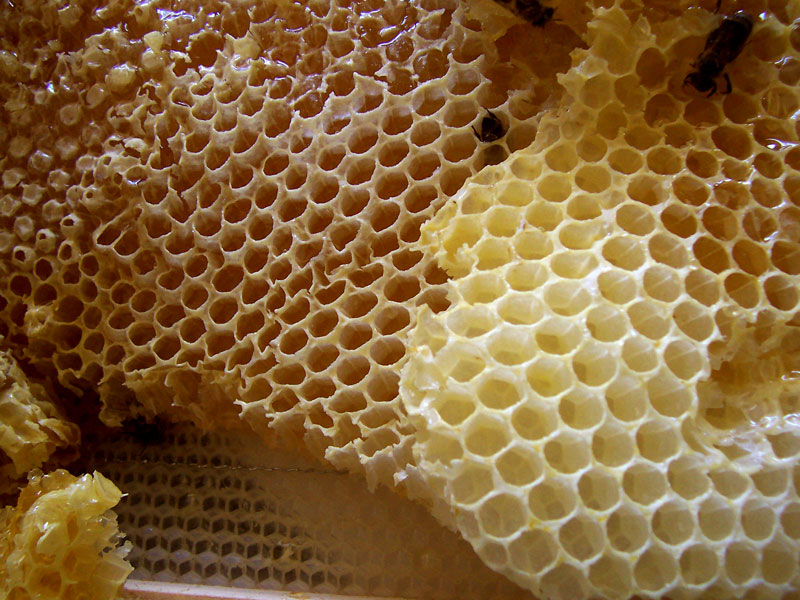
Produced by beekeepers spread across Evros, with well-known production centres around Feres, Nea Vyssa and Orestiada. Depending on the area and season, you'll find both blossom honey from the plain's spring meadows and forest honey from the oak, pine and chestnut woods of Evros's southern forest complex, a protected Natura 2000 area. In Nea Vyssa, beekeeping tradition even comes with a memorable story of its own: for years, the village's own parish priest tended his hives, producing honey renowned for its quality.
25.75 km
 NEW
NEWRitseli
Ritseli (or retseli) is a traditional Thracian sweet, with a texture between a spoon sweet and a jam, in which sugar is replaced by grape must or petimezi (grape molasses). Its most characteristic version is made with pumpkin simmered in grape must, though variations with figs or aubergine also exist. It is traditionally linked to the grape harvest season, when fresh must was available.
0.23 km
 NEW
NEWEvros Sausages
Spicy, smoked sausages with deep roots in Thracian tradition. Soufli and the Tiakas family business, running in Alexandroupoli since 1950, are especially known for their own sausages, made with select meats and freshly ground spices.
0.23 km
 NEW
NEWSoufli Silk
Sericulture has thrived in Soufli since the 1830s, with households across the town raising silkworms on mulberry leaves. A tiny larva, no bigger than a pinhead, eats up to 500kg of leaves, multiplies its weight more than 10,000 times, and finally spins a cocoon with a thread roughly 2,500 metres long. By the late 19th and early 20th centuries Soufli had become known as the "silk capital" of the Balkans, exporting fine silk across Europe, and the prosperity of that era left behind the town's striking "cocoon houses" and mansions, with upper floors specially built for silkworm rearing, such as the Brikas mansion (1890), built by craftsmen from Bursa. The industry suffered a sharp decline after the Second World War, with the loss of its Thracian hinterland after the Treaty of Lausanne and the rise of synthetic fibres, but a handful of family businesses kept the tradition alive, and the last silk mills in Greece still operate here. Today the Silk Museum, housed in a restored mansion, tells this story, while handmade silk goods - scarves, ties, headscarves, pareos - are still produced in town using traditional techniques.
51.55 km
 NEW
NEWMakri Table Olives
Makri table olives, green or black, come from the same native variety and groves as the region's celebrated olive oil. They are prepared in traditional styles such as sun-wrinkled 'raisin-style' olives and cracked green olives with a bold flavour.
10.81 km
 NEW
NEWFarouk
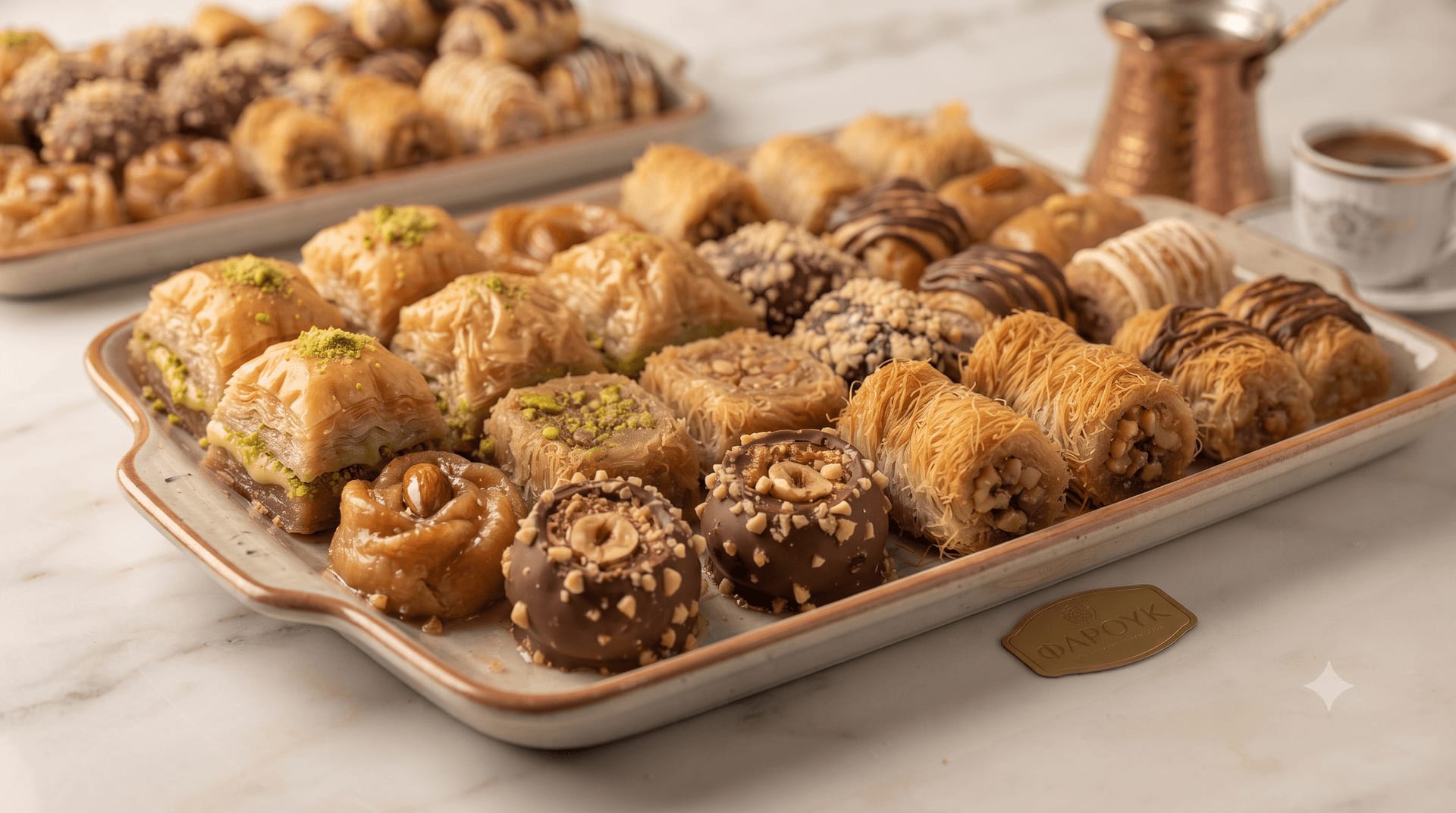
A syrupy pastry roll of filo, velvety cream and a chocolate coating. It is not a genuinely native sweet: its roots trace back to Constantinople, where it is said to have been created around 100 years ago by a palace pastry chef in honour of Egypt's King Farouk, arriving in Thrace with refugees. In Alexandroupoli it took hold thanks to the old Doré patisserie, whose version was the finest in the city and introduced it to locals - since then it has become almost a local product, closely tied to the city for decades. (Moka Patisserie)
0.61 km
 NEW
NEWEvritika Kellaria
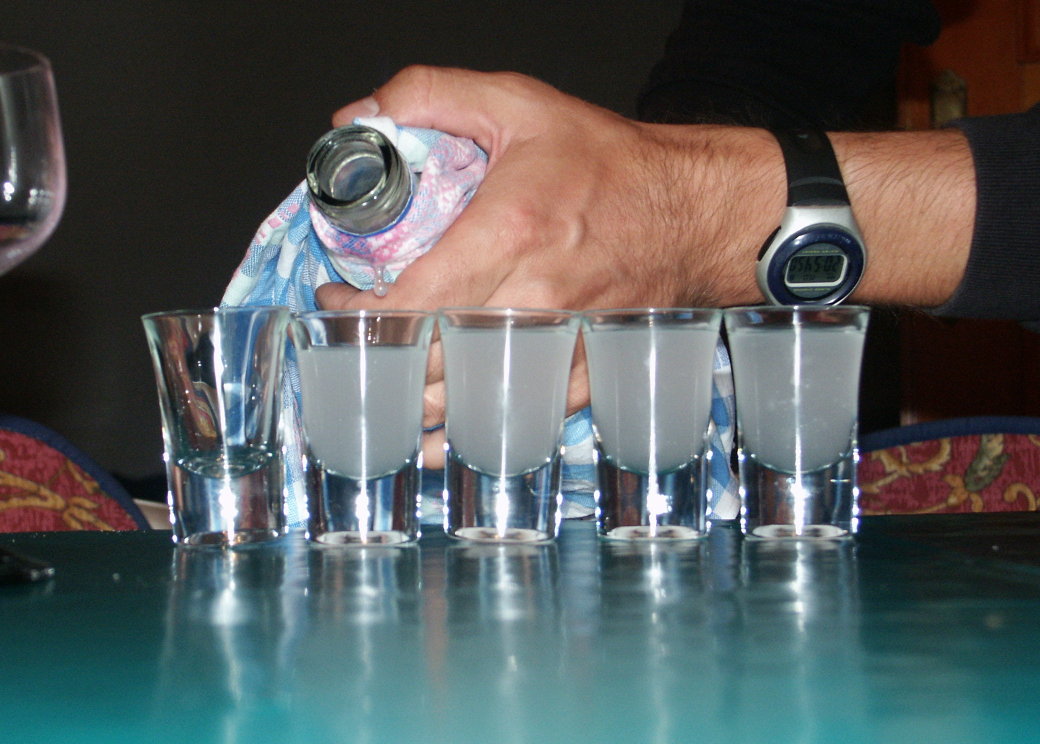
In Marasia, in northern Evros just a few kilometres from the Turkish and Bulgarian borders, the Evritika Kellaria winery and distillery grows its own vineyards with varieties such as Mavroudi, Roditis, Chardonnay and Cabernet Sauvignon. It produces the Onar, Orfeas and Ainigma wines, retsina, tsipouro and ouzo, capturing the taste of northern Evros in a glass.
87.95 km
 NEW
NEWThracian Kavourmas
Beef or pork slow-cooked in its own fat, a recipe with deep roots in Soufli's culinary tradition. The Tiakas family, running their business in Alexandroupoli since 1950, are widely considered to make the area's best-known and most successful kavourmas, with a careful meat-to-fat ratio and freshly ground spices.
0.23 km