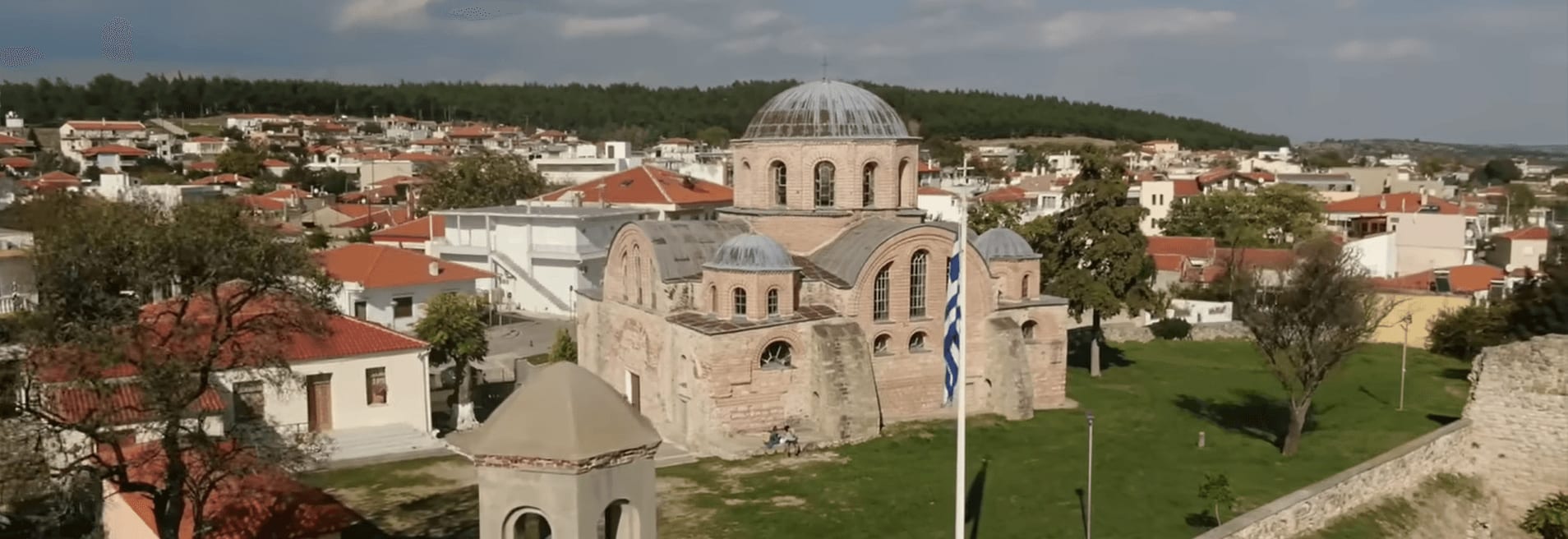
Evros Delta Flora and Fauna Museum
13.77 km from the center
About
A museum dedicated to the flora and fauna of the Evros Delta, operating under the Evros Delta Information Centre (KEPADA), complementing a visit to the wetland with exhibits on the species that live there.
Photos
There aren't any visitor photos yet. Be the first to add one!
Useful Information
- Διάρκεια
- ~1 ώρα
Weather in Alexandroupoli
LiveFrom April to June and from September to October you get warm days, calm sea, and fewer crowds. July and August are hot and busy along the seafront, while winters stay mild but rainy.
Share
You Might Also Like
Discover more suggestions from the same category.
 ΠΡΟΤΕΙΝΟΜΕΝΟNEW
An Unforgettable Weekend in Alexandroupoli
A carefully planned two-day itinerary for anyone who wants to experience Alexandroupoli like a local over a single weekend: traditional bougatsa in the morning, a swim at an organised beach, a sunset walk to the Lighthouse and an evening out for dinner and drinks. Saturday: bougatsa, the sea, a harbour sunset, dinner and a drink. Sunday: morning coffee, shopping, a swim and lunch by the beach, evening souvenir shopping. A good starting point if arriving from Turkey: stop at Jumbo and Lidl on the way into the city.
0.23 km
 ΠΡΟΤΕΙΝΟΜΕΝΟNEW
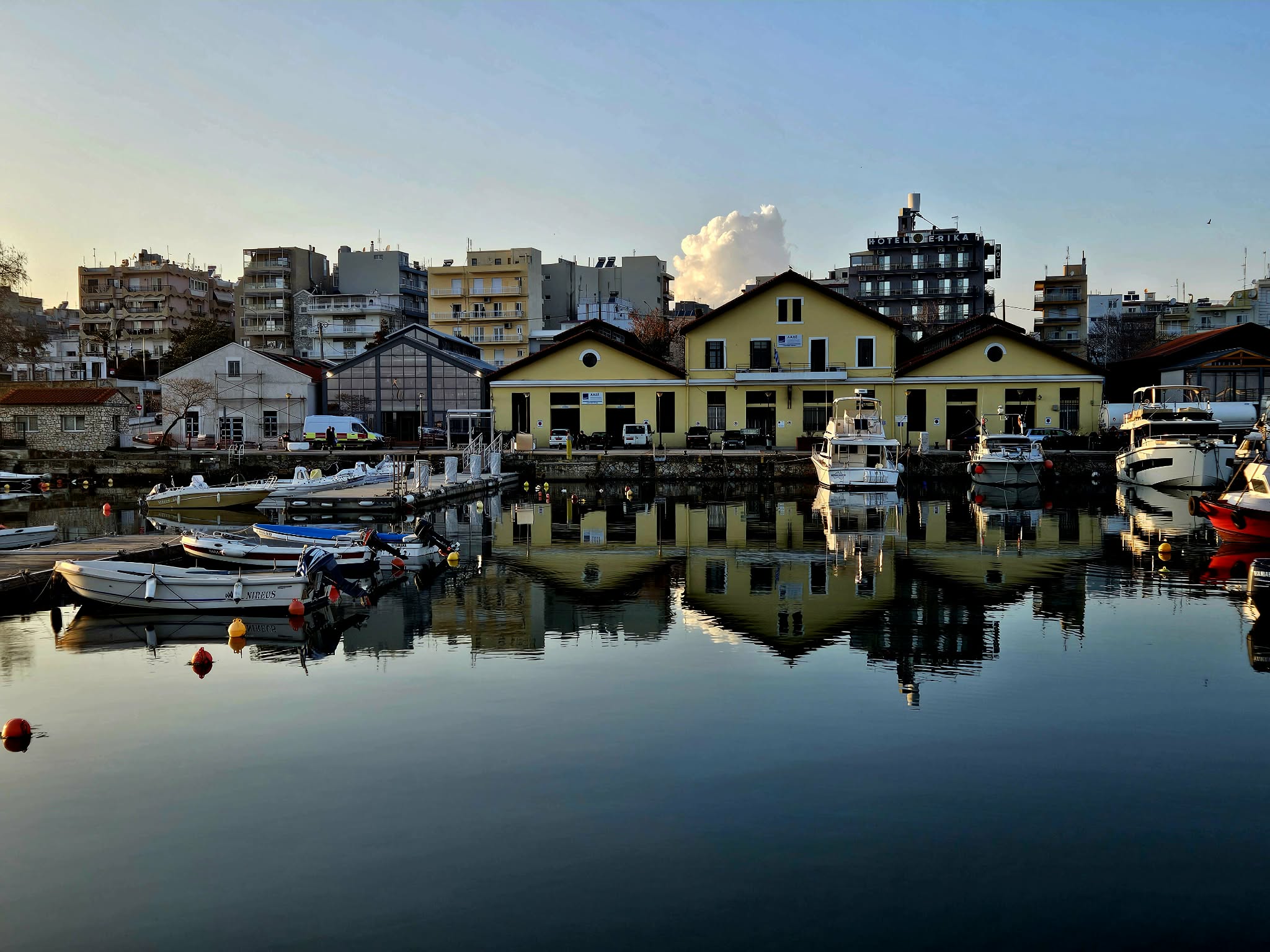
A Walk by the Harbour
The walk along Alexandroupoli's harbour is one of the city's most beautiful and characteristic experiences, ideal for relaxing at any time of day. It usually starts right after the Lighthouse square, heading down towards the sea, with unobstructed views over the Thracian Sea and Samothraki. The best time for the walk is sunset, when the sky is painted in unique colors. Along the harbour you will find the historic stone Customs House buildings, a landmark of the area. The old stone Customs Warehouses have been restored and transformed into a cultural venue; Warehouses 1 and 3 have been named in honour of former mayors Georgios Alexandris and Triantafyllos Arvanitidis, and host exhibitions, talks, book presentations, conferences and cultural events, while in summer the surrounding area comes alive with open-air events, concerts and festivals. You will see the picturesque fishing boats and caiques of the city moored there, giving the place its traditional atmosphere. Right on the harbour you will find N.O.A. (Nautical Overseas Adventures) , an all-day cafe-bar-restaurant with a huge outdoor area by the water, ideal for coffee, food or a cocktail, with its own free parking.
0.45 km
 ΠΡΟΤΕΙΝΟΜΕΝΟNEW
Evros Delta National Park
A boat ride through the channels of the Evros Delta, one of Europe's most important Ramsar wetlands, rich in birdlife. Organised boat excursions are run by Delta Evros Explorer, departing from the Information Centre in Traianoupoli or with hotel pickup in Alexandroupoli (extra cost).
12.98 km
NEWRoman Baths of Traianoupolis
Traianoupolis was founded by Emperor Trajan (98-117 CE) along the Via Egnatia, around the area's thermal springs. Today the "Hana", a 4th-century CE guesthouse building, still stands, along with vaulted baths from the Ottoman period (16th century). The thermal springs are still in use today, with modern facilities built in the 1960s.
24.47 km
 NEW
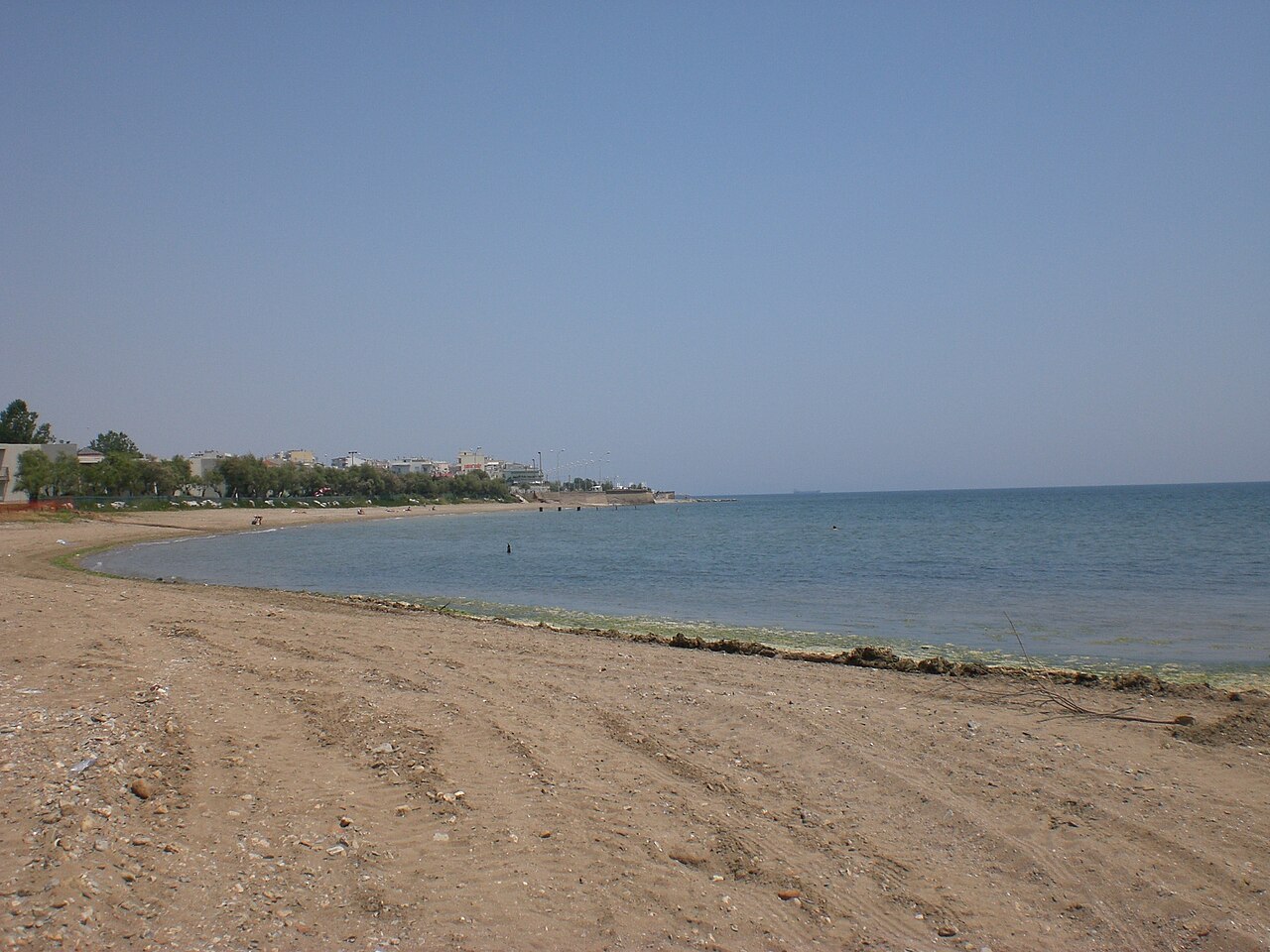
NEWMesimvria-Zoni Archaeological Site
Ruins of an ancient Greek colony, quite literally in the sea.
20.04 km
 NEW
NEWPanagia tou Evrou (Makri)
A church in Makri, one of the religious landmarks of the wider Alexandroupoli area, a worthwhile stop for those exploring Evros' small churches.
19.49 km
 NEW
NEWDadia Monastery
Built at the base of a lush 80-metre rock at the "Palaiochora" site inside the Dadia-Lefkimi-Soufli Forest National Park, the Monastery of the Nativity of the Theotokos of Dadia is dedicated to the Birth of the Virgin Mary. Its exact founding date is unknown, but records mention a monastery here as early as the beginning of the 17th century. Around 1850 the monastery flourished, holding considerable property that is no longer traceable today. Surrounded by low hills and abundant water, it is a natural stop for visitors to the Dadia forest, internationally known for its birds of prey.
64 km
%20scale(8.3333)%22%20fill%3D%22none%22%20stroke%3D%22%23f6c453%22%20stroke-width%3D%221.4%22%20stroke-linecap%3D%22round%22%20stroke-linejoin%3D%22round%22%3E%3Cpath%20d%3D%22M12%202.5%2014.7%209l6.8.6-5.1%204.5%201.6%206.6L12%2017.3l-5.9%203.4%201.6-6.6-5.1-4.5L9.4%209%2012%202.5Z%22%20%2F%3E%3C%2Fg%3E%3C%2Fsvg%3E) NEW
NEWPlatanotopos of Maistros
A short day trip just 2 km east of Alexandroupoli, to Platanotopos of Maistros - the area's most popular recreation spot, especially on May Day, when hundreds of people come for picnics under the plane trees. It is fully equipped, with tables and benches, drinking fountains, basketball and football pitches, plus exercise equipment, chess and ping-pong. The same grounds also host the Natural History Museum, with exhibits on the biodiversity of the Evros region.
2.6 km
NEWTychero Ecotourism Centre & Lake
A short excursion to Tychero, half an hour from Alexandroupoli, around the artificial Lake Tychero (Lyra dam) and the Ecotourism Centre at the entrance to the town. The site combines recreation, sport and relaxation, with a guesthouse, pool, amphitheatre and riding club, while the lake itself is used for canoeing. The Ecotourism Centre also houses rare fossil finds from the area. Every August the Tychero Youth Festival is held here, with concerts and cultural events. A good base for trips onward to the Evros Delta and Dadia Forest.
50 km
 NEW
NEWSarakatsani Tradition Museum
Presents the rich tradition of the nomadic Sarakatsani people.
20.42 km
 NEW
NEWDadia Birds of Prey Observatory
A wooden, glass-fronted observatory built on a hillside opposite a feeding station lets you watch cinereous vultures, griffon vultures and, more rarely, Egyptian vultures land just metres away. Access is by OFYPEKA's 15-seat bus, with daily scheduled departures at 08:30, 10:00, 11:30 and 13:00, lasting about an hour. Booking is by phone at 25540 32209.
71.09 km
NEWCave Church of the Holy Theodores
A Byzantine church carved into a cave on the slopes of Mount Zoneios, about 10 km outside Alexandroupoli. The walls and built-in iconostasis carry Byzantine frescoes from two periods (late 11th and early 13th century), themed mainly around the cycle of the Virgin Mary, along with depictions of an Archangel, Saint Prokopios and the Apostles Peter and Paul - a rare rock-cut church reminiscent of the churches of Cappadocia.
12.98 km
 NEW
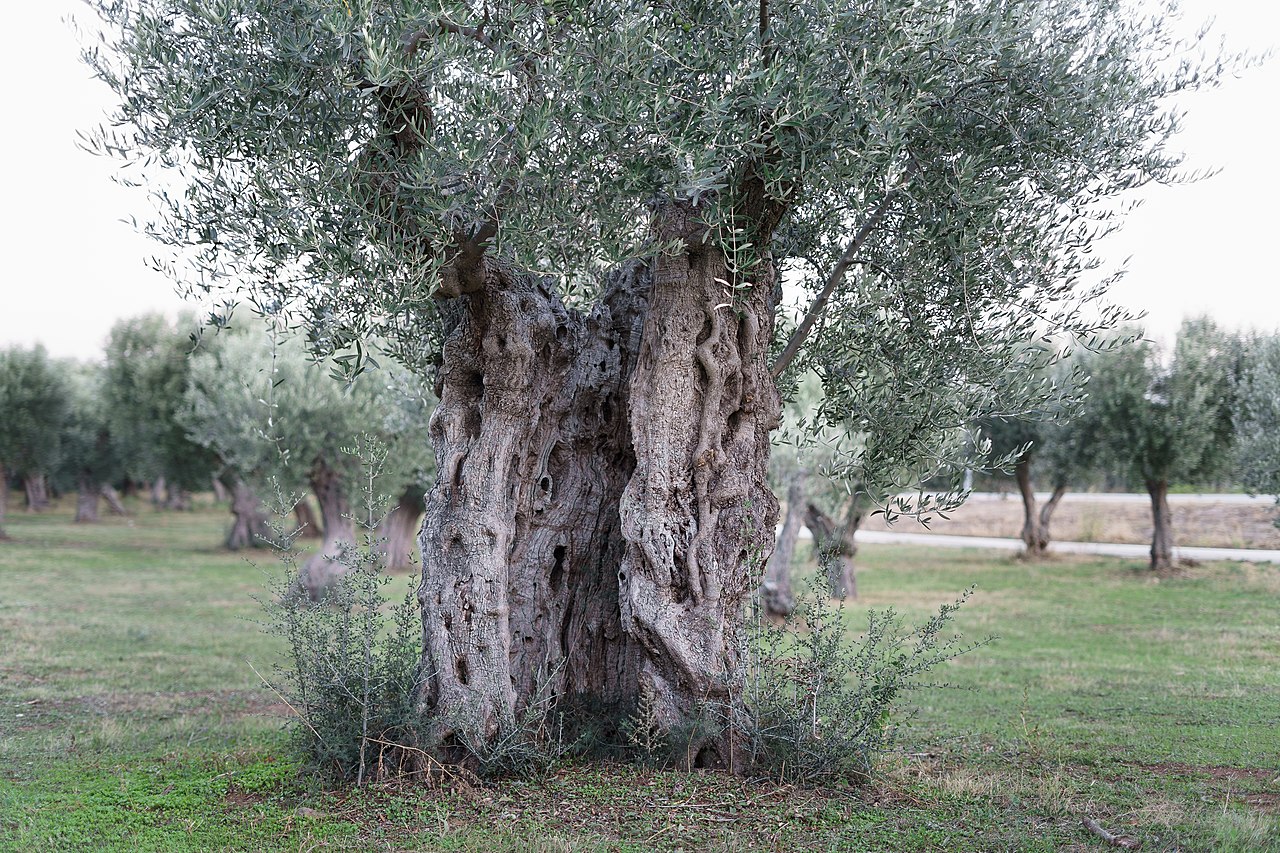
NEWAncient Olive Grove of Makri
One of the oldest olive groves in the Mediterranean, with around 220,000 trees - some up to 2,500 years old, with huge trunks and rare branching. References to the area's "huge olive trees" go back to post-Byzantine times. At the edge of the grove lies the Cyclops Cave, traditionally said to have been the home of the mythical Polyphemus. Makri's olives give the region its namesake PDO olive oil.
16.57 km
NEWKornofolia Monastery
One kilometre west of the village of Kornofolia, the Monastery of Panagia Portaitissa of Kornofolia is dedicated to the Dormition of the Theotokos. Its exact founding date is unknown, but local tradition gives it a history of roughly four centuries. In the early 18th century it was granted as a dependency to the Iviron Monastery on Mount Athos, an arrangement formalised in 1747 by a patriarchal decree under Ecumenical Patriarch Paisios II. The monastery's current katholikon (main church) was inaugurated on 15 August 1857, a date recorded on a founder's inscription above the main entrance. Its main feast is celebrated every 23 August, on the ninth day after the Dormition of the Virgin.
64.42 km
 NEW
NEWAncient Doriskos
At the Saraya site, on a low rise just outside Feres, lie the ruins of ancient Doriskos, a Thracian city that changed hands many times in antiquity. The Persian king Darius I stationed a garrison there in 513 BC, and in 480 BC Xerxes stopped at Doriskos to resupply his fleet and count his army before the campaign against Greece. Doriskos later joined the Athenian League and subsequently passed to the Macedonians and Ptolemies. Today the rise still shows remains of the ancient wall and burial mounds, and pottery sherds and ancient coins have occasionally turned up - traces of a city that once minted its own coinage and had a thriving economy.
23.27 km
NEWByzantine Castles of Avantas and Potamos
The ruins of two Byzantine castles in the villages of Avantas and Potamos, inland from Alexandroupoli - a reminder of the area's role as a military stronghold on the border with Constantinople during the Byzantine period. The surrounding gorges are today an ideal spot for hiking and eco-tourism.
12.57 km
 NEW
NEWA Nearby Excursion to Avantas and Agioi Theodoroi
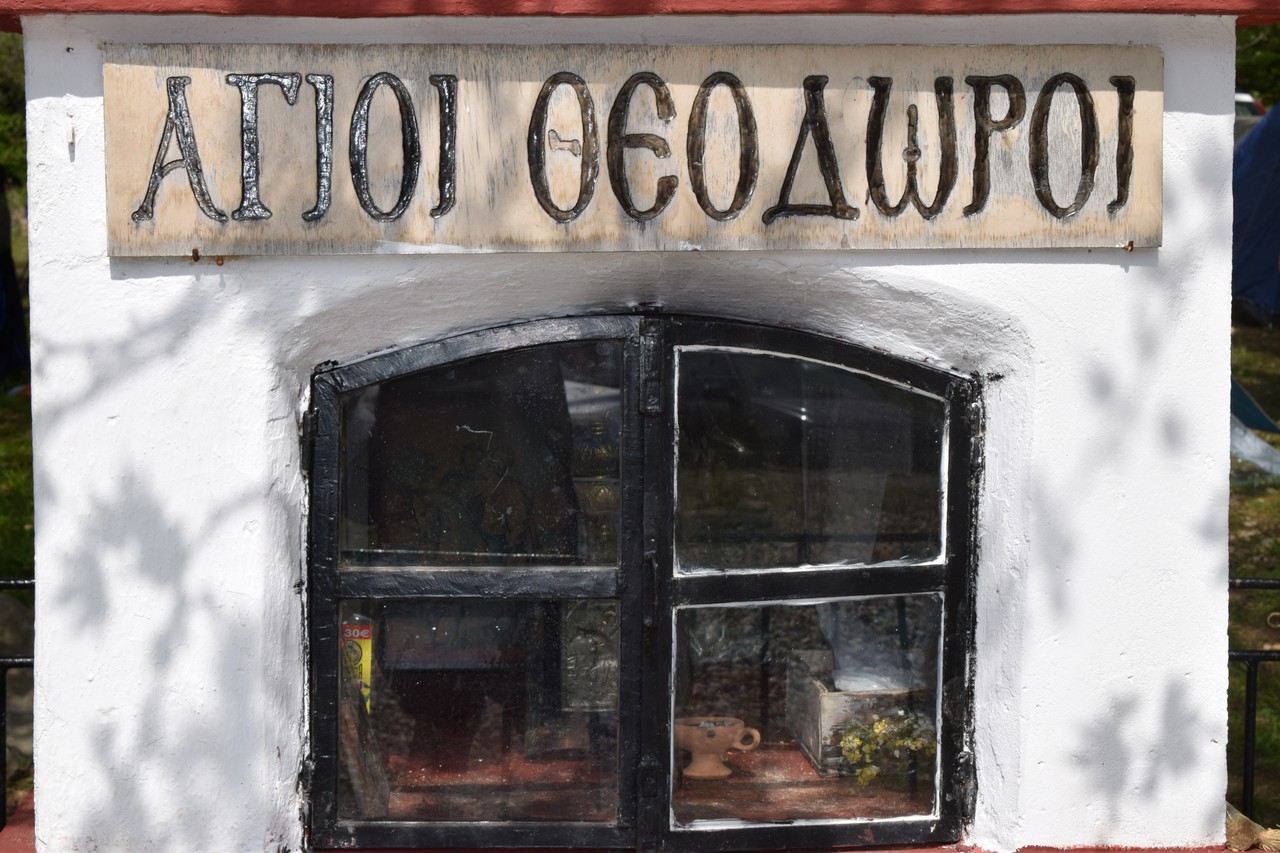
A beautiful short excursion from Alexandroupoli leads to Avantas , an area where nature meets the medieval history of Thrace. The route passes between rocky hills and narrow valleys, with the remains of the Byzantine castles of Avantas and Potamos recalling the area's strategic importance. Based on their architectural features, both castles are dated to the 14th century and once controlled passages into the hinterland. Avantas Castle The first stop can be Avantas Castle , perched on a rocky outcrop and one of the area's characteristic medieval remains. Together with the nearby Potamos Castle, it was part of the defensive network controlling the routes towards mountainous Rhodope. Note that the castles are not currently organised, visitable archaeological sites , so approach them with care. Old Potamos Railway Station Continuing towards the Potamos area, it's worth stopping at the old Potamos railway station . The station sits next to Potamos Castle and the current Alexandroupoli-Komotini rail line. The old facilities have been abandoned and form a distinctive piece of the area's more recent history, set within a landscape where the railway, the Byzantine remains and nature all coexist. Potamos Castle A little further on lies Potamos Castle , built on a low, elongated rocky hill. It has two fortified enclosures, towers and particularly interesting fortifications, while its position near the railway and the valley makes the landscape distinctive. Here too, however, this is an unorganised monument not currently open to visitors, so exploration should be done with care. The Holy Church of Agioi Theodoroi The most distinctive point of the route lies about 4 kilometres west of Avantas , in a narrow valley surrounded by tall rocks, almost right next to the railway line. There, hidden inside a natural cave, stands the Holy Church of Agioi Theodoroi . The small church was formed within the natural hollow of the rock and is thought to have functioned as a hermitage in Byzantine times . A narrow passage leads into the interior of the cave, where the space has been fitted with a built templon and is decorated with Byzantine frescoes. The frescoes belong to two different phases : the older dates to the late 11th century, and the second to the turn of the 12th into the 13th century. Their style is linked to the great tradition of Byzantine painting from Constantinople. The image of the church, carved into the rock and surrounded by steep cliffs, is strongly reminiscent of the cave churches of Cappadocia. The Journey Is Part of the Experience Getting to Agioi Theodoroi is not just a visit to a monument. The route passes through a distinctive natural landscape with plane trees, rocks, streams, and the railway line following the valley. The final stretch to the cave includes a path and steps, so proper footwear and care are needed, especially when it's damp. An excursion to Avantas can therefore combine medieval castles, an abandoned railway station, a unique Byzantine hermitage inside a cave, and a beautiful natural landscape , just a few kilometres outside Alexandroupoli.
10.5 km
 NEW
NEWDadia Mushroom Festival
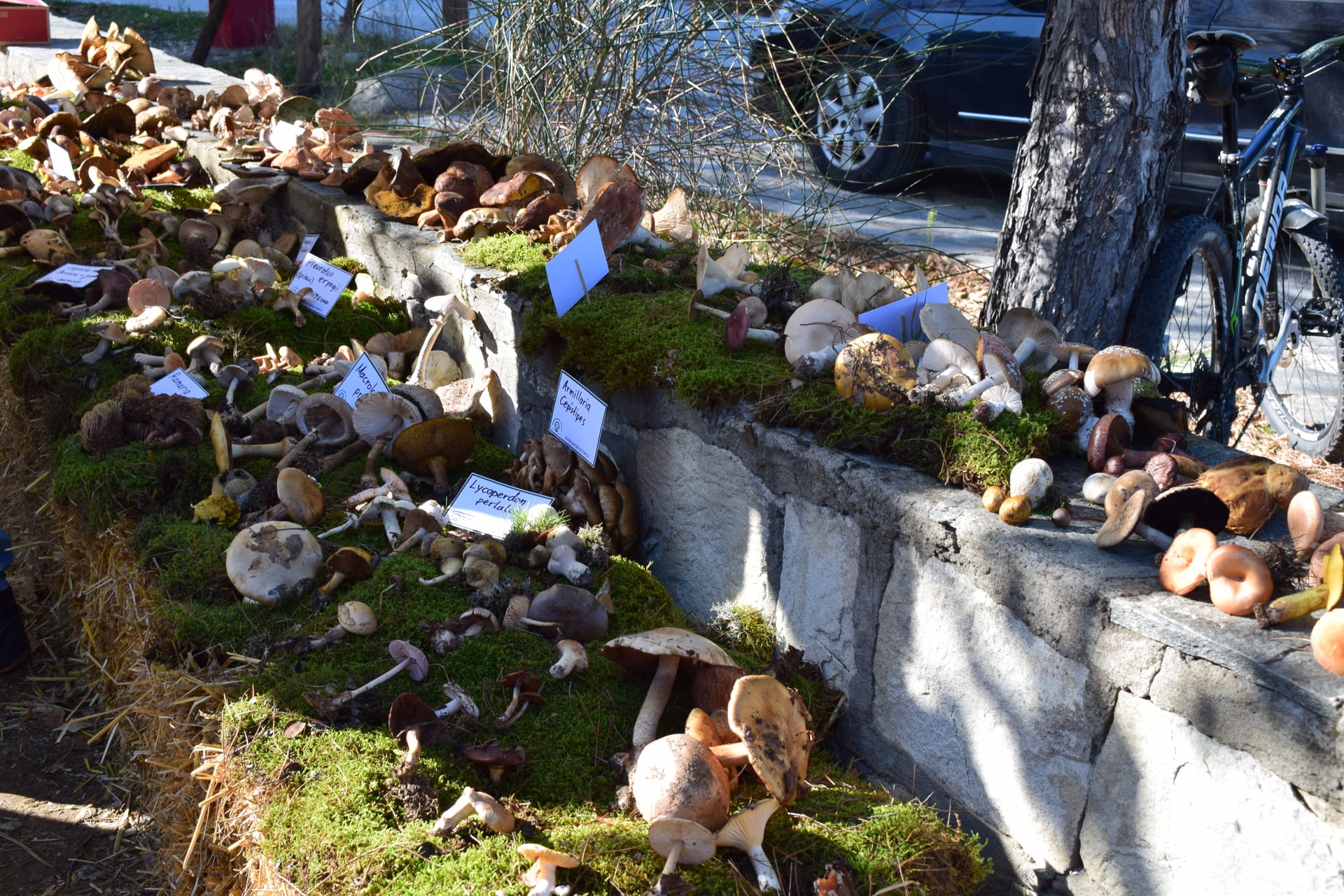
A short excursion to Dadia for the annual Mushroom Festival, a two-day event (Saturday-Sunday, usually in early November) at the Dadia Forest Information Centre. Organised by the Dadia Athletic and Cultural Association "Akritis", together with the Municipality of Soufli, the Region of East Macedonia-Thrace and the Management Unit (OFYPEKA), with free admission to all activities. Includes mushroom identification talks, music, activities for kids and local produce stalls.
66.77 km
NEWSaint John the Theologian (Astochori)
A church in the village of Astochori, another point of the religious heritage of the countryside around Alexandroupoli.
13.72 km
NEWSoufli Folklore Museum "Ta Gnafala"
For three generations the Bourouliti family has been collecting and preserving objects that keep Soufli's traditions alive. The result is "Ta Gnafala" - named after the first threads a silkworm spins for its cocoon - a folklore museum with a rich collection of old everyday, agricultural and ecclesiastical objects, traditional local costumes, jewellery, clasps and handicrafts of every kind. Since 2006 the museum has expanded its activities beyond the exhibits themselves, and since 2007 it has hosted the annual "Ta Gnafala" cultural festival every summer, featuring theatre performances, concerts, dance groups and exhibitions of painting, video art, photography and poetry.
67.7 km
 NEW
NEWDadia Forest: Wild Nature, Hiking and Birds of Prey Watching
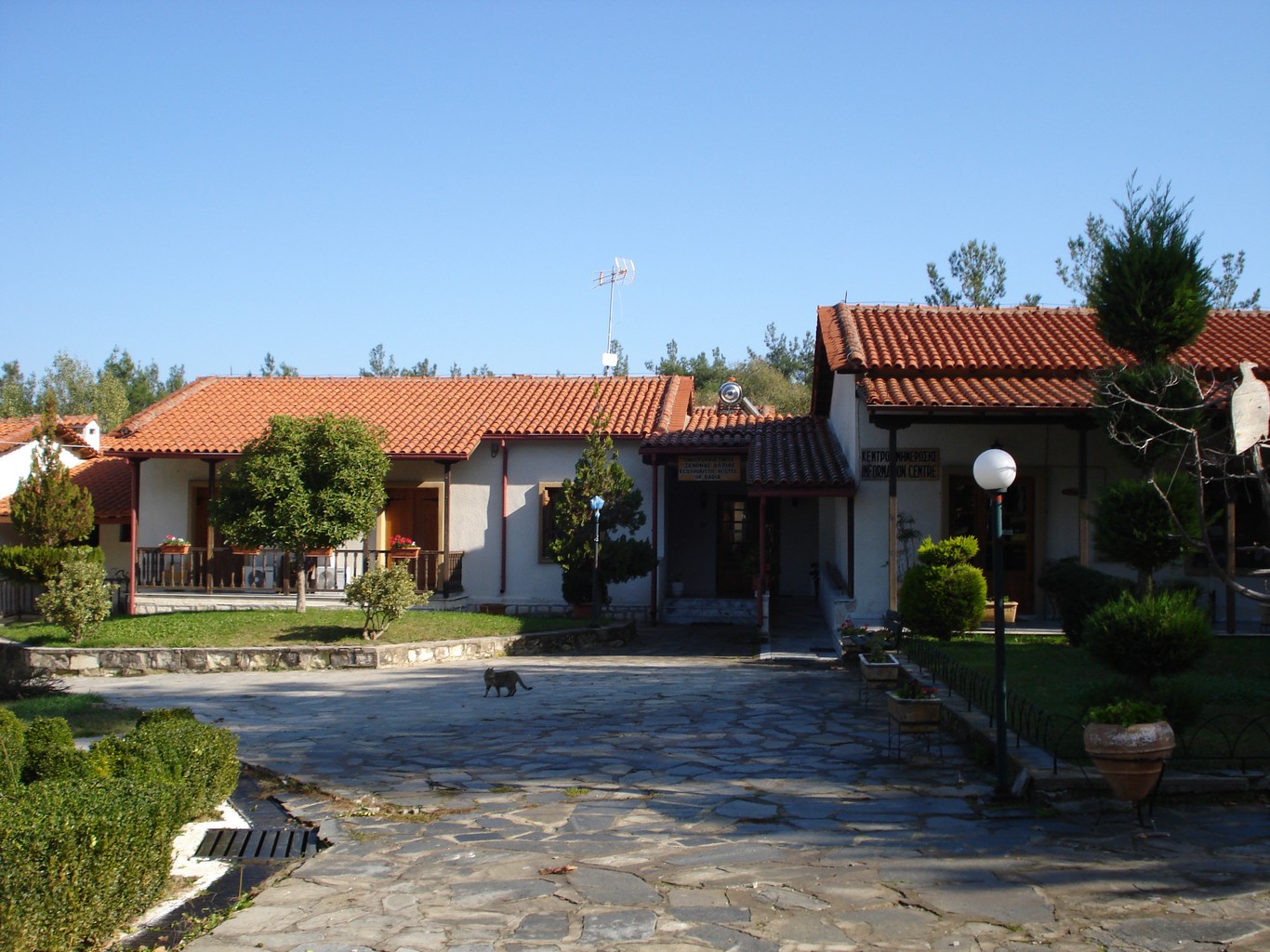
One of the most important nature excursions in Evros leads to the Dadia-Lefkimi-Soufli Forest National Park, a large protected area in the heart of Evros, known throughout Europe for its unique importance for birds of prey. The National Park covers approximately 428,000 stremmata and lies in a distinctive geographic position, at the crossroads of Europe and Asia and near a major bird migration corridor. The landscape is a mosaic of forests, clearings, scrubland and agricultural land, shaped by the long coexistence of people and nature. The area is protected for its exceptionally rich biodiversity, and in particular for the birds of prey that nest or pass through here. The Dadia Forest The forest is characterised by extensive wooded areas, with oak and pine, glades and ravines that create a very different landscape from the lowland and coastal parts of Evros. The area is a habitat for many species of wildlife. Among the animals one may encounter in the wider area are roe deer, wild boar, foxes, hares and wolves, while the presence of many bird species makes the forest particularly interesting for nature watchers. Dadia's great value, however, lies mainly in its birds of prey. The Cinereous Vulture and the Raptors Dadia is one of the most important sites in Europe for the Cinereous Vulture (Aegypius monachus), one of Europe's largest birds of prey. Despite the heavy losses caused by the 2023 wildfire, the species' population continues to show remarkable resilience. According to the most recent data from OFYPEKA, 44 active Cinereous Vulture pairs were recorded during the June 2026 breeding season, a number that remains close to the high of 47 pairs recorded the previous year. The area is also home to black storks, short-toed eagles, common buzzards, lesser spotted eagles and other raptor and forest species. Sightings are not guaranteed, as these are wild animals, but their very presence is one of the main reasons Dadia has gained international renown. Dadia Information Centre Before setting out to explore the area, it is worth stopping at the Information Centre of the Dadia-Lefkimi-Soufli National Park, in the village of Dadia. There you can learn about the ecosystem, the area's species, the routes currently available and the current access conditions. The Centre is open daily 08:00-16:00, and for information on visits and routes you can call 25540 32202. OFYPEKA also provides the number 25540 32209 for information and bookings for the Birds of Prey Observatory. Hiking in the Forest Dadia has historically had a network of marked hiking trails running through forest, clearings, old cart tracks and ravines. Here, though, particular caution is needed: after the major 2023 wildfire, the condition of the trails has changed, and it should not be assumed that all the old trails are available today. The older yellow and orange trails have been affected by the burned areas and have at times been closed. The situation may keep changing as restoration and clearing work continues. So for an actual hike in Dadia, do not rely on old maps or descriptions without checking first. Before setting out, contact the Information Centre to find out which route is open and safe on the day. The Gkimprena Trail One of the area's best-known hiking routes is the Gkimprena trail, marked in red and blue. The classic route is about 10 km, of moderate difficulty, and leads towards the summit of Gkimprena. It is a route for hikers in good physical condition, not a casual walk. There are also more recent trail records for the area, but trail conditions may have changed due to the effects of the wildfire and the forest's natural regeneration. For that reason, up-to-date information from OFYPEKA should always precede any hike. The Route to the Observatory For those who want to experience Dadia without a long hike, there is organised access to the Birds of Prey Observatory. OFYPEKA runs a 15-seat bus transferring visitors to the observatory. The departures currently listed by the Information Centre are 08:30, 10:00, 11:30 and 13:00, running daily, Monday to Sunday. A seat requires booking/confirmation by calling 25540 32209. This matters, because visitors do not need to treat a visit to Dadia purely as a hike. You can experience the forest and reach the observatory via the organised transfer, and then spend time in the village and the wider area. Dadia After the Wildfire Today's Dadia looks different from how it did before the major 2023 wildfire. The fire caused extensive loss of forest vegetation and habitat, yet the area remains an exceptionally important ecosystem and is undergoing natural regeneration alongside active conservation work. The resilience of the ecosystem is also reflected in the Cinereous Vulture's trajectory. OFYPEKA continues to monitor the population and carry out conservation actions, including artificial nests. This makes visiting Dadia today a different experience: you see not just an old, dense forest, but a living ecosystem that is recovering and continues to host rare species. Dadia as a Day Trip If you have a full day available, it is worth not limiting your visit to the Information Centre. You can start at Dadia, learn about the area and the routes available, visit the observatory via the organised transfer, and then explore the village and the wider area. For those who want an actual hike, Gkimprena is the best-known option, provided the trail is open and access has been confirmed by the responsible authority. The trip can also be combined with a visit to Soufli, known for its centuries-old tradition of silk and sericulture, creating a complete day route through northern Evros. What to Do in Dadia Visit the National Park Information Centre. Watch birds of prey at the Observatory. Hike, only on an open and confirmed trail. Climb towards Gkimprena, for more experienced hikers and only when the route is available. Nature photography and wildlife watching. Explore Dadia and the surrounding villages. Combine the trip with Soufli. Useful Information Dadia Information Centre: daily 08:00-16:00. Phone: 25540 32202. Observatory / bookings: 25540 32209. Before any hike, especially in the summer months, be sure to contact the Information Centre about trail conditions and any restrictions due to fire risk. Access to protected forest areas may be limited depending on conditions and fire danger. Bring plenty of water, a hat, sunscreen and suitable shoes, and while hiking stay on the permitted routes. A Different Experience in Evros Dadia is not just another forest for a walk. It is a place where wildlife, birds of prey, forests and human history in Evros coexist in one of the country's most important protected areas. From the easy visit to the Information Centre and the Observatory to a more demanding hike to Gkimprena, the area can offer different experiences depending on the visitor's time and physical condition. And today, after the major changes brought by the 2023 wildfire, Dadia has one more reason to visit: to see up close a unique ecosystem that continues to regenerate and to host some of Europe's most impressive birds of prey.
66.77 km
 NEW
NEWChurch of Agios Athanasios, Lavara
A wooden-roofed basilica from 1834, the Church of Agios Athanasios stands in Lavara, a small town on the road linking Soufli with Didymoteicho. The village was formerly called Saltikioi and took its current name in 1920, after the blue flag with a black cross raised by its residents during the 1821 revolutionary uprising, when they disarmed an Ottoman military detachment at the "Kouri" site. Dedicated to Saint Athanasios, the church is today one of the oldest religious monuments in the area and a reference point for the local history of Lavara.
81.05 km
 NEW
NEWAncient Via Egnatia
The Via Egnatia was built by proconsul Gnaeus Egnatius between 146 and 120 BCE, connecting Rome with its eastern territories - one of the most important military and commercial roads of antiquity. The Municipality of Alexandroupoli holds most of its surviving sections: the most impressive is in the mountain village of Komaros, where the ancient construction technique is preserved and marked by the Ephorate of Antiquities of Evros, while lowland sections survive near the modern national road, towards Traianoupolis.
21.58 km
NEWTraianoupoli: Thermal Baths, History, River and Platanotopos
A short excursion from Alexandroupoli combining history, hot springs, old baths and lush green scenery. The Traianoupoli area is ideal for anyone who wants to leave the city and the sea behind for a while and discover a different side of the Municipality, with archaeological remains, Ottoman monuments, water and outdoor recreation areas. Ancient Traianoupoli Traianoupoli was founded by the Roman emperor Trajan in the early 2nd century AD and grew into an important administrative, military and ecclesiastical centre of Thrace. Its position on the route of the ancient Via Egnatia contributed significantly to its development. Its hot springs were already, since antiquity, one of the main reasons the area attracted visitors. Parts of the archaeological site and remains testifying to the city's long history survive in the wider area. Also of particular interest is the ancient Via Egnatia itself, sections of which are preserved in the Traianoupoli area and further east, offering a glimpse of the route travellers followed almost two thousand years ago. The Han of Gazi Evrenos One of the area's most distinctive monuments is the Han of Traianoupoli, also known as the Han of Gazi Evrenos Bey. It is an Ottoman caravanserai, a place where travellers and merchants moving along the Via Egnatia could stop and be accommodated. The building dates to around 1370-1390 and ranks among the oldest Ottoman monuments in the Balkans. The large stone structure is today one of Traianoupoli's most recognisable landmarks and is worth including in a visit even when the modern baths are not operating. The Old Baths Behind the Han lie the remains of the old bath facilities. The area is linked to the long tradition of the hot springs and their use during both the Roman and Ottoman periods. The surviving bath structures include vaulted buildings and remains of the facilities once used for bathing. So, within a relatively small area, you can see Roman remains, the Han of Gazi Evrenos and the old baths, essentially tracing the area's history across the centuries. The Thermal Springs The hot springs remain Traianoupoli's best-known feature. The natural spring of the Traianoupoli Baths has been officially recognised as therapeutic, and the spring water reaches a temperature of around 51°C. The modern facilities include a hydrotherapy centre with individual tubs, as well as hotel accommodation. Today, however, the Thermal Baths are out of operation. In 2026, TIEDA (the Municipality's development company) began a process for the operational and energy upgrade of the hydrotherapy centre, aiming to bring it back into service. The area is therefore worth visiting even without the option of a spa treatment, though it's worth checking whether the baths have reopened before a future visit specifically for that purpose. Nature, Water and Plane-Tree Groves The excursion in the wider area can continue with a stop in nature. The flat lands around Traianoupoli and the neighbouring settlements offer a very different picture from Alexandroupoli's coastal scenery, with water, plane trees, greenery and outdoor recreation spaces. For a more organised stop in nature, especially if you want to pair the trip with food or a picnic, Platanotopos Maistrou stands out. The site is particularly popular for outings and family activities. For May Day 2026, the Municipality of Alexandroupoli announced that Platanotopos was ready to welcome visitors, with picnic tables, public taps, football and basketball courts, chess, table tennis and outdoor gym equipment. It is therefore a spot better suited to those who want a more relaxed excursion, with time in nature, play for the kids, or a picnic under the trees. An Excursion for Every Season The area can be approached differently depending on the season. In spring, the green spaces and outdoor areas are great for picnics and family outings, with May Day being a classic day for a trip into nature. In summer, the plane trees and areas with water offer a pleasant change from the heat of the city, and a visit to the historic monuments can be combined with a longer stop in nature. In autumn and winter, the historical side of Traianoupoli becomes more appealing, as you can spend more time at the Han, the old baths and the archaeological site without the summer heat. What to See and Do A complete excursion can combine: Traianoupoli archaeological site → Han of Gazi Evrenos → old baths → hot springs → a walk in nature → Platanotopos Maistrou → picnic and outdoor activities. If the Thermal Baths have reopened by the time you visit the area, you can also add a spa treatment to the plan. Traianoupoli is thus more than just a destination for therapeutic waters. It is a short excursion that combines almost two thousand years of history with nature and outdoor recreation, offering a different experience just a few kilometres outside Alexandroupoli.
24.5 km
NEWDadia Forest National Park
At the heart of Evros lies one of Europe's most important refuges for birds of prey: the Dadia-Lefkimi-Soufli Forest National Park, protected since 1980 and officially designated a National Park in 2006, spanning roughly 428,000 stremmata of pine and oak forest, clearings and pastures. It is home to 36 species of birds of prey, including the rare cinereous (black) vulture, the griffon vulture and the Egyptian vulture, and hosts the only breeding population of black vultures in the Balkans. The area also supports a significant population of nesting black storks. The major 2023 wildfire caused extensive loss of forest vegetation and habitat, but the ecosystem is undergoing continuous natural regeneration alongside active conservation work by OFYPEKA, including artificial nests for the cinereous vulture. According to OFYPEKA's most recent data, 44 active cinereous vulture pairs were recorded during the June 2026 breeding season, close to the high of 47 pairs the previous year - a sign of the population's remarkable resilience.
66.77 km
 NEW
NEWSoufli Silk Museum
Housed in a neoclassical building from 1886, the Silk Art Museum has operated since 1990 and is one of Greece's first thematic museums of technical heritage, part of the Piraeus Bank Group Cultural Foundation's museum network. It traces every stage of pre-industrial silk production - from raising silkworms to unwinding the cocoon thread, dyeing and weaving - within the social and economic context that made Soufli a major Greek silk-production centre from the late 19th to the mid-20th century. Dedicated sections cover everyday life in Soufli during the heyday of the silk trade, with rare period tools and machinery on display.
52.12 km