Stories of the City

Monuments

Monuments and landmarks that tell the history of the city.

Photo: Spiridon Ion Cepleanu, CC BY-SA 4.0

Church of Saint George - Nea Chili
Μνημεία

Church of Saint George - Nea Chili

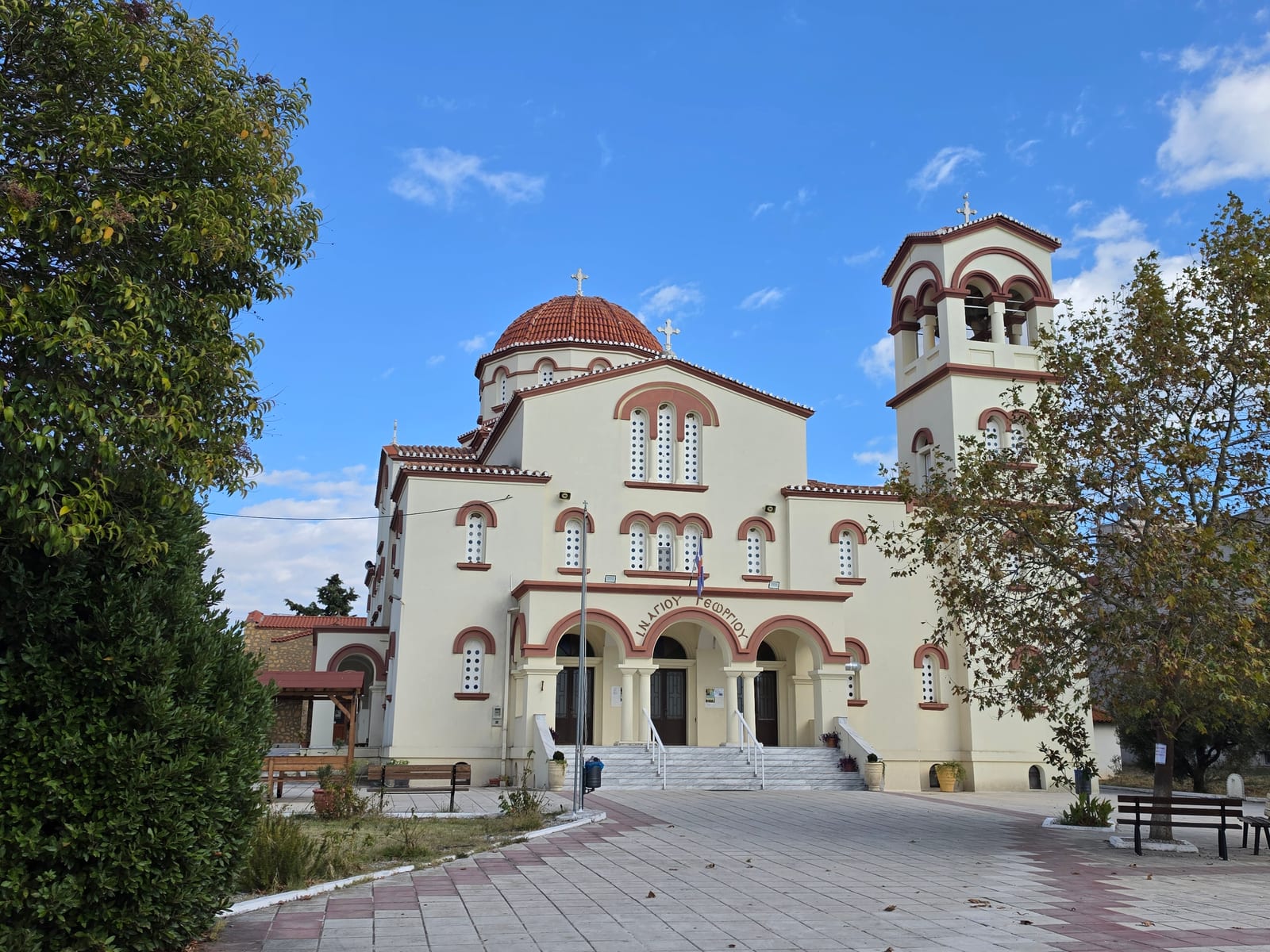
In the heart of Nea Chili, on the settlement's main road, stands the Church of Saint George. On the same site the old stone church and the newer, larger church built in front of it stand side by side, a rare sight that tells the whole story of the settlement. From a wooden church to the stone church of 1953 When Nea Chili was founded in 1924, the first residents put up a wooden church dedicated to Saint George. When it wore out, the residents themselves built the stone church with their own labour, and it was inaugurated in 1953 by Metropolitan Ioakeim Kavyris of Alexandroupoli. As the settlement grew, the stone church became too small. In 1987 the foundation stone of the new, larger church was laid, and the old one gradually fell out of use. Restoration and reopening in 2023 Restoration of the stone church began in 2022: roof, stonework, electrics, heating and furnishings. It was ceremonially reopened on Saint George's Day 2023 and returned to the parish's worship. Pontus and the Peristereota icon The parish is closely tied to refugee memory. In 2019 Nea Chili welcomed for veneration the historic icon of Saint George Peristereota, from the monastery of the same name near Trabzon, which was saved and brought to Greece after the uprooting of 1923. The feast of 23 April On Saint George's Day all of Nea Chili celebrates. After the liturgy, the settlement traditionally held wrestling matches, a custom brought by refugees from Asia Minor and Pontus. Visiting tips Two churches, one visit: step first into the small stone church for the atmosphere of the 1950s, then into the new one for its icon painting and spaciousness. A walk to the sea: combine your visit with a stroll through the lanes of Nea Chili to Nea Chili beach . A little further east is the Church of Saint Andrew .
Church of Saint Andrew - Nea Chili
Μνημεία

Church of Saint Andrew - Nea Chili

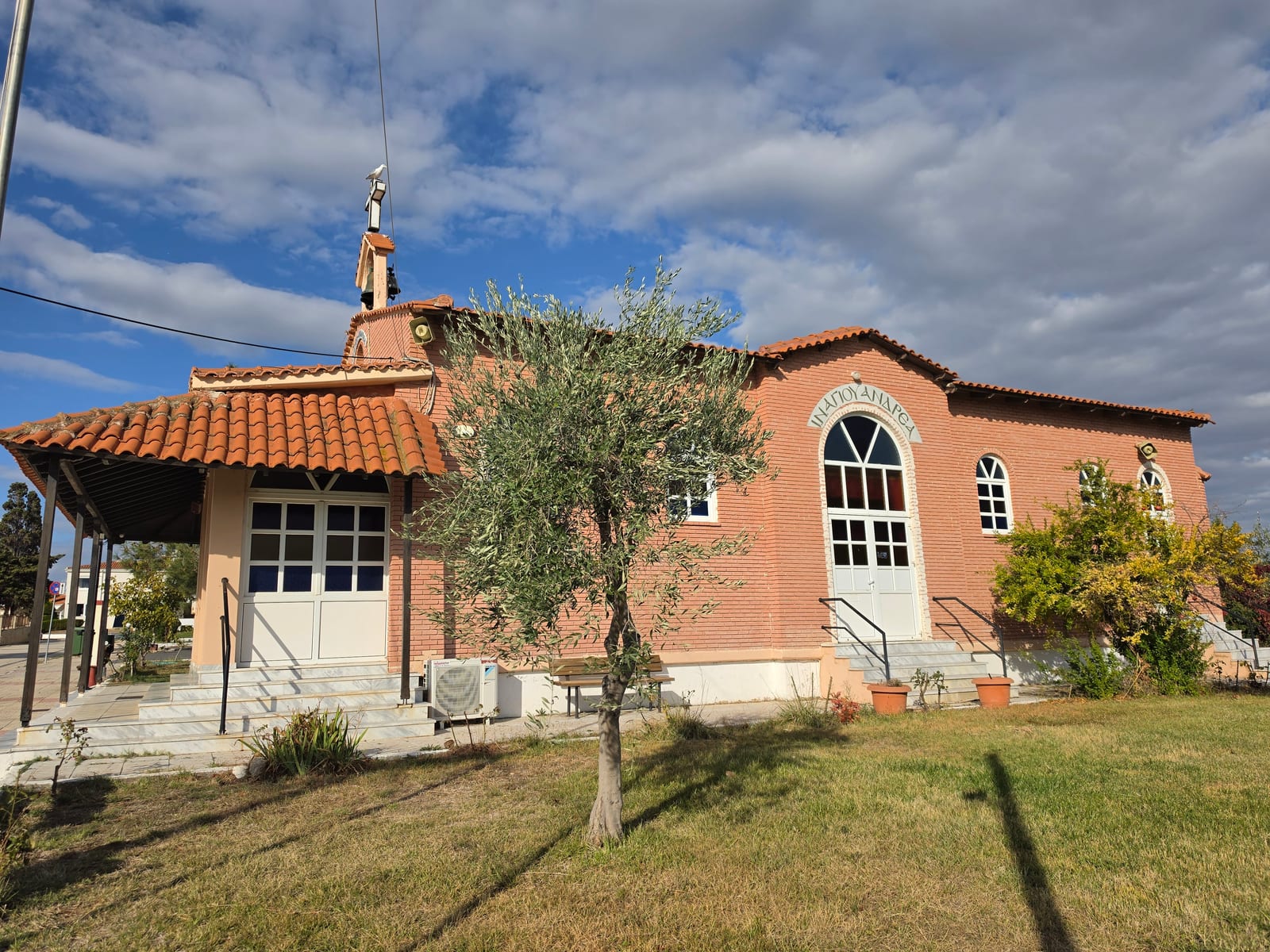
On the western side of Alexandroupoli, where the seafront fills with people in summer, the Church of Saint Andrew the Apostle is a quiet spot. It stands right across from Island Park Afroditi and very close to Delfini beach . The neighbourhood church The church serves the New Workers' Housing neighbourhood and is the centre of its parish, beside the main road heading west. Anyone driving towards Makri sees the sea on one side and the church on the other. The feast of 30 November While the area is associated with summer, Saint Andrew's has its own big day in the middle of winter. On 30 November, the feast of Saint Andrew the First-Called, the church celebrates its patronal feast and draws worshippers from all over the city. Visiting tips A stop on your walk: if you are walking or cycling along the seafront, make a short stop near Island Park. A Sunday outing: combine your visit with Delfini beach and, a little further west, Saint George in Nea Chili .

The Lighthouse: history and visitsFEATURED
Μνημεία

The Lighthouse: history and visits

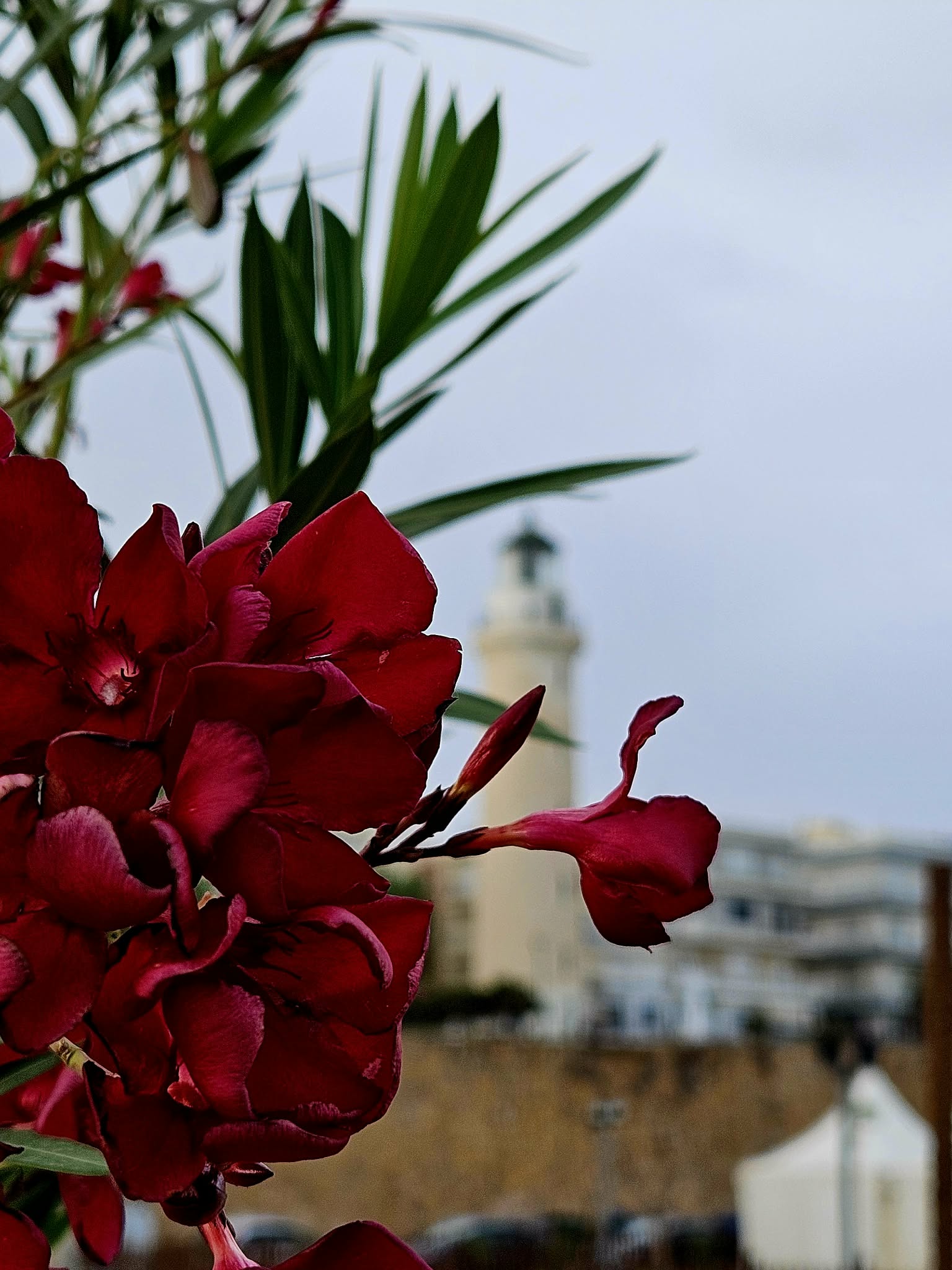
The Alexandroupoli Lighthouse was built by the French Company of Lighthouses and Beacons of the Mediterranean, under contract with the Ottoman government of the time, and was inaugurated on 1 June 1880. Its purpose was to aid navigation in the Hellespont area. It has operated continuously ever since. It stands on the western side of the harbour, is 18 metres tall with 98 internal steps - one of the tallest lighthouses in Greece. In recent years it has occasionally opened to the public for special events and city festivities, without a fixed visiting schedule - it's worth following the Municipality's announcements for open days.

Holy Church of Saint Anastasia Pharmakolytria - Makri, Evros
Μνημεία

Holy Church of Saint Anastasia Pharmakolytria - Makri, Evros

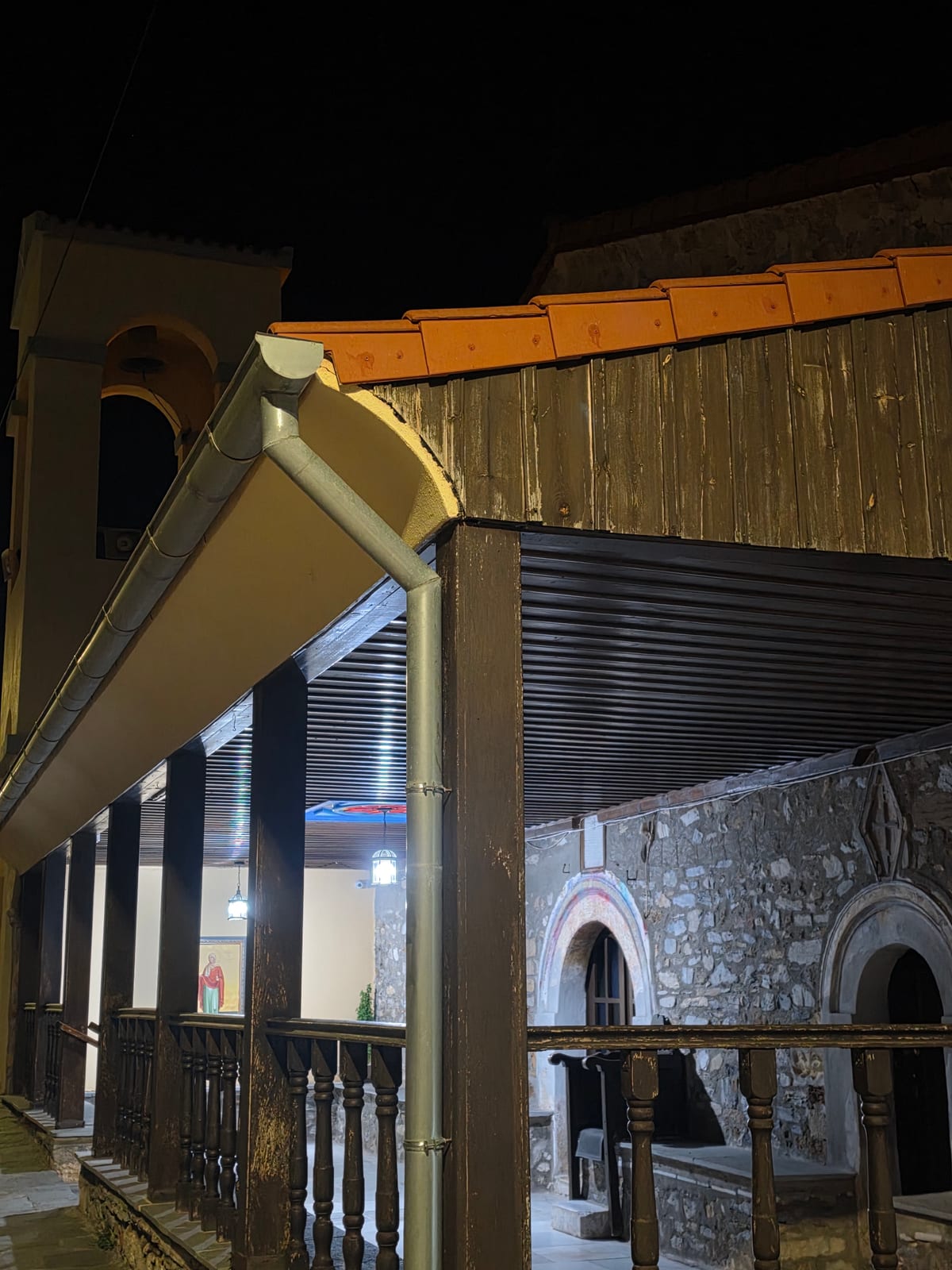
The Holy Church of Saint Anastasia Pharmakolytria is the historical and religious centre of the seaside settlement of Makri, with her memory honoured by a large local festival every year on 22 December. It is a post-Byzantine three-aisled basilica which, according to its founding inscription, was erected in its current form in 1833. Historical records and local tradition, however, attest that the original church was founded on the very same spot in 1100. Building new churches over the ruins of older places of worship is a characteristic practice in Makri. The settlement also preserves the remains of an ancient three-aisled basilica - on whose site a mosque was later built - as well as traces of a 12th-century church at the site known as "Episkopeio". The monument's history is inseparably linked to the long course of the wider region. Makri shows continuous habitation since the Neolithic era (Touba, the Cyclops ' Cave), was an ancient trading post known as "Tempyra" around the 5th century BC, and served as an important episcopal seat during the Byzantine period (9th-14th centuries). Its strategic significance is reflected in the many Byzantine and Ottoman remains that survive, before the area passed through Bulgarian Occupation and was definitively incorporated into the Greek state in 1920. Inside the church, priceless heirlooms are preserved that attest to the area's unbroken religious continuity. Among them stand out the historic marble baptismal font of 1820, the elaborate 19th-century wood-carved iconostasis, and portable icons dating from the 17th century. Scattered around the church grounds, as well as on the nearby Prophet Elias hill, ancient and early Christian marble fragments can be found.

Holy Church of Saint Eleftherios - Alexandroupoli
Μνημεία

Holy Church of Saint Eleftherios - Alexandroupoli

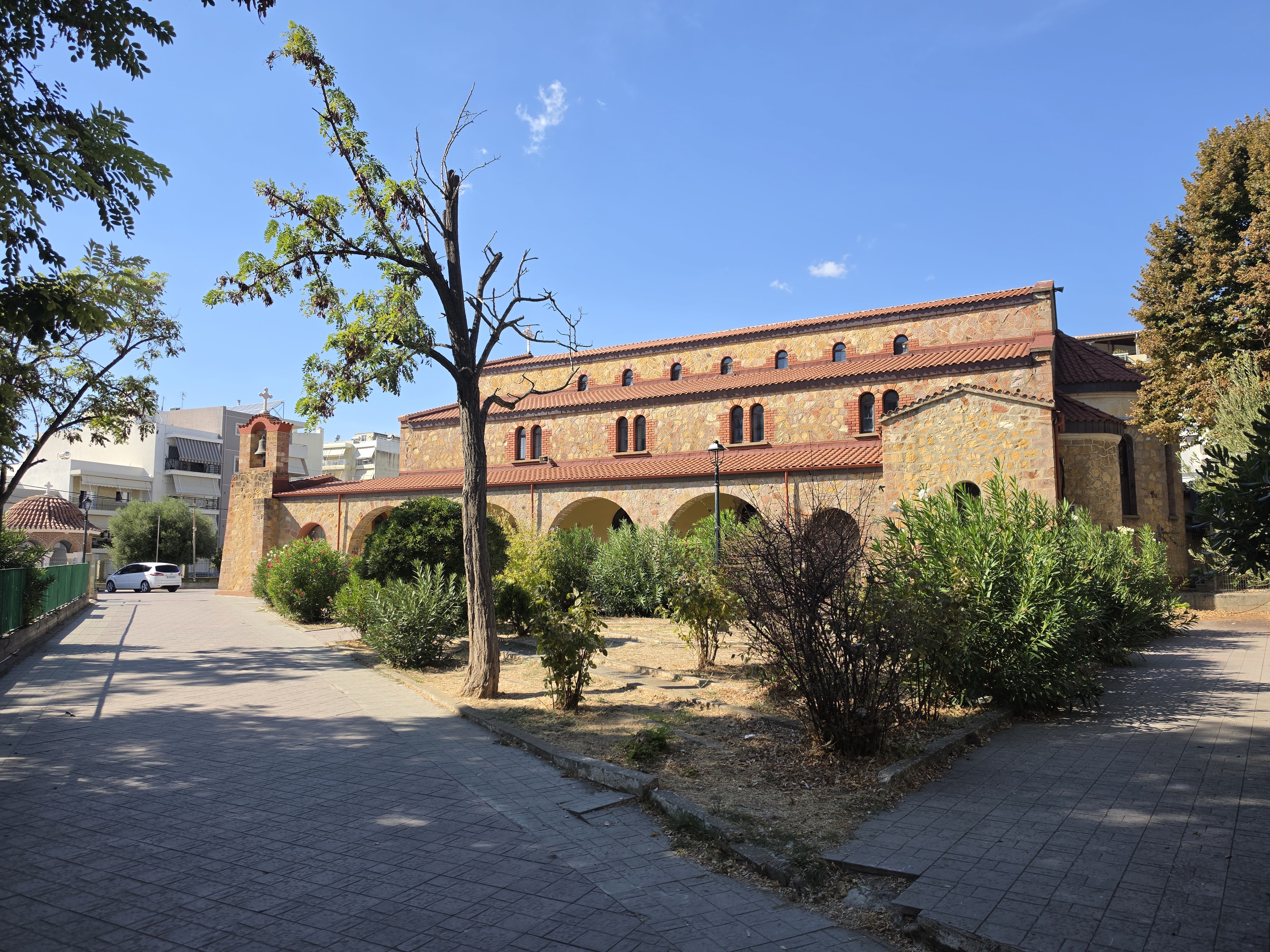
The Holy Church of Saint Eleftherios is one of the most central parish churches of Alexandroupoli, inseparably linked to the city's modern ecclesiastical history since the founding of the Holy Metropolis in 1922. The parish holds a grand festival on 15 December, the feast day of Saint Eleftherios and his mother Anthia, and it is worth noting that in the past the church celebrated the Dormition of the Theotokos on 15 August. In addition, a large festival takes place on 20 June for the Synaxis of the Most Holy Theotokos Odigitria, whose venerated icon is enshrined in a prominent place inside the church. The current imposing church was built during the 1960s and 1970s, following the city's residential expansion eastward. Architecturally, it is an impressive three-aisled stone basilica. Its exterior is dominated by exposed stonework with a tiled roof, as well as elaborate double arched windows framed in red brick. The church is crowned by two tall bell towers bearing crosses, while the large surrounding courtyard is marked by stone arcades with arches and a playground at the front, making it a living landmark for the area. The church's historical weight is reinforced by the fact that, beside the building, lies the tomb of the first Metropolitan of Alexandroupoli, Gervasios Sarasitis (1922-1934). Gervasios was the hierarch who undertook the organisation of the newly established Metropolis under particularly adverse conditions, making him one of the most significant figures in the area's ecclesiastical history.

Saint Nicholas, patron saint of the city
Μνημεία

Saint Nicholas, patron saint of the city

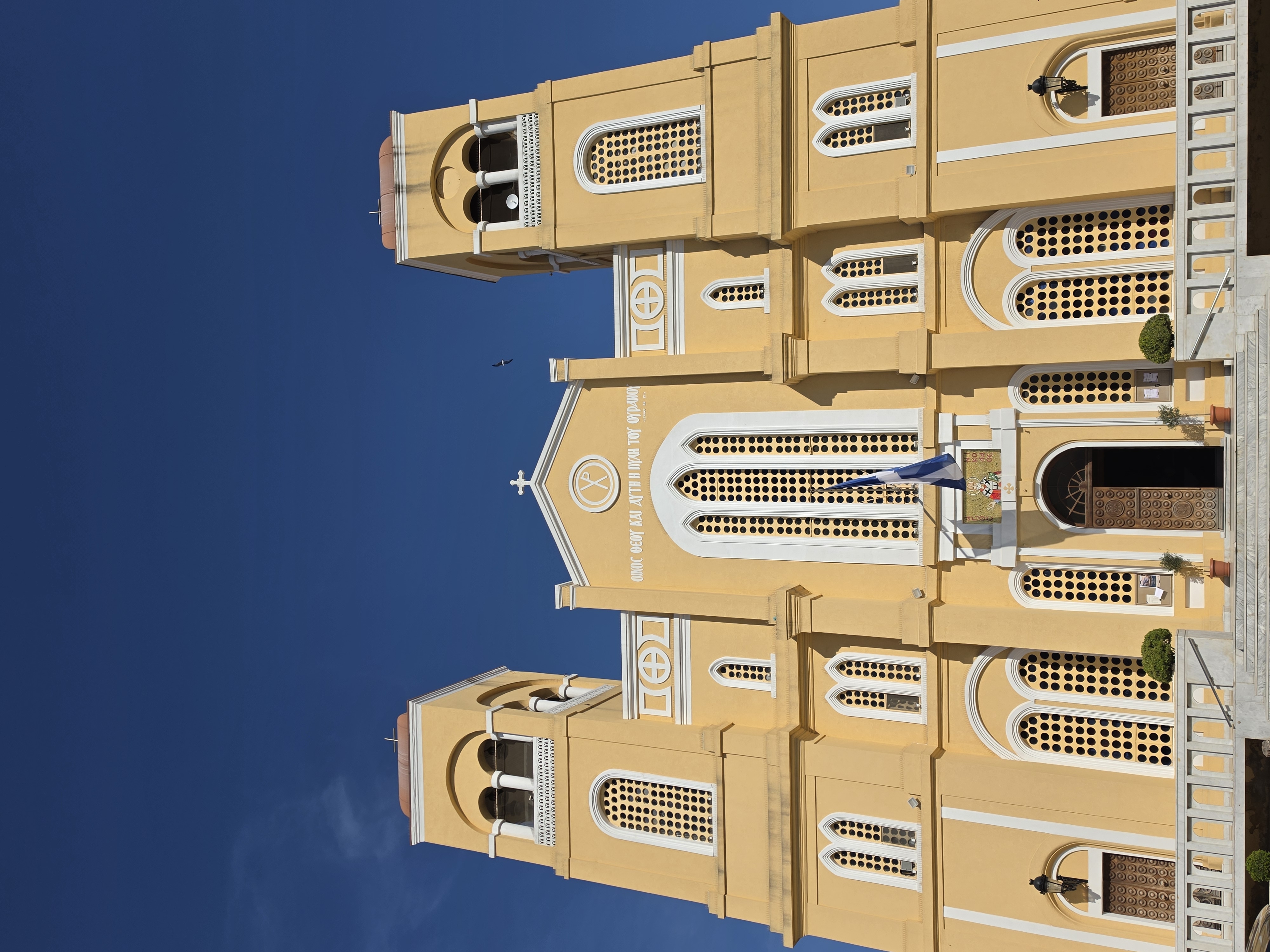
The patron saint of Alexandroupoli is Saint Nicholas, whose feast day is honoured every year on 6 December. The celebration takes place at the Metropolitan Church of Saint Nicholas in the city centre, which also holds a portion of his sacred relic. It was the first church built in the city by its earliest settlers; construction began in 1900 and the first liturgy was held in 1901, under Metropolitan Bishop Germanos of Ainos. In 1908, with financial help from Vlassios Souchour, the Austro-Hungarian consul in Alexandroupoli, its two bell towers were built. It was renovated in 1947 under Metropolitan Ioakeim Kavyris. The church serves as the seat of the Metropolis of Alexandroupoli, Traianoupoli and Samothrace . It also houses the portable icon of the Panagia Tryfiotissa, held in particular affection by the city's residents, while priceless sacred icons and vessels are displayed at the Metropolis' Ecclesiastical Museum .