 FEATURED
Samothraki: The Island of the Great Gods
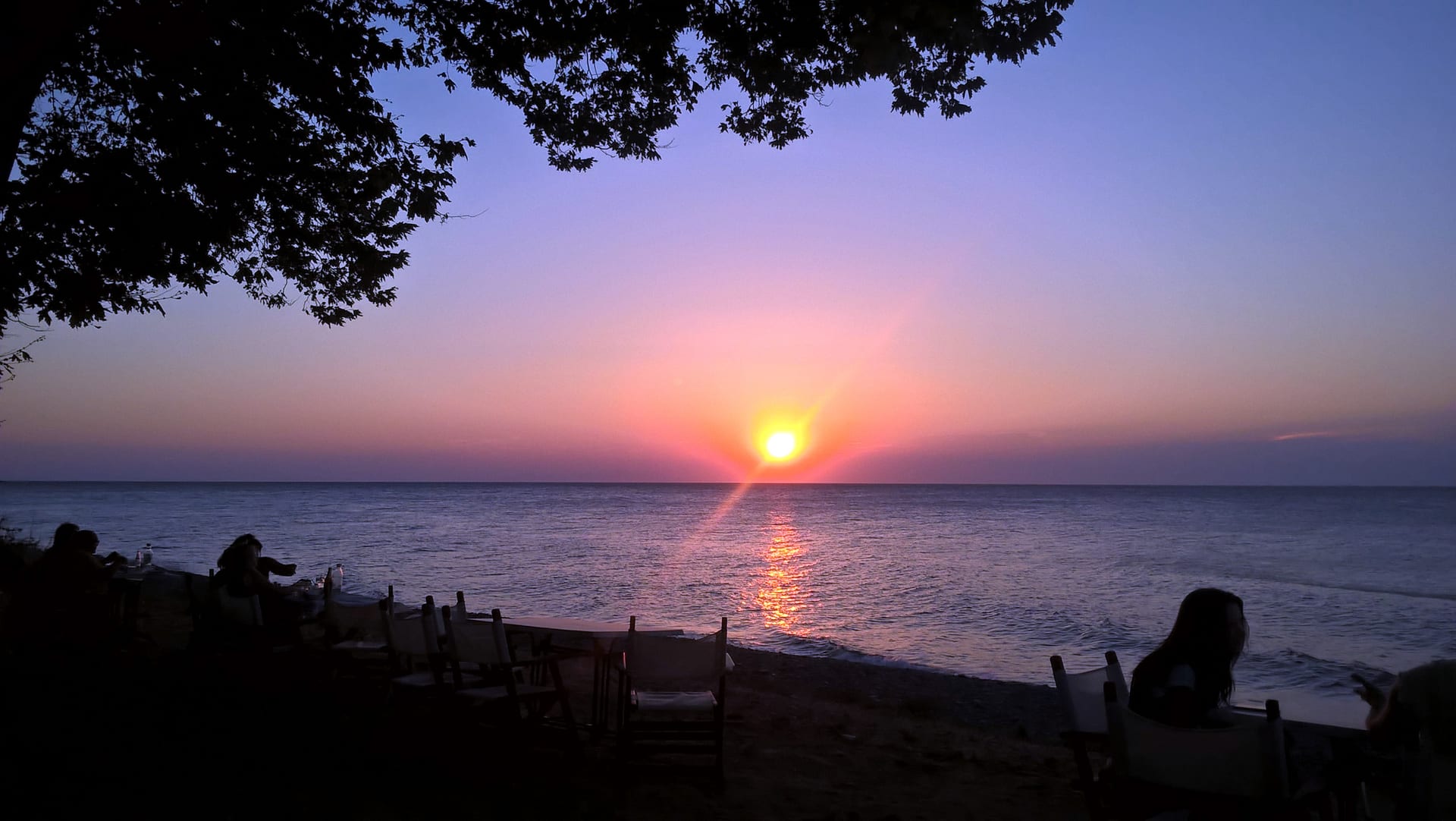
An oval-shaped island of 178 square kilometres at the edge of the northeastern Aegean, Samothraki became world-famous thanks to the Winged Victory statue that today graces the first hall of the Louvre - though it would be more accurate to say it became famous "again", since in antiquity its fame spread across the known world because of the Kaverian Mysteries performed at its sanctuary and kept strictly secret, as initiates were bound by fearsome oaths of silence. According to Herodotus, the first inhabitants were Pelasgians, who brought the cult of the Kaveiroi from their original homeland, Arcadia; around 700 BCE Greek settlers arrived from Samos, which is why Homer calls the island "Thracian Samos" and, in the Iliad, places Poseidon there watching the Trojan War from the mountain's summit. The island grew rapidly, extending its dominance across the northern Aegean and gaining effective control of the Hellespont straits. The Sanctuary of the Great Gods lies at Palaiopolis , six kilometres north of the port, in a setting of inexhaustible beauty comparable only to Delphi - with the Arsinoeion (one of antiquity's largest circular buildings, a gift from Queen Arsinoe, wife of Lysimachus II), the Stoa, the Ptolemaion, the ancient theatre and the fountain where the Winged Victory once stood, before Frenchman Charles Champoiseau discovered it in 1863 and took it to Paris. The Palaiopolis Museum, among the richest in Northern Greece for finds, holds a replica of the statue and treasures from decades of excavation. The area is home to the Xenia guesthouse, the newer "Kastro" inn, and several rooms to let for those who want to stay close to the sanctuary. Kamariotissa is the island's port and commercial centre, with two large hotels, many rooms to let of every category, restaurants, fish taverns, cafés, pubs, venues with lively nightlife and whatever else a visitor might need. Five kilometres inland, tucked behind hilltops in the foothills of Mount Saos, Chora unfolds amphitheatrically across an arched slope - the island's traditional capital, with cobbled lanes, the imposing Church of the Dormition of the Virgin (built in 1875) holding the relics of Samothraki's five holy martyrs, a folklore museum in a restored building, the town hall, a castle and traditional rooms to let. Heading north from Kamariotissa, past Palaiopolis, lies Kariotes first, a settlement with several rooms to let and taverns, and a few kilometres further, 13 km from Kamariotissa, Therma . Lush vegetation of plane trees, chestnuts, strawberry trees and myrtles thrives there, fed by streams cascading down the slopes of Saos to form waterfalls and small lakes, alongside renowned sulphur hot springs with modern group and individual bathing facilities, a hotel, an inn and many rooms to let of every category with picturesque taverns. Continuing north from Therma, two municipal campsites appear - one free, amid untamed natural vegetation, the other more organised with full amenities - and then the Fonias stream, at whose mouth stands one of the three Gateluzzi castles. Climbing the gorge along the stream, beneath centuries-old plane trees, leads to the island's largest lake (Vathres) with its striking waterfall; the path continues higher into a valley of crystal-clear natural pools carved into the rock - some like small bathtubs, others larger with small waterfalls and sandy bottoms, scenes recalling exotic islands that remain hidden to most visitors. Further east spreads the wild, grey beauty of Kipoi, with the mountain's bulk looming above and the open sea stretching ahead. In southern Samothraki , from Kamariotissa - the island's transport hub - the road first passes Alonia, a farming village, then, through endless olive groves, reaches Lakoma, a fishing refuge with a modern olive press. Two kilometres above lies Profitis Ilias, a picturesque pastoral village with many grill houses where visitors enjoy the celebrated Samothraki goat and marvel at spectacular sunsets. Further south still, beneath the Church of Panagia Kremniotissa - built imposingly on a rock and famed for its miraculous icon - lies Pachia Ammos . It is a popular beach but also a landmark for experienced spearfishers: dozens of colourful fish species, a shipwreck and large underwater caves create scenes reminiscent of a Jacques Cousteau documentary. However many times one visits Samothraki, it is hard to claim to truly know it. Beyond the well-known Vathres of Therma, the castle of Chora and the shores of Kipoi and Pachia Ammos, the island of the Great Gods holds a wilder, more imposing beauty - of unknown pools, hidden waterfalls, a many-shaped seabed and the sheer slopes of Saos - that belongs only to those who dare to seek it out.
