About
Harmless to humans - it doesn't bite or sting, and its ink isn't toxic to skin (though it can stain clothes or hands). The one caution is for dogs: if you find a sea hare washed up on the beach, keep pets away - its skin contains compounds that can be toxic if swallowed by an animal.
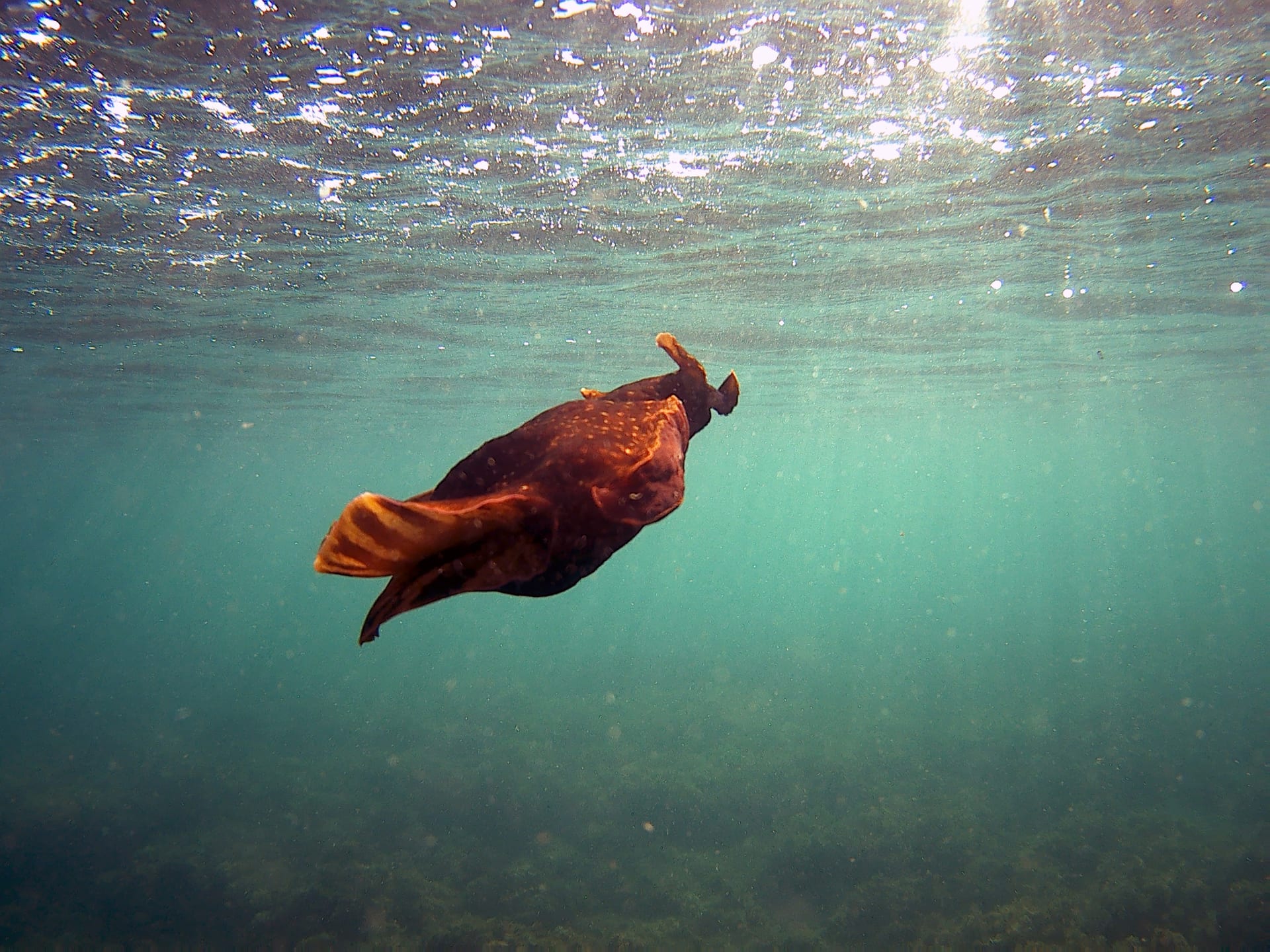
The Sea Hare (Aplysia) is a large gastropod mollusc - essentially a giant sea slug with no external shell. The most common species in Greece is Aplysia fasciata. Its name comes from the two large rhinophores on its head, which resemble rabbit ears - in reality, highly sensitive chemical-sensing organs.
When it feels threatened, it releases a thick purple or pink ink, made from the red algae it eats, to temporarily blind and confuse predators. On the seabed it crawls like a snail, but to swim it rhythmically flaps two side flaps (parapodia), a motion that resembles a flamenco dancer.
It is strictly herbivorous, feeding on algae and seagrass in shallow water - its colour depends on the algae it eats, ranging from olive and green to brown, red or almost black. It is among the largest sea slugs in the world: in Greece individuals are usually 20-30cm, but under ideal conditions it can reach 70cm and nearly 2kg.
It is a hermaphrodite, carrying both male and female reproductive organs, and often forms long mating chains. It lays its eggs in long, sticky yellow or orange strands that look like spaghetti, deposited on the seabed.
Photos
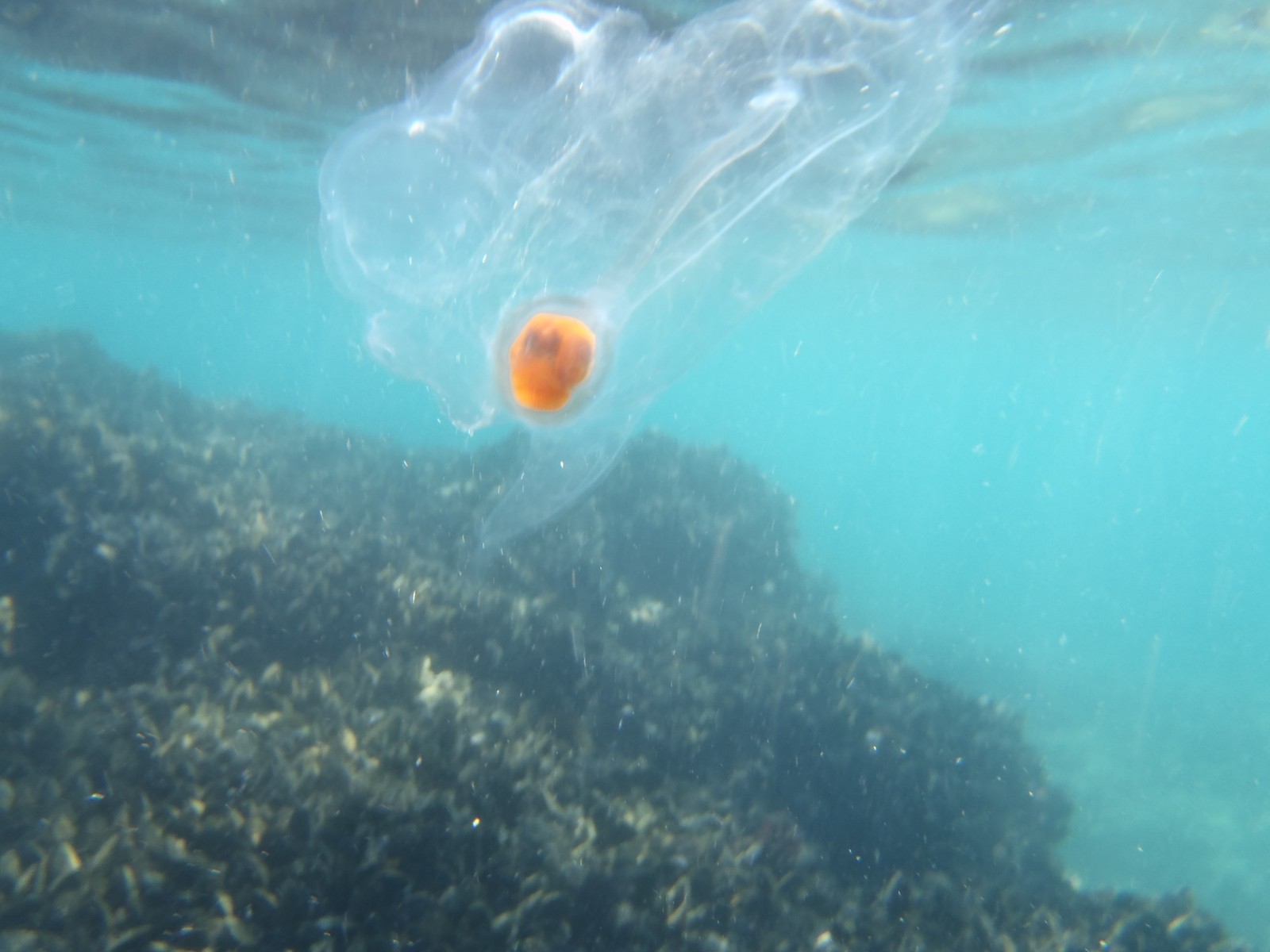
Giant Salp
Salpa maxima
Also known as: Πελαγικό Χορδωτό
Μάρτιος - Αύγουστος
Πολύ Σπάνιο
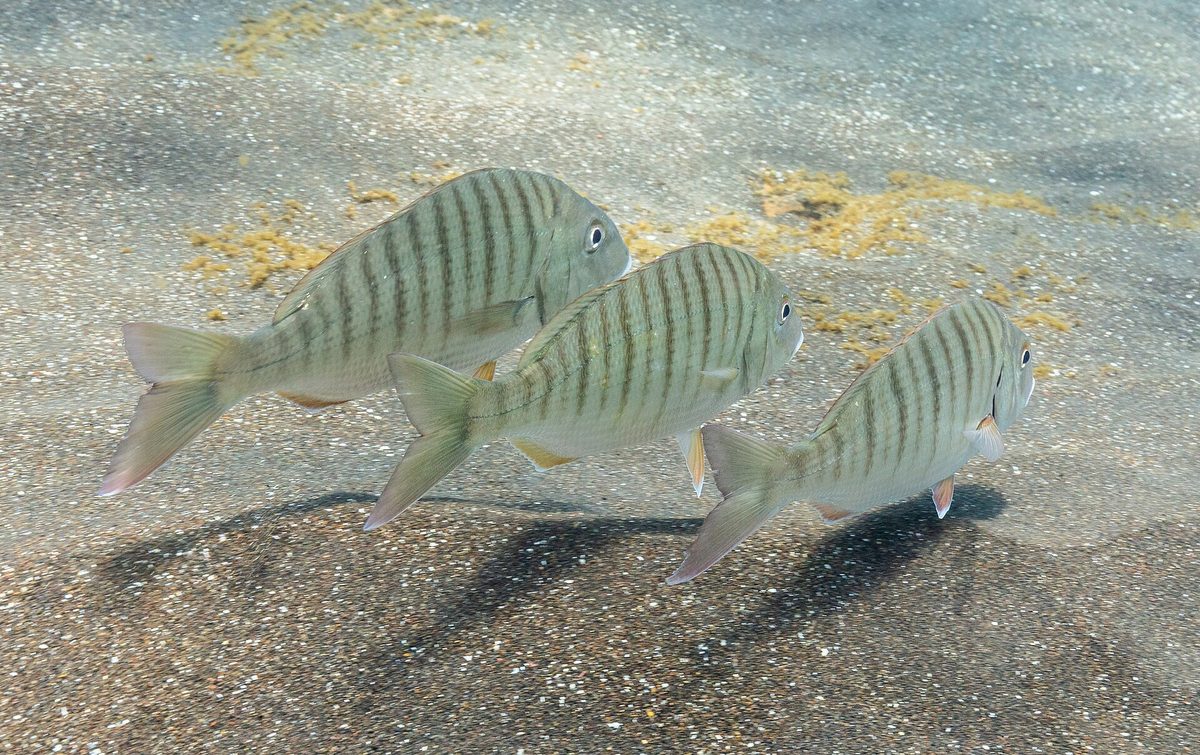
Sand Steenbras
Lithognathus mormyrus
Μάιος - Οκτώβριος
Πολύ Συχνό
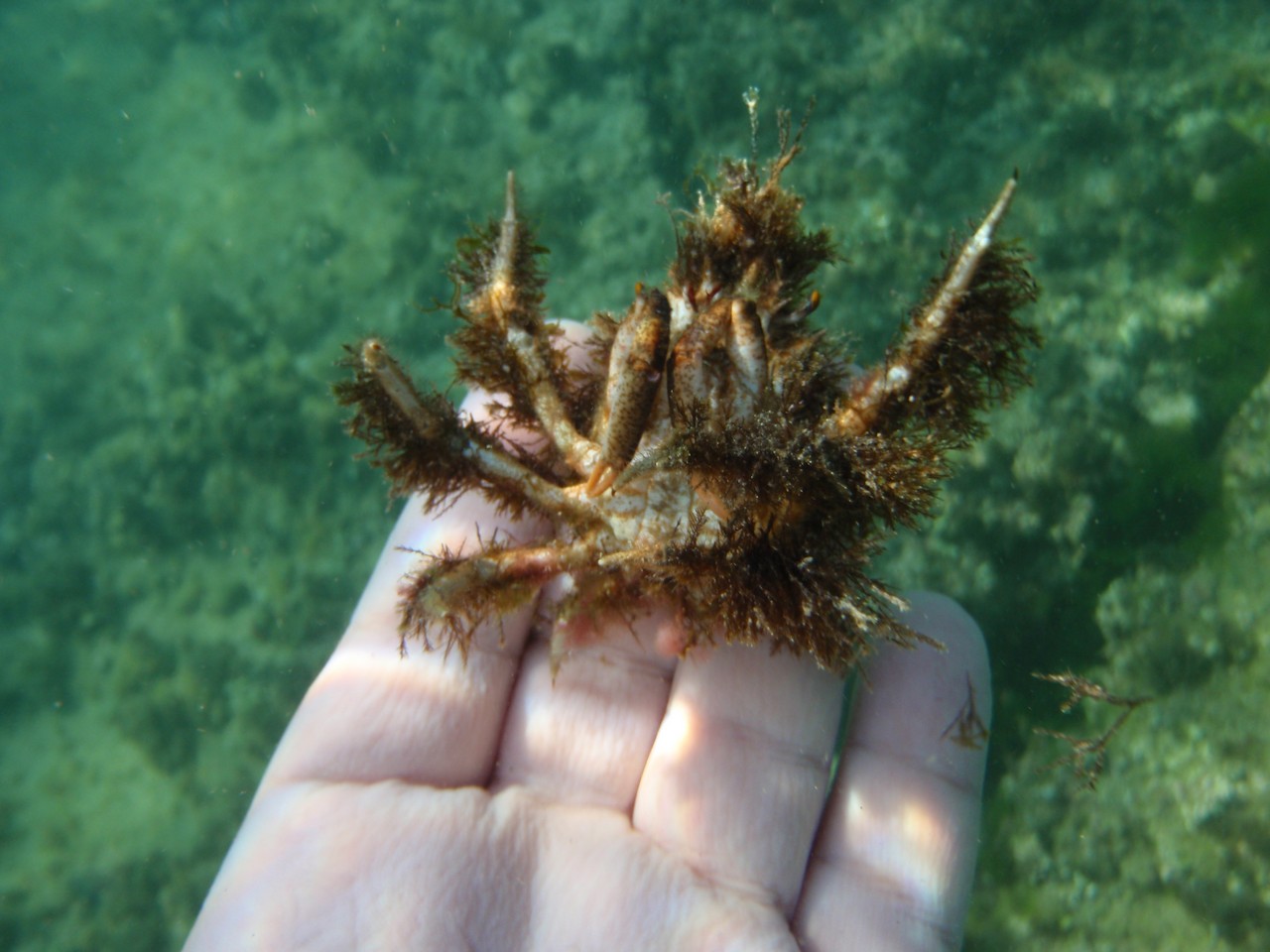
Decorator Crab
Maja crispata
Μάιος - Σεπτέμβριος
Σπάνιο
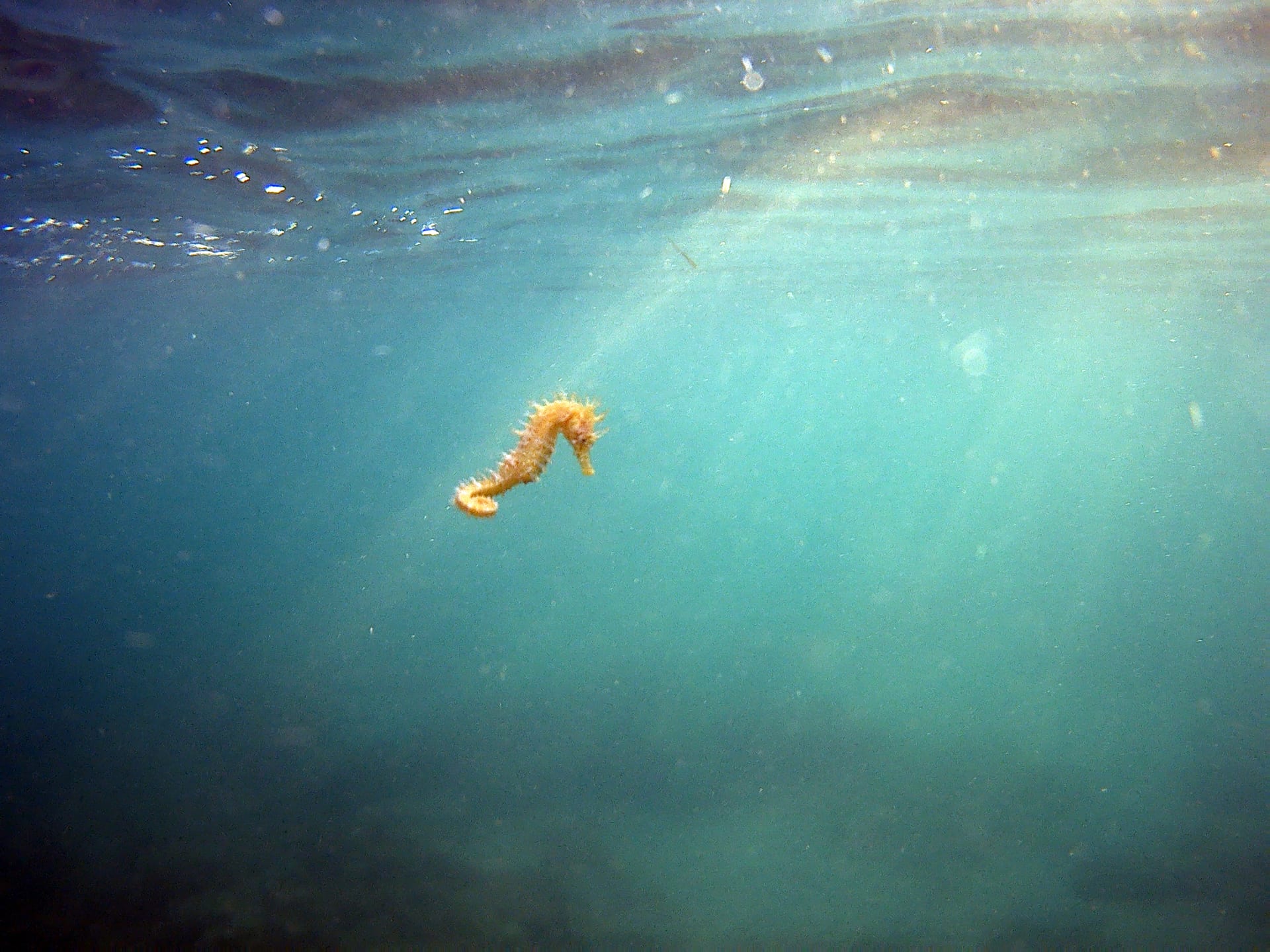
Short-Snouted Seahorse
Hippocampus hippocampus
Μάιος - Σεπτέμβριος
Πολύ Σπάνιο
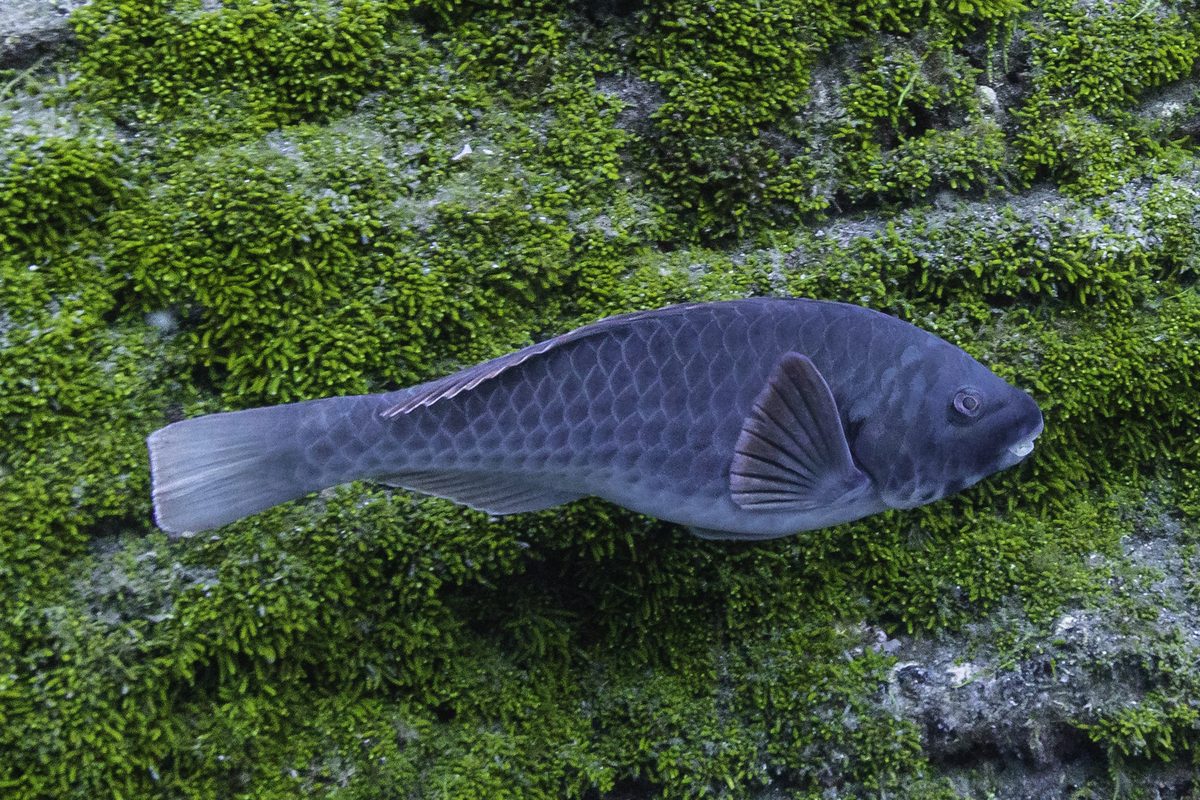
Mediterranean Parrotfish
Sparisoma cretense
Μάιος - Οκτώβριος
Σπάνιο
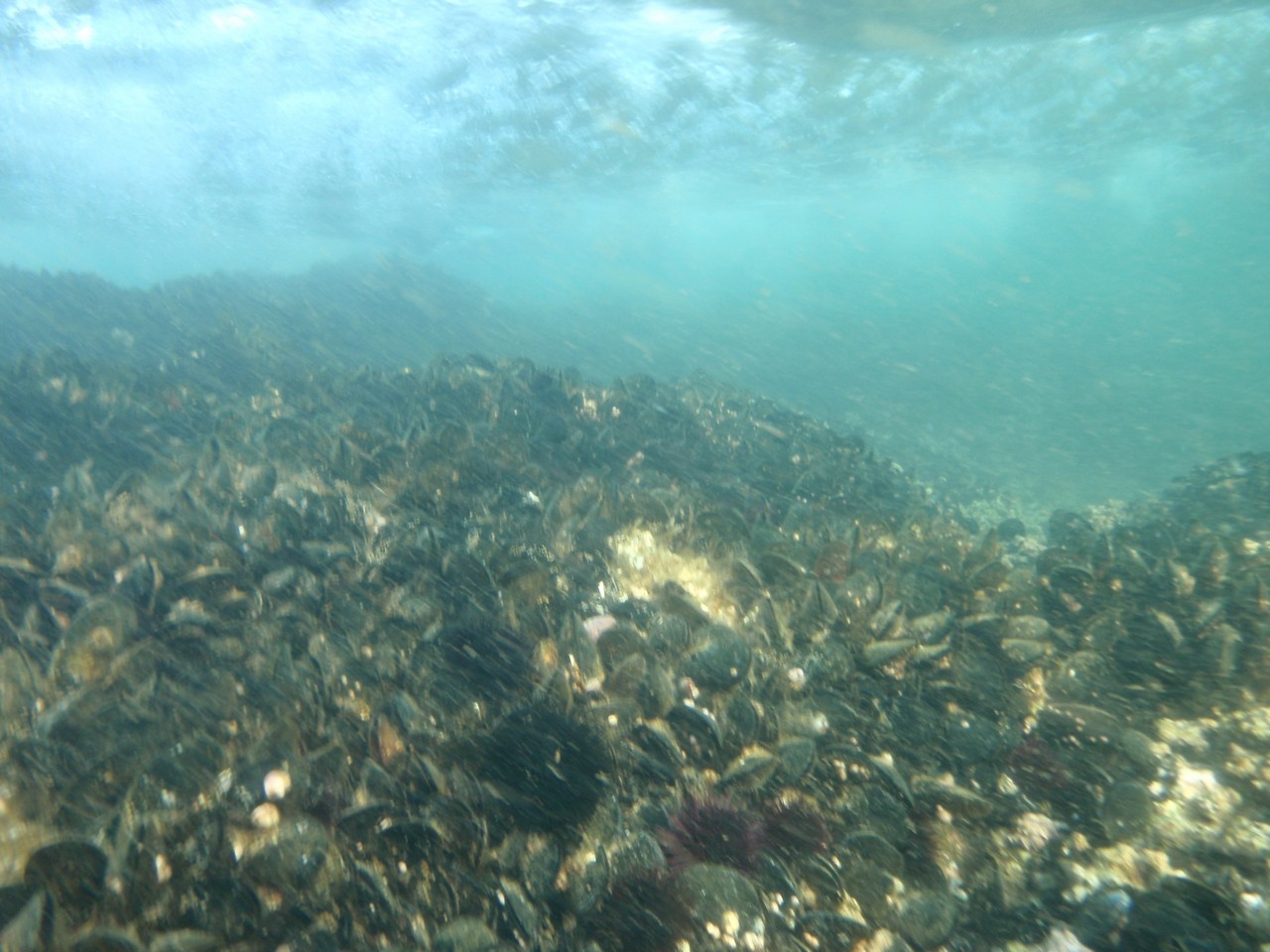
Mediterranean Mussel
Mytilus galloprovincialis
Όλο το χρόνο
Πολύ Συχνό
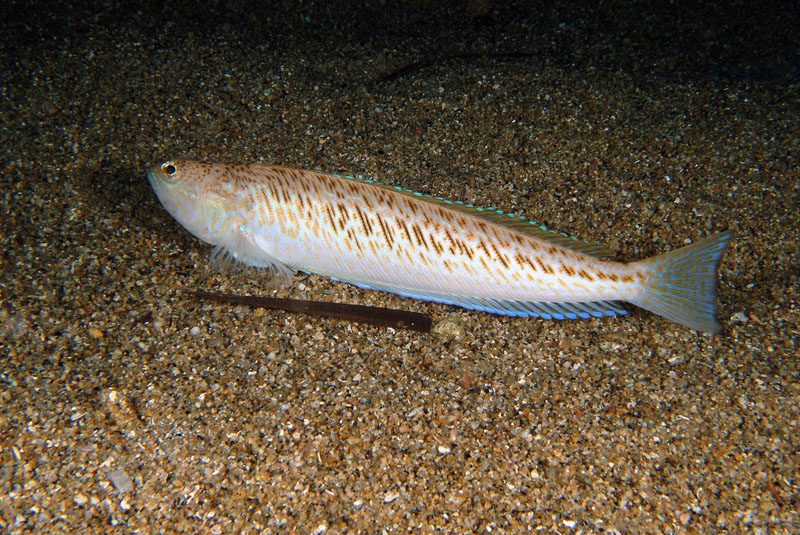
Greater Weever
Trachinus draco
Μάιος - Σεπτέμβριος
Συχνό
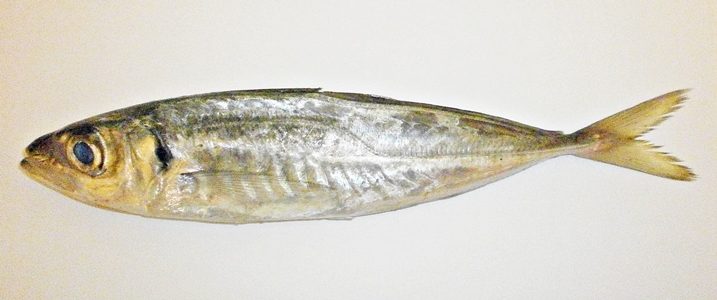
Mediterranean Horse Mackerel
Trachurus mediterraneus
Ιούνιος - Οκτώβριος
Συχνό
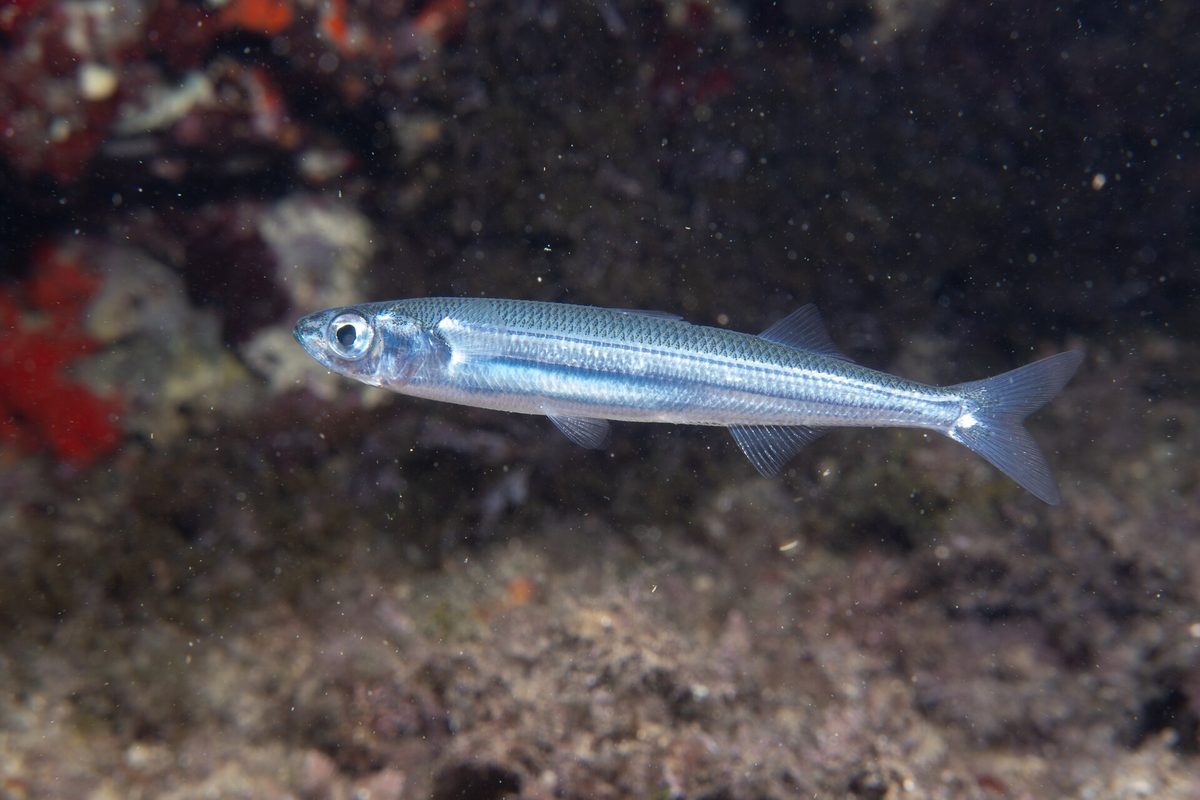
Sand Smelt
Atherina hepsetus
Απρίλιος - Οκτώβριος
Πολύ Συχνό
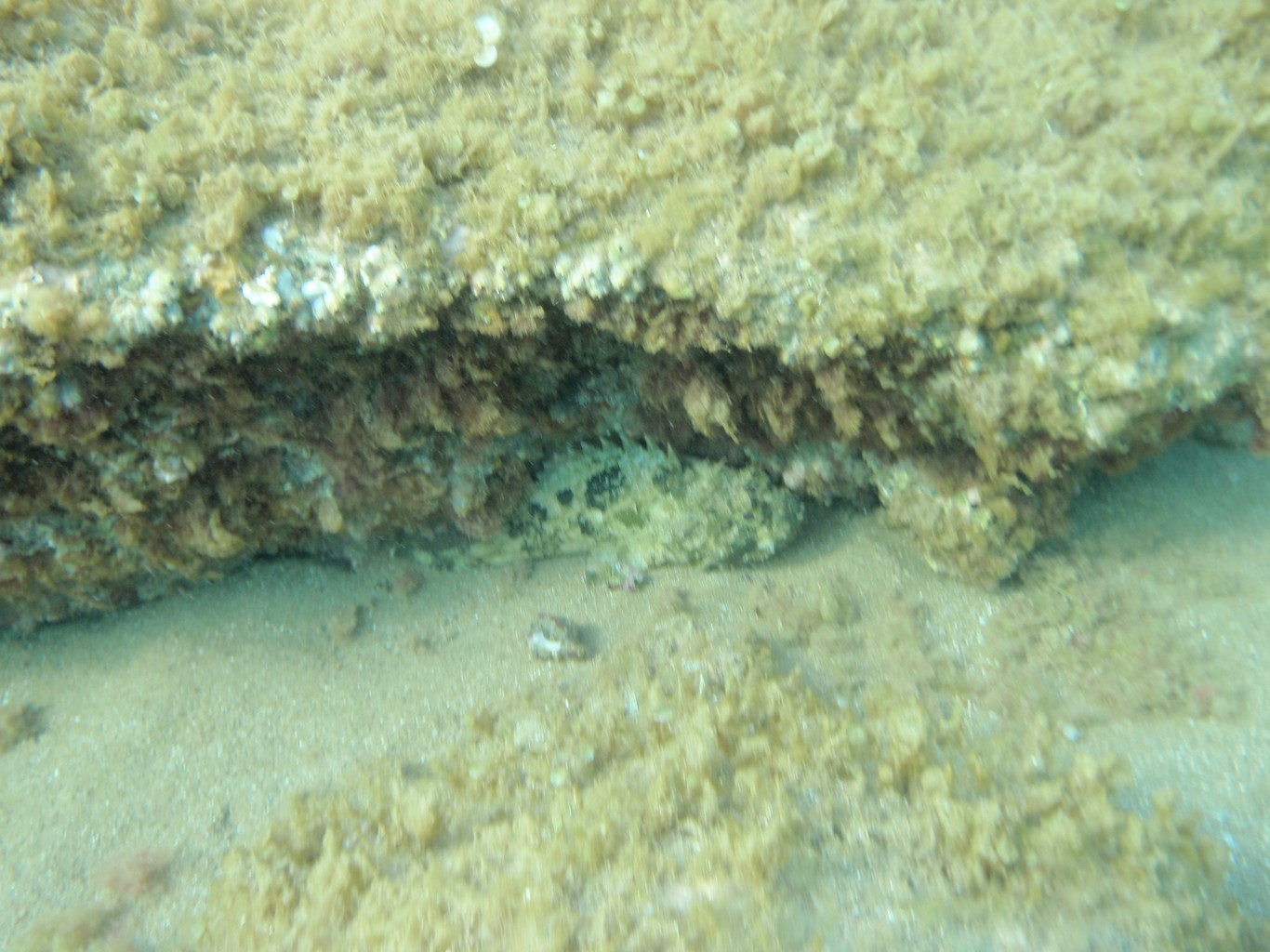
Black Scorpionfish
Scorpaena porcus
Also known as: Μαύρη Σκορπίνα, Scorpaena, Black Scorpionfish
Όλο τον χρόνο. Το καλοκαίρι είναι πιο ρηχά.
Πολύ Συχνό
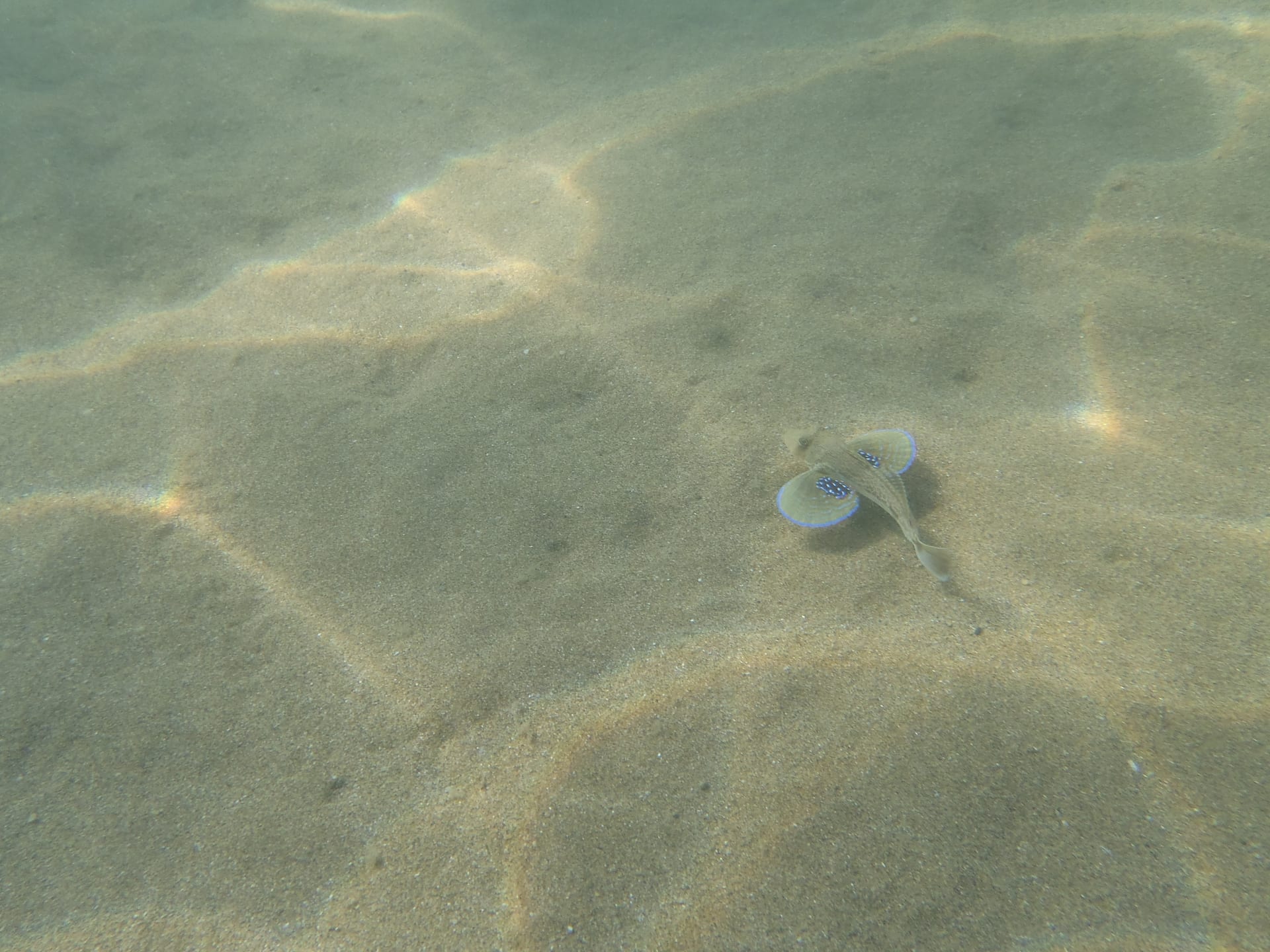
Flying Gurnard
Dactylopterus volitans
Also known as: Καπόνι, Χελιδόνα, Flying Gurnard
Μάιος - Οκτώβριος, κορύφωση Ιούλιος-Αύγουστος
Συχνό
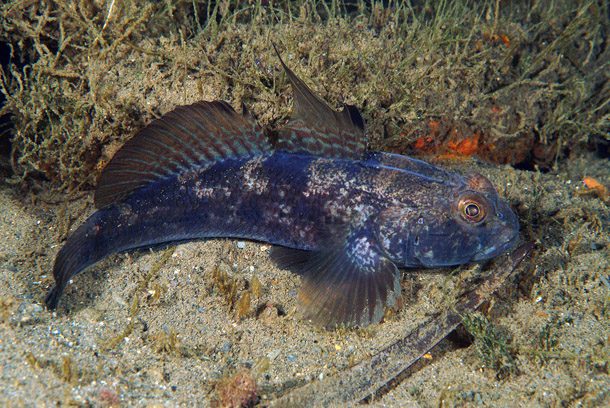
Black Goby
Gobius niger
Απρίλιος - Οκτώβριος
Συχνό
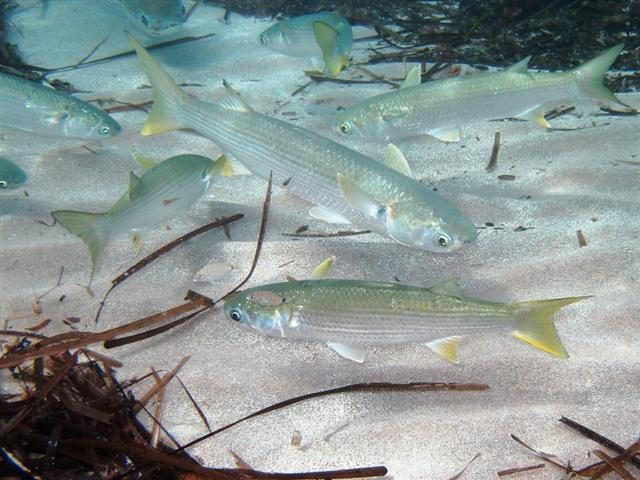
Flathead Grey Mullet
Mugil cephalus
Όλο το χρόνο
Πολύ Συχνό
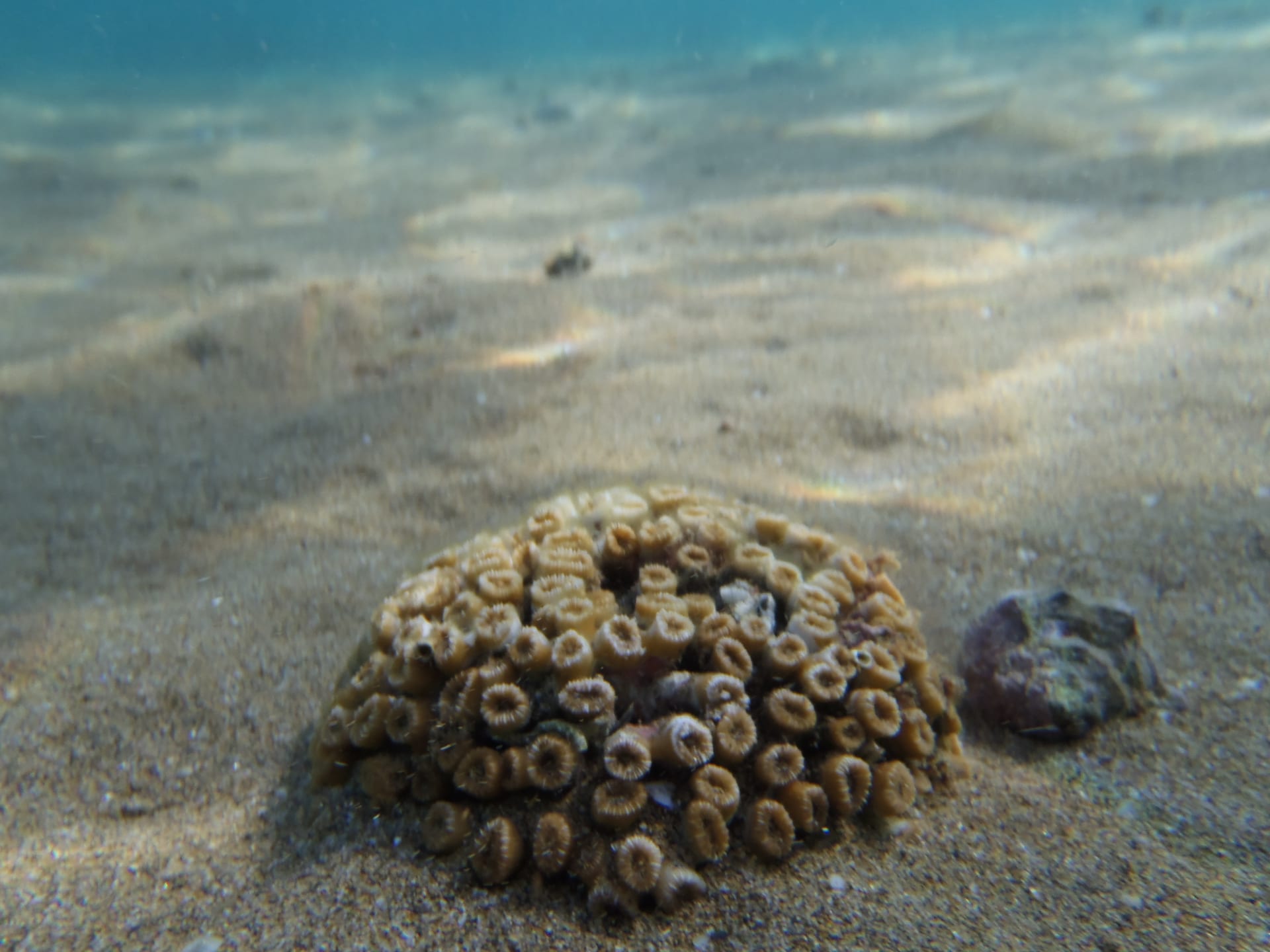
Pillow Coral
Cladocora caespitosa
Also known as: Pillow coral, Μαξιλαράκι της θάλασσας, Cladocora
Όλο τον χρόνο, φαίνεται καλύτερα το καλοκαίρι με καθαρά νερά
Συχνό
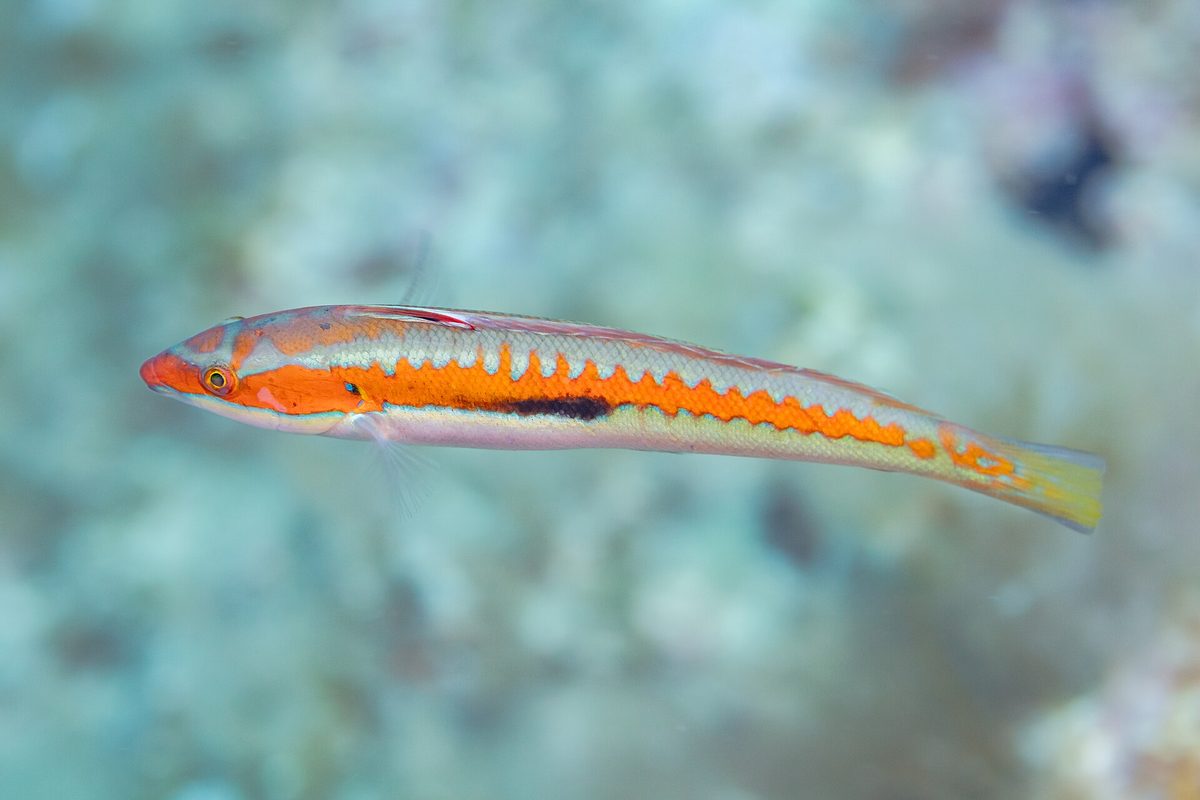
Mediterranean Rainbow Wrasse
Coris julis
Also known as: Γαϊτανούρι, Λεμοναριά
Όλο το χρόνο
Πολύ Συχνό
%20scale(8.3333)%22%20fill%3D%22none%22%20stroke%3D%22%233f7d5c%22%20stroke-width%3D%221.4%22%20stroke-linecap%3D%22round%22%20stroke-linejoin%3D%22round%22%3E%3Cpath%20d%3D%22M3%2012c3-4%2015-4%2018%200-3%204-15%204-18%200Z%22%20%2F%3E%3Ccircle%20cx%3D%2216%22%20cy%3D%2211%22%20r%3D%220.75%22%20%2F%3E%3Cpath%20d%3D%22M3%2012c-1%201.5-1%202.5%200%204M21%208v0%22%20%2F%3E%3C%2Fg%3E%3C%2Fsvg%3E)
Long-snouted Seahorse
Hippocampus guttulatus
Άνοιξη - Φθινόπωρο
Πολύ Σπάνιο
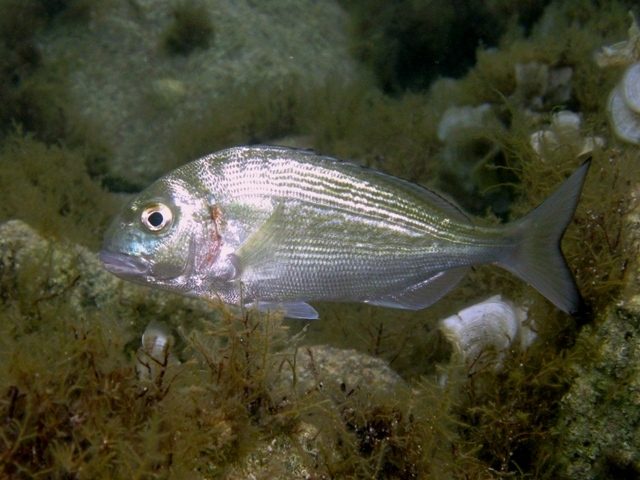
Gilthead Seabream
Sparus aurata
Απρίλιος - Οκτώβριος
Πολύ Συχνό
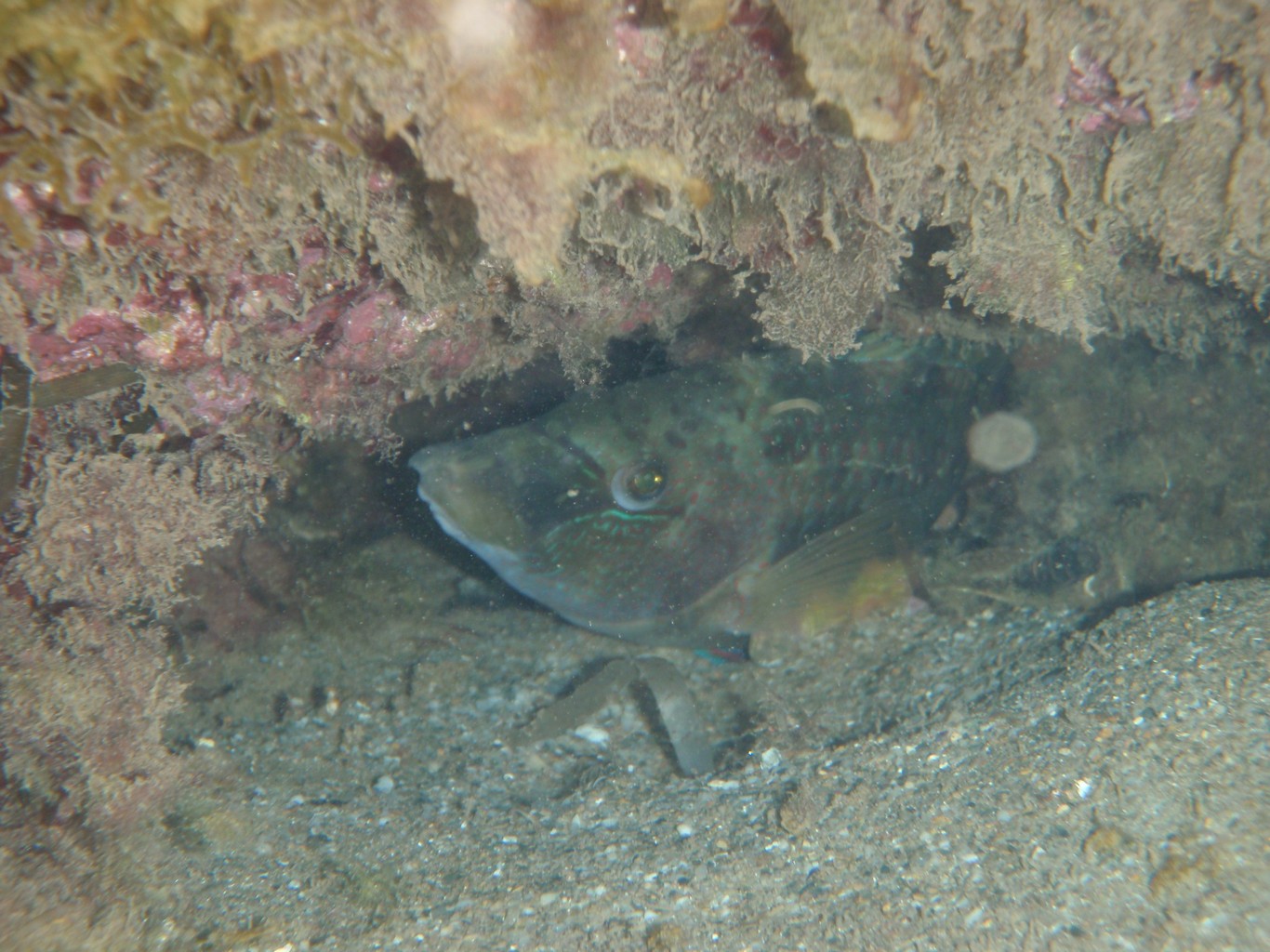
Peacock Wrasse
Symphodus tinca
Όλο τον χρόνο, πιο ενεργό Μάιος - Οκτώβριος
Πολύ Συχνό
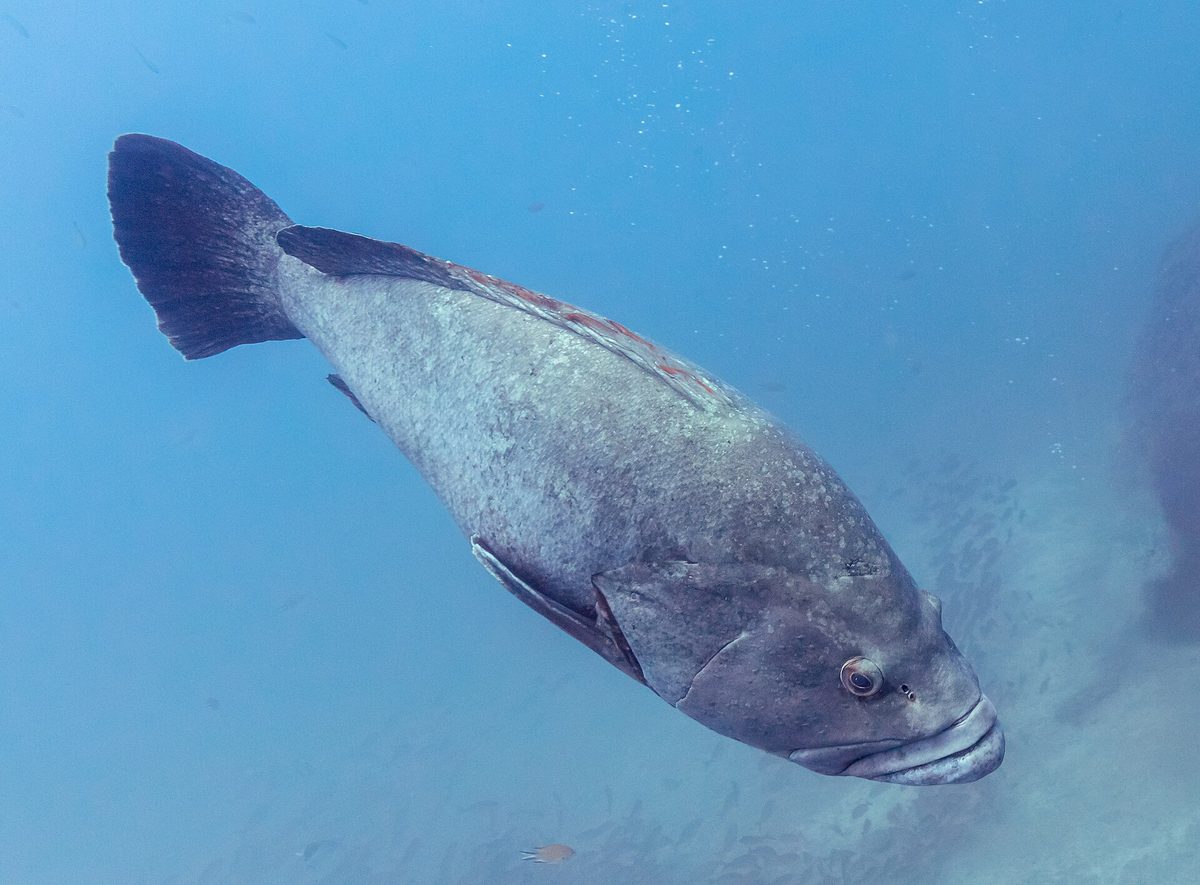
Dusky Grouper
Epinephelus marginatus
Ιούνιος - Σεπτέμβριος
Πολύ Σπάνιο
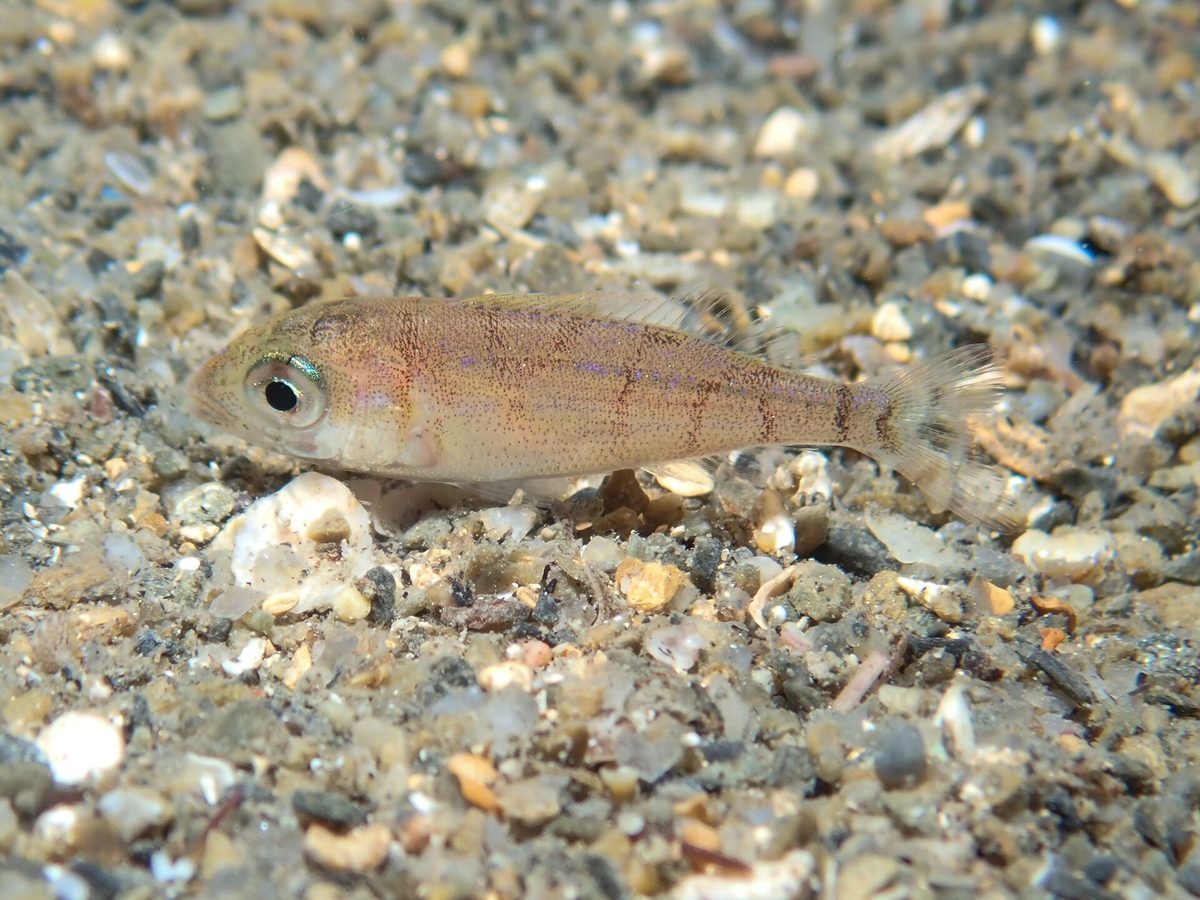
Common Pandora
Pagellus erythrinus
Μάιος - Οκτώβριος
Σπάνιο
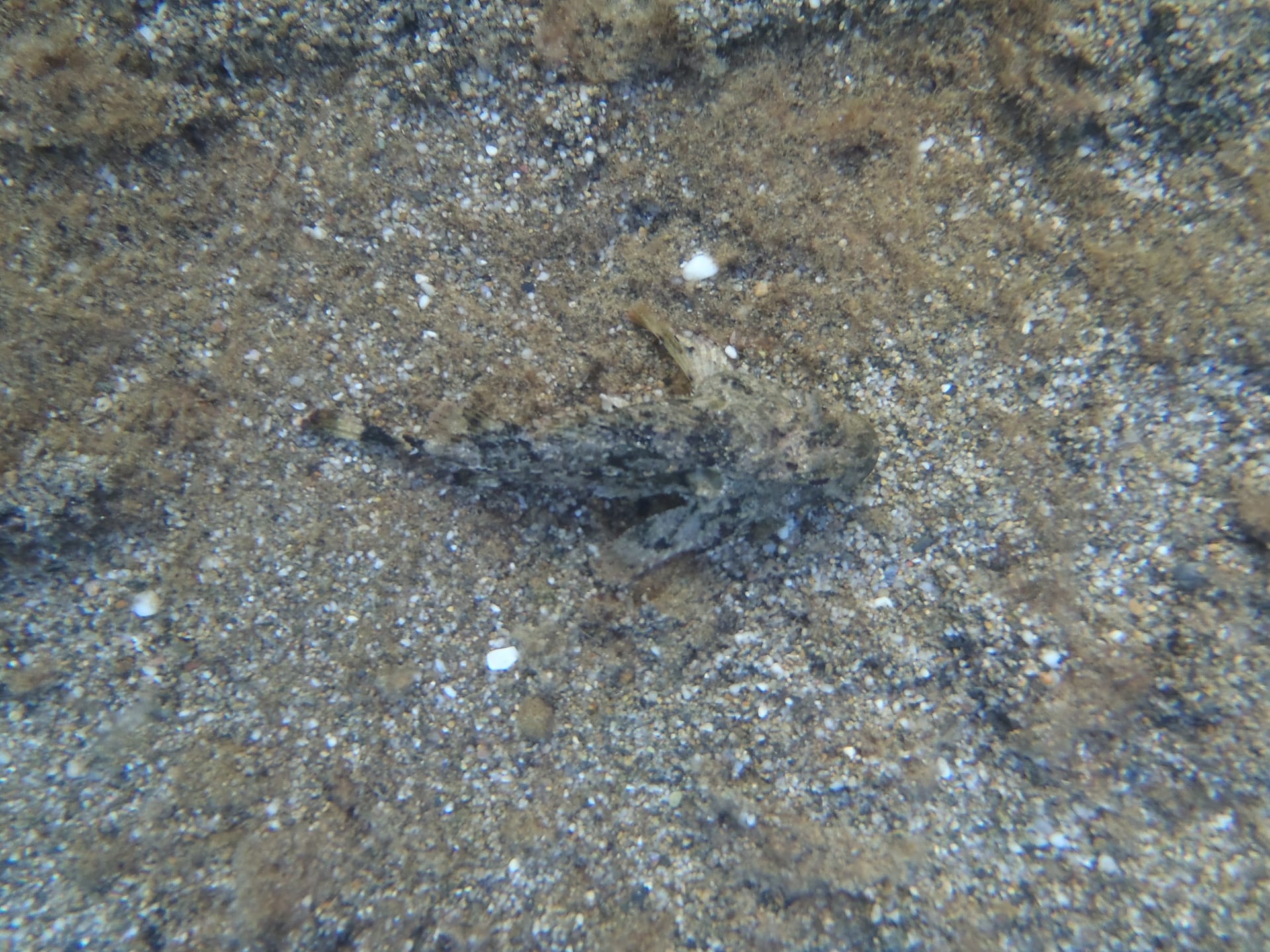
Red Scorpionfish
Scorpaena scrofa
Όλο το χρόνο
Πολύ Σπάνιο
Mediterranean Rainbow Wrasse
Coris julis
Also known as: Γύλος, Γαϊτανούρι, Λεμοναριά
Όλο το χρόνο
Πολύ Συχνό
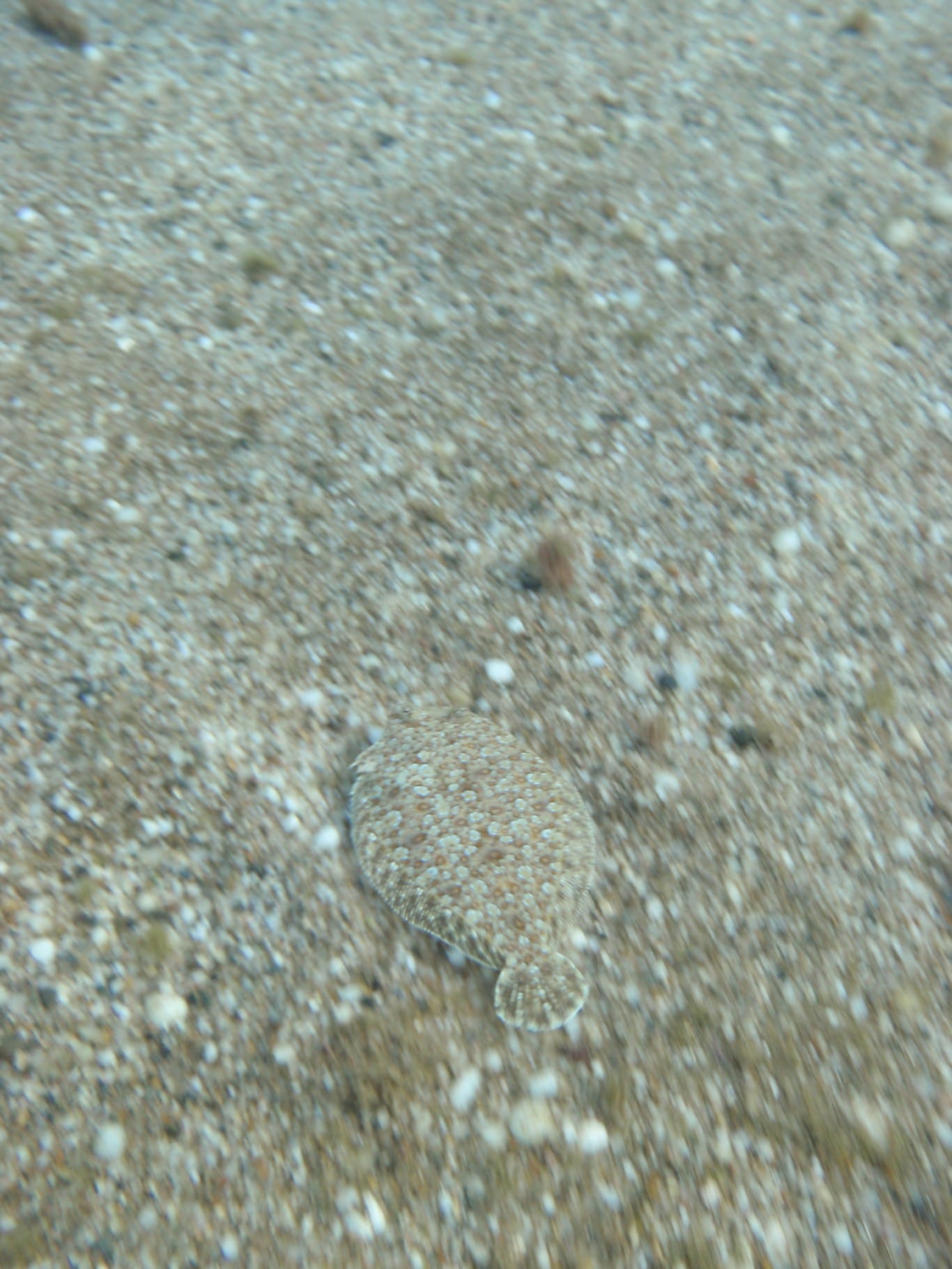
Wide-eyed Flounder
Bothus podas
Also known as: Γλώσσα, Πλατύ, Wide-eyed Flounder
Όλο τον χρόνο
Πολύ Συχνό
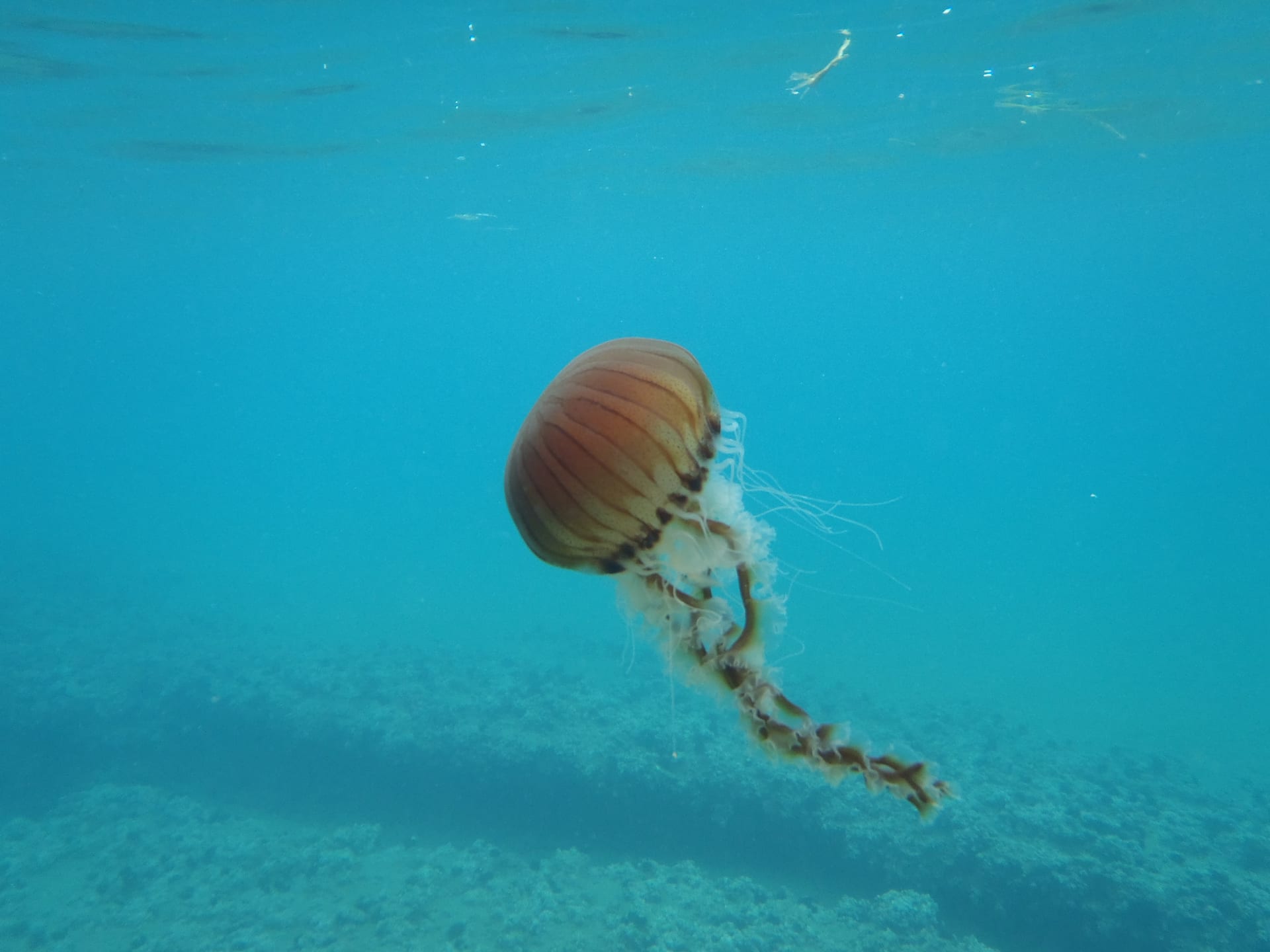
Compass Jellyfish
Chrysaora hysoscella
Απρίλιος - Σεπτέμβριος
Σπάνιο
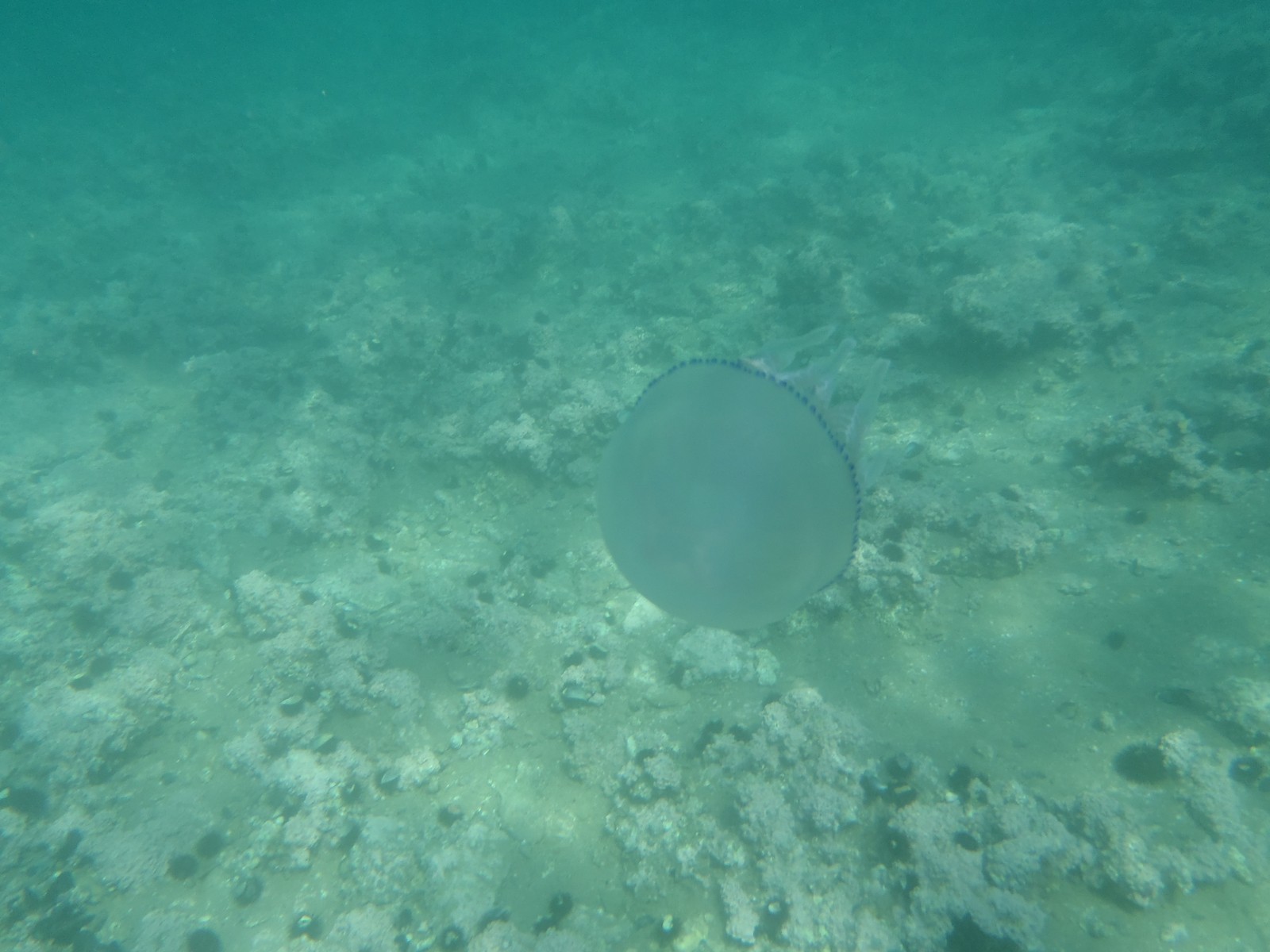
Barrel Jellyfish
Rhizostoma pulmo
Also known as: Μέδουσα Βαρέλι
Μάιος - Οκτώβριος
Συχνό
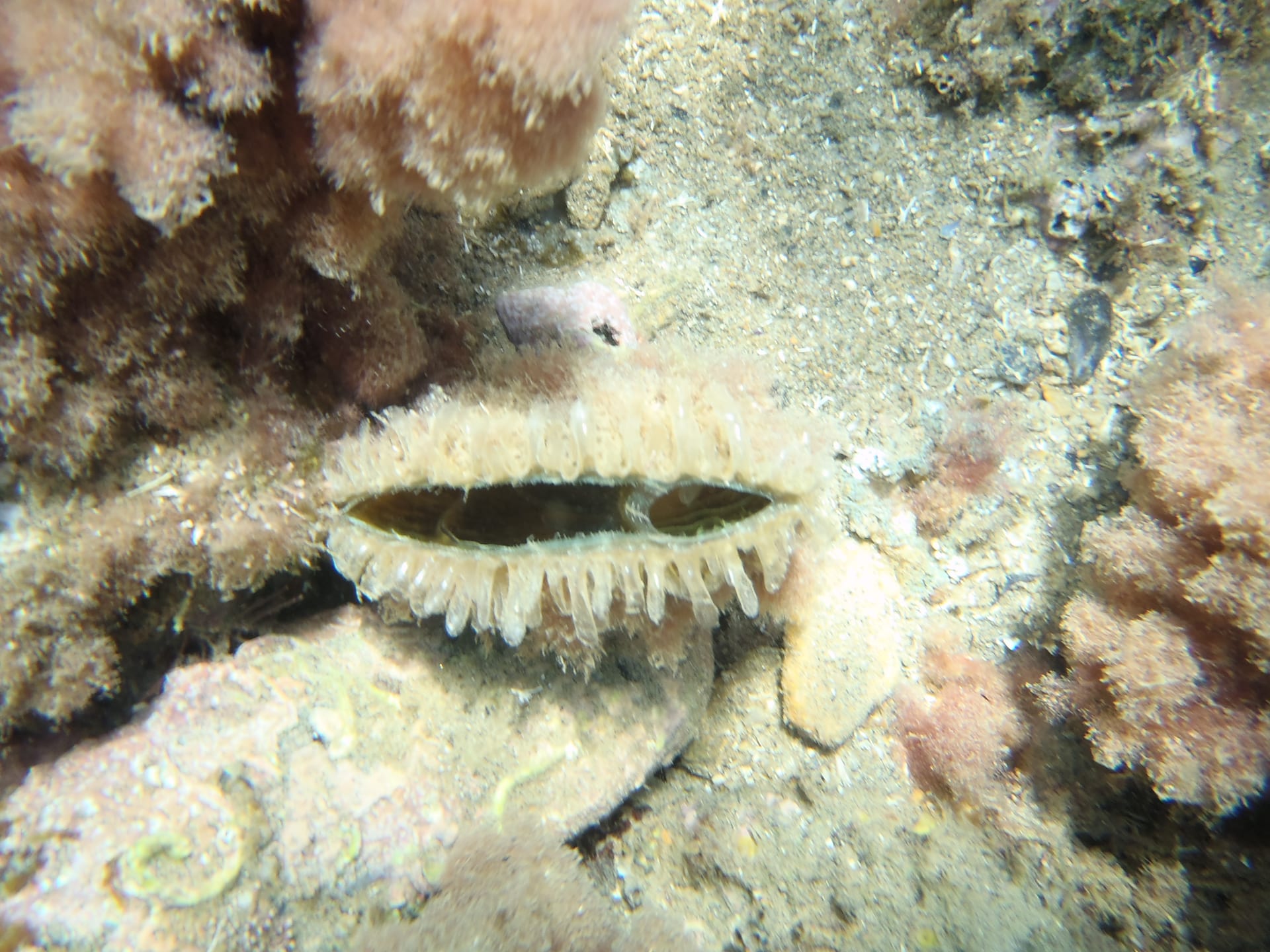
Noble Pen Shell
Pinna nobilis
Πολύ Σπάνιο
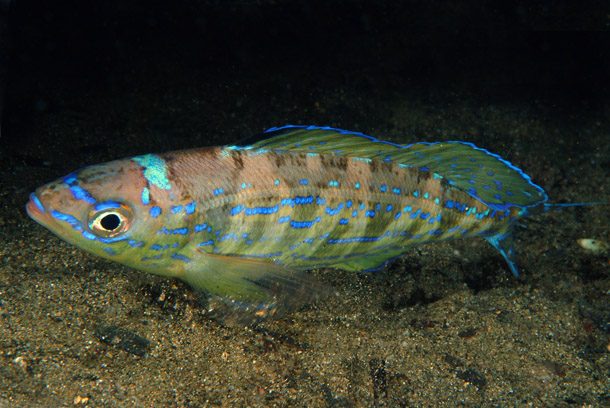
Picarel
Spicara smaris
Μάιος - Σεπτέμβριος
Συχνό
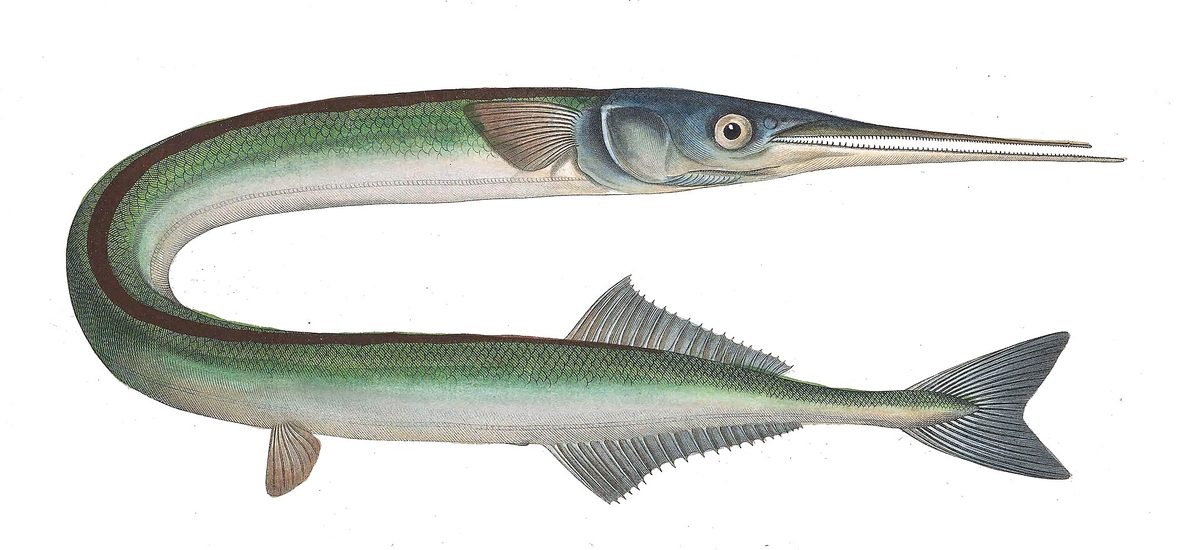
Garfish
Belone belone
Μάιος - Σεπτέμβριος
Συχνό
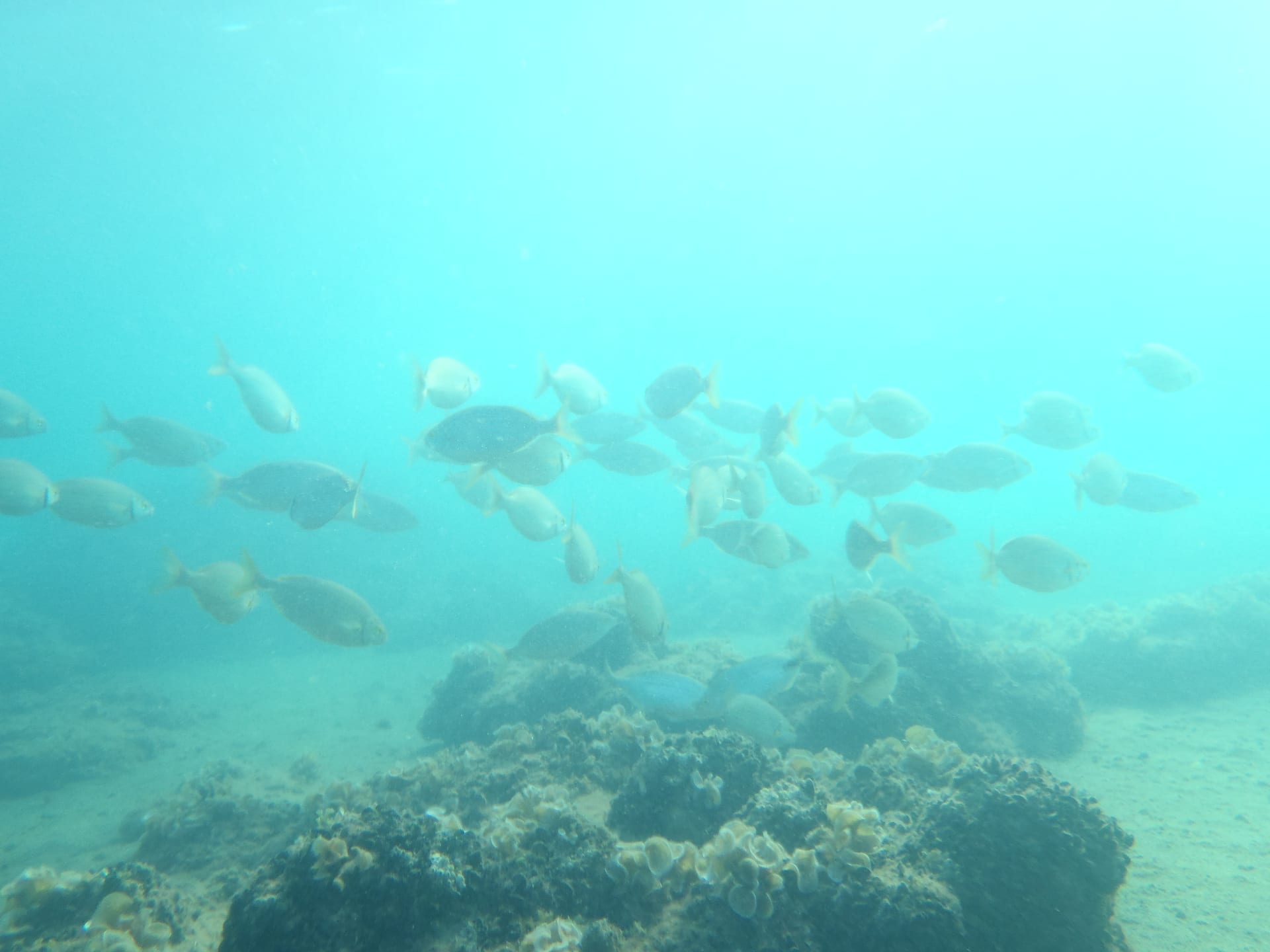
Salema Porgy
Sarpa salpa
Μάιος - Σεπτέμβριος
Συχνό
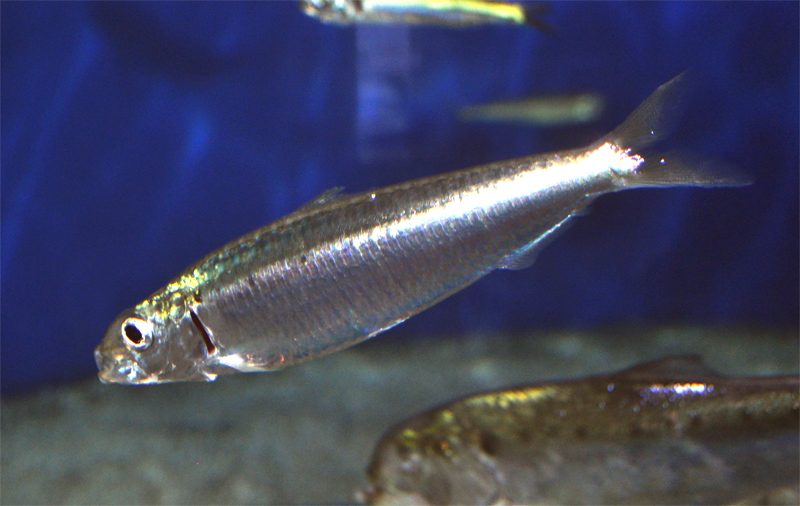
European Pilchard
Sardina pilchardus
Ιούνιος - Σεπτέμβριος
Συχνό
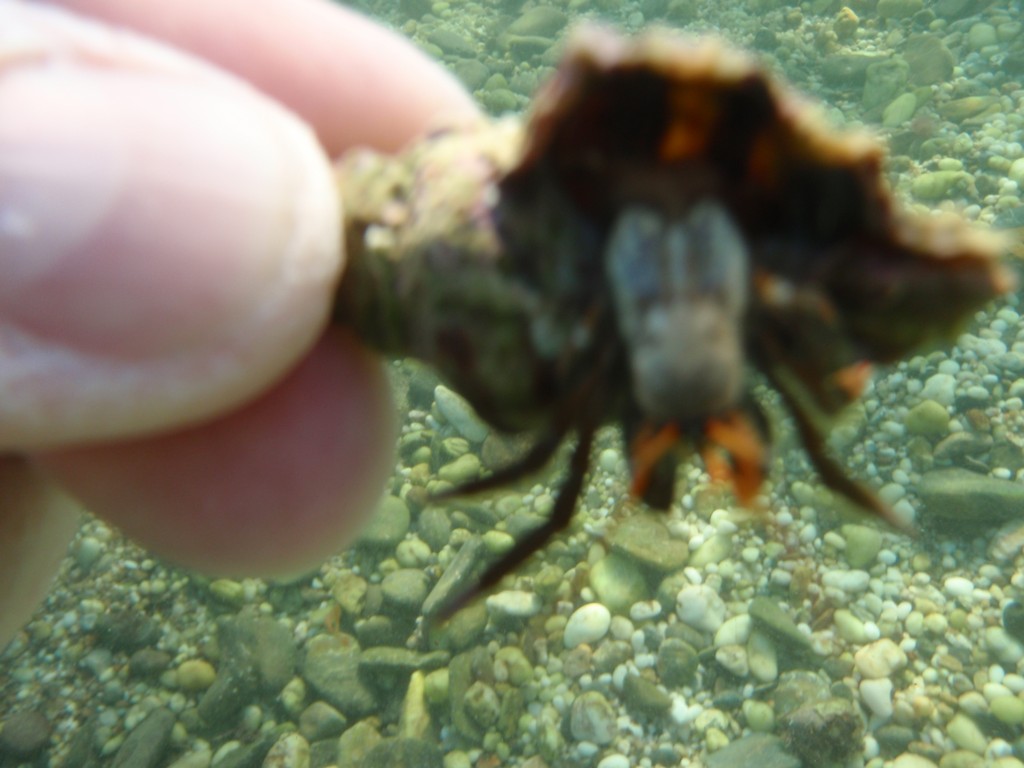
Mediterranean Hermit Crab
Clibanarius erythropus
Also known as: Κλειτσινάρι, Παγούρι
Απρίλιος - Οκτώβριος
Πολύ Συχνό
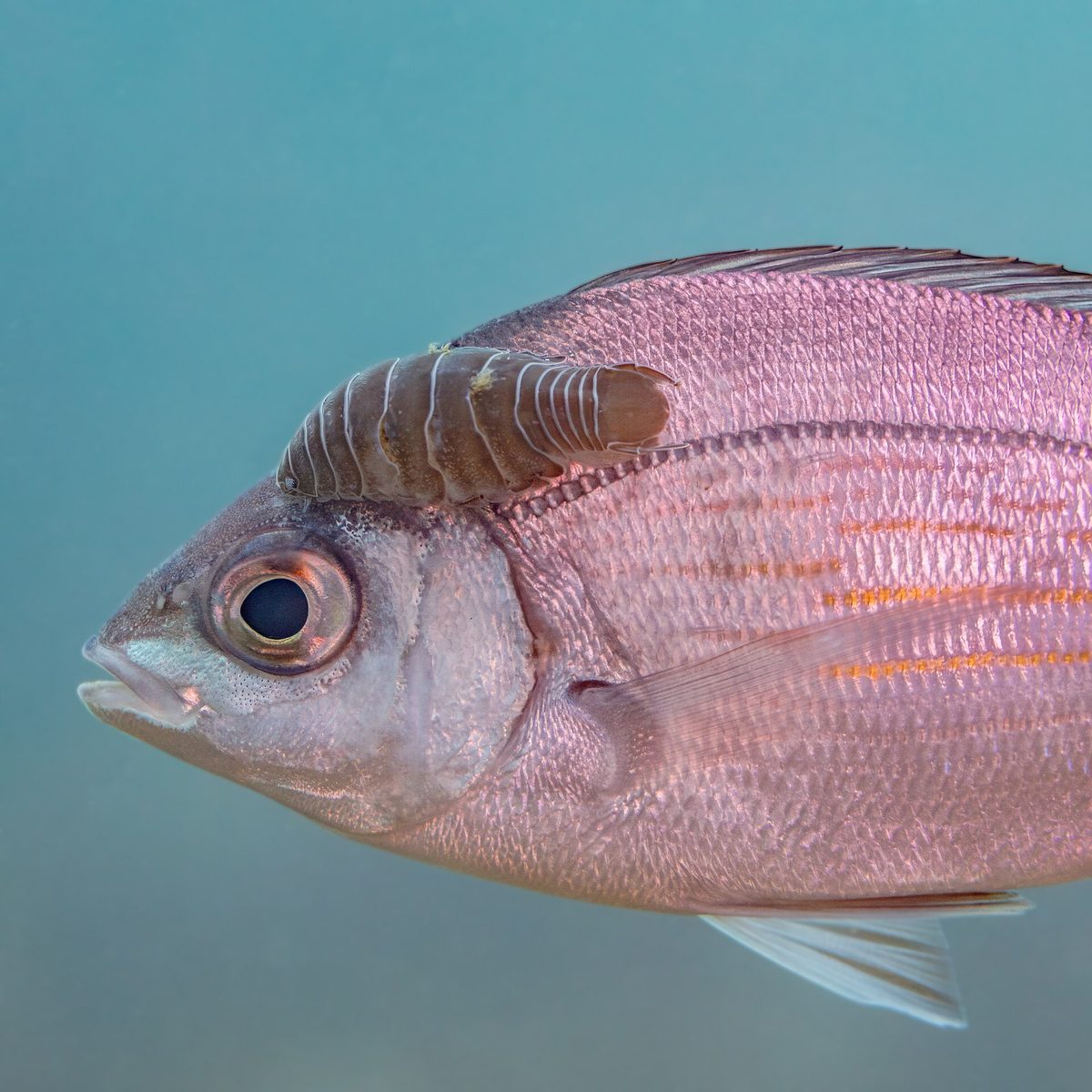
Black Seabream
Spondyliosoma cantharus
Απρίλιος - Οκτώβριος
Συχνό
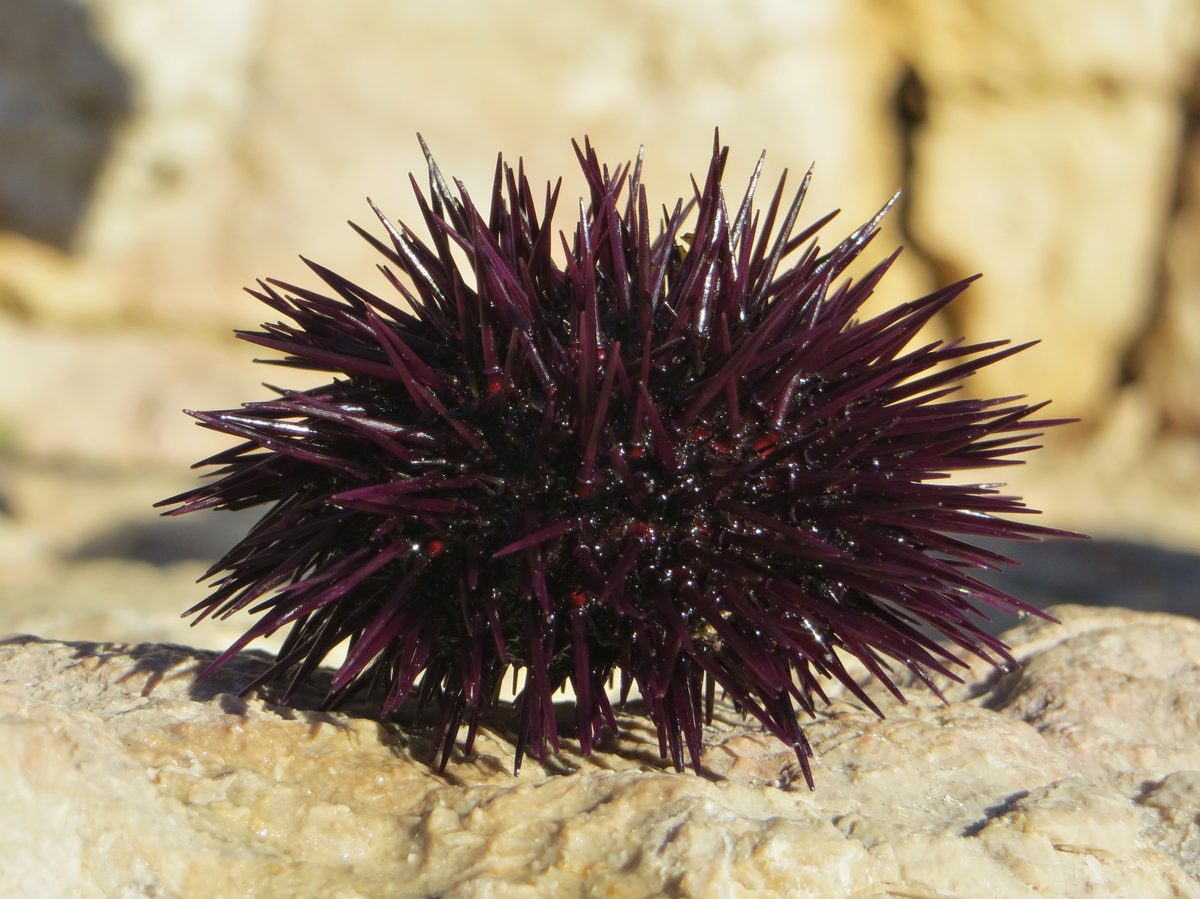
Purple Sea Urchin
Paracentrotus lividus
Όλο το χρόνο
Πολύ Συχνό
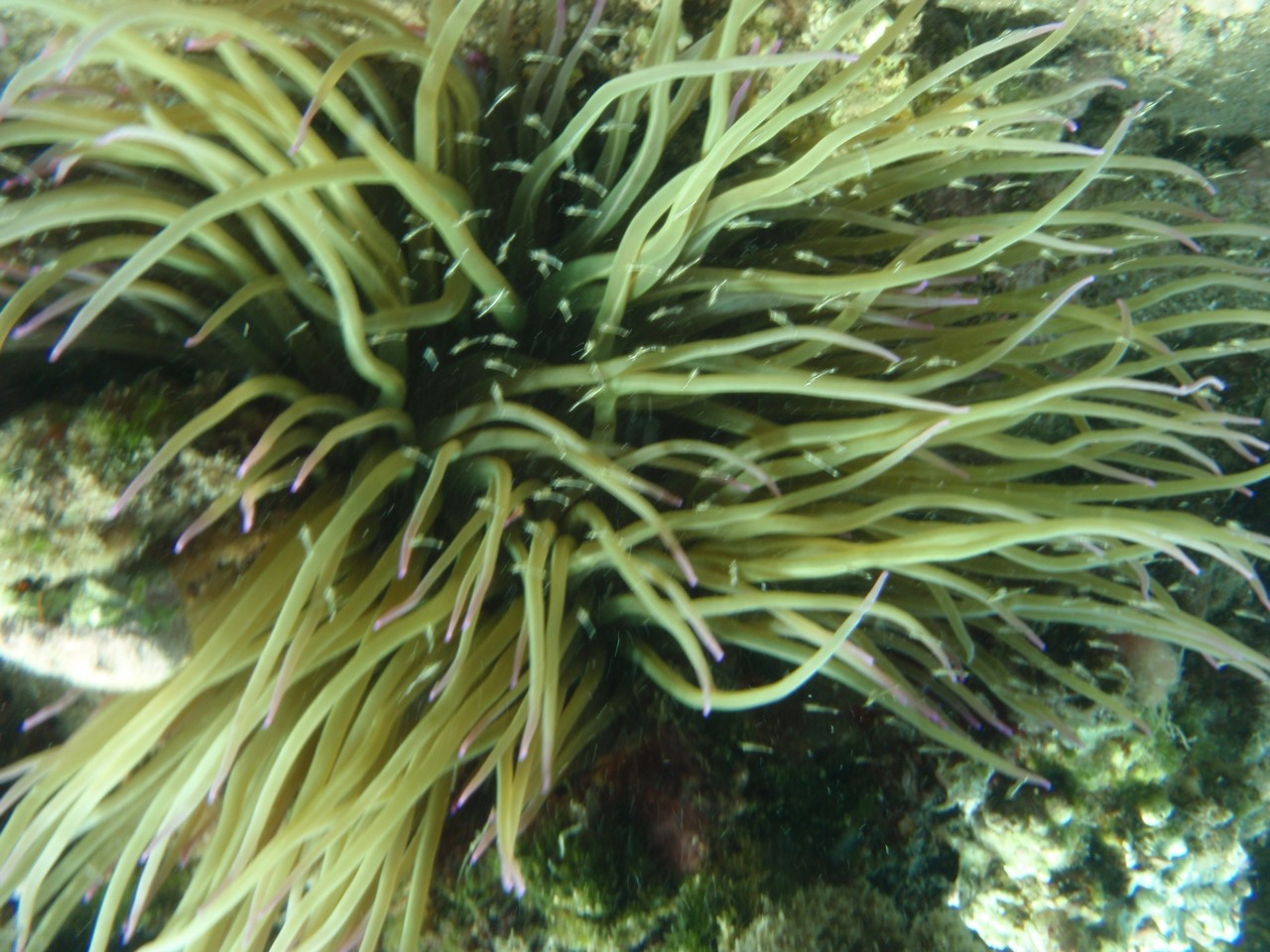
Snakelocks Sea Anemone
Anemonia viridis
Όλο το χρόνο
Πολύ Συχνό
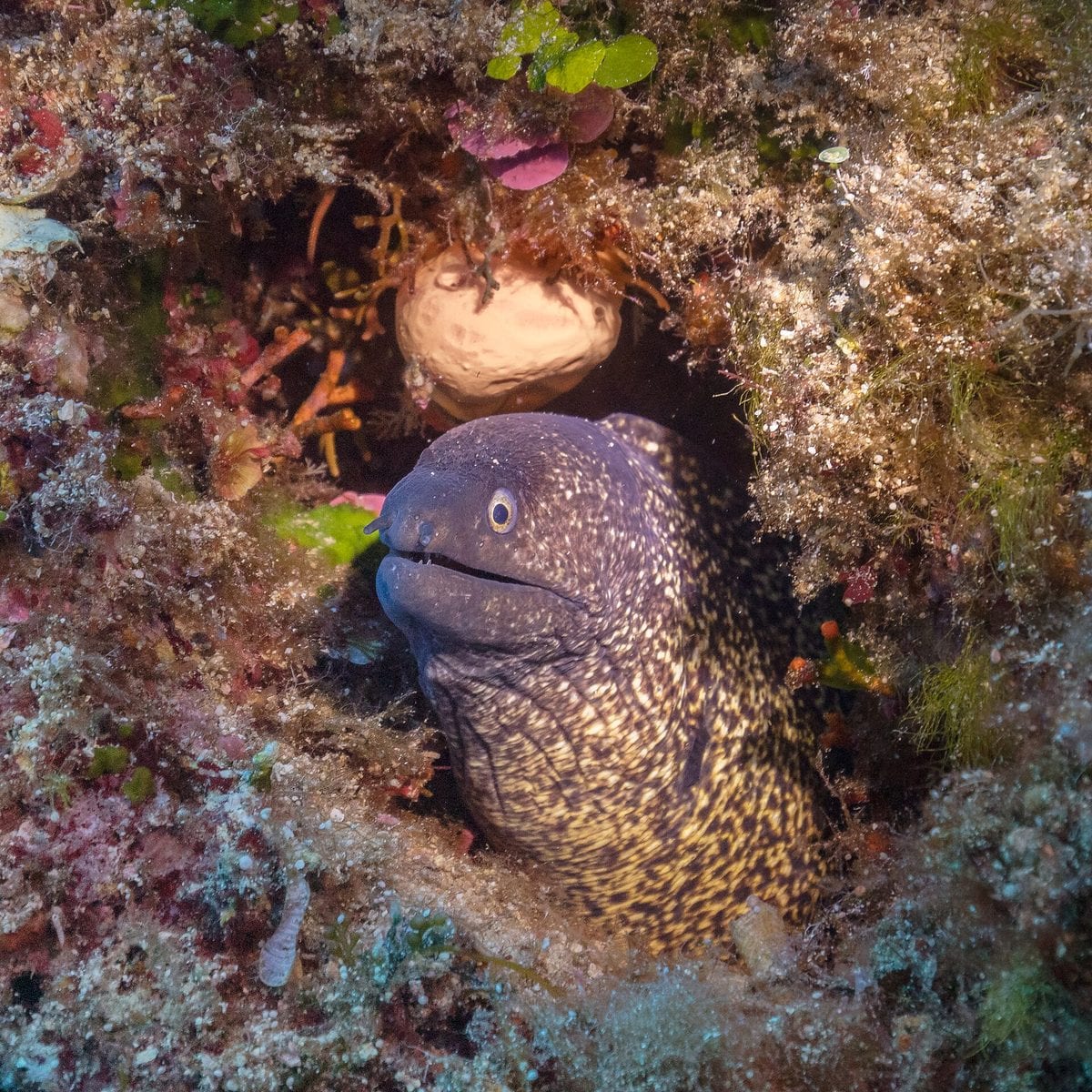
Mediterranean Moray Eel
Muraena helena
Όλο το χρόνο
Σπάνιο
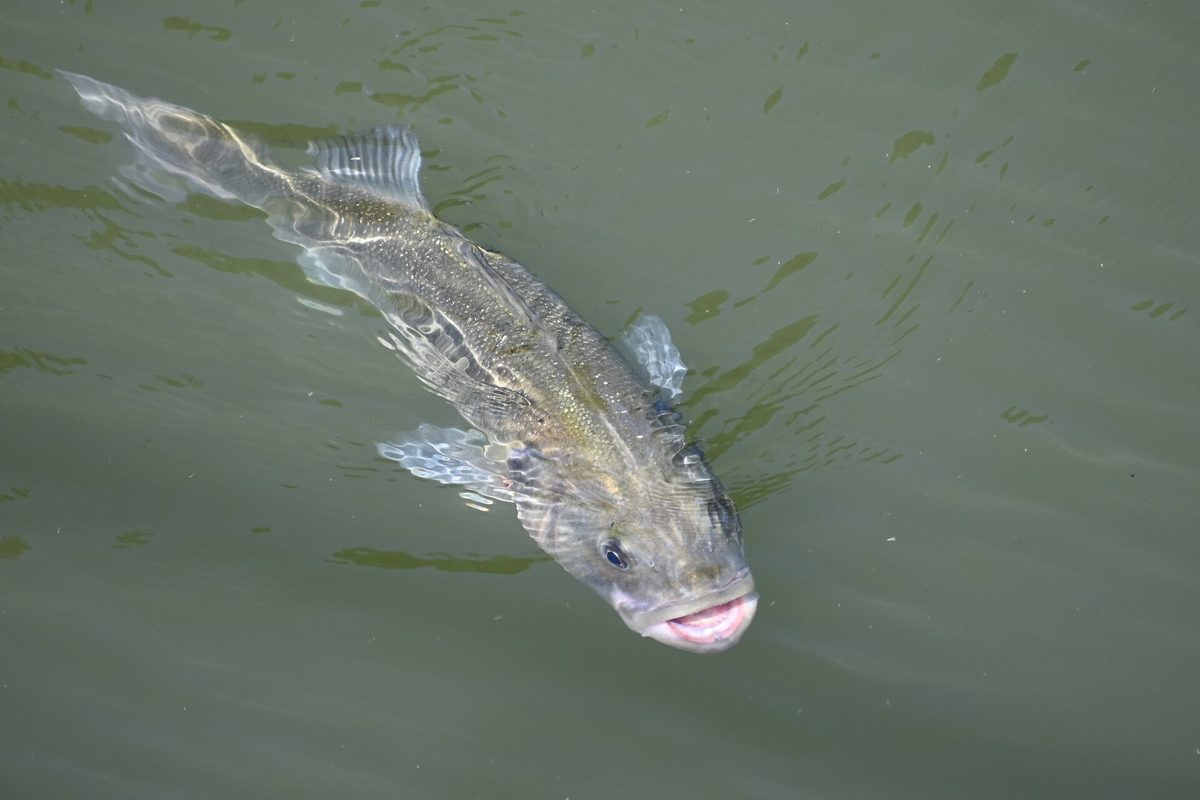
European Seabass
Dicentrarchus labrax
Μάιος - Νοέμβριος
Σπάνιο
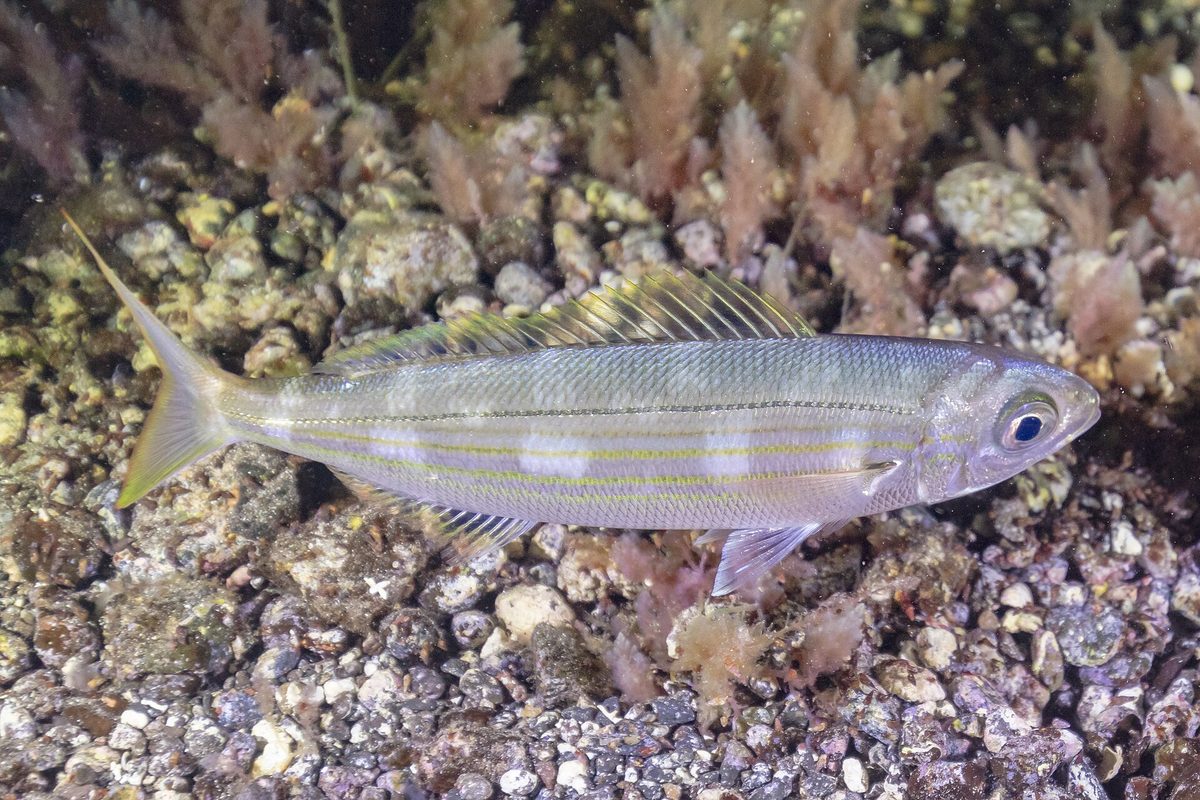
Bogue
Boops boops
Μάιος - Οκτώβριος
Πολύ Συχνό
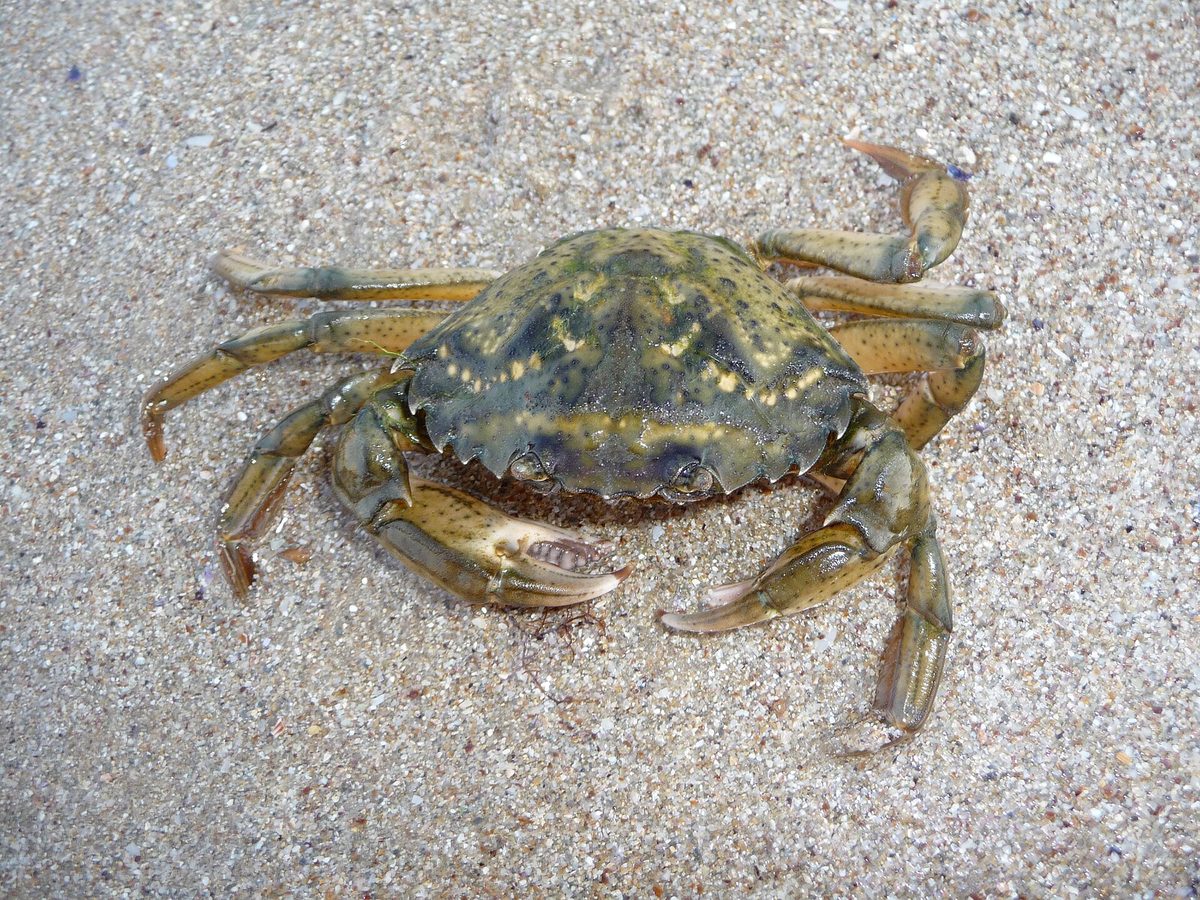
Mediterranean Green Crab
Carcinus aestuarii
Απρίλιος - Οκτώβριος
Πολύ Συχνό
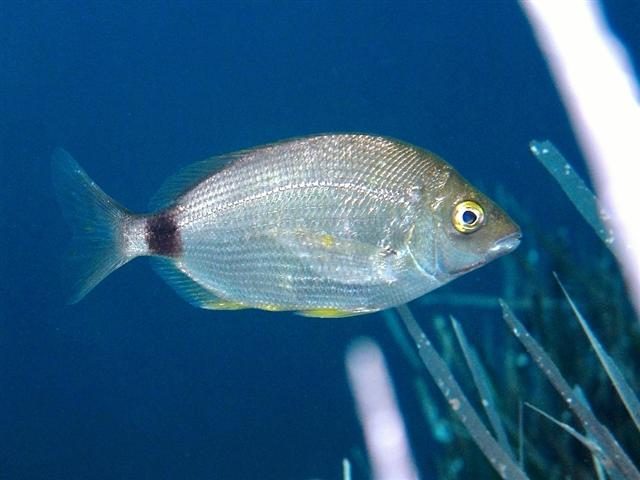
Annular Seabream
Diplodus annularis
Απρίλιος - Οκτώβριος
Πολύ Συχνό
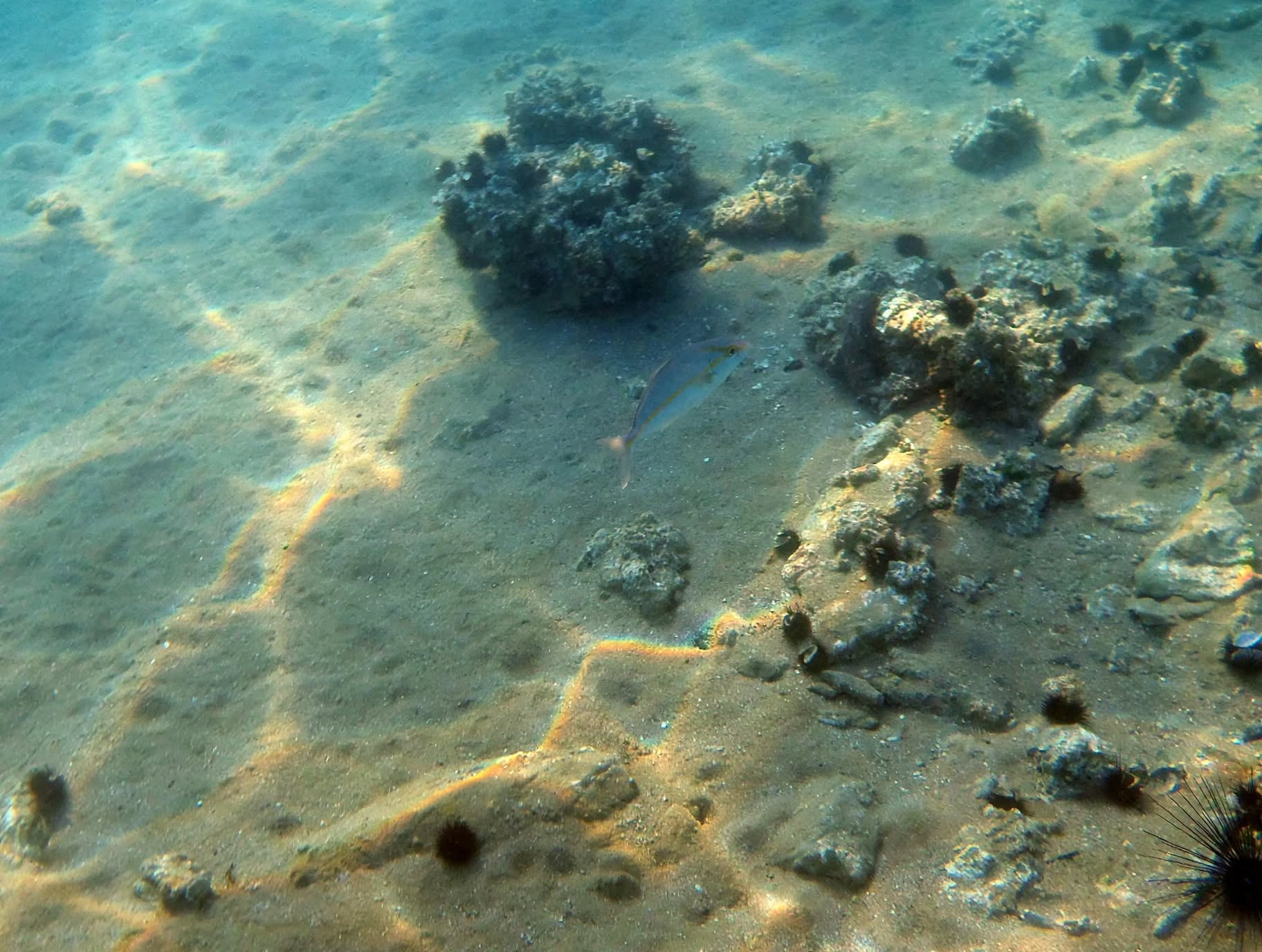
Greater Amberjack
Seriola dumerili
Also known as: Τούνα (καταχρηστικά), Ricciola, Lecha
Ιούλιος - Σεπτέμβριος (νεαρά σε ρηχά νερά)
Συχνό
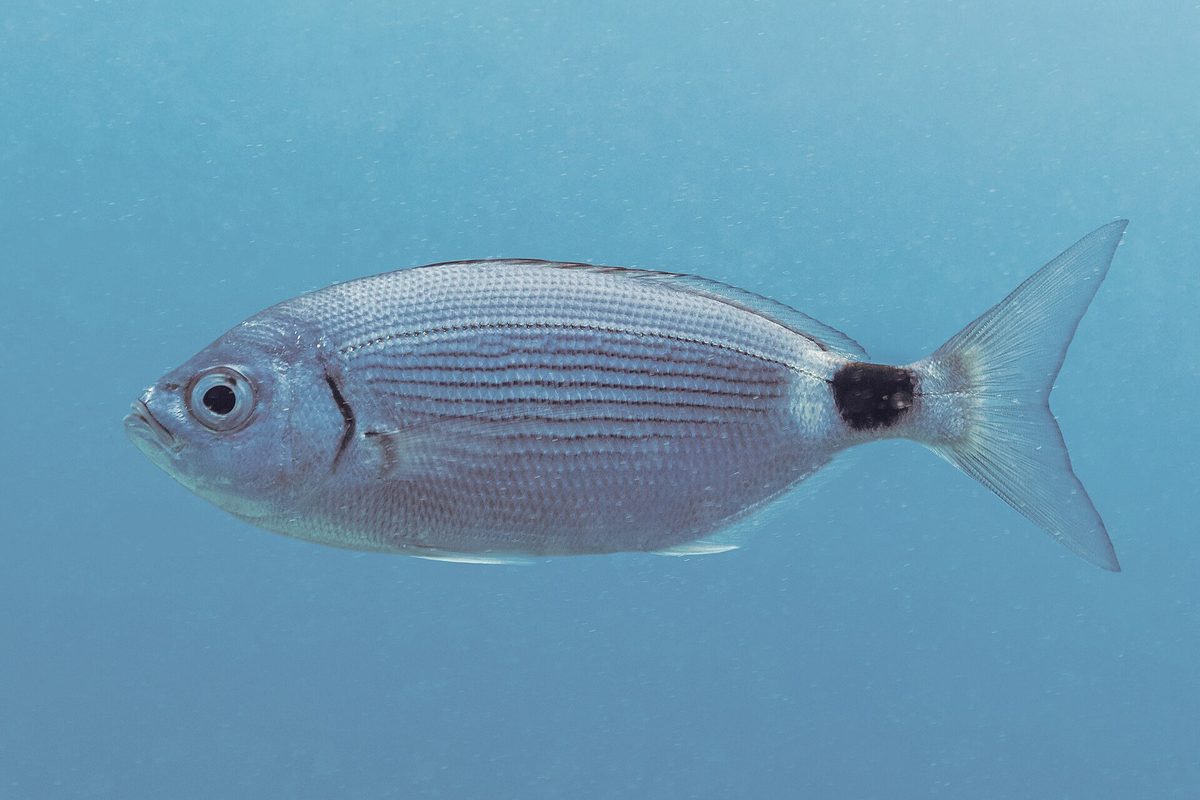
Saddled Seabream
Oblada melanura
Απρίλιος - Νοέμβριος
Πολύ Συχνό
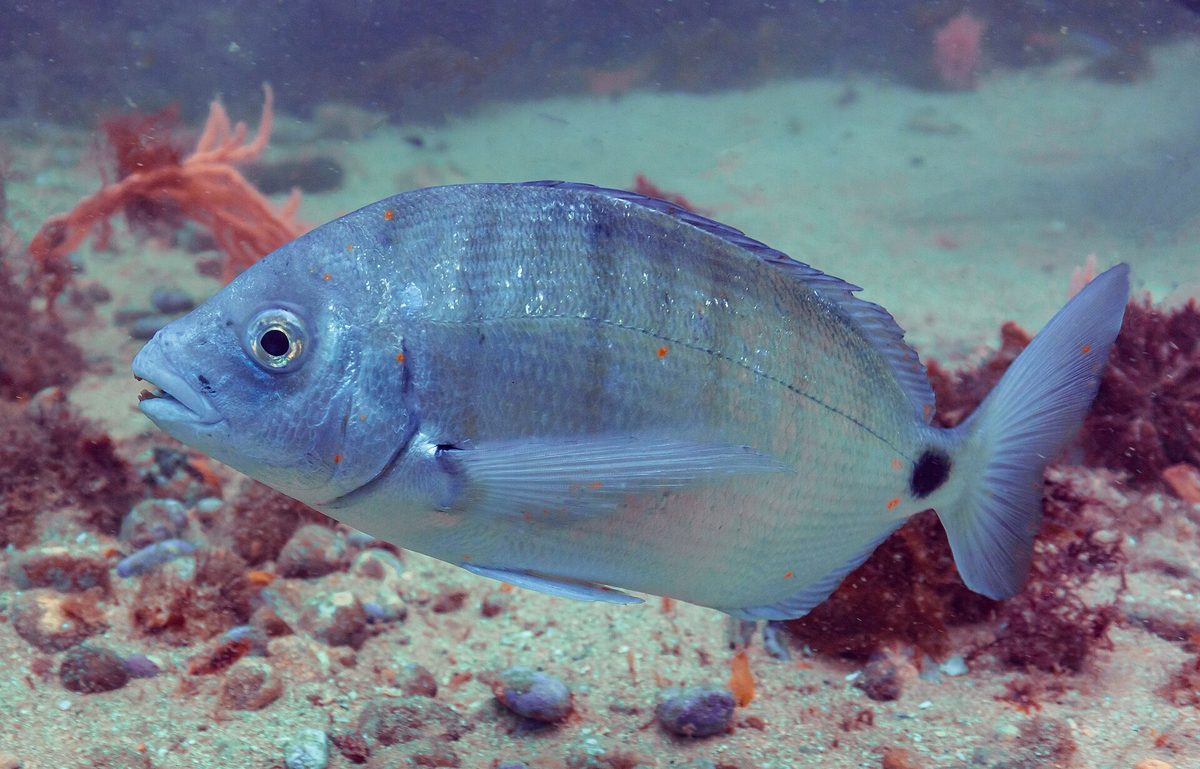
White Seabream
Diplodus sargus
Απρίλιος - Οκτώβριος
Συχνό
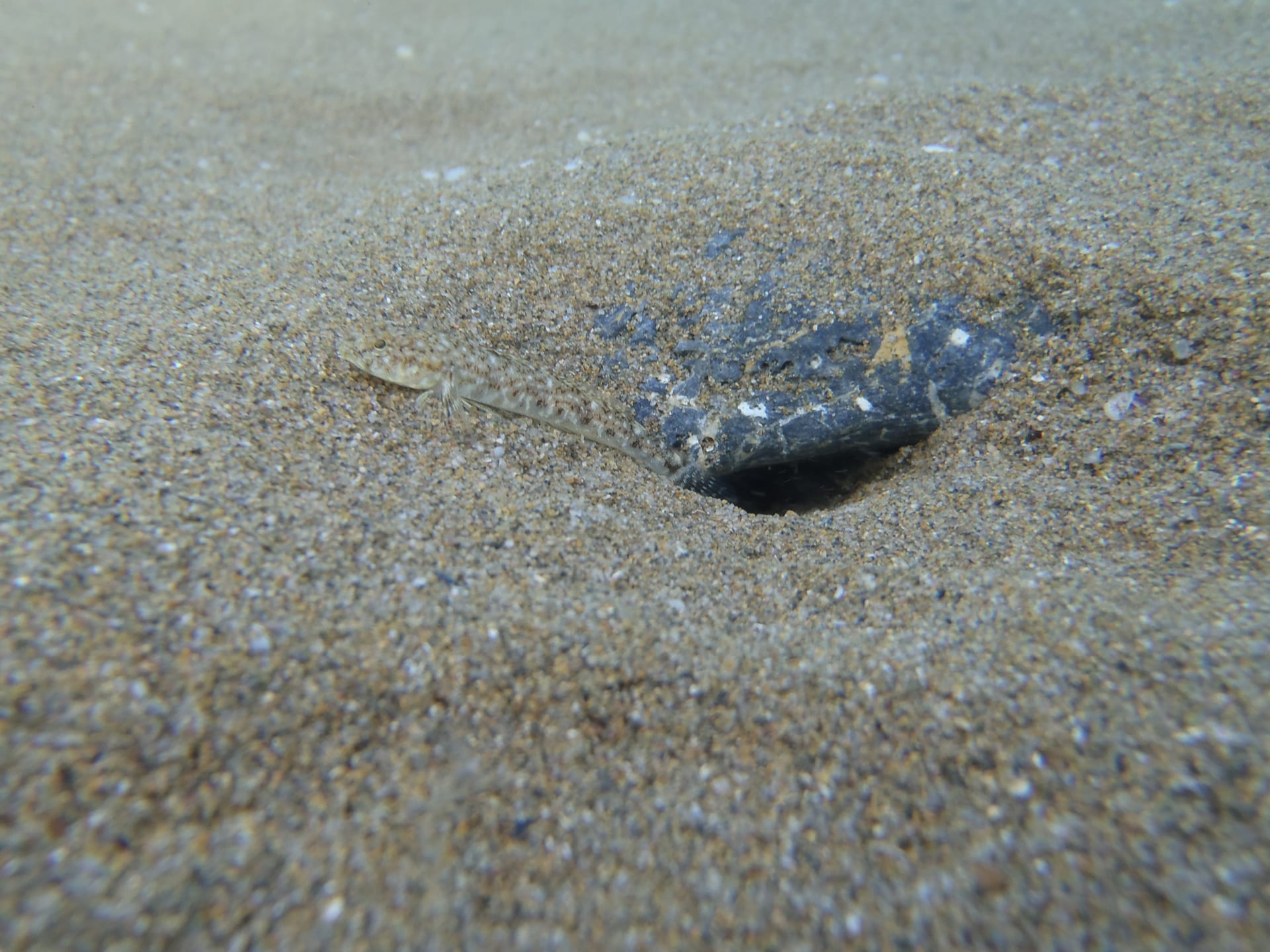
Bucchich's Goby
Gobius bucchichi
Also known as: Γωβιός, Bucchich's Goby, Γκιόζος
Όλο τον χρόνο, πιο δραστήριος το καλοκαίρι
Πολύ Συχνό
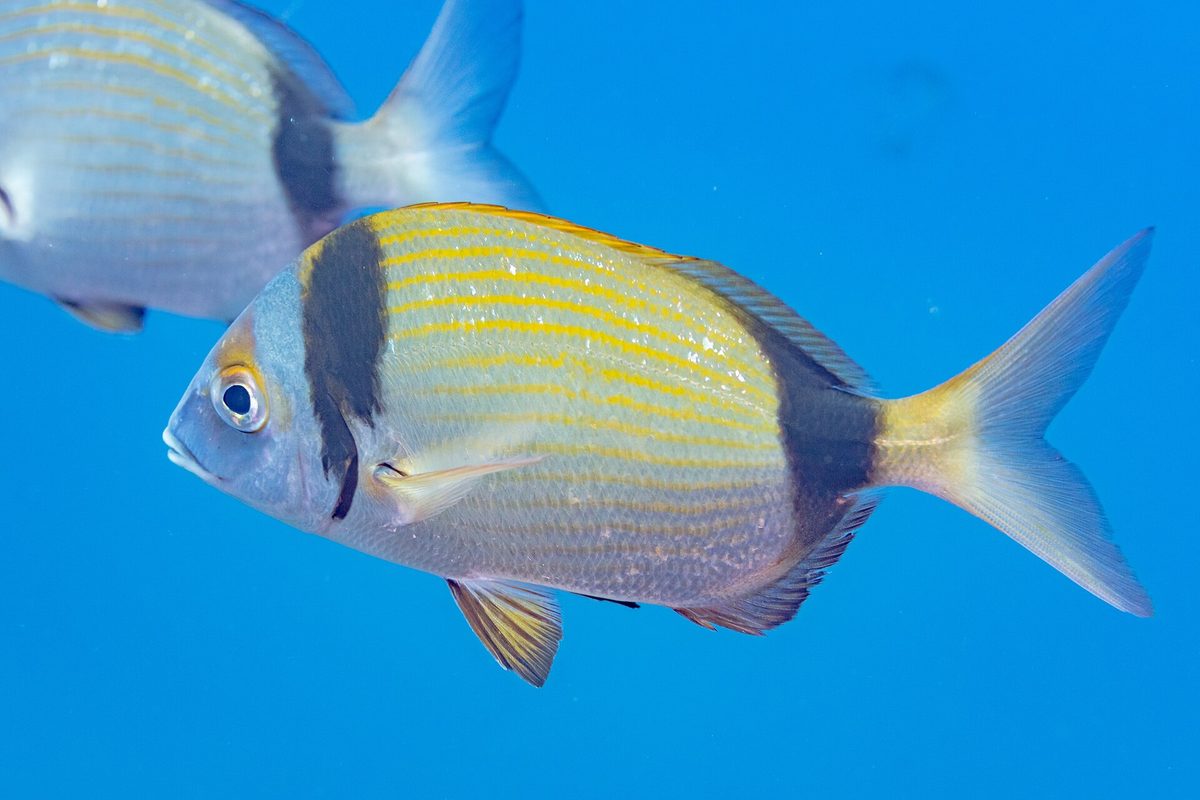
Two-Banded Seabream
Diplodus vulgaris
Απρίλιος - Οκτώβριος
Συχνό
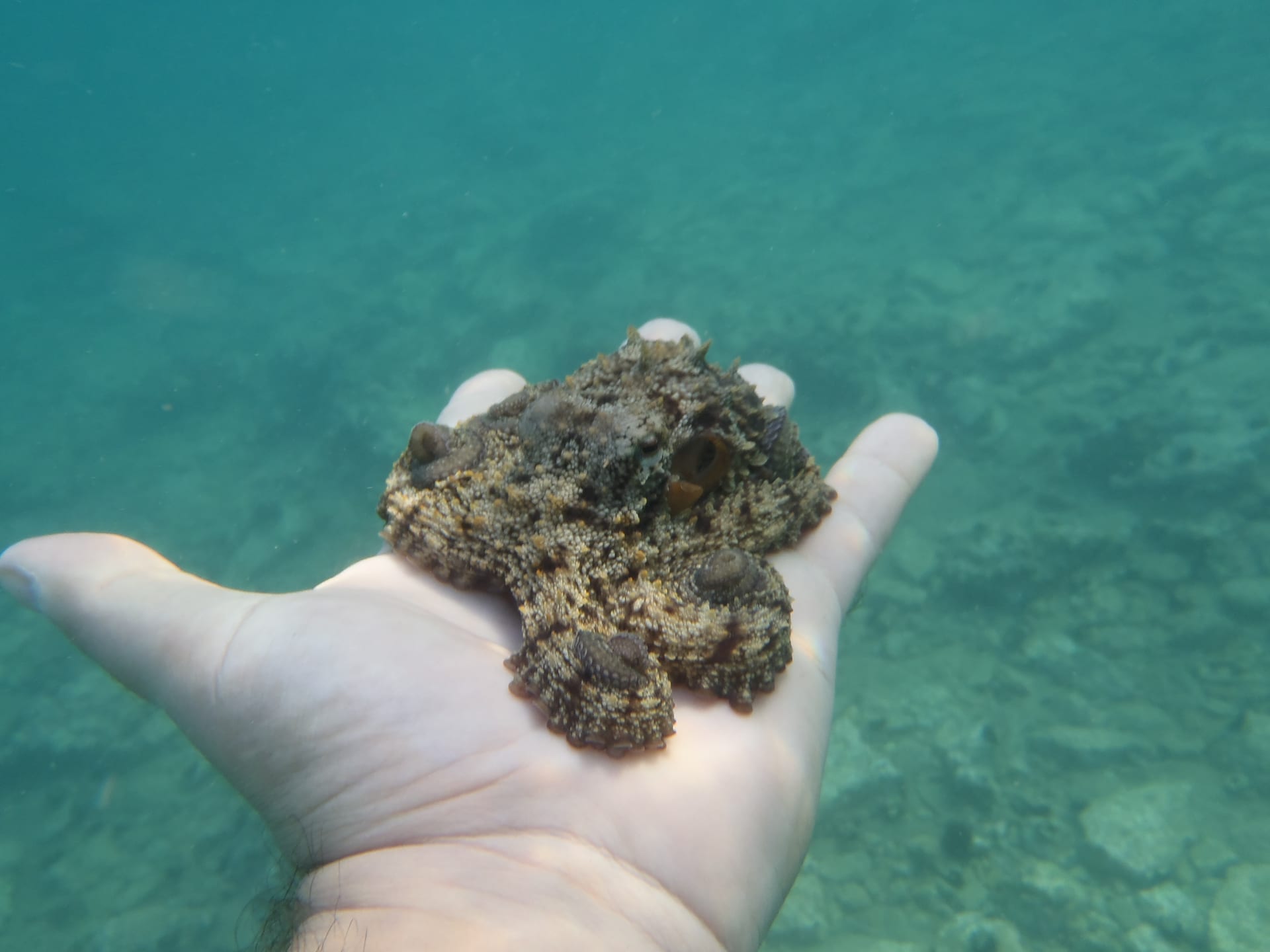
Common Octopus
Octopus vulgaris
Also known as: Οχταπόδι
Όλο το χρόνο, πιο εύκολο τους καλοκαιρινούς μήνες
Συχνό
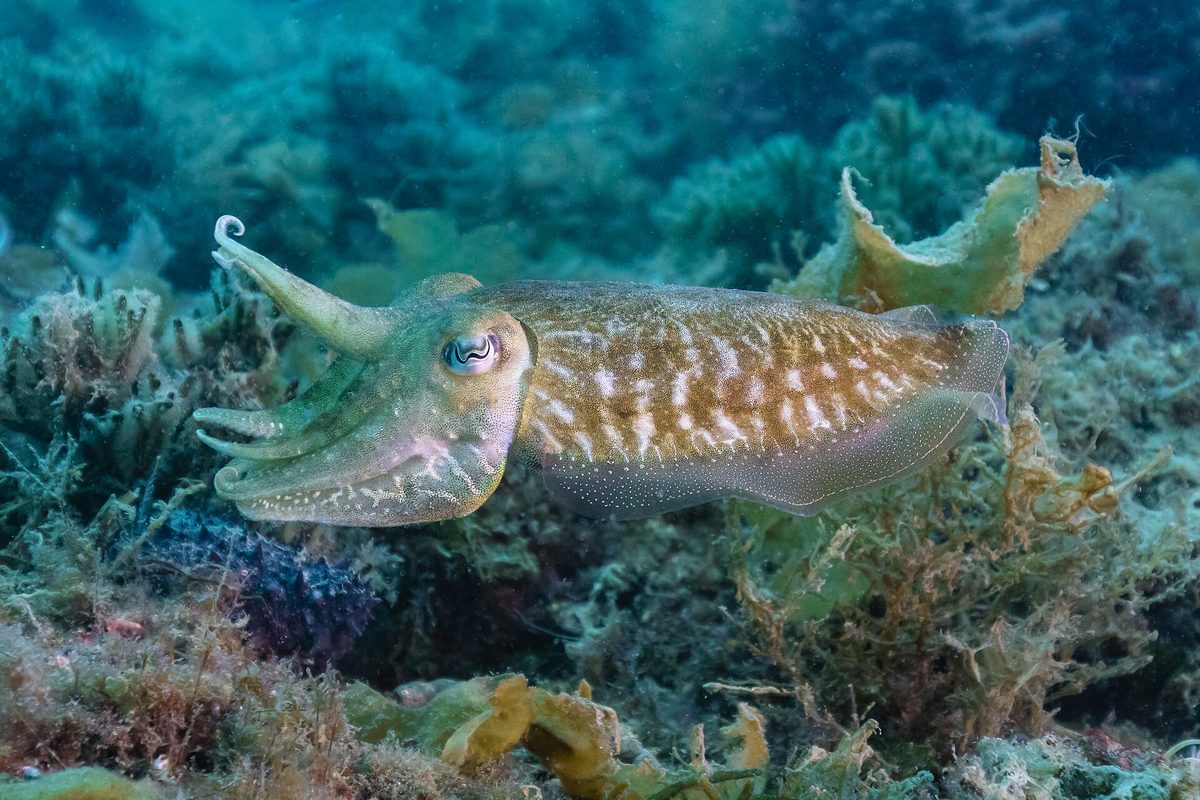
Common Cuttlefish
Sepia officinalis
Μάρτιος - Μάιος
Σπάνιο
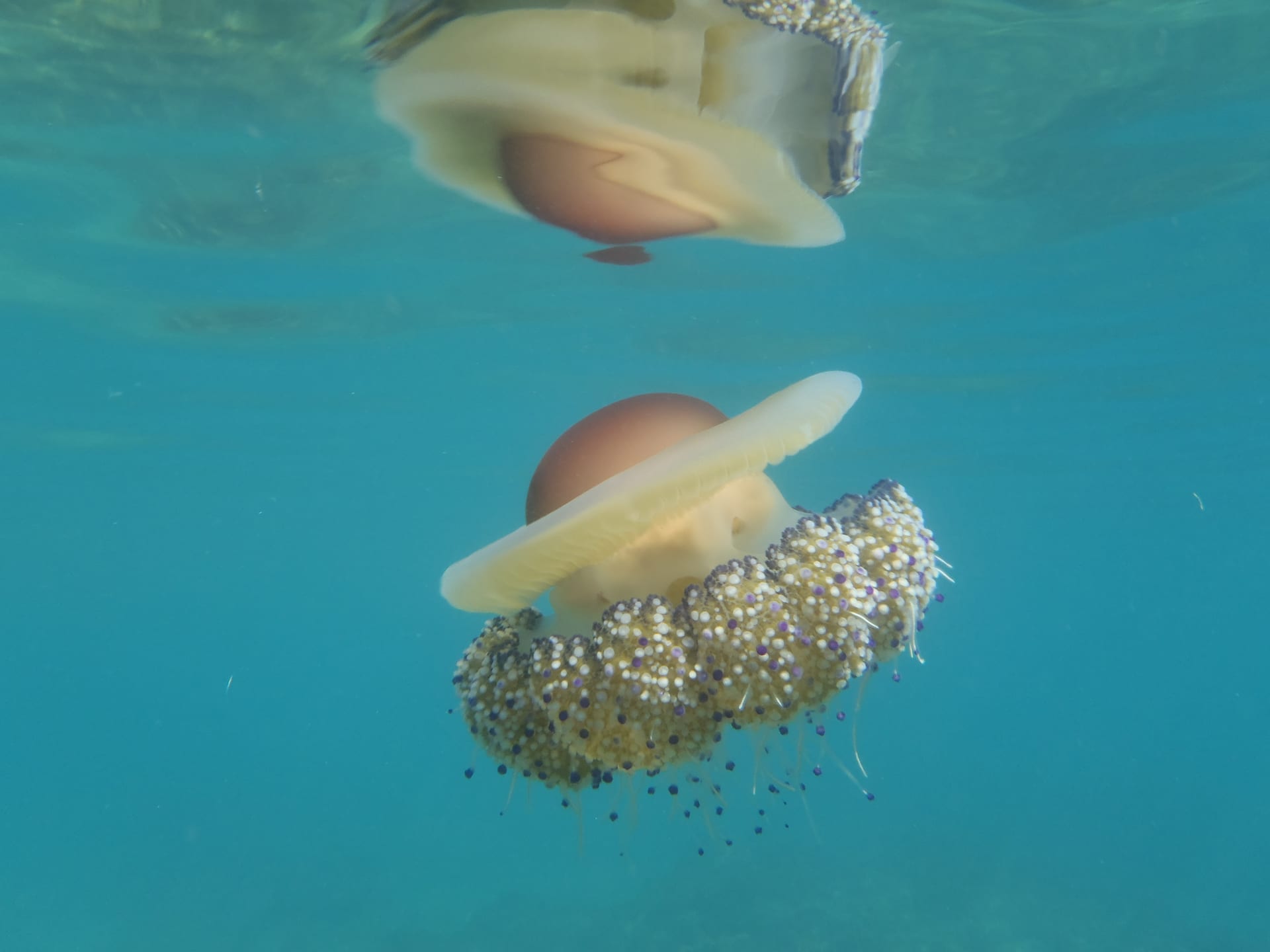
Fried Egg Jellyfish
Cotylorhiza tuberculata
Also known as: Τηγανητό Αυγό, Μεσογειακή Μέδουσα
Ιούνιος - Οκτώβριος
Πολύ Συχνό
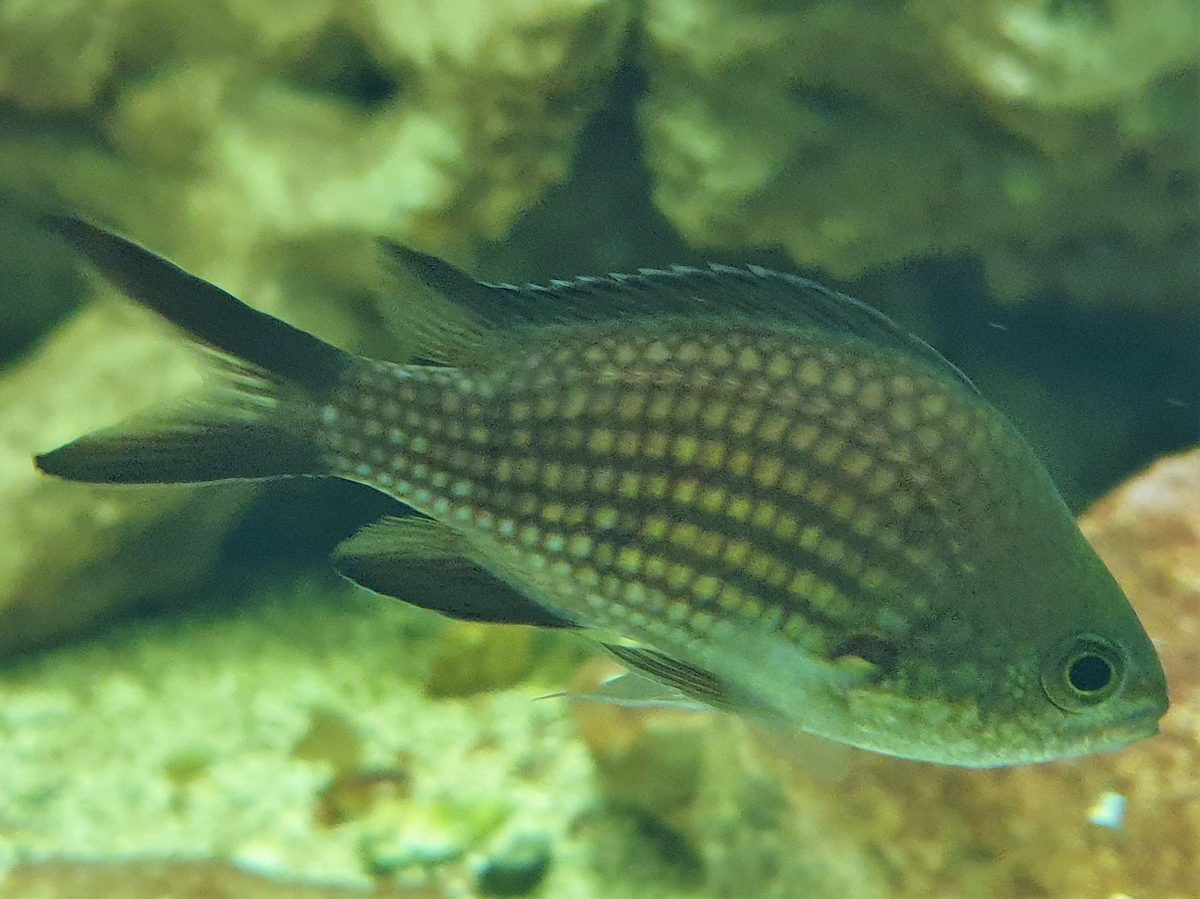
Mediterranean Damselfish
Chromis chromis
Also known as: Καλογρίτσα, Καλογριά, Παπαδιά
Μάιος - Οκτώβριος
Πολύ Συχνό
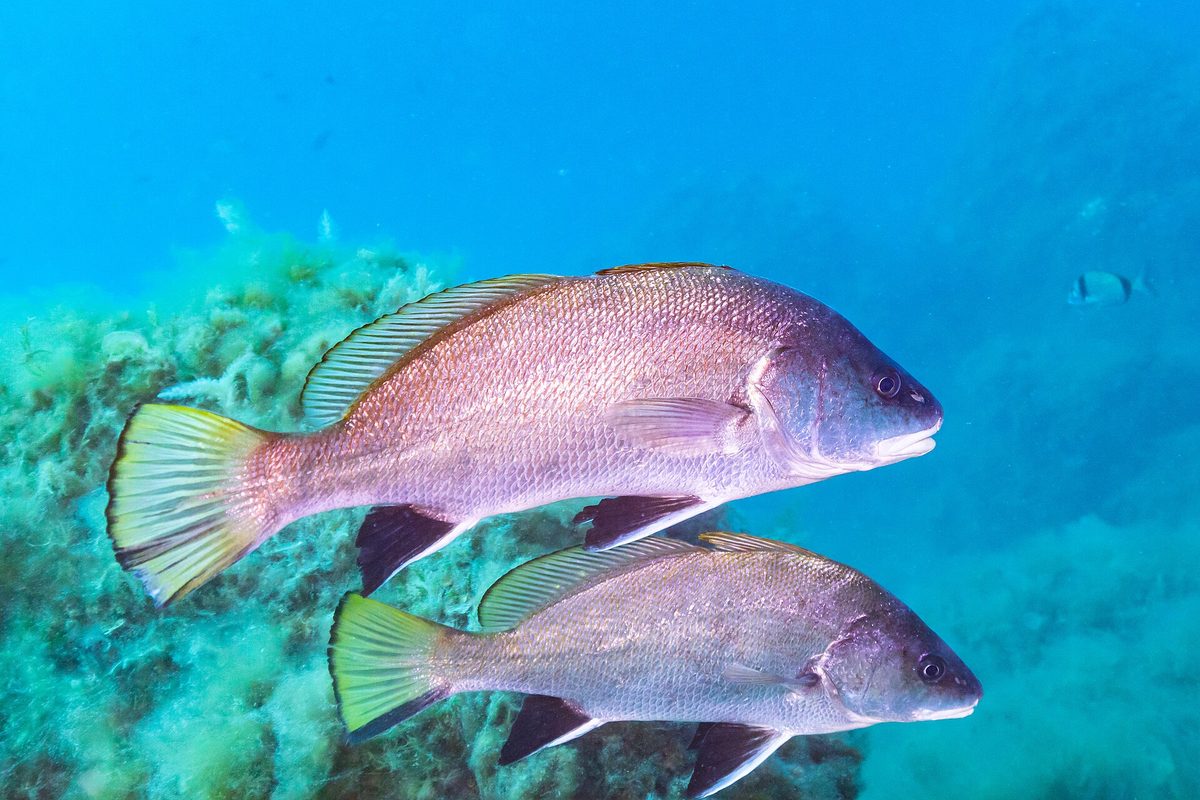
Brown Meagre
Sciaena umbra
Ιούνιος - Σεπτέμβριος
Πολύ Σπάνιο
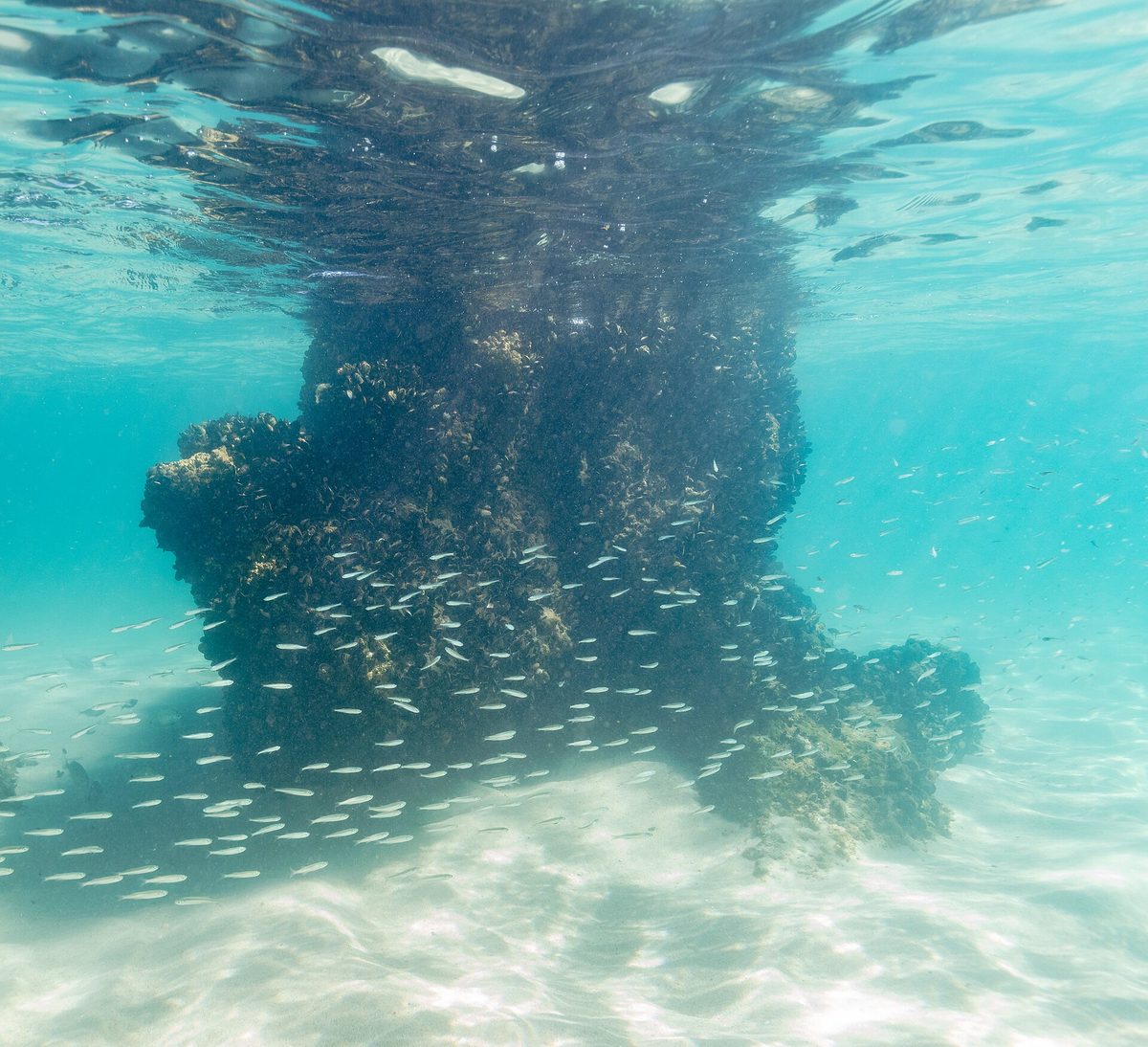
European Anchovy
Engraulis encrasicolus
Ιούνιος - Σεπτέμβριος
Συχνό
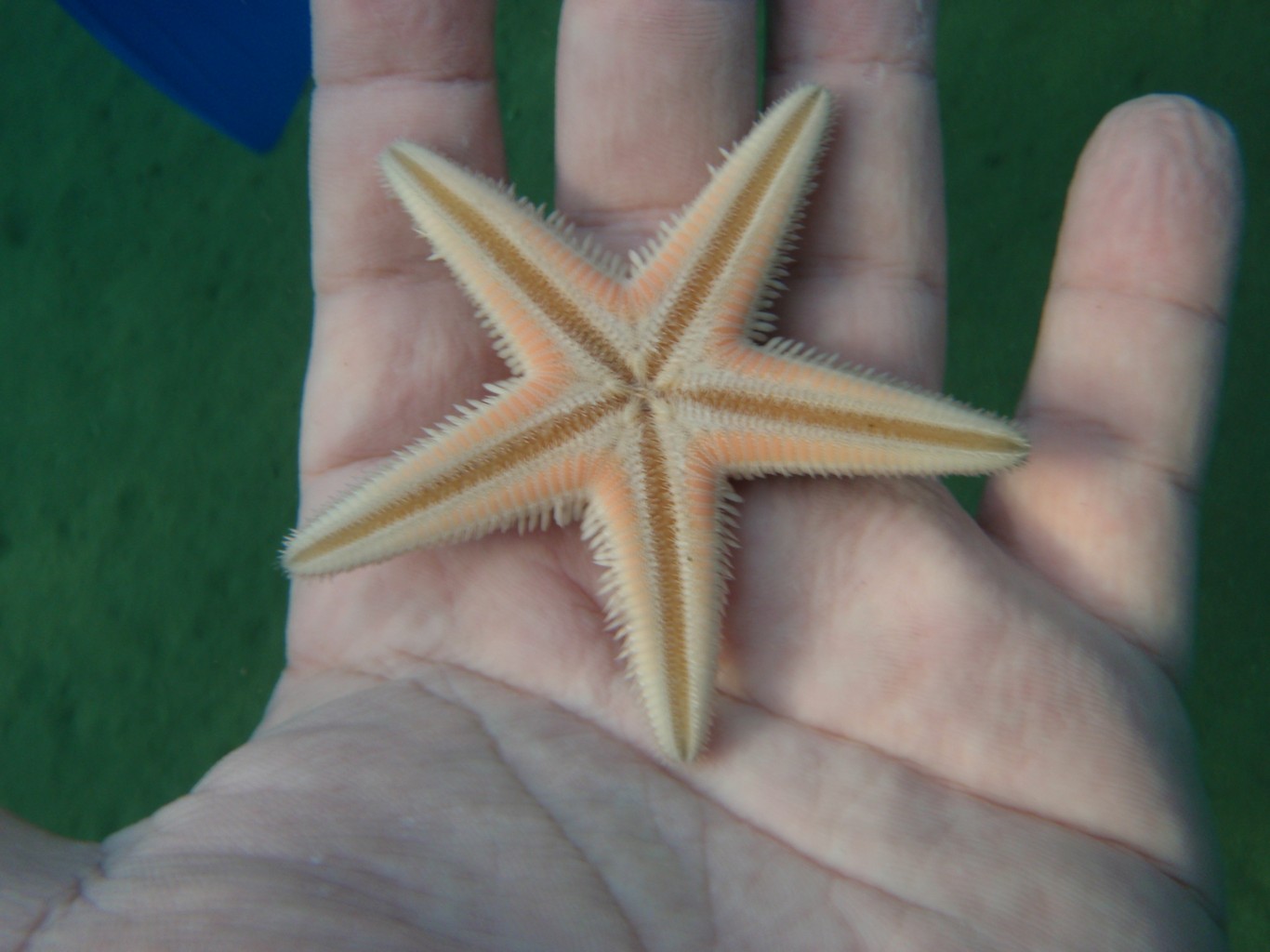
Sea Stars
Echinaster sepositus
Όλο το χρόνο
Σπάνιο
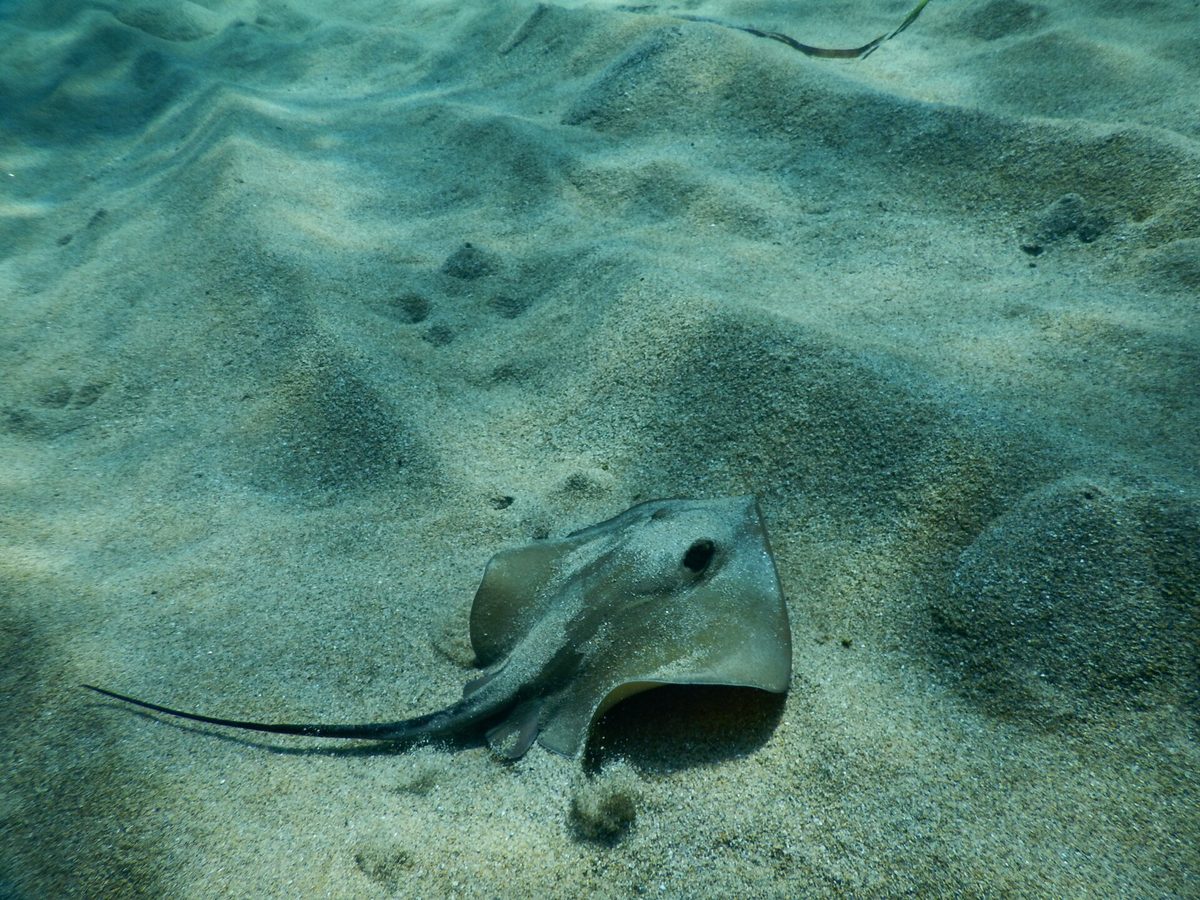
Common Stingray
Dasyatis pastinaca
Μάιος - Οκτώβριος
Πολύ Σπάνιο
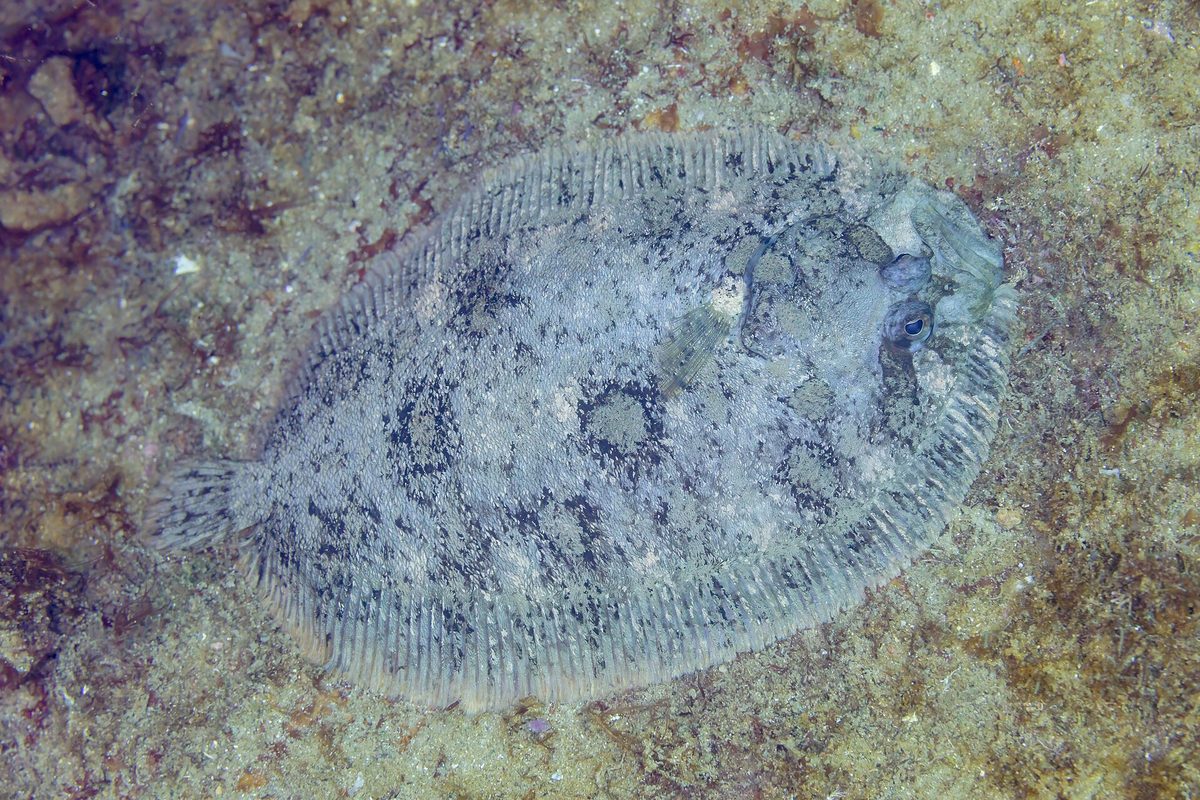
Common Sole
Solea solea
Απρίλιος - Νοέμβριος
Σπάνιο
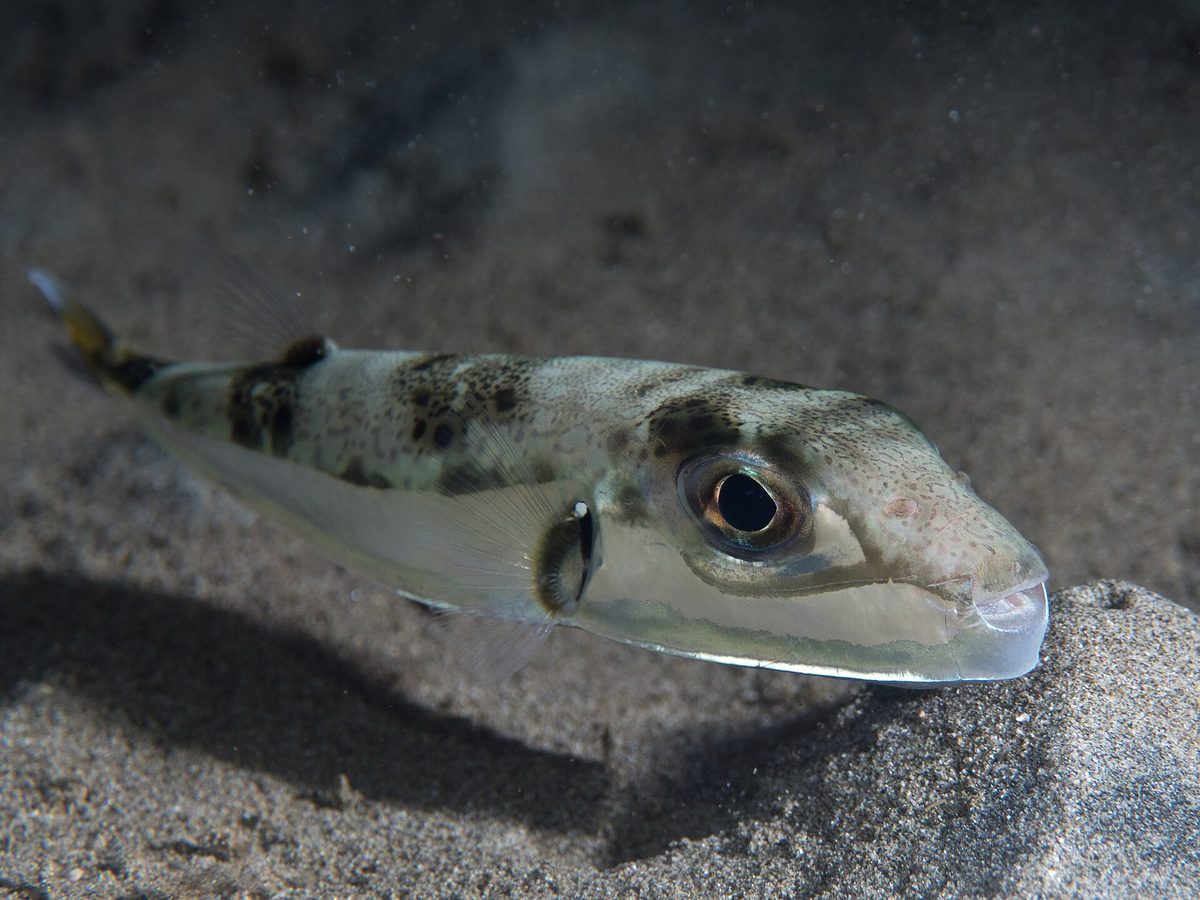
Silver-Cheeked Toadfish
Lagocephalus sceleratus
Ιούνιος - Οκτώβριος
Πολύ Σπάνιο
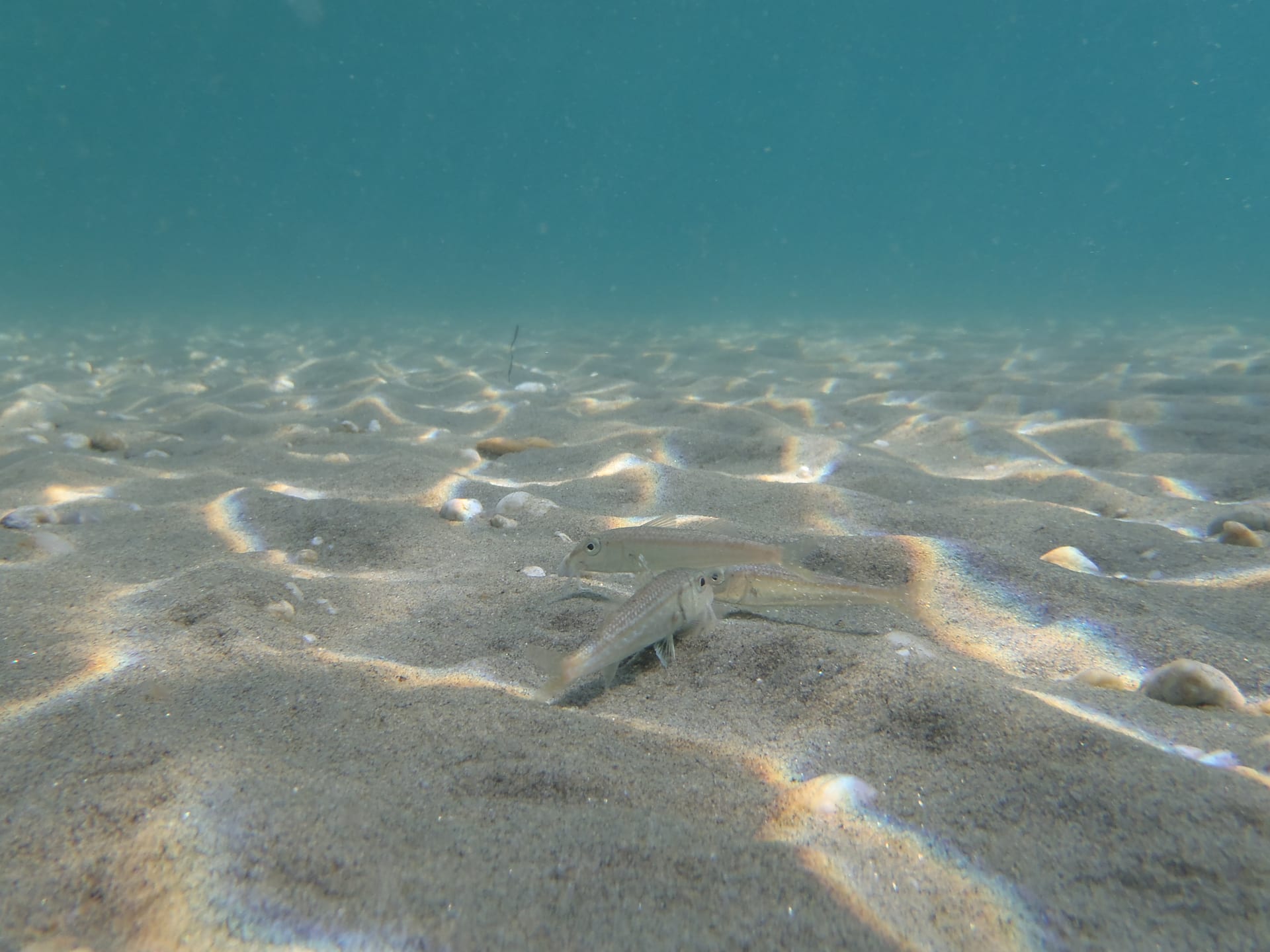
Striped Red Mullet
Mullus barbatus / Mullus surmuletus
Also known as: Κουτσομούρα, Μπάρμπουνος, Μπαρμπουνάκι
Μάιος - Οκτώβριος - τότε είναι στα ρηχά και βλέπεις τα μικρά κοπαδάκια
Πολύ Συχνό